

- Born
- September 1, 1907
- Birthplace
- Gura Humorului, Kingdom of Romania
- Full name
- Naftuli Hertz
- Citizenship
- Romanian, American
- Occupations
- Film art director, Film director, Television director, Architect
- Years active
- 1937-1973
Nathan Juran's Career in Numbers
Nathan Juran's films in numbers — as a director, not counting appearances as themselves: when they were made, the genres Nathan Juran works in most and the milestones along the way. The filmography runs from The Black Castle (1952) to The Boy Who Cried Werewolf (1973), and the 1950s were the busiest decade.
Nathan Juran Movies by Decade
- 1950s 16
- 1960s 6
- 1970s 1
The 1950s were Nathan Juran's busiest decade, with 16 films.
Nathan Juran Movies by Genre
- Western 5
- Drama 4
- Adventure 4
- Horror 3
- Fantasy 2
- Sci-Fi 2
- Thriller 1
- War 1
- Crime 1
Western is the genre Nathan Juran has worked in most, with 5 films, ahead of drama (4).
Nathan Juran Career Milestones
- First film
- The Black Castle 1952
- Newest film
- The Boy Who Cried Werewolf 1973
Nathan Juran Filmography: Every Movie
Every film Nathan Juran is credited on, newest first, with the role, the box office and the Movie Echo Score. Re-order the list to see the best-rated films or the biggest hits first.
- 1973
 The Boy Who Cried Werewolf Horror
 - 1969
 Land Raiders Thriller
 - 1964
 East of Sudan Drama
 - 1964
 First Men in the Moon Adventure
 - 1963
 Siege of the Saxons Adventure
 - 1962
 Jack the Giant Killer Fantasy
 - 1961
 Flight of the Lost Balloon Adventure
 - 1959
 Good Day for a Hanging Western
 - 1958
 The 7th Voyage of Sinbad Fantasy
 - 1958
 Attack of the 50 Foot Woman Drama
 - 1957
 The Brain from Planet Arous Sci-Fi
 - 1957
 The Deadly Mantis Sci-Fi
 - 1957
 Hellcats of the Navy War
 - 1957
 20 Million Miles to Earth Horror
 - 1955
 The Crooked Web Crime
 - 1954
 Drums Across the River Western
 - 1954
 The Big Moment Drama
 - 1954
 Highway Dragnet Drama
 - 1953
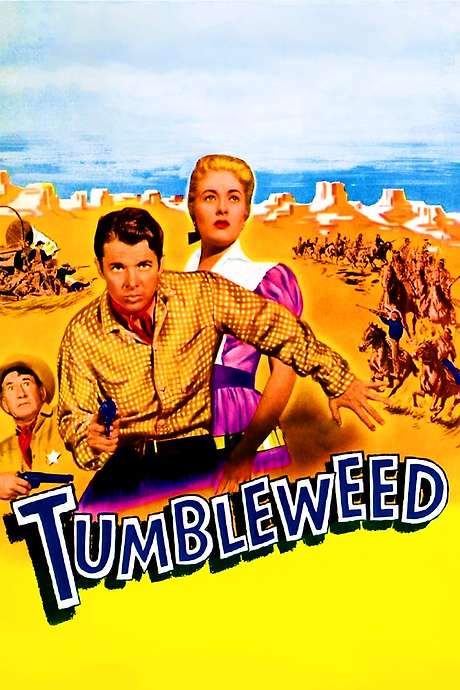 Tumbleweed Western
 - 1953
 The Golden Blade Adventure
 - 1953
 Law and Order Western
 - 1953
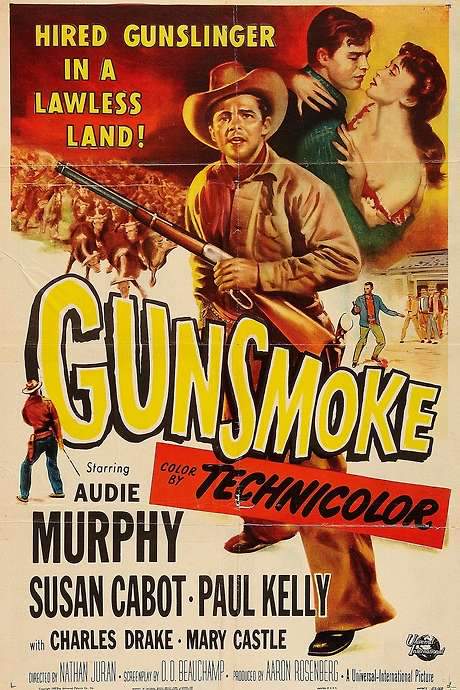 Gunsmoke Western
 - 1952
 The Black Castle Horror
Who Is Nathan Juran?
Nathan Juran was born in Gura Humorului, Kingdom of Romania in 1907. Credited on films since 1952, as a director. The background, training and the roles that shaped the career.
Naftuli Hertz "Nathan" Juran was a versatile Romanian-born American filmmaker whose career spanned multiple decades and disciplines within the entertainment industry. Born on September 1, 1907, in Gura Humorului, Kingdom of Romania, to a Jewish family, Juran emigrated to the United States in 1912, settling in Minneapolis, Minnesota. He pursued higher education with remarkable dedication, earning a bachelor's degree in Architecture from the University of Minnesota, followed by a summer of study at the prestigious École des Beaux-Arts in Paris, and ultimately a master's degree in Architecture from the Massachusetts Institute of Technology. After passing the architect's exam and establishing his own practice, the Great Depression forced a career pivot, leading him to Los Angeles where he initially sought architectural work but found himself drawn to the film industry. Beginning as a draftsman at RKO Radio Pictures, Juran rapidly ascended through the art department ranks, working at MGM and eventually 20th Century Fox, where his exceptional work on How Green Was My Valley (1941) earned him the Academy Award for Best Art Direction in 1942, shared with Richard Day and Thomas Little. He received another Oscar nomination for his artistic contributions to The Razor's Edge (1946). During World War II, Juran served his adopted country in the United States Navy, assigned to the Office of Strategic Services and later the Royal Air Force Intelligence Center, before returning to Hollywood to continue his distinguished career in the art department.
In the early 1950s, Juran transitioned from production design to directing, making his debut with The Black Castle (1952) after the original director departed shortly before filming. This unexpected opportunity launched a new phase of his career that would cement his legacy in genre cinema, particularly science fiction and fantasy. At Universal Pictures and through collaborations with producer Charles H. Schneer, Juran directed beloved cult classics including 20 Million Miles to Earth (1957) and The 7th Voyage of Sinbad (1958), the latter featuring the groundbreaking special effects of Ray Harryhausen. He also helmed the iconic B-movie Attack of the 50 Foot Woman (1958) and The Brain from Planet Arous (1957), the latter credited under the pseudonym "Nathan Hertz" due to his dissatisfaction with the final product. Beyond feature films, Juran became a prolific television director, contributing episodes to numerous series including Irwin Allen's science fiction shows Voyage to the Bottom of the Sea, Lost in Space, The Time Tunnel, and Land of the Giants, as well as Daniel Boone and Men Into Space. Following a cancer operation in 1970, Juran retired from filmmaking, though he briefly returned to direct The Boy Who Cried Werewolf (1973) before fully retiring to resume his original career in architecture. He passed away on October 23, 2002, in Palos Verdes, California, at the age of 95, leaving behind a remarkable dual legacy as both an Oscar-winning art director and a influential director of speculative fiction cinema. In 1999, he received the Lifetime Career Award from the Academy of Science Fiction, Fantasy and Horror Films, honoring his significant contributions to the genres.
Nathan Juran: Questions & Answers
How many movies Nathan Juran has made, the biggest hit, the best-rated film, the award record and more, answered from the filmography above.
How many movies has Nathan Juran been in?
Nathan Juran is credited on 23 films, from 1952 to 1973. All of them as a director. The filmography on this page lists every one of them, newest first, with the role and the Movie Echo Score.
What is Nathan Juran's newest movie?
The most recent film on Nathan Juran's filmography is The Boy Who Cried Werewolf (1973), which Nathan Juran directed.
Who does Nathan Juran work with most often?
Nathan Juran shares the most films with Ronald Reagan (2 films) and Barry Kelley (2 films).
The Best Nathan Juran Movies, Ranked
Top rated, most awarded and biggest box office hits from 23 directing credits.
Coming soon to your phone
The Plot Explained Movie Summary App
From blockbusters to hidden gems: plot summaries, endings explained and timelines on your phone. Save your favorites and never miss a twist again.
Be the first to know when it launches. Your email stays private, always. Learn more about the app
