
Werewolf of London 1935

Directed by

Edmund Mortimer
Made by

Universal Pictures
Where to Watch Werewolf of London
See current US streaming, rental, and purchase options for Werewolf of London (1935) via JustWatch.








Werewolf of London Plot Summary
Read the complete plot summary and ending explained for Werewolf of London (1935). From turning points to emotional moments, uncover what really happened and why it matters.
Henry Hull as Wilfred Glendon, a wealthy and world-renowned English botanist, travels to Tibet in search of the extremely rare Mariphasa lumina lupina, a plant rumored to draw its strength from the moon. There, he is attacked and bitten by a feral humanoid creature, yet he seizes a specimen of Mariphasa. Back in London, he constructs a lamp that simulates moonlight in his laboratory and waits for the plant to bloom, driven by a scientific curiosity and a stubborn hope that this discovery could redefine natural science.
At a party in the city, Dr. Yogami, Warner Oland, approaches Glendon and recalls a brief meeting in Tibet where he too hunted Mariphasa. Yogami insists that the plant can serve as a temporary antidote for werewolfery (lycanthrophobia) and proclaims that he knows two men in London who are werewolves, having been bitten by another werewolf. The claim lands with a mix of intrigue and skepticism in Glendon, who keeps his guard up even as the two exchange notes about potency, antidotes, and the strange connection between blossoming plants and human transformation.
A single blossom opens under the glow of Glendon’s moon lamp. When his hand grows fur in that artificial light, he cuts the blossom and applies its sap to the fur, astonished as the transformation reverses itself. Yogami returns, requesting two blossoms because that night marks the first of four nights around the full moon when the werewolves he mentioned will turn if left untreated; Glendon refuses, misunderstanding the scope of danger, and Yogami warns that werewolves kill what they love most, a line that threads dread through what follows.
Meanwhile, Glendon dives deeper into werewolf lore, learning that the creatures must kill someone each night they transform, or they will not revert to human form. Yogami steals two newly opened Mariphasa flowers, escalating the peril. Glendon chooses not to accompany his wife, Lisa Glendon, Valerie Hobson, and her childhood sweetheart, Paul Ames, Lester Matthews, who have returned to town for a visit, to Aunt Ettie’s party. Soon after they depart, Glendon undergoes a nightmarish change and becomes the very thing he fears. He pursues Lisa, but Ettie Coombes, Spring Byington, screams in fright, scattering the werewolf’s attention, and he settles for killing a random woman in the street. The partygoers hear a loud howl, but Ettie is the only one who claims to have seen a werewolf, leading others to dismiss her tale as drunken hallucination.
Paul, reading about the victim in the newspaper, begins to believe Ettie’s account. He informs his uncle, Colonel Forsythe, Lawrence Grant, the chief of Scotland Yard, but Forsythe dismisses the warning with skepticism. The last Mariphasa blossom has not yet opened, so Glendon rents a room for the night and locks himself inside, hoping to control the urge. He breaks out after transforming and makes his way to the zoo, where he frees a wolf and kills a woman who had come for a nocturnal tryst with the nightwatchman, a grim display of the monster he has become.
With the world unaware of the true danger, Yogami—now without blossoms—pleads with Forsythe to seize the plant from Glendon. Forsythe, focused on tracking an escaped wolf rather than a supernatural killer, takes little decisive action. Glendon travels to Falden Abbey, the estate of his wife’s family, and the caretaker locks him in a room to protect others. Lisa and Paul briefly appear on the grounds, exploring the country house before Paul returns to California, and Glendon, in his werewolf form, glimpses them through a window. He breaks free and attacks, but Paul drives him off, recognizing him despite the danger. Paul relays what he has learned to Forsythe, who begins to entertain the possibility that there are two werewolves at large rather than a single culprit.
The hunt continues as the police search for the hidden wolf-werewolf, and Glendon hides away in his laboratory, waiting for the last Mariphasa blossom to bloom. When the final flower finally opens, Yogami enters and uses it, triggering a furious confrontation with Glendon. The struggle culminates in Glendon’s brutal transformation, his pursuit of Lisa, and Ettie’s fainting fear as the house becomes a maze of danger. Forsythe arrives in time to end the chaos with a gunshot, shooting Glendon as he closes in on Lisa. In a poignant, tragic twist, Glendon dies and reverts to human form. Forsythe offers a grim explanation for the verdict: he will report that he accidentally shot Glendon while the botanist was attempting to protect Lisa.
In the end, the film lingers on the cost of ambition and secrecy—the marriage between science, superstition, and fear—and the irreversible consequences of a man who sought to cure a fear that might have been better left unexplored. The story leaves behind a quiet, unsettling echo: sometimes knowledge demands a price that no laboratory lamp can measure, and even the most well-intentioned pursuit can unleash a darkness that no antidote can fully contain.
Werewolf of London Timeline
Follow the complete movie timeline of Werewolf of London (1935) with every major event in chronological order. Great for understanding complex plots and story progression.
Tibet expedition and werewolf plant discovery
Wilfred Glendon journeys to Tibet seeking the Mariphasa lumina lupina, a moon-nourished plant. He is attacked by a feral humanoid and bitten, but manages to secure a living specimen. He returns to London with renewed hope that the plant could counter the curse.
Moonlight lamp and first blooms awaited
Back in London, Wilfred builds a lamp that simulates moonlight in his laboratory and waits for the Mariphasa to bloom. When the first bloom opens, he tests its properties and sees the transformation he fears reversed by applying the plant's sap. The discovery suggests the plant's potential as an antidote, though danger remains.
London party and Yogami's claim
At a party in London, Dr. Yogami confronts Wilfred and claims they met in Tibet, where he too sought the Mariphasa. Yogami contends the plant could cure lycanthropy, and hints at two Londoners who are werewolves. Wilfred remains cautious but intrigued by the rival botanist's knowledge.
First blossom opens; transformation reversal
That night, the first blossom opens under Wilfred's moon lamp, and his hand grows fur in the artificial light. He quickly cuts the blossom and applies its sap to the fur, watching the transformation reverse. The moment confirms the plant's antidotal power, though the danger of the full-moon cycle remains.
Yogami requests two blossoms
Yogami visits again and demands two blossoms, warning that the first of four nights around the full moon will trigger a turning. Wilfred refuses to hand over the flowers and cautions Yogami about the peril of provoking the curse. The interruption sets the stage for a desperate struggle between rival ambitions.
The blossoms are stolen
Yogami steals two newly opened blossoms from Wilfred's supply, escalating the danger. Wilfred continues his research and hones in on the peril of the coming full moon. The theft intensifies the danger facing Lisa and Paul.
Aunt Ettie's party; transformation in the streets
Wilfred declines to accompany Lisa and Paul to Aunt Ettie's party. Soon after they leave, he loses control, transforms into a werewolf, and stalks the city. Ettie's screams frighten him away from Lisa, and he murders a random woman in the street.
Paul informs Forsythe; investigation begins
Paul Ames reads about the murder in the newspaper and shares the story with his uncle, Colonel Forsythe, Scotland Yard's chief. Forsythe is skeptical, treating the accounts as sensational rumors rather than a genuine threat. The investigation stalls as he weighs the evidence.
Wilfred escapes; zoo assault
With the last blossom yet to open, Wilfred rents a room for the night and locks himself in, but breaks out after transforming. He sneaks into the London Zoo, frees a wolf, and kills a woman who had come for a tryst with the nightwatchman.
Dead chambermaid and growing suspicions
The next day, Yogami, out of blossoms, asks Forsythe to seize the plant from Wilfred. Forsythe learns of a dead chambermaid found in Yogami's hotel room, far from Falden, and Paul discovers Yogami's used blossoms. Forsythe becomes convinced there are two werewolves on the loose.
Falden Abbey confrontation
Wilfred travels to Falden Abbey, his wife's country home, and the caretaker locks him in a room. Lisa and Paul arrive to look around the property, and Wilfred, now a werewolf, sees them from a window. He breaks free and attacks, but Paul drives him off, recognizing him.
Forsythe closes in; further revelations
Paul informs Forsythe of Wilfred's whereabouts, and the investigation deepens. The discovery of Yogami's blossoms and the dead chambermaid leads Forsythe to suspect there are two werewolves on the loose.
Final bloom; Yogami killed; chase to Lisa
Police search all day for Wilfred, who hides in his lab waiting for the final Mariphasa blossom to bloom. When it does, Yogami enters and uses it, and an enraged Wilfred attacks. He kills Yogami and then chases Lisa around the house, knocking Paul unconscious and Ettie fainting in the process.
Shootout and return to humanity
Forsythe arrives and shoots Wilfred, who dies and reverts to his human form. He comforts Lisa and explains that he will report the death as an accidental shooting in defense of his wife, hoping to shield her from the truth of the night’s carnage.
Werewolf of London Characters
Explore all characters from Werewolf of London (1935). Get detailed profiles with their roles, arcs, and key relationships explained.
Dr. Wilfred Glendon (Henry Hull)
A wealthy, world-renowned botanist whose pursuit of the Mariphasa lumina lupina drives him to Tibet. His discovery unleashes a brutal conflict between reason and primal impulse as he transforms into a werewolf on a full moon cycle. He battles to maintain his humanity while realizing the devastating cost of his obsession, ultimately dying after being shot while fully transformed and reverting to human form.
Lisa Glendon
Wilfred’s wife, a devoted partner who becomes entangled in the danger surrounding his experiments. She witnesses the terrifying consequences of the werewolf curse and is forced to confront the possibility that the man she loves may become a monster. Her loyalty and resilience persist throughout the unfolding nightmare.
Dr. Yogami
A cunning fellow botanist who claims insider knowledge about werewolves and seeks to steal Mariphasa blossoms to exploit the lunar curse. His intellect masks a dangerous opportunism, and his actions escalate the crisis as the plant’s power becomes a weapon. He is ultimately killed by Wilfred during the climactic struggle.
Paul Ames
Lisa’s childhood sweetheart who returns to town and becomes a skeptic turned believer after newspaper reports of the killings surface. He champions the truth behind Ettie’s warnings and supports Forsythe in pursuing the mystery. His steadfastness helps drive the investigation forward.
Colonel Sir Thomas Forsythe
The chief of Scotland Yard who skeptically investigates the werewolf mystery. He methodically pieces together the clues, ultimately shooting Wilfred to protect Lisa and ensure the danger ends. He embodies lawful resolve and moral duty within a crisis that tests rational leadership.
Ettie Coombes
Lisa’s lively aunt who hosts the party and becomes a vocal witness to the terrifying events. Her nervous atmosphere and screams reveal the nightmarish reality that others dismiss as drunken hallucination. She provides crucial emotional context to the party’s tension and fear.
Werewolf of London Settings
Learn where and when Werewolf of London (1935) takes place. Explore the film’s settings, era, and how they shape the narrative.
Time period
1930s
The events unfold in the early 20th century, a period when scientific curiosity and occult folklore collide. London laboratories and moonlit experiments reflect the era’s fascination with new science and ancient myths. The full-moon cycle drives the plot, anchoring the tension between rational observation and uncontrollable transformation.
Location
London, Tibet, Falden Abbey
The story moves from the bustling, refined streets of London to the remote, sacred mountains of Tibet where the Mariphasa lumina lupina is sought. Tibet provides a remote, mysterious backdrop that fuels the folklore of lycanthropy. Falden Abbey, the country house, becomes the haunted site of the final confrontation between science, love, and the monstrous curse.
Werewolf of London Themes
Discover the main themes in Werewolf of London (1935). Analyze the deeper meanings, emotional layers, and social commentary behind the film.
🌕
Moonlit Science
A rare plant and an artificial moonlight lamp become the catalyst for the central transformation. The film explores how scientific curiosity can push beyond natural limits, yet the moon’s pull remains a powerful, uncontrollable force. The temporary antidote offered by Mariphasa lumina lupina challenges the notion that science can fully master nature.
💔
Love and Guilt
Wilfred’s love for Lisa is tested by his monstrous transformation and the consequences of his actions. The narrative probes guilt, responsibility, and the cost of secrecy as he struggles to protect what he cherishes. The emotional fallout emphasizes the human cost behind scientific obsession.
⚖️
Law versus Monster
Authority figures pursue rational explanations while a supernatural threat looms, culminating in a decisive act by Colonel Forsythe. The clash between law, deduction, and primal danger questions whether justice can coexist with fear and tragedy. The ending ties the duty of the state to the protection of those at risk from the monstrous.

Coming soon on iOS and Android
The Plot Explained Mobile App
From blockbusters to hidden gems — dive into movie stories anytime, anywhere. Save your favorites, discover plots faster, and never miss a twist again.
Sign up to be the first to know when we launch. Your email stays private — always.
Explore the mobile appWerewolf of London Spoiler-Free Summary
Discover the spoiler-free summary of Werewolf of London (1935). Get a concise overview without any spoilers.
In the mist‑shrouded streets of 1930s London, a world of shadowed science and ancient superstition collides. An elusive moon‑lit plant, rumored to draw its power from the very phases of the sky, becomes the obsession of a daring botanist who has just returned from a perilous expedition in Tibet. The film opens with a chilling encounter: a strange, feral creature attacks the explorer, leaving a bite that hints at a darkness far beyond ordinary flora. From the very first frame, the atmosphere is thick with gothic dread, the soft glow of streetlamps and the cold gleam of a laboratory lamp that mimics moonlight casting uneasy silhouettes over every corner.
The story centers on Wilfred Glendon, a world‑renowned English botanist whose relentless curiosity drives him to chase the impossible. He brings home the coveted plant specimen, intent on coaxing it into bloom under his artificial moon, hoping to rewrite the boundaries of natural science. At his side are his devoted wife Lisa Glendon, whose gentle steadiness grounds his restless mind, and Paul Ames, a childhood friend whose easy charm adds a touch of normalcy to the looming uncanny. Their lives intersect with the enigmatic Dr. Yogami, a figure whose knowledge of ancient werewolf lore and whispered warnings introduce a tantalizing blend of myth and medicine. As Glendon delves deeper into his research, the line between rational inquiry and primal fear begins to blur.
Never fully revealing the consequences of his pursuit, the film sustains a mood of quiet menace, letting the audience feel the tension between enlightened ambition and the primal forces it may awaken. Moonlight becomes a character in its own right, reflecting the duality of a man who is both scholar and, perhaps, something far more feral. The narrative promises a study of how far one will go for discovery, and what shadows may be unleashed when humanity reaches beyond the natural order, leaving viewers to wonder whether some knowledge is better left untouched.
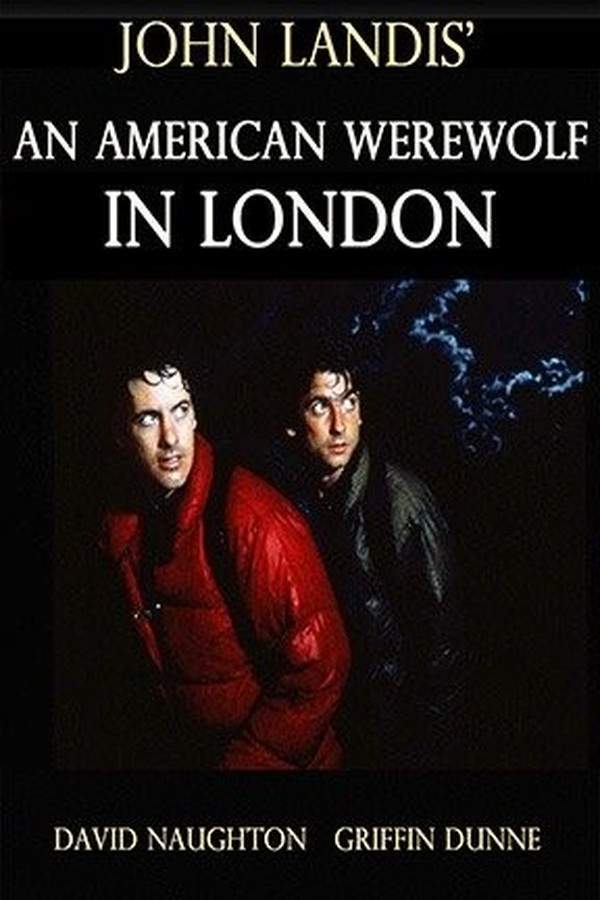
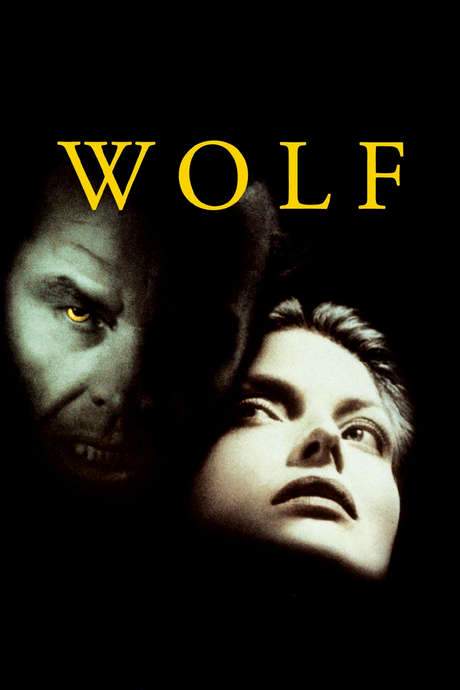
Movies with Similar Twists and Themes
Uncover films that echo the narrative beats, emotional arcs, or dramatic twists of the one you're exploring. These recommendations are handpicked based on story depth, thematic resonance, and spoiler-worthy moments — perfect for fans who crave more of the same intrigue.



Featured on this page

What's After the Movie?
Not sure whether to stay after the credits? Find out!
Check out our other apps:

SAT Sphere
Build confidence for the Digital SAT.

Mori Atlas
Discover wild places worth protecting.

Luntero
Search smarter for a home in Amsterdam.

Plot Explained
Unravel movie endings and hidden clues.

Pokechamp
Dive into Pokémon data and battle logic.

Driving Theory
Get ready for your European theory test.

Movie Dust
Plan your next cinema trip with ease.

Musemap
Find art and culture as you travel.

Selkobase
Compare credentials before committing.

Local Manual
Turn an unfamiliar country into practical next steps.

Lernavi
Compare school systems before your next move.

GymRoam
Find a workout stop wherever your plans take you.
Explore Our Movie Platform
New Movie Releases (2026)
Famous Movie Actors
Top Film Production Studios
Movie Plot Summaries & Endings
Major Movie Awards & Winners
Best Concert Films & Music Documentaries
Movie Collections and Curated Lists
© 2026 What's After the Movie. All rights reserved.
Privacy Policy