
The Blue Lamp 1950

Directed by
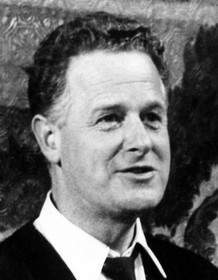
Basil Dearden
Made by

J. Arthur Rank Organisation
The Blue Lamp Plot Summary
Read the complete plot summary and ending explained for The Blue Lamp (1950). From turning points to emotional moments, uncover what really happened and why it matters.
In the Paddington area of west London, July 1949, PC George Dixon, a long-serving policeman nearing retirement, oversees the night beat and introduces his new recruit, Andy Mitchell, to patrolling after dark. On their first assignment, they respond to a robbery at a local cinema, coming face to face with Tom Riley, a desperate youth armed with a revolver. Dixon pleads for surrender, but Riley panics and fires, leaving the veteran officer gravely wounded and最终 dying in hospital hours later.
Back on his beat, Mitchell discovers a little girl playing with the discarded revolver. The child leads the police to the spot where she found it, and investigators drag a canal until they recover a raincoat that is traced to Diana Lewis’s father, who remembers lending it to Riley.
In a show of arrogance, Riley goes to police headquarters to offer a false alibi, an act that prompts authorities to place him under 24-hour surveillance. He is eventually hunted down with the help of professional criminals and dog-track bookmakers, who identify him as he attempts to hide in the crowd at the White City greyhound track in West London.
Credit for the capture falls to the young Andy Mitchell, whose persistence and fresh perspective help bring the case to a close as the pursuit unfolds around the bustling track and the surrounding streets.
The Blue Lamp Timeline
Follow the complete movie timeline of The Blue Lamp (1950) with every major event in chronological order. Great for understanding complex plots and story progression.
Dixon introduces Mitchell to the night beat
In July 1949, veteran PC George Dixon takes on a new recruit, Andy Mitchell, and shows him the rhythms of the Paddington night beat. Dixon’s experience anchors the shift while his looming retirement hints at a changing of the guard. The scene establishes the mentor-mentee dynamic that drives the story.
Cinema robbery call and confrontation
Dixon and Mitchell respond to a robbery at a local cinema. Dixon tries to persuade the armed youth, Tom Riley, to surrender, but Riley panics and fires. Dixon is wounded and taken to hospital.
Dixon is wounded in the confrontation
During the tense encounter, Dixon is shot by Riley and sustains serious injuries. He is rushed to hospital where his condition remains critical. The incident marks the loss of a seasoned officer and mentor for the team.
Dixon dies in hospital
Hours after the shooting, Dixon dies in hospital, leaving the force short-handed and a veteran void in the community. His death deepens the emotional impact on Mitchell and the squad. The tragedy underscores the dangers of the night beat.
Mitchell finds the revolver with the girl
On his beat, Mitchell encounters a little girl playing with a discarded revolver. He patiently persuades her to cooperate and she leads him to the gun’s hiding place. The discovery becomes a crucial thread in the investigation linking to Riley.
Canal search begins; raincoat found
Police painstakingly drag the canal to recover evidence related to the case. They pull up a raincoat that can be traced to Diana Lewis's father, who recalls lending it to Riley. The new clue tightens the net around the suspect.
Riley goes to police HQ to offer a false alibi
Riley visits police headquarters to provide an alibi that would clear him. The ruse backfires, strengthening investigators’ suspicion and prompting closer scrutiny of his movements. The encounter pushes the case toward a tighter investigation.
Riley placed under 24-hour surveillance
Following the failed alibi, Riley is placed under round-the-clock surveillance. Officers monitor his actions closely to prevent any chance of flight. The heightened watch sets the stage for the final capture.
Riley spotted at White City by professionals
Professional criminals and dog-track bookmakers help identify Riley as he tries to blend into a crowd at the White City greyhound track. Their expertise pierces Riley’s disguise and narrows the suspect pool. The track becomes a critical venue for the pursuit.
Riley is arrested at the track
Police move in and arrest Riley at the White City track, ending his bid to vanish into the crowd. The capture represents a significant breakthrough in the investigation. Mitchell’s earlier vigilance is highlighted in the aftermath.
Mitchell earns credit for the arrest
With Riley in custody, the force acknowledges that Mitchell played a crucial role in solving the case. The young recruit gains standing while Dixon’s absence casts a long shadow. The arrest marks an important turning point in Mitchell’s career.
Dixon’s legacy shapes Mitchell’s path
The tragedy of Dixon’s death and the Riley case shape Mitchell’s career trajectory as he steps into greater responsibility. The story underlines how mentorship and duty extend beyond a single officer. Mitchell’s steady rise echoes Dixon’s long service and dedication.
The Blue Lamp Characters
Explore all characters from The Blue Lamp (1950). Get detailed profiles with their roles, arcs, and key relationships explained.
PC George Dixon (Jack Warner)
A veteran night-beat policeman who embodies patience and duty. He tries to persuade the armed suspect Tom Riley to surrender and faces mortal danger when Riley opens fire. Dixon ultimately dies in hospital, marking a tragic culmination of a long career dedicated to protecting the public.
PC Andy Mitchell (Jimmy Hanley)
The new recruit under Dixon's mentorship, learning the ropes on the night beat. He remains calm under pressure and ultimately earns credit for helping to arrest Riley. His character contrasts youthful eagerness with the seasoned, weary experience of his mentor.
Tom Riley (Dirk Bogarde)
A desperate youth armed with a revolver, whose panic-driven actions spark the central crime. He attempts to evade capture with a false alibi, but is eventually detained with the help of professional criminals and the crowd at the cinema and track.
Diana Lewis (Peggy Evans)
A local girl whose raincoat becomes a crucial clue in the investigation. The coat is traced back to her father, who recalls lending it to Riley, linking ordinary lives to the crime and underscoring how small details propel the case.
The Blue Lamp Settings
Learn where and when The Blue Lamp (1950) takes place. Explore the film’s settings, era, and how they shape the narrative.
Time period
July 1949
Set in the immediate post-war period, the story unfolds in a London still rebuilding and adjusting to peacetime crime. The city is portrayed as crowded and vigilant, where routine patrols can turn into tense confrontations. The era shapes the film's themes of duty, suspicion, and communal fear.
Location
Paddington, West London, United Kingdom
Paddington is a busy west London district that serves as the film's night-beat backdrop. The action moves through streets near a local cinema and the nearby canal, underscoring the city's working-class rhythm. The post-war urban atmosphere adds a sense of immediacy and danger to the police work depicted.
The Blue Lamp Themes
Discover the main themes in The Blue Lamp (1950). Analyze the deeper meanings, emotional layers, and social commentary behind the film.
🕵️
Duty
PC George Dixon embodies old-school policing: calm, principled, and devoted to public safety. His impending retirement adds quiet urgency to his actions on the night beat. The narrative treats duty as both vocation and burden, especially when violence intrudes on everyday life. Dixon's final acts reflect sacrifice born from a life spent serving others.
🔥
Youth
Tom Riley represents a desperate, impulsive youth driven to crime by fear and pride. His arrogance and panic propel him into violence, revealing how fragile lives can be set on a dangerous path. The pursuit exposes the vulnerabilities and pressures facing young offenders in post-war Britain. The film uses Riley to question the line between desperation and criminal action.
🔎
Investigation
The case is built through careful police work, clues, and crowd dynamics at the White City track. Small details—like a raincoat trace—drive the investigation and link the crime to its local connections. The pursuit shows collaboration among officers, criminals, and bookmakers, creating a tense procedural rhythm. Evidence accumulates toward the arrest, highlighting the methodical nature of policing.

Coming soon on iOS and Android
The Plot Explained Mobile App
From blockbusters to hidden gems — dive into movie stories anytime, anywhere. Save your favorites, discover plots faster, and never miss a twist again.
Sign up to be the first to know when we launch. Your email stays private — always.
Explore the mobile appThe Blue Lamp Spoiler-Free Summary
Discover the spoiler-free summary of The Blue Lamp (1950). Get a concise overview without any spoilers.
In the Paddington district of West London, the glow of the blue lamp has long stood as a symbol of safety and order, guiding citizens through the darkened streets. It is July 1949, a time when the rhythms of policing are deeply rooted in tradition, and the night beat offers a quiet, familiar cadence to those who walk it. Yet, beneath this seemingly calm exterior, the city is shifting, harboring a new undercurrent of danger that threatens to disrupt the established peace.
At the heart of this world stands George Dixon, a seasoned police constable approaching retirement. He is the embodiment of the ordinary hero—steady, approachable, and defined by a lifetime of experience on the streets he patrols. Dixon represents a classic, reassuring presence, a man whose outlook has been shaped by years of a gentler era of law enforcement. He believes in the power of presence and the unspoken rules of respect that have long governed his interactions with the public.
Tasked with showing the ropes to Andy Mitchell, a new recruit eager to learn the trade, Dixon takes on the role of mentor with quiet pride. As they navigate the night beat together, the dynamic between the veteran’s anachronistic worldview and the recruit’s fresh perspective begins to take shape. However, the landscape they patrol is subtly changing; the laid-back atmosphere of the past is being encroached upon by a rising tide of volatility that challenges the old ways of keeping the peace.
The film sheds just enough light to reveal the tension simmering beneath the surface. As the older generation’s methods clash with the rising violence of the 1950s, the safety of the beat is put to the test. The story invites viewers into a world where the simple act of walking a beat becomes a high-stakes endeavor, and where the innocence of tradition must face the harsh glare of a modern, more desperate reality.
Movies with Similar Twists and Themes
Uncover films that echo the narrative beats, emotional arcs, or dramatic twists of the one you're exploring. These recommendations are handpicked based on story depth, thematic resonance, and spoiler-worthy moments — perfect for fans who crave more of the same intrigue.





Featured on this page

What's After the Movie?
Not sure whether to stay after the credits? Find out!
Check out our other apps:

SAT Sphere
Build confidence for the Digital SAT.

Mori Atlas
Discover wild places worth protecting.

Luntero
Search smarter for a home in Amsterdam.

Plot Explained
Unravel movie endings and hidden clues.

Pokechamp
Dive into Pokémon data and battle logic.

Driving Theory
Get ready for your European theory test.

Movie Dust
Plan your next cinema trip with ease.

Musemap
Find art and culture as you travel.

Selkobase
Compare credentials before committing.

Local Manual
Turn an unfamiliar country into practical next steps.

Lernavi
Compare school systems before your next move.

GymRoam
Find a workout stop wherever your plans take you.
Explore Our Movie Platform
New Movie Releases (2026)
Famous Movie Actors
Top Film Production Studios
Movie Plot Summaries & Endings
Major Movie Awards & Winners
Best Concert Films & Music Documentaries
Movie Collections and Curated Lists
© 2026 What's After the Movie. All rights reserved.
Privacy Policy