

What Is The Best of Enemies About?
The premise of The Best of Enemies in 301 words, with nothing given away. The full story follows below.
In the stark heat of the Ethiopian desert, a downed RAF reconnaissance plane leaves a lone British officer stranded among the sands of 1941. Richardson, a seasoned major of the British Army, finds himself thrust into an unlikely standoff with the commander of a small Italian detachment, Blasi. Their brief encounter is framed by the vast, unforgiving landscape, where the echo of distant conflicts collides with the intimate absurdity of two enemies forced to share the same space.
The two men could not be more different. Richardson carries the stiff upper‑lip, meticulous decorum, and a sense of duty honed by years of service, while Blasi exudes a flamboyant, improvisational confidence that borders on theatrical. Their clashing temperaments spark a constant undercurrent of tension, yet also supply a fertile ground for humor. The film leans into this contrast, allowing each character’s quirks to surface amid the oppressive heat and the hum of distant aircraft, turning a potential tragedy into a series of witty, tense exchanges.
When the Italian patrol, in a surprising gesture, releases the captured parties, a fragile truce begins to take shape. Soon after, British high command issues new orders that thrust both men into a tangled web of obligations and miscommunications. The uneasy collaboration that follows teeters between reluctant cooperation and comic mishap, as each side tries to navigate the other’s expectations while the desert itself seems to conspire against any simple resolution.
Set against a backdrop that mixes the stark realism of wartime Africa with the light‑hearted cadence of a farcical adventure, the story promises a tone that is simultaneously gritty and playful. Audiences can expect a visual feast of sun‑blasted dunes and battered equipment, all while watching two stubborn veterans negotiate pride and survival in a world where the line between foe and ally is constantly shifting.
What Happens in The Best of Enemies?
The complete story of The Best of Enemies, from the first scene to the last, in 610 words (about 3 minutes). Spoilers throughout. Names in the text link to 3 cast member pages.
Spoilers ahead
British Army Major Richardson is captured in 1941 during a march through the Ethiopian desert when the pilot of his reconnaissance plane crashes. The Italian detachment that takes him prisoner is led by Captain Blasi, who questions him but receives only the bare minimum: name, rank, and serial number. A British night attack is repelled, and with the death of Major Fornari, Captain Blasi finds himself in command. Over time, the two men grow tense and testy with one another, each sure of their own stubborn resolve.
Blasi decides to bluff his way out by letting Richardson and his squadron escape, hoping to force the British to conclude that his force is too weak to warrant continued pursuit. The plan is meant to signal that Blasi’s unit is not worth the trouble of a full-scale chase. Yet orders soon arrive to have Richardson organize a motorized squadron to hunt down Blasi’s forces. The pursuit leads them to a fort where the rest of Blasi’s men are rumored to be rallying, only to find empty, abandoned equipment. Moments later, Richardson’s armored cars roll into view, and the hunt becomes personal.
Under pressure from his friend Bernasconi, Blasi weighs surrender but resists what he sees as Richardson’s betrayal. He refuses the British terms and orders most of his African soldiers to stay behind, giving a tight one-hour deadline before surrender. The standoff escalates into a chase across the landscape as Richardson presses ahead, ignoring Captain Rootes’ cautions about the terrain and the risk.
Blasi’s decision to dismiss four African warriors for misbehavior loosens the tactical tension, and those men slip behind the British lines to set a forest fire that destroys armored cars and essential supplies. The resulting conflagration forces both sides to retreat and seek safety on a nearby lake’s island, turning the pursuit into a grueling march through harsh terrain where the Italians march as prisoners rather than aggressors.
As they cross the desert, the makeshift POW column grows more fragile. They arrive at a native village where the local headman, who has previously had dealings with Richardson, claims the allegiance of the local population and demands the confiscation of the Italians’ weapons and even the Italians themselves. Richardson refuses to part with either, maintaining a stubborn sense of duty and control. They pause in an abandoned village because a British officer is too ill to move, and there they find themselves surrounded by hostile natives led by the same headman. In the tense waiting period that follows, Richardson and Blasi begin to understand one another better, and Richardson privately contemplates arming the Italian troops.
A bold, volatile decision follows: Richardson resolves to arm the Italians, but discovers they left their ammunition behind. He proposes a risky escape plan in which everyone would slip away in six-person groups down a gully. The plan backfires, as the opening up of the escape route makes it easier for native forces to corral the fugitives. After their weapons and boots are taken, the Italians are allowed to leave, effectively handing the conflict back to the locals and forcing a harsh reality onto the two sides.
They eventually reach a road and Blasi is elated to see a sign indicating they are roughly 150 miles behind Italian lines. Seconds later, a British convoy appears on its way to a victory celebration, revealing that the Italians have been defeated. Blasi and his men are recaptured, and the two factions cross paths once more at a railway station. In a silent gesture of newfound mutual respect, Richardson orders his men to present arms, signaling a quiet reconciliation and a tempered understanding between the two former adversaries.
The Best of Enemies Timeline: Every Key Event in Order
12 key events in the order they happen, from “Capture and crash in the Abyssinian desert” to “Road sign and the return to friendly lines”. 12 events name a place, across 11 locations.
- 1
Capture and crash in the Abyssinian desert
Major Richardson is taken prisoner by a mobile Italian detachment during a desert march in Italian East Africa. An accompanying reconnaissance plane piloted by Wilding crashes, creating chaos and a window for the capture. Blasi interrogates Richardson, but the prisoner offers only his name, rank, and serial number.
When:1941 Where:Abyssinia desert
- 2
Blasi assumes command after the night attack
The British night attack is repulsed and Italian Major Fornari is killed, leaving Blasi in charge. The loss strengthens Blasi's resolve and sets the stage for a new approach to the standoff. The strategic mood shifts as Blasi consolidates control.
When:early phase of the campaign (1941) Where:Abyssinia, near the Italian detachment fort
- 3
Blasi considers an escape gambit
Blasi, urged by his ally Bernasconi, decides to let two British prisoners escape to tell their superiors about how weak his force appears. The move is meant to deter pursuit and buy time for retreat. It reveals Blasi's willingness to gamble with consequences.
When:shortly after Blasi takes command Where:Desert outpost
- 4
Richardson is ordered to round up Blasi's unit
Richardson receives orders to advance with his motorized squadron and capture Blasi's force. The pursuit tightens the radiating tension between the opposing sides. Captain Rootes warns against the risky chase, but the order stands.
When:mid-1941 Where:Desert road
- 5
Encounter at the fort and Blasi's surrender
Blasi and his men reach a fort, hoping their line will rally, only to find abandoned equipment. Richardson's armored cars close in, pressing for surrender. Blasi resists Richardson's terms, but, under pressure, reluctantly agrees to surrender while ordering most African soldiers to stay and surrender later at a set deadline.
When:mid-1941 Where:Fort near the desert
- 6
Richardson chases Blasi into the hills
Furious at being duped, Richardson pursues Blasi into rugged, hilly terrain against Captain Rootes’ advice. The pursuit tests endurance and judgment as the landscape becomes part of the struggle. The two leaders push their men to the brink in difficult country.
When:mid-1941 Where:Hilly desert terrain
- 7
Forest fire and the island refuge
Blasi orders four African warriors dismissed who then slip behind British lines and set a forest ablaze, destroying armored cars and supplies. The flames force a retreat, and both sides seek safety on a nearby lake island. The escape plan collapses into a new kind of stalemate.
When:shortly after the hill chase Where:Forest area and lake island
- 8
From island to desert: the POW march
After the fire dies down, the Italians march across the desert as prisoners of war, outnumbered and short on supplies. Tension and fatigue grow as they drift into an uneven struggle for survival. The dynamic shifts as Native dynamics mingle with the prisoner sequence.
When:following the forest fire Where:Desert
- 9
Headman and the native village dilemma
The group arrives at a native village where the headman pledges Allied support but demands the Italians' weapons and captives. Richardson refuses to part with either. A sick British officer is found in the village, unable to be moved, intensifying the precarious situation.
When:during the march Where:Native village
- 10
Ambush in the abandoned village
They stop in an abandoned village where a sick British officer lingers, and hostile natives gather under the same headman. Tensions rise as the two commanders weigh their options under local pressure. The stalemate grows more dangerous before any rescue or retreat.
When:later in the march Where:Abandoned village
- 11
Escape plan and its collapse
Richardson decides to arm the Italians but discovers the ammunition has been left behind. He orders a six-at-a-time escape down a gully, hoping to slip away, but the plan is foiled as natives close in and seize weapons and boots. The group is forced to retreat, marking another setback in the journey.
When:late march Where:Desert gully
- 12
Road sign and the return to friendly lines
The survivors reach a road and are thrilled to see a sign claiming they are 150 miles behind Italian lines. Blasi senses a glimmer of safety, even if temporary. The tale culminates in a final clash when the two units meet again at a railway station, and Richardson commands present arms to show respect.
When:toward the end Where:Desert road
Who Are the Main Characters in The Best of Enemies?
5 characters, among them Maj. Richardson (David Niven), Capt. Blasi (Alberto Sordi) and Bernasconi (David Opatoshu): who each one is and the part they play in the story. Every profile links to the actor’s page.
-
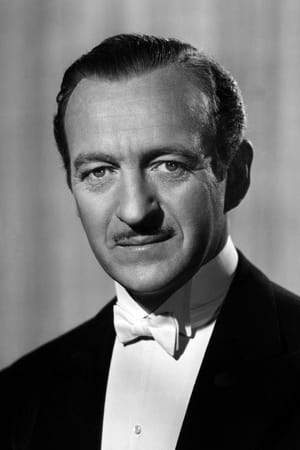
Maj. Richardson (David Niven)
Played by David Niven
A British Major and prisoner who drives a pragmatic, measured strategy while contending with Blasi's stubborn pride. He seeks leverage through calculated moves and often reveals a respect for strength in his enemy. His leadership under confinement tests morale and the thin line between alliance and betrayal.
- 🎖️ Brave
- 🧭 Strategic
- 🗺️ Calculated
-
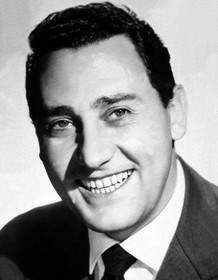
Capt. Blasi (Alberto Sordi)
Played by Alberto Sordi
An Italian Captain who combines sharp wit with wary pride. He negotiates, schemes, and adapts under pressure, balancing loyalty to his men with the realities of a wider war. His actions reflect both pragmatism and stubborn defiance.
- 🗡️ Pragmatic
- 🌀 Cautious
- 🎭 Reserved
-

Bernasconi (David Opatoshu)
Played by David Opatoshu
Blasi's ally and foil, he pushes Blasi toward practical choices even when they are uncomfortable. He offers diplomatic insight amid a situation that could spiral into mutual destruction. His presence highlights the role of counsel and restraint in leadership under fire.
- 🤝 Loyal
- 🧩 Diplomatic
- 🧭 Pragmatic
-

Capt. Rootes (Harry Andrews)
Played by Harry Andrews
A British Captain who provides cautionary leadership and skeptical assessment, offering a counterpoint to Blasi and Richardson. He guides with authority while weighing risks of rash action. His stance helps anchor the tactical dynamics between the two sides.
- 🛡️ Authoritative
- 🗺️ Skeptical
- 🧭 Cautious
- MF
Maj. Fornari (Amedeo Nazzari)
Played by Amedeo Nazzari
An Italian Major whose strategic voice represents the Italian side’s perspective within the detachment. He contributes to the plan and its consequences, embodying resilience and calculated risk-taking under pressure.
- ⚔️ Defiant
- 🧱 Resilient
- 🧭 Loyal
Where and When Is The Best of Enemies Set?
The Best of Enemies is set in Abyssinia (Ethiopia), Italian East Africa and Desert Front (1941). Here is why the time and place matter to the story.
When
1941
Set during World War II, specifically the East African campaign of 1941. British and Italian forces contend for control of remote outposts, supply routes, and shifting lines of retreat and advance. The period emphasizes rapid maneuvers, prisoner exchanges, and decisions made under extreme pressure.
Where
Abyssinia (Ethiopia), Italian East Africa, Desert Front
Set in 1941 along the Ethiopian desert frontier of Abyssinia, part of Italian East Africa during World War II. The action traverses arid plains, abandoned villages, and a lake with a surrounding island where a tense pursuit unfolds. The harsh desert environment shapes decisions, endurance, and the uneasy dynamic between opposing units.
- 🏜️ Desert
- 🗺️ War-torn frontier
- 🏞️ Arid landscape
What Are the Themes of The Best of Enemies?
3 ideas the story keeps returning to, among them Conflict & Respect, Strategy & Deception and Desert Survival.
-
01
Conflict & Respect
War creates a tense, uneasy dynamic between captor and captive as Richardson and Blasi spar over power and perception. Their animosity slowly yields to a grudging respect as each tests the other's resolve and resourcefulness. Leadership under pressure becomes a central question, revealing how pride and pragmatism contend on the battlefield.
-
02
Strategy & Deception
Strategic games define their interactions more than direct conflict. Blasi and Richardson improvise, negotiate, and occasionally ally to outmaneuver a larger threat. The plan to arm the Italians or to surrender and retreat shows how deception and negotiation blur the lines between victory and survival.
-
03
Desert Survival
Desert survival is the backdrop that sharpens every decision. Scarce water, harsh terrain, and long marches push both sides to the edge, while the forest fire, the lake island, and unfamiliar villages add constant uncertainty. The environment becomes a mirror for human resilience, forcing unlikely compromises.
What Kind of Film Is The Best of Enemies?
Neutral in tone, with variable pacing and a straightforward story, going by the plot summary.
- Tone
- Neutral
- Pacing
- Variable
- Story
- Straightforward
- Intensity
- Medium
- Ending
- Bittersweet
A war comedy with a variable pace that follows two stubborn soldiers in an uneasy alliance, blending tense standoffs and absurd misadventures in the desert, ultimately leading to a quiet, bittersweet moment of respect.
- unlikely friendship
- tense
- comedic misadventure
- mutual respect
- frustrated
- stubborn
- world war ii
- enemies to allies
- survival
- colonialism
Content notes: war violence, capture.
Quiz
How well do you remember The Best of Enemies? Test yourself on the story.


