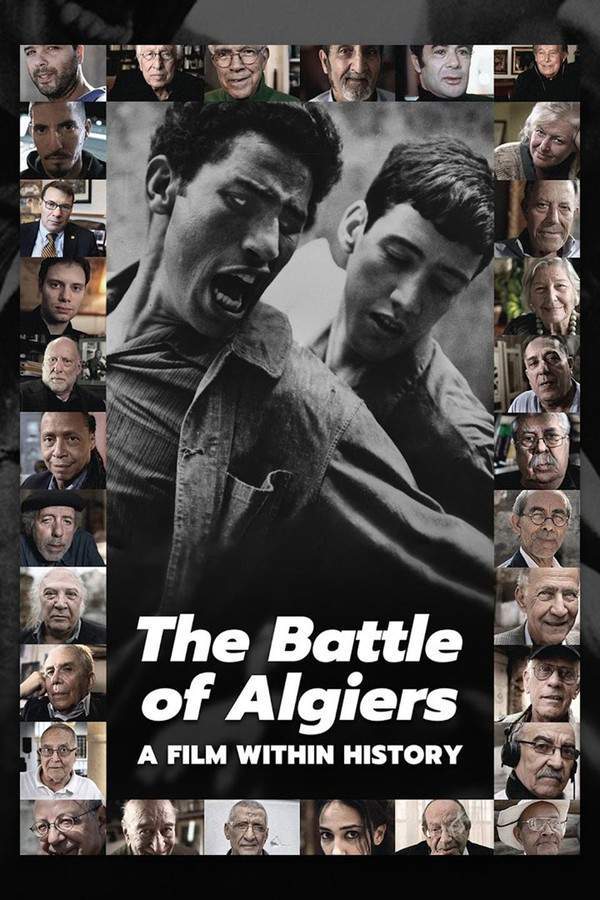
The Battle of Algiers 2004

Directed by
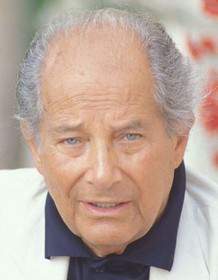
Gillo Pontecorvo
Made by

Igor Film
The Battle of Algiers Plot Summary
Read the complete plot summary and ending explained for The Battle of Algiers (2004). From turning points to emotional moments, uncover what really happened and why it matters.
Ali la Pointe, Brahim Hadjadj, is at the center of a sprawling chronicle that opens with a tense raid in 1957. After a brutal round of torture, a fellow fighter exposes Ali’s hidden sanctuary to the French Army, who broadcast that the “organization” has been cornered. The film then breaks away to rewind the clock and travel back to 1954, setting the stage for a deep dive into a city torn by war.
The Battle of Algiers reconstructs the bitter sequence of events in Algiers from November 1954 through December 1957, framing the Algerian War of Independence as it erupts in the Casbah. The narrative follows the rise of revolutionary cells as local Algerians clash with pieds-noirs and the state’s security apparatus. In response, France deploys paratroopers with the goal of dismantling the National Liberation Front (FLN), often presenting their operations as necessary to quell violence. Across the film, the paratroopers appear to neutralize the FLN leadership through swift strikes, assassinations, and arrests, painting a stark picture of counterinsurgency at work. The story’s arc culminates in a coda of nationalist demonstrations and riots, suggesting a paradox: even as France seems to win the Battle of Algiers, the broader Algerian War remains unresolved and ultimately loses its grip on the country.
A core tension runs through the film: the tactics of the FLN insurgency and the French counterinsurgency. The narrative does not shy away from the uglier truths of war, showing atrocities committed by both sides against civilians. The FLN tightens its grip on the Casbah by executing suspected criminals and collaborators, and it launches terror campaigns, including the Milk Bar Café bombing, to pressure the colonial authorities. In retaliation, security forces adopt hardline measures that include killings and indiscriminate violence against those suspected of aiding the insurgents. The paratroopers are depicted as resorting to coercion and intimidation, and, at times, severe violence in their attempts to suppress the uprising.
Pontecorvo and Solinas craft a cast of figures who anchor the film in historical reality. The narrative begins and ends with Ali la Pointe, Brahim Hadjadj, a petty criminal radicalized through prison experience and brought into the FLN’s fold. He is recruited by the FLN commander El-hadi Jafar, portrayed by Yacef Saadi, a veteran leader whose political rationale helps justify the insurgency to his followers. On the French side, Lieutenant-Colonel Mathieu serves as the principal paratroop figure, guiding the counterinsurgency operations that drive much of the tension in the Casbah.
Alongside these central players, the film introduces a younger street presence in the form of Petit Omar, a boy who acts as an FLN messenger, and prominent FLN leaders such as Larbi Ben M’hidi, who provides the political argument for resisting colonial rule. The story also spotlights a trio of urban guerrilla fighters—Djamila, Zohra, and Hassiba—who undertake a bold terrorist attack, underscoring the campaign’s reach beyond traditional combat zones. The film’s scale is bolstered by thousands of Algerian extras, intended to give the Casbah the sense of a living, breathing chorus that communicates through chants, wails, and the physical energy of the crowd.
Throughout its sweeping runtime, the work maintains a careful balance: it presents the moral complexity of a people fighting for autonomy while acknowledging the brutal methods employed by both the FLN and the colonial forces. The Casbah is rendered not merely as a backdrop but as a living stage where residents, combatants, and authorities collide, their lives interwoven in a daily struggle for power, survival, and dignity. The result is a historically grounded, emotionally measured meditation on a conflict that left deep scars on all sides, a film that invites viewers to reflect on the human cost behind historical milestones and political victories.
The Battle of Algiers Timeline
Follow the complete movie timeline of The Battle of Algiers (2004) with every major event in chronological order. Great for understanding complex plots and story progression.
1957 raid exposes Ali's sanctuary
During a tense raid in 1957, Ali la Pointe's hidden sanctuary is exposed to the French Army after a brutal round of torture. A fellow fighter reveals the location, and the authorities broadcast that the FLN organization has been cornered. The moment underscores the brutal realities of counterinsurgency and foreshadows a wider crackdown.
November 1954 marks the start of the Algerian War in the Casbah
The film rewinds to November 1954, opening the chronicle of the conflict in Algiers and the Casbah. The city is torn by violence as revolutionary cells begin to form and the security forces clamp down on dissent. The stage is set for years of urban warfare and political struggle.
Ali la Pointe recruited into the FLN
Ali la Pointe, a petty criminal, is radicalized through prison experience and recruited into the FLN by commander El-hadi Jafar. He becomes a central organizer within the Casbah’s insurgent network. His path anchors the human story of the uprising.
Larbi Ben M'hidi articulates resistance
Larbi Ben M'hidi emerges as a key FLN leader, providing the political rationale for resisting colonial rule. He helps mobilize fighters and frames the struggle in terms of national dignity and independence. His leadership voice legitimizes the insurgency among urban cadres.
Rise of urban revolutionary cells
Revolutionary cells proliferate across the city, coordinating attacks and expanding the campaign beyond countryside battles. The Casbah becomes a hub where clandestine networks plan operations against colonial authorities. The campaign begins to feel like a nationwide urban insurgency.
Milk Bar Café bombing
The Milk Bar Café bombing is carried out by FLN militants to pressure the colonial authorities. The attack demonstrates the insurgency's willingness to strike symbolic targets in the heart of the city. In response, security forces tighten their control and pursue suspects with renewed zeal.
Djamila, Zohra, and Hassiba strike
Three urban guerrilla fighters—Djamila, Zohra, and Hassiba—undertake a bold terrorist attack that expands the campaign's reach. Their action illustrates the FLN's strategy to apply pressure through high-profile acts within the Casbah. It elevates the perception of risk for both civilians and authorities.
Paratroopers deployed to dismantle the FLN
France commits paratroopers to dismantle the FLN, shifting to a hard counterinsurgency approach. The troops conduct swift strikes, arrests, and targeted killings aimed at breaking the FLN leadership. The Casbah becomes the primary arena for this intensified military effort.
Crackdown in the Casbah intensifies
Security forces employ coercion and intimidation as they press to suppress the uprising in the Casbah. Killings and indiscriminate violence target those suspected of aiding the insurgents. The population endures a brutal cycle of retaliation on both sides.
FLN executes collaborators
In retaliation against colonial measures, the FLN tightens its grip by executing suspected criminals and collaborators. This escalation demonstrates the insurgency's willingness to use swift, punitive measures to deter cooperation with the authorities. The street-level violence heightens fear throughout the Casbah.
Paratroopers target FLN leadership
Paratroopers press on with leadership-targeted strikes, assassinations, and arrests that aim to dismantle the FLN command. The campaign reveals the military side of counterinsurgency and how it can undermine clandestine networks. Yet it also illustrates the resilience of the FLN’s urban organization.
Nationalist demonstrations signal the war’s paradox
The film culminates with nationalist demonstrations and riots that suggest a paradox: visible political momentum can appear to favor one side, while the broader war remains unresolved. The crowds reflect a society deeply divided by the conflict and fear. The ending invites reflection on the price of independence.
Ali la Pointe’s arc closes the story
The narrative begins and ends with Ali la Pointe, whose trajectory from petty criminal to insurgent frames the Casbah's struggle. His personal path mirrors the larger arc of the city’s resistance and the war’s toll on ordinary people. The closing moments tie his fate to the broader history of the conflict.
The Battle of Algiers Characters
Explore all characters from The Battle of Algiers (2004). Get detailed profiles with their roles, arcs, and key relationships explained.
Ali la Pointe (Brahim Hadjadj)
Ali la Pointe is the FLN's rising star in Algiers, a petty criminal radicalized in prison who becomes a central organizer. His charisma and commitment draw others into the struggle, fueling the insurgency. His trajectory anchors the film's exploration of sacrifice, loyalty, and the human cost of rebellion.
El-hadi Jafar (Yacef Saadi)
El-hadi Jafar, FLN commander, presents political rationales and guides operations; He frames the insurgency for his followers and articulates the legitimacy of the struggle. He navigates loyalty, strategy, and moral compromises within the movement. His leadership highlights the ideological dimension of the conflict.
Lieutenant-Colonel Mathieu (Jean Martin)
Lieutenant-Colonel Mathieu is the central French paratroop commander orchestrating the counterinsurgency. He embodies disciplined authority and pragmatic ruthlessness, balancing strategic goals with political pressure. His actions reveal the harsh realities of foreign occupation and urban warfare.
Djamila
Djamila is one of the FLN's urban guerrilla fighters, part of the trio that extends the insurgency beyond conventional battles. She demonstrates courage and risk-taking, participating in bold operations. The character helps contextualize the human dimension of political violence.
Zohra
Zohra is another urban guerrilla fighter in the Casbah, contributing to the FLN's rapid, clandestine campaigns. She embodies resilience under pressure and the gendered dimension of resistance. Her perspective adds nuance to the depiction of revolutionary action in the city.
Hassiba
Hassiba is the third member of the trio of urban guerrilla fighters, illustrating the decentralized nature of the FLN's urban network. She participates in attacks and supports the movement's broader aims. Her presence underscores the collective ethos of the insurgency.
The Battle of Algiers Settings
Learn where and when The Battle of Algiers (2004) takes place. Explore the film’s settings, era, and how they shape the narrative.
Time period
1954–1957
Set against the Algerian War of Independence from November 1954 to December 1957. The narrative frames a rapid escalation of violence and counterinsurgency tactics, with paratroopers and FLN fighters clashing in the city. The period is marked by political upheaval, reprisals, and a culminating wave of nationalist demonstrations.
Location
Algiers, Casbah
Algiers, and specifically the Casbah quarter, stands as the film's primary stage. The Casbah is depicted as a dense, living labyrinth where civilians, rebels, and troops collide. The setting underscores the urban scale of the conflict and its personal toll on residents.
The Battle of Algiers Themes
Discover the main themes in The Battle of Algiers (2004). Analyze the deeper meanings, emotional layers, and social commentary behind the film.
🕊️
Liberation Struggle
The film frames the Algerian push for independence as a political struggle, not a simplistic clash of arms. It follows the FLN and civilians, highlighting the moral complexity of a national awakening. The narrative probes the price of freedom and the human costs of political violence.
⚔️
Urban Warfare
The Casbah becomes a dense battlefield where paratroopers and insurgents fight in narrow streets. The film exposes the brutal tactics of counterinsurgency and the escalation of violence. It presents the city itself as a weapon and a stage for competing narratives of control.
💔
Civilian Cost
Civilians bear the brunt of the conflict, caught between extremist violence and state repression. The film depicts casualties, fear, and disruption in everyday life within the Casbah. This focus emphasizes the human toll behind historical milestones.
🎭
Moral Ambiguity
Both sides commit atrocities, challenging the viewer to question heroism and complicity. The film refuses a clear good-vs-evil portrayal, instead presenting ethical gray areas. This ambiguity invites reflection on responsibility in wartime.

Coming soon on iOS and Android
The Plot Explained Mobile App
From blockbusters to hidden gems — dive into movie stories anytime, anywhere. Save your favorites, discover plots faster, and never miss a twist again.
Sign up to be the first to know when we launch. Your email stays private — always.
Explore the mobile appThe Battle of Algiers Spoiler-Free Summary
Discover the spoiler-free summary of The Battle of Algiers (2004). Get a concise overview without any spoilers.
In the summer of 1954, Algiers teeters on the edge of a sudden, violent awakening. The city’s narrow, sun‑baked streets pulse with the everyday rhythm of a diverse population—European settlers, long‑standing Algerian families, and an emerging generation hungry for change. Beneath the vibrant market chatter lies a simmering clash between a colonial authority determined to hold on to power and an increasingly organized push for self‑determination. The atmosphere is thick with uncertainty, the air itself seeming to vibrate with whispered plans and the weight of history about to shift.
At the heart of the rising tide is Ali la Pointe, a streetwise figure whose personal grievances draw him into the orbit of the National Liberation Front. Guided by the seasoned revolutionary El‑hadi Jafar, Ali finds purpose amid the chaotic swirl of the Casbah, where ordinary citizens become reluctant soldiers and youthful idealism is sharpened into resolve. Their presence hints at a collective yearning for autonomy, while also exposing the fragile line between resistance and desperation that ordinary lives must tread.
Facing them across the divide is Lieutenant‑Colonel Mathieu, the French paratrooper commander tasked with quelling the unrest. His methods reflect a calculated, almost clinical approach to counter‑insurgency, casting the city’s alleyways into a chessboard of surveillance and control. Among the French ranks, the tension is palpable, as the weight of maintaining order collides with the moral complexities of a war fought in densely populated neighborhoods. Meanwhile, a young messenger known as Petit Omar darts through the same streets, embodying the restless energy of a generation caught between oppression and the promise of change.
The film’s tone is unflinching and immersive, blending documentary‑style realism with a stark, almost lyrical portrait of urban warfare. The Casbah itself becomes a character—a labyrinth of voices, chants, and uneasy silences that echo the larger struggle. By focusing on the lived experiences of those drawn into the conflict, the story invites viewers to contemplate the human cost of a fight for freedom, without ever revealing the final outcome of the confrontation.
Featured on this page

What's After the Movie?
Not sure whether to stay after the credits? Find out!
Check out our other apps:

SAT Sphere
Build confidence for the Digital SAT.

Mori Atlas
Discover wild places worth protecting.

Luntero
Search smarter for a home in Amsterdam.

Plot Explained
Unravel movie endings and hidden clues.

Pokechamp
Dive into Pokémon data and battle logic.

Driving Theory
Get ready for your European theory test.

Movie Dust
Plan your next cinema trip with ease.

Musemap
Find art and culture as you travel.

Selkobase
Compare credentials before committing.

Local Manual
Turn an unfamiliar country into practical next steps.

Lernavi
Compare school systems before your next move.

GymRoam
Find a workout stop wherever your plans take you.
Explore Our Movie Platform
New Movie Releases (2026)
Famous Movie Actors
Top Film Production Studios
Movie Plot Summaries & Endings
Major Movie Awards & Winners
Best Concert Films & Music Documentaries
Movie Collections and Curated Lists
© 2026 What's After the Movie. All rights reserved.
Privacy Policy