
The Adventures of Picasso 1978

Directed by

Tomas Alfredson
Made by

SF Studios
The Adventures of Picasso Plot Summary
Read the complete plot summary and ending explained for The Adventures of Picasso (1978). From turning points to emotional moments, uncover what really happened and why it matters.
Art is a lie that leads us closer to the truth.
Pablo Picasso, portrayed by Gösta Ekman, anchors a film that reimagines his life with a playful, almost theatrical flair, guided by a narrator who introduces himself as Toivo Pawlo [toivo-pawlo]. The voiceover frames the story as a loosely woven voyage through art, memory, and fame, inviting viewers to peek behind the canvas and into the man behind the image.
The tale begins in Málaga, Spain, where Picasso’s father, Don Jose—an artist himself—displays an eye for talent when the young boy sculpts a figure of his father from food. As Pablo grows, his journey takes him to Madrid, where his gifts are recognized at the academy and later praised again when he returns home with a portrait of his mother, Dona Maria [Margaretha Krook]. The family happiness is shattered not by death but by a startling revival: at the funeral, Don Jose is revealed to be alive, while Dona Maria’s memory lingers tense and cold, punctuating a household already touched by a stubborn pride and bitterness.
From Madrid, Pablo travels to Paris, where he faces the harsh reality that his canvases don’t sell easily. A visit from his father brings more sorrow—the news that Dona Maria has died—and in a moment of improvisation, he uses an apple as a reference once more, a spark that helps birth a new approach, cubism. The daring display: using a fishing line to lower the painting from a window during a vernissage, the crowd erupts in a chorus of scandal and astonishment. Yet among the murmurs one guest sees something different and magnetic: the great writer Gertrude Stein (as a character here, with Bernard Cribbins voicing the role) who is in Paris with her companion Alice B. Toklas Wilfrid Brambell. The artwork, initially mocked, begins to capture the attention and curiosity of the Parisian art world.
Thus Picasso becomes a central figure in the city’s vibrant scene, rubbing shoulders with a gallery of friends and rivals in a montage of names that blur history and satire. The film invites a playful pastiche: the crowd includes famous figures and fictionalized ephemera alike, while a Swedish-American investor, Ingrid Svensson-Guggenheim Birgitta Andersson, arrives from New York with a keen eye for value and immortality. A masquerade organized in honor of Rousseau–a surreal gathering where guests dress as furniture—lands the party in a dreamlike, almost fairy-tale Paris, culminating with Henri Rousseau Lennart Nyman somehow leaping into the night as the violin carries the final note of the spectacle.
As Europe glances toward a looming war, the year 1914 ushers in a period of upheaval, followed by the tumult of 1918 and the hopeful, uneasy afterglow of a war’s end. Picasso’s world shifts again when his father invents a panacea that doubles as a joke about hair and identity, leaving Pablo with a famous bald look as he embarks on designing sets and costumes for a Russian ballet in London—an endeavor that falters in performance, even as Don Jose concocts snacks for the dancers and the performers break wind in the process.
Back in Paris, a new muse enters Picasso’s orbit: Sirkka, a Finnish singer who captivates him with a single tune—its popularity, however, turns hollow when he discovers the song is more a recipe than a melody. The artist and his father then head to New York, navigating Prohibition-era “underground” art, where Pablo delivers paintings to a mysterious Mrs. X who is revealed to be Ingrid Svensson-Guggenheim again in a different guise. A violent chase erupts as Picasso becomes entangled in a shootout with rivals and law enforcement. A coarse, blunt cop declares the moment a trial of art’s peril, and the courtroom drama devolves into a surreal, improvised trial where background players serve as jurors and Don Jose acts as Picasso’s defender. The electric chair fails to execute him, a sharp satire that ends with Grieg [Rolv Wesenlund], the somewhat comic electrician, accidentally triggering the escape route Picasso sketches on a wall.
The landscape of Europe darkens as fascist powers rise: Benito Mussolini, Adolf Hitler Magnus Härenstam, and Francisco Franco take control, and Don Jose joins the German army, later climbing the ranks to a grotesque, theatrical SS position in charge of Operation Ostrich. Picasso hides dissidents in his apartment during the war, a hidden world of resistance that survives the conflict until the victor’s praise is turned to adoration of a different regime. When the war ends, Don Jose sheds his old clothes for a French uniform, waving an American flag and singing the blues of a country he’s learned to adore for its promises.
Postwar life finds Picasso on the Riviera, where Dolores again returns into the picture—joined by her granddaughter, a moment that brings Lena Olin’s Dolores back into the artist’s orbit. The painter’s doves fly into a Cold War sky as he confronts the price of fame: his home becomes a museum, a public shrine that cannot be escaped, even as he drinks a final drop of the magical ink Dolores once offered. The moment of despair arrives as the signatures on Picasso’s paintings vanish—the Great Picasso crash—yet the film refuses to seal the myth. In the quiet after the storm, Picasso rises, bids farewell to his canvases, and fades into the wall, a final trick of a life spent in the limelight and the shadow of the image it created.
The Adventures of Picasso Timeline
Follow the complete movie timeline of The Adventures of Picasso (1978) with every major event in chronological order. Great for understanding complex plots and story progression.
Birth in Málaga and early talent
The film opens with Pablo Picasso's birth in Málaga. His father, Don Jose, is an artist who quickly recognizes his son's talent when Pablo sculpts a figure of him from food. This moment sets the tone for Picasso's lifelong quest to express art.
Trip to Madrid and the gift of magical paint
As a boy, his father takes him toward Madrid to study art. On the road they encounter two robbers who threaten a beautiful girl named Dolores. After Picasso's slapstick defeat, Dolores gives him a bottle of paint containing a djinn, and he uses the paint to sign all his paintings.
Praise at the academy and tense home life
At the Madrid art academy, Picasso's talent is praised and rewarded. He returns home with a portrait of his mother Dona Maria, which earns praise there as well. At the funeral, it appears Don Jose has died, but he is revealed to be alive, and Dona Maria rebukes him harshly.
Don Jose's Paris visit and the spark of Cubism
Picasso travels to Paris where he struggles to sell his paintings. His father visits with the news that Dona Maria is dead. During this visit, Don Jose starts to eat an apple that Picasso used as a reference, and Picasso begins to draw faster, using the apple as reference; this process helps usher in the birth of cubism.
Vernissage fails and Gertrude Stein buys in
At a Paris vernissage, Picasso lowers the painting down from a window using a fishing rod after the crowd reacts with surprise and disbelief. The painting garners praise from one guest who buys it; the great writer Gertrude Stein acquires the work, marking Picasso's entry into the Paris art world.
Ingrid Svensson-Guggenheim enters Picasso's world
An American magnate, Ingrid Svensson-Guggenheim, arrives in Paris determined to become part of Picasso's art world. She buys into the aura of his genius, lingering for influence and prestige. Her arrival stirs tension as new patrons jockey for position around Picasso.
Masquerade in Rousseau's honor
Rousseau hosts a grand masquerade in his honor, with guests dressed as furniture and famous historical figures. The festivities reach a surreal peak as Rousseau plays the violin and then flies out the window into the Paris night.
The world moves toward war in 1914
The year 1914 frees a hopeful mood of liberty, equality, and fraternity, but the onset of World War I shatters that dream. The city and continent brace for upheaval as headlines announce the coming conflict.
Postwar news and the bald look
In 1918, after the war, Picasso reunites with his father, who has invented a shampoo that claims to regrow hair. The invention leaves Picasso without hair, giving him his distinctive bald look.
Ballet in London and a dinner service gone wrong
Back in Europe, Picasso works on sets and costumes for a Russian ballet, with its London premiere failing to impress audiences. Don Jose handles the dancers' food, and misunderstandings lead to a comical cascade of flatulence among the performers.
Sirkka the Finnish singer and a move to New York
In Paris, Picasso becomes enchanted by Sirkka, a Finnish singer whose repertoire includes a recipe for kalakukko. When he discovers the song is all she has, he becomes restless and travels to New York City with his father.
Art underground and a prohibition era trial
In America there is a prohibition on art, and Picasso works underground while delivering a set of works to Mrs X, revealed to be Ingrid Svensson-Guggenheim. A shootout between gangsters Big Mac Kahnweiler and Mr. Peperoni erupts, interrupted by a police raid and a foulmouthed cop who accuses Picasso of murder. An impromptu trial, with Ingrid and the gangs as jurors, convicts Picasso as art being a lethal poison.
Escape from the electric chair
The electric chair fails to work, and an enterprising Norwegian electrician named Grieg is called to fix it. The device misfires, and Picasso escapes by drawing a door on the wall and slipping back into Europe.
Europe under fascist shadows
Mussolini, Hitler, and Franco rise to power across Europe. Don Jose joins the German army and is promoted to a SS role as Hauptbahnhof, in charge of Operation Ostrich to hunt down opposition.
Postwar Riviera life and the Great Picasso crash
Picasso settles on the Riviera with Dolores and her granddaughter, and his home becomes a living museum while he still lives there. After drinking the ink from a magic bottle, he dies and the signatures on his paintings disappear, triggering the Great Picasso crash. In a final twist, Picasso is not really dead; he rises, waves to his paintings, and fades into the wall.
The Adventures of Picasso Characters
Explore all characters from The Adventures of Picasso (1978). Get detailed profiles with their roles, arcs, and key relationships explained.
Pablo Picasso (Gösta Ekman)
A prodigious and restless artist whose life in the film blends fact with farce. He rapidly reinvents his style, pushing boundaries and becoming a mythic figure in the artistic world. The story treats him as a living symbol of creative upheaval rather than a strict biographical figure.
Don Jose (Pablo's Father) (Hans Alfredson)
An artist who nurtures Pablo's talent and plays an active, sometimes manipulative role in shaping his career. He brings ideas, pressure, and support that push Picasso toward major breakthroughs. His presence drives pivotal moments in the painter's development.
Dolores (Lena Olin)
A mysterious figure who inspires Picasso and becomes a romantic throughline. She appears as a catalyst for his work and also reappears with nuance across the story, embodying the muse dynamic. Her interactions with Picasso illuminate how desire fuels artistic invention.
Gertrude Stein (Bernard Cribbins)
An American writer who enters Picasso's life at a pivotal moment, buying his painting and elevating his status in Paris. She represents patronage and the global art market, mixing sharp wit with influence. Her presence anchors Picasso in the broader cultural conversation.
Ingrid Svensson-Guggenheim (Birgitta Andersson)
A powerful collector who pursues Picasso across continents, embodying the commercial drive behind the art world. Her ambitions propel key plot moments and symbolize the market forces that shape an artist's career. She returns at crucial junctions, tying private aspirations to public reception.
Sirkka (Lena Nyman)
A Finnish singer whose song becomes a narrative thread, Elton-like inspiration for Picasso. She represents the intersection of performance, culture, and personal taste within Picasso's world. Her brief, lyrical influence underscores how art travels through different media.
Grieg (Rolv Wesenlund)
A Norwegian figure who appears as a quirky technician-like presence, involved in the era's technology and its misadventures. He contributes to the film's surreal humor, including the subplot around an electric chair. His role blends comic relief with a nod to modern inventions.
Adolf Hitler (Magnus Härenstam)
A historical figure glimpsed within the era's upheavals, included as part of the film's broad satirical landscape. His appearance anchors moments in the war-torn portions of Picasso's trajectory. The portrayal serves the film's playful, surreal commentary on power and history.
Henri Rousseau (Lennart Nyman)
A painter friend who hosts a masquerade in a forest, contributing to the film's dreamlike sequences. Rousseau embodies the whimsy and imaginative fantasy world that surrounds Picasso's life in Paris. He supports the film's theme of painting as a portal to surreal narratives.
Churchill (Sune Mangs)
A cameo in the film's surreal montage, representing the broad global context of the era. Churchill appears as part of the period flavor, emphasizing the cross-Atlantic cultural currents influencing Picasso. His brief presence adds to the tapestry of history within the story.
The Adventures of Picasso Settings
Learn where and when The Adventures of Picasso (1978) takes place. Explore the film’s settings, era, and how they shape the narrative.
Time period
Late 19th century – mid 20th century
The action spans from Picasso's birth in 1881 through the interwar years, World War II, and the postwar era, blending real historical moments with fantastical, humorous reinterpretations. It moves through the rise of modern art, the war years, and the Cold War period as a backdrop to Picasso's career and mythmaking. The timeline mixes biographical milestones with satirical, surreal episodes.
Location
Málaga, Madrid, Paris, New York
The story travels from Picasso's birth in Málaga through Madrid and Paris as he rises in the European art world, with key stops in New York. The settings function as vibrant backdrops for a surreal, myth-infused take on Picasso's life, highlighting the cities that shaped his art. These locations are treated as living stages where creativity collides with fame and history.
The Adventures of Picasso Themes
Discover the main themes in The Adventures of Picasso (1978). Analyze the deeper meanings, emotional layers, and social commentary behind the film.
🎨
Artistic Evolution
The film traces Picasso's progression from realistic depictions to cubism, weaving myth and history into his brushwork. It playfully questions how audiences label talent and how artists reinvent the seen world. The narrative treats artistic breakthroughs as transformative moments that redefine culture.
🗺️
Historical Odyssey
A sweeping tour through major cultural moments, from early 20th-century Paris to wartime Europe and the American art scene. The narrative uses real events as a playground for surreal encounters with figures like Gertrude Stein and the Guggenheims. History and politics intersect with painting, showing how eras shape creative life.
💫
Public Image vs Private Self
Picasso is portrayed as a figure trapped by fame, with the museum and signatures becoming symbols of public life. The film delves into the tension between personal expression and art as commodity. Dreamlike sequences explore how identity persists beyond public perception and commercial success.

Coming soon on iOS and Android
The Plot Explained Mobile App
From blockbusters to hidden gems — dive into movie stories anytime, anywhere. Save your favorites, discover plots faster, and never miss a twist again.
Sign up to be the first to know when we launch. Your email stays private — always.
Explore the mobile appThe Adventures of Picasso Spoiler-Free Summary
Discover the spoiler-free summary of The Adventures of Picasso (1978). Get a concise overview without any spoilers.
In a lovingly exaggerated portrait of a cultural icon, the film follows the restless spirit of Pablo Picasso from the sun‑kissed streets of Málaga through the glittering cafés of Paris and the sun‑drenched terraces of the Riviera. Guided by a playful narrator who introduces himself as Toivo Pawlo, the story unfolds like a series of sketches, each one a vivid vignette that captures the artist’s boundless curiosity, fierce ambition, and the whimsical chaos that seemed to follow him wherever he went.
The early years are painted with the same bright, cartoon‑like brushstrokes that color the whole picture: a young boy building a miniature figure of his father from food, a supportive yet demanding household headed by Don José, an artist‑father whose own aspirations ripple through the family dynamic, and Dona María, a mother whose presence the film treats with affectionate reverence. Their world is a blend of sincere affection and gentle satire, setting a tone that is both heartfelt and absurd, inviting the audience to see behind the famous canvases at the man who created them.
As Picasso matures, the film drifts through the bustling art scene of early‑twentieth‑century Europe, a carnival of personalities, eccentric gatherings, and surreal parties where reality bends to imagination. The backdrop of looming historical change—war, shifting borders, and the rise of new ideologies—lurks just beyond the frames, adding a quiet undercurrent to the otherwise flamboyant tableau. Yet the narrative never loses its breezy, farcical rhythm, focusing instead on the artist’s ever‑evolving relationship with his craft, his muses, and the world that both celebrates and scrutinizes him.
The result is a cinematic reverie that feels like stepping inside a living sketchbook, where each scene teases the viewer with hints of genius, folly, and the timeless question of what it means to turn life itself into art.
Movies with Similar Twists and Themes
Uncover films that echo the narrative beats, emotional arcs, or dramatic twists of the one you're exploring. These recommendations are handpicked based on story depth, thematic resonance, and spoiler-worthy moments — perfect for fans who crave more of the same intrigue.
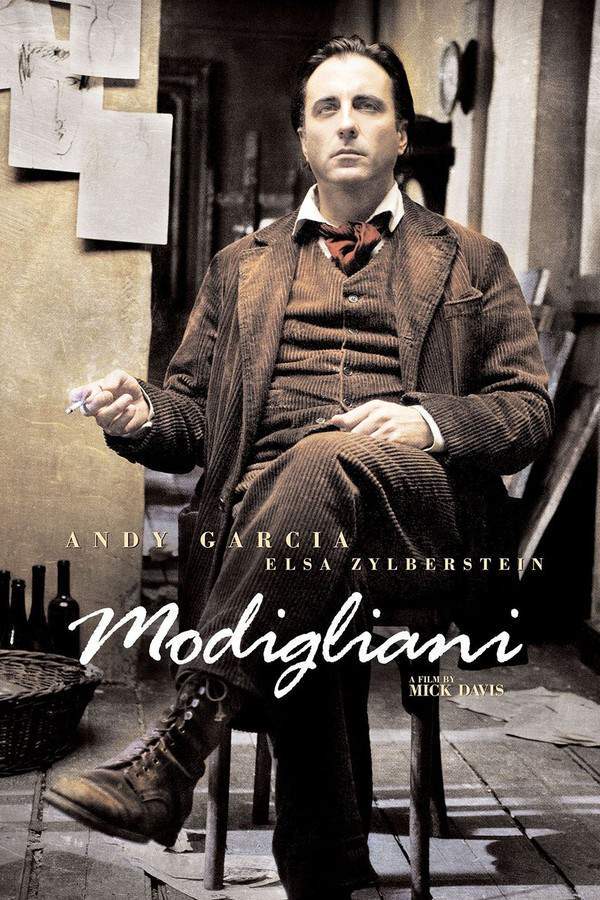
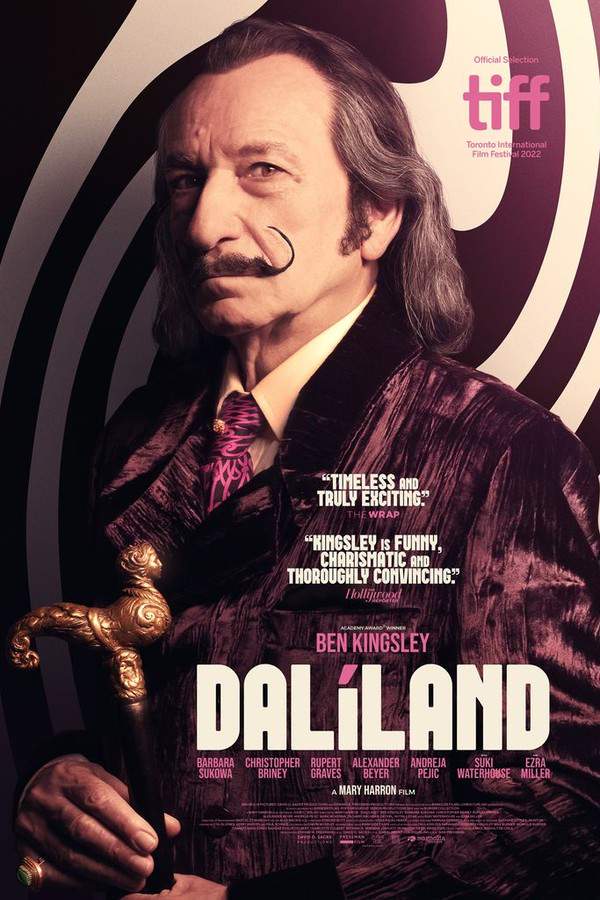
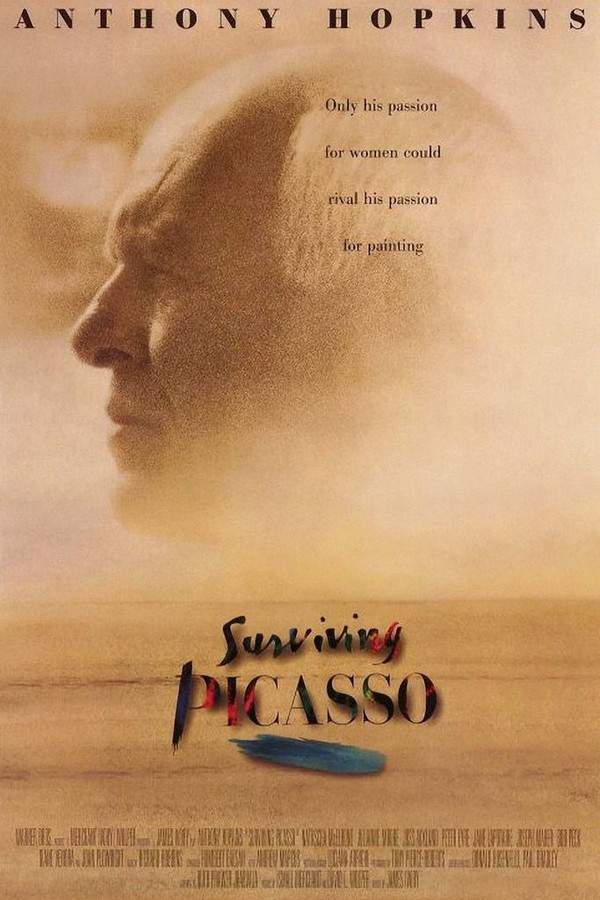


Featured on this page

What's After the Movie?
Not sure whether to stay after the credits? Find out!
Check out our other apps:

SAT Sphere
Build confidence for the Digital SAT.

Mori Atlas
Discover wild places worth protecting.

Luntero
Search smarter for a home in Amsterdam.

Plot Explained
Unravel movie endings and hidden clues.

Pokechamp
Dive into Pokémon data and battle logic.

Driving Theory
Get ready for your European theory test.

Movie Dust
Plan your next cinema trip with ease.

Musemap
Find art and culture as you travel.

Selkobase
Compare credentials before committing.

Local Manual
Turn an unfamiliar country into practical next steps.

Lernavi
Compare school systems before your next move.

GymRoam
Find a workout stop wherever your plans take you.
Explore Our Movie Platform
New Movie Releases (2026)
Famous Movie Actors
Top Film Production Studios
Movie Plot Summaries & Endings
Major Movie Awards & Winners
Best Concert Films & Music Documentaries
Movie Collections and Curated Lists
© 2026 What's After the Movie. All rights reserved.
Privacy Policy