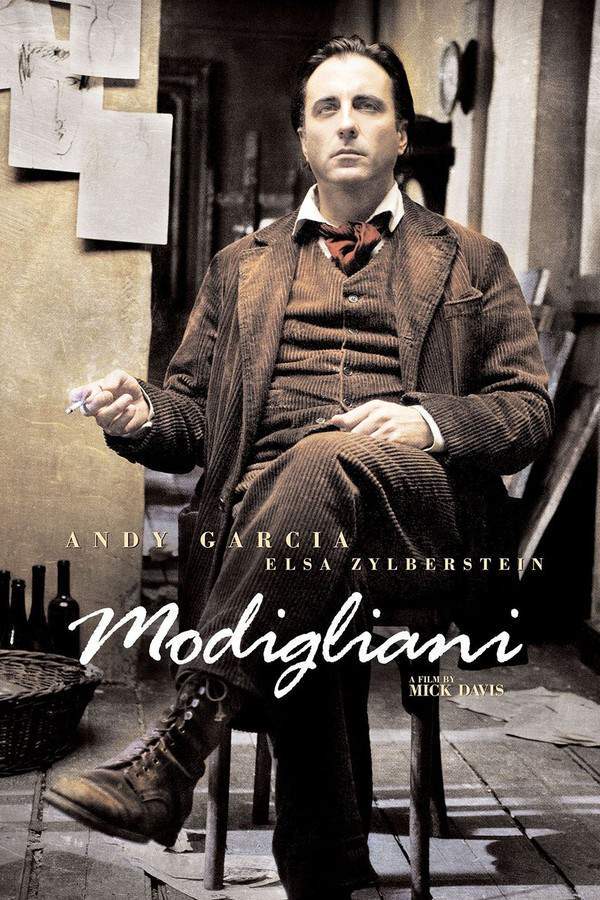
Modigliani 2005


Directed by
Mick Davis
Made by

Innovation Film Group (IFG)
Where to Watch Modigliani
See current US streaming, rental, and purchase options for Modigliani (2005) via JustWatch.

Amazon Prime Video
HD
Amazon Prime Video with Ads
HD
Fawesome
HD
Hoopla
SD
Kanopy
HD
Plex
HD
Plex Channel
HD
Pluto TV
SD
The Roku Channel
HD
Tubi TV
SD
Amazon Video
SD
Apple TV Store
HD
Fandango At Home
SD
Google Play Movies
SD
YouTube
SD Streaming availability powered by 
Modigliani Plot Summary
Read the complete plot summary and ending explained for Modigliani (2005). From turning points to emotional moments, uncover what really happened and why it matters.
Set in postwar Paris, 1919, this biopic follows the life of Italian artist Amedeo Modigliani as he moves through a city buzzing with art, ambition, and restless magnetism. The film centers on how his fierce talent collides with, and is tempered by, his relationship with Pablo Picasso, along with the magnetic pull of Jeanne Hébuterne, a young French Catholic woman who becomes the other half of his stormy world. The landscape of the narrative is as much about intimate longing as it is about the brutal realities of an artist’s life—economic hardship, fragile health, and the volatile social circles that fed and challenged them.
At the heart of the story is Modigliani’s love for Jeanne. Amedeo, an Italian Jew from Livorno, finds in Jeanne a kind of muse and complicating force—a love that brightens his work even as it exposes him to new vulnerabilities. Their bond is passionate but perilous, and it is complicated by Jeanne’s family background and the social constraints of the era. The couple’s hopes are tempered by hardship: a child is on the way, and Jeanne’s father’s stubborn prejudice casts a long shadow over their prospects. When the baby is sent away to a convent, intended to be raised by nuns, Modigliani is struck by grief and a mounting urgency to secure funds that would allow him to protect and raise his child.
To make ends meet, and to safeguard his nascent family, Modigliani becomes entangled in a city-wide art competition that promises prize money and a more secure career. The competition is presented as a crucible in which Paris’s most fearless artists push their craft to its limits. Both Modigliani and Picasso—each harboring doubts about entering a contest they view as beneath their genius—find themselves drawn into the event by the high stakes involved: the welfare of Modigliani’s child, and the possibility of cementing a lasting place in the annals of art. In a moment of desperation, and under the weight of drink and drugs, Modigliani signs up for the roster in a café that serves as a meeting ground for bohemian life. The act is not just a bold claim of his artistry; it becomes a personal vow to fight for his family’s future, a vow that also draws Picasso into the spectacle.
As the day of the competition approaches, the mood across Paris is electric. Modigliani pours his energy into a single painting, tethered to the image of Jeanne in a blue dress—the piece he intends to present as a testament to his love and his skill. He entrusts the work to his closest ally and confidant, Léopold Zborowski, who carries it to the exhibition while Modigliani himself faces a more intimate countdown: the moment at City Hall when he tries to secure a marriage license. The clerk, moved by a quiet belief in their humanity and the evidence of two potential lives growing in their wake, grants the license despite the late hour—a small, significant mercy that underscores the stubborn persistence of life amidst chaos. Modigliani’s celebration is tempered by worry, a sense that he has already gambled too much.
The moment of reckoning arrives as the evening darkens. In the fog of intoxication and nervy anticipation, he is accosted by two men in the café, who misread his supposed wealth and leave him beaten and abandoned in the snow. The brutality of the assault is not just a physical blow; it mirrors the precariousness of a life lived on the edge of poverty and fame. Yet the painting’s resilience remains apparent. When the day ends and the dust settles, Modigliani learns that his blue-dressed Jeanne-hued image has won the competition, surpassing even Picasso’s own cubist entry, a testament to a moment when his art spoke more loudly than any rivalry.
The triumph, however, is bittersweet. House calls, hospital rooms, and the concern of friends reveal that Modigliani’s body cannot sustain the strain of his addictions and his relentless pressure to create. He is taken by his peers to receive medical care, despite Jeanne’s protests, and his condition deteriorates. He passes away in the hospital, a death that is as much a product of circumstance as of genius. In the wake of his death, Jeanne, unable to cope with the loss and the life they might have built together, dies by falling from a window. The lovers’ ashes are laid to rest side by side, along with the unborn child, a final testament to a love that burned intensely and briefly within Paris’s maelstrom of art, desire, and survival.
Throughout the film, the atmosphere of Paris—its narrow streets, its smoky cafes, and its feverish artistic energy—serves as a vivid backdrop to a deeply human story. The narrative treats Modigliani’s life with a measured, neutral tone, presenting the emotional highs and lows without melodrama, and it provides a clear window into the sacrifices artists make when their visions clash with the harsher demands of life. The result is a portrait that honors both the genius of Modigliani and the human cost of chasing art in a world where fame can be as precarious as a fragile life.
Modigliani Timeline
Follow the complete movie timeline of Modigliani (2005) with every major event in chronological order. Great for understanding complex plots and story progression.
Modigliani arrives in Paris and enters the artistic milieu
Amedeo Modigliani arrives in Paris in 1919 and enters the city's intense artistic milieu. He begins a life among painters who push boundaries, including a public rivalry with Pablo Picasso. The film frames their relationship as a central thread of his life in Paris.
Love at first sight: Jeanne Hébuterne
Modigliani falls in love with Jeanne Hébuterne, a young French Catholic woman. Their relationship brings tenderness amid social tensions and artistic ambition. The couple envisions a future together even as hardship looms.
Jeanne's baby is sent to a convent
Jeanne becomes pregnant and the couple welcome a child into their precarious world. Jeanne's father, biased and protective, arranges for the baby to be raised by nuns in a distant convent. The separation deepens Modigliani's heartbreak and resolve.
Money trouble and the decision to enter the competition
Desperate for money to rescue and raise his child, Modigliani sees the annual Paris art competition as a possible lifeline. The prize promises security and status, even as the artist flirts with risk and self-destruction. He is driven by love, pride, and the lure of fame.
The drunken signing at the café
In a crowded café, Modigliani signs up for the competition while under the influence of alcohol. The moment entwines his fate with Picasso and the public spectacle of rivalry. The act marks a turning point where private passion meets public validation.
He finishes the painting and safeguards it
Having completed his painting, Modigliani entrusts it to Léopold Zborowski to carry to the competition and guard against interference. He then hurries home to secure a marriage license, hoping for stability for Jeanne and their child. The painting becomes the centerpiece he fights to protect.
Marriage license pursuit
Modigliani rushes to City Hall to obtain a marriage license before the competition starts. Although the office is about to close, the clerk agrees to issue the license on compassionate grounds, citing his art and upcoming family. This bureaucratic mercy clashes with the intensity of his artistic hunger.
Beating, loss, and assault
Realizing he is late, he leaves the café without paying. Two men who suspect he has money follow him and assault him, leaving him bloodied and abandoned in the snow. The brutal incident underscores the fragility of an artist’s life in a city hungry for success.
Artistic victory: the blue dress painting wins
Despite the beating, Modigliani's entry—a painting of Jeanne in a blue dress—wins the competition, outperforming Picasso’s cubist portrait titled Modigliani. The victory shocks Paris’s art world and elevates his reputation, even as danger and pain linger. He makes it home with the prize in hand.
Return home and hospital care
Jeanne tends his wounds at home, but his condition worsens. Friends realize he needs urgent medical care and rush him to a hospital. The combination of addiction and injuries culminates in a tragic decline.
Death in hospital
Modigliani dies in the hospital, leaving Jeanne and friends to grieve the loss. The film underscores the toll of poverty, addiction, and artistic fever on a brilliant life. His death marks the end of a volatile chapter in Paris's art scene.
Jeanne's suicide
Grief-stricken by his death, Jeanne Hébuterne commits suicide by leaping from a window. Her act deepens the tragedy that surrounds their life together. She and Modigliani are buried beside their unborn child.
Burial together
Jeanne and Amedeo Modigliani are laid to rest together in the same grave, symbolizing the intertwined fate of their love and art. The grave becomes a quiet memorial to a life spent chasing beauty amid hardship. The unborn child lies with them in memory.
Modigliani Characters
Explore all characters from Modigliani (2005). Get detailed profiles with their roles, arcs, and key relationships explained.
Amedeo Modigliani
Amedeo Modigliani is depicted as a fiercely dedicated artist whose talent is matched by his vulnerability and addiction. From Livorno to Paris, he carries personal and financial burdens that threaten his ability to care for Jeanne and their child. Driven by a stubborn belief in his own genius, he enters the Paris art competition in a desperate bid for recognition and support.
Pablo Picasso
Pablo Picasso is portrayed as Modigliani’s rival in the Paris art scene, a figure of formidable talent and ego. His presence heightens the stakes of the competition and the artistic dialogue of the era. While a rival, the film hints at mutual respect and a shared hunger for breakthroughs.
Jeanne Hébuterne
Jeanne is Modigliani’s lover and mother-to-be who embodies devotion and vulnerability. Their relationship navigates the tensions between love, faith, and societal expectations in postwar Paris. Her eventual fate amplifies the film’s meditation on the costs of art and passion.
Léopold Zborowski
Léopold Zborowski is Modigliani's friend and agent, a conduit to the Paris market and the logistics of his career. His support helps move Modigliani’s work from the studio to the competition, serving as both ally and organizer. His role highlights the collaboration between artist and manager in the Paris art scene.
Modigliani Settings
Learn where and when Modigliani (2005) takes place. Explore the film’s settings, era, and how they shape the narrative.
Time period
1919
Postwar Paris provides the backdrop for Modigliani’s fraught ascent and the explosive energy of the avant-garde scene. The city’s studios, salons, and the competing art world illustrate the era’s tensions between tradition and modernism. Personal stakes—love, family, addiction, and the will to survive—anchor the period’s dramatic arc.
Location
Paris, France
Set in Paris, France, in 1919, the film captures the bohemian atmosphere of the city’s art districts. The story follows Italian artist Amedeo Modigliani and his circle, including rival Pablo Picasso, as they navigate love, poverty, and creative ambition. Key locations range from bustling cafés to the City Hall, where a race against time and fate unfolds.
Modigliani Themes
Discover the main themes in Modigliani (2005). Analyze the deeper meanings, emotional layers, and social commentary behind the film.
🎨
Artistic Rivalry
Modigliani’s drive to create a masterpiece in a competitive Paris art world is tested by his rivalry with Picasso. The film shows how artistry can become a public duel, where pride and careful craft collide with personal need. Entering the competition, he gambles with his health and finances, hoping victory would secure his child’s future. Even when he wins, the price is steep, exposing the fragility of artistic genius under commercial pressure.
💔
Love and Loss
Jeanne Hébuterne’s love for Modigliani anchors the story amid social barriers and personal danger. Their relationship intensifies as they face poverty, the threat of scandal, and the heartbreak of an unborn child. Jeanne’s later tragedy and Modigliani’s death compound the film’s exploration of passion and mortality. From tenderness to catastrophe, the romance drives both character development and the narrative’s emotional core.
⚰️
Mortality and Fate
Death hangs over Modigliani and Jeanne, with Modigliani dying in hospital and Jeanne choosing to end her life. The film frames these losses as the culmination of a precarious life lived between hunger, addiction, and artistic aspiration. Their shared burial alongside the unborn child marks a tragic, enduring legacy of love and art.

Coming soon on iOS and Android
The Plot Explained Mobile App
From blockbusters to hidden gems — dive into movie stories anytime, anywhere. Save your favorites, discover plots faster, and never miss a twist again.
Sign up to be the first to know when we launch. Your email stays private — always.
Explore the mobile appModigliani Spoiler-Free Summary
Discover the spoiler-free summary of Modigliani (2005). Get a concise overview without any spoilers.
In the neon‑lit cafés and rain‑slicked alleys of post‑war Paris, the city itself hums with an electric mix of ambition, creativity, and desperation. The roaring 1920s art scene is a restless crucible where avant‑garde ideas clash with the harsh realities of poverty, and where fame can rise as quickly as it can evaporate. Within this feverish backdrop, the legendary brushstrokes of Pablo Picasso dominate the conversation, casting long shadows that both inspire and intimidate those who dare to carve their own path.
Enter Amedeo Modigliani, an Italian expatriate whose raw talent is matched only by his turbulent inner life. Haunted by professional setbacks and the weight of his cultural heritage, he seeks refuge in the solitary act of painting and sculpting, where each line becomes a confession. A fragile but fierce love blooms with Jeanne Hébuterne, a young French woman whose presence fuels his artistic fire and deepens his vulnerabilities. Their relationship, forbidden and passionate, becomes a silent pact that drives him to create works that echo both yearning and defiance.
Against this intimate turmoil, the promise of a city‑wide art competition looms like a beacon and a threat. The prize offers a tantalizing chance at recognition and financial stability, yet entering the contest forces Amedeo to confront his doubts, his addictions, and the ever‑present specter of societal judgment. The tension between personal sacrifice and artistic integrity threads through every interaction, setting a tone that is both gritty and lyrical—a portrait of an artist striving to reconcile love, ambition, and survival in a world where every masterpiece is a gamble.
Movies with Similar Twists and Themes
Uncover films that echo the narrative beats, emotional arcs, or dramatic twists of the one you're exploring. These recommendations are handpicked based on story depth, thematic resonance, and spoiler-worthy moments — perfect for fans who crave more of the same intrigue.
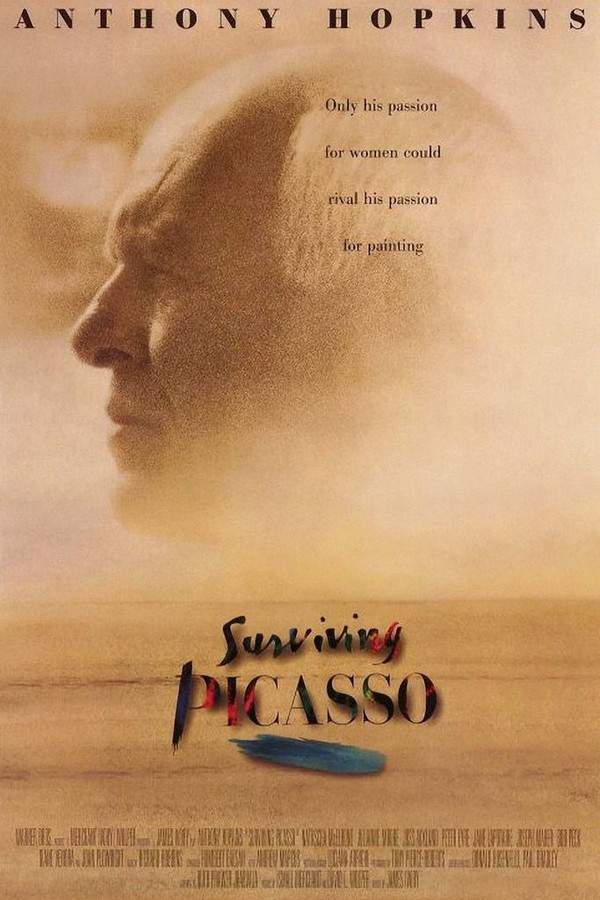
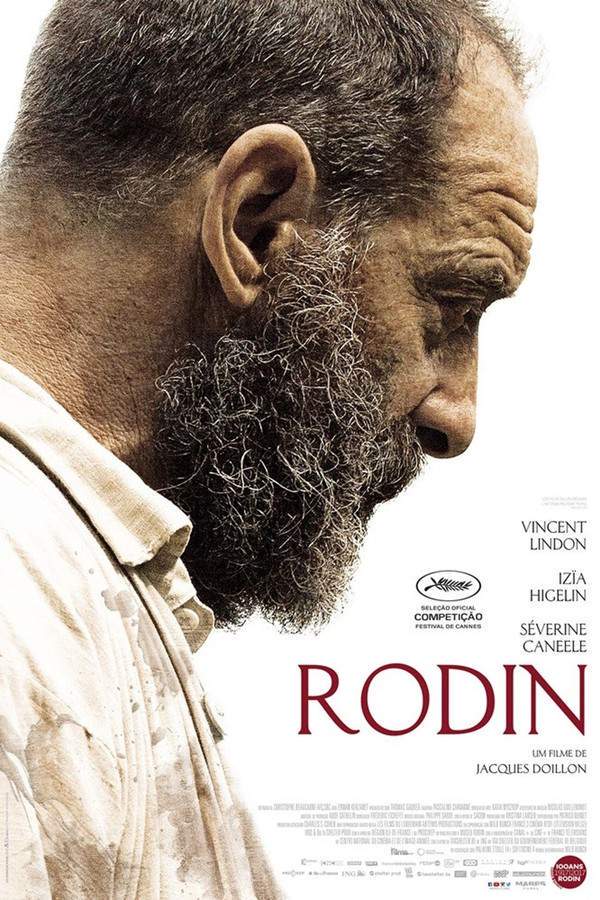


Featured on this page

What's After the Movie?
Not sure whether to stay after the credits? Find out!
Check out our other apps:

SAT Sphere
Build confidence for the Digital SAT.

Mori Atlas
Discover wild places worth protecting.

Luntero
Search smarter for a home in Amsterdam.

Plot Explained
Unravel movie endings and hidden clues.

Pokechamp
Dive into Pokémon data and battle logic.

Driving Theory
Get ready for your European theory test.

Movie Dust
Plan your next cinema trip with ease.

Musemap
Find art and culture as you travel.

Selkobase
Compare credentials before committing.

Local Manual
Turn an unfamiliar country into practical next steps.

Lernavi
Compare school systems before your next move.

GymRoam
Find a workout stop wherever your plans take you.
Explore Our Movie Platform
New Movie Releases (2026)
Famous Movie Actors
Top Film Production Studios
Movie Plot Summaries & Endings
Major Movie Awards & Winners
Best Concert Films & Music Documentaries
Movie Collections and Curated Lists
© 2026 What's After the Movie. All rights reserved.
Privacy Policy