

That Cold Day in the Park 1969

Directed by
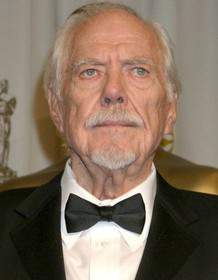
Robert Altman
Made by

Factor-Altman-Mirell Films
That Cold Day in the Park Plot Summary
Read the complete plot summary and ending explained for That Cold Day in the Park (1969). From turning points to emotional moments, uncover what really happened and why it matters.
Frances Austen, Sandy Dennis, inherits her late parents’ Vancouver apartment and soon spots a quiet, nineteen-year-old boy sitting in the rain outside a nearby park. He does not speak, yet there’s a sense that he understands more than words can convey. Frances brings him inside, runs a bath, serves a warm meal, and offers a bed in her spare room, quietly locking the door when night falls. The next day, she buys him fresh clothes, setting a careful boundary around their budding routine.
That night the boy slips away, briefly visiting his parents and younger siblings, then heads to a houseboat owned by his older sister Nina, Susanne Benton. He shares what happened with Nina and her boyfriend Nick, David Garfield. Although the boy can speak, Nina explains that he often chooses silence. The three of them exchange cookies—homemade by Nina—that secretly contain cannabis, a detail neither Frances nor her visitor seems to notice as the atmosphere grows more intimate.
The following day, the boy returns with more of the same cookies and unexpectedly encounters Frances’ maid. Mrs. Parnell. Frances welcomes him again and tells Mrs. Parnell to leave early. The cookies are burnt, yet Frances opens an expensive bottle of wine to accompany them; the true nature of the treats escapes them both. Frances becomes absorbed in one-sided conversations and playful flirting with the boy, developing a growing attachment that unsettles the quiet balance she has tried to maintain.
The next morning Frances must go out and will not return until evening. While she’s away, Nina slips in through the spare-room window, takes a bath, and pulls her half-dressed brother into the water. Frances has had a contraceptive diaphragm fitted at a local clinic and later joins a lawn bowls outing with friends significantly older than herself. A doctor from the group, Charles, offers romantic and sexual advances when she returns home, but she rejects him, insisting that she is not attracted to him.
Back in the dark spare room, a shape under the bedclothes appears. Frances speaks to the boy about Charles, explaining that he has long desired her, while she repeats that she is not drawn to him, that he smells old and repels her. Eventually she lies down and asks the boy to make love to her, only to discover that no one else is there—the supposed companion is merely a bundle of dolls and stuffed toys.
The boy slips back to his room and finds all doors and windows nailed shut. Frances apologizes, but insists that she wants things to stay as they are, leaving him imprisoned as she goes out to a bar. She spots a woman sitting alone and invites her to spend the night with the boy, but the woman grows unsettled. A bystander helps Frances locate a prostitute named Sylvia, Luana Anders, at a nearby diner. Frances brings Sylvia home and locks her in the room with the boy, then listens at the door as they have sex. Overcome with emotion, Frances enters the room and stabs Sylvia through the heart.
The boy desperately searches for an exit, but Frances reassures him that he can stay with her and need not fear. As the credits roll, she kisses him repeatedly and tells him she wants him to make love to her while he remains in a horrified state.
That Cold Day in the Park Timeline
Follow the complete movie timeline of That Cold Day in the Park (1969) with every major event in chronological order. Great for understanding complex plots and story progression.
Frances discovers a mute boy in the park and brings him home
Frances notices a nineteen-year-old boy sitting in the rain in a nearby park and invites him inside her Vancouver apartment. She runs a bath for him and provides a meal, treating him with quiet care. The boy does not speak, but he seems to understand her, so she decides to shelter him.
The boy is kept safe in the spare room for the night
Frances prepares a bed in the spare room and spends time with the boy. When night falls, she quietly locks the door to keep him inside. The boy remains passive, conveying compliance rather than distress.
Frances buys the boy new clothes
The next day Frances goes out to buy him new clothes, treating him as someone she wants to care for. Her protective instinct grows, and she becomes more attached. The boy continues to be silent, though his gaze follows her.
The boy slips away, visits his family, then reaches Nina's houseboat
That night the boy slips away through the spare room window to visit his parents and younger siblings. Afterwards he goes to Nina's houseboat to seek refuge and explain what happened. He remains coherent when with Nina and Nick, hinting at his ability to speak when not with Frances.
Nina explains his tendency to go mute and shares cannabis cookies
Nina explains to Nick and the boy that he can speak but often goes mute around people. They share homemade cookies baked with cannabis, and the mood lightens as they become affectionate toward him.
Frances invites the boy back in and meets Mrs. Parnell
The next day the boy returns bearing more cookies, and Frances invites him inside. Mrs. Parnell, Frances's maid, remarks that the cookies are burnt, but Frances opens an expensive bottle of wine to accompany them. The moment deepens Frances's attachment toward him.
Frances flirts with the boy during a growing attachment
Frances engages in one-sided conversations and begins flirting with him, enjoying his quiet attention. The growing closeness feels intimate yet unsettling as she projects her desires onto him.
Frances goes out; Nina enters the spare room and interacts with the boy
That evening Frances leaves to join friends at a lawn bowls gathering. In her absence, Nina enters via the spare room window, takes a bath, and pulls her half-dressed brother into the water. The boundary between care and intrusion becomes blurred.
Charles the doctor visits and pursues Frances
During the day, Frances gets a contraceptive diaphragm at a local clinic and returns with friends. Charles, a doctor from the group, accompanies her home and makes romantic and sexual advances toward her. She refuses him, calling him old and unappealing, and he leaves.
Frances reveals Charles to the boy and toys with a doll-filled bed
Back in the spare room, Frances tells the boy about Charles’s persistence. For years he has wanted to make love to her, but she insists she’s not attracted to him. She lies down and asks the boy to have sex with her, only to discover that no one else is there and the shape under the bed is made of dolls.
Frances traps the boy by nailing doors and windows shut
The boy wakes to find all doors and windows nailed shut, effectively trapping him inside. Frances apologizes but insists that she wants things to stay as they are, then leaves to go to a bar. The sense of confinement and control tightens around him.
Frances tries to bring in another companion and a confrontation follows
Frances notices a woman sitting alone and invites her to spend the night with the boy, but the woman becomes upset. The scene heightens the sense that Frances will not relinquish control, regardless of the consequences.
Frances locates Sylvia the prostitute at a diner
A man overhears and helps Frances find Sylvia, a prostitute, at a nearby diner. The discovery sets in motion Frances's plan to keep the boy contained and unchallenged.
Frances locks Sylvia in the room and then stabs her
Frances locks Sylvia in the spare room with the boy and listens through the door as they have sex. She bursts in and stabs Sylvia through the heart, killing her. The boy is left desperate to escape but finds no easy exit.
Final moment: Frances kisses the boy and demands he stay
As the credits roll, Frances kisses the boy repeatedly and tells him she wants him to make love to her while he remains in a horrified state. The film ends with her holding him in a tense, controlling embrace, blurring the line between guardian and captor.
That Cold Day in the Park Characters
Explore all characters from That Cold Day in the Park (1969). Get detailed profiles with their roles, arcs, and key relationships explained.
Frances Austen (Sandy Dennis)
Frances is a lonely woman who inherits her late parents' Vancouver apartment and seeks connection through care that gradually becomes controlling. She invites the mute boy into her home and forms a rising attachment, speaking for him and shaping his life. Her actions cross from nurturing to possessive, culminating in a dangerous intrusion into another's autonomy.
Nina (Susanne Benton)
Nina is Frances's older sister who lives on a houseboat and participates in the makeshift arrangement with the boy. She shares cannabis-laced cookies with them and provides a sense of camaraderie within the morally murky plan. She acts as a catalyst and accomplice, blurring lines between sisterly loyalty and reckless curiosity.
The Boy (Michael Burns)
A nineteen-year-old who can speak but often chooses to be mute, he becomes the focal point of Frances's attachment. He moves between rooms and spaces with a calm, observant presence, acting as a catalyst for the adults' actions. His nonverbal moments heighten tension and reveal the fragility of consent within the escalating situation.
Nick (David Garfield)
Nina's boyfriend, Nick is an adult presence who becomes aware of the boy's situation and interacts with Frances and Nina. He serves as a witness to the evolving dynamic and participates in the broader social circle surrounding Frances. His responses anchor the group’s moral ambiguity and complicate Frances's attempts at control.
Sylvia (Luana Anders)
Sylvia is a prostitute recruited into the boy's room, becoming a victim of Frances's escalating actions. Her presence intensifies the film's examination of vulnerability and exploitation. The act of violence against her marks a brutal turning point in Frances's manipulation of others.
Dr. Stevenson (Edward Greenhalgh)
A doctor from Frances's social circle who accompanies her at one point and makes romantic advances, highlighting the theme of aging desire and inappropriate pursuit. His presence underscores the broader social pressures and the complexity of relationships in Frances's world.
That Cold Day in the Park Settings
Learn where and when That Cold Day in the Park (1969) takes place. Explore the film’s settings, era, and how they shape the narrative.
Location
Vancouver apartment, city park, Nina's houseboat, bar, diner, family planning clinic
The story unfolds primarily in a Vancouver apartment inherited by Frances, which becomes both sanctuary and prison. A nearby city park is where the mute boy first appears in the rain, acting as the inciting incident. Nina's houseboat provides a second domestic space for the trio's schemes and conversations. Social spaces like a bar, a diner, and a family planning clinic punctuate the narrative, revealing different facets of urban life the characters navigate.
That Cold Day in the Park Themes
Discover the main themes in That Cold Day in the Park (1969). Analyze the deeper meanings, emotional layers, and social commentary behind the film.
🪤
Obsession
Frances's care evolves into fixation as she tries to control the boy's life and his interactions with others. The line between compassion and possession blurs as she creates barriers to keep him close. The boy's presence becomes a mirror for Frances's unmet needs and loneliness. The film uses this obsession to critique how caregiving can slip into manipulation.
🤐
Silence
Muteness and one-sided conversations create a world where words carry weight without reciprocation. The boy's silence and Frances's constant talking generate tension and miscommunication. Silence acts as both shield and tool, shaping power dynamics and accountability. Through this, the film examines how unspoken boundaries can have deadly consequences.
🗝️
Control
The characters seek to maintain an arrangement through confinement and surveillance—locking doors, policing space, and managing others' choices. Frances's insistence on keeping the status quo showcases the dangers of wielding power over someone else's autonomy. The dynamic culminates in violence, underscoring the grim outcomes of coercive behavior. The narrative uses this theme to question moral responsibility within intimate dependencies.

That Cold Day in the Park Spoiler-Free Summary
Discover the spoiler-free summary of That Cold Day in the Park (1969). Get a concise overview without any spoilers.
In a rain‑slick Vancouver neighborhood, the quiet lives of two strangers intersect beneath the overcast sky. Frances Austen, a well‑to‑do but profoundly isolated woman in her early thirties, has inherited a spacious apartment that feels more like a museum than a home. Her days are marked by a careful routine and the polite distance of a life lived in solitude, punctuated only by the occasional visit from a distant circle of acquaintances.
One drizzly evening, while watching the world from her window, Frances notices a teenage boy huddled on a park bench, mute and shivering. Compelled by a mixture of curiosity and compassion, she offers him shelter, drawing him into the warm confines of her meticulously kept apartment. The gesture sets a fragile rhythm: a bath, a simple meal, a spare room made available, and the slow, tentative attempts of two people to bridge a gap that words cannot easily cross.
As days turn into a delicate pattern of shared silences, Frances finds herself navigating an unfamiliar terrain of care and control. She becomes increasingly attuned to the boy’s unspoken needs, and the act of protecting him begins to echo the solitude she has long endured. The apartment, with its elegant furnishings and muted light, transforms into a space where ordinary gestures acquire an almost reverent intensity, and where the line between kindness and possession starts to blur.
The film unfolds in a mood that is both intimate and unsettling, blending quiet domesticity with an undercurrent of psychological tension. It invites the audience to linger on the small, ordinary moments that hint at deeper currents of desire, loneliness, and the fragile bonds that can form when two isolated souls unexpectedly meet.
Movies with Similar Twists and Themes
Uncover films that echo the narrative beats, emotional arcs, or dramatic twists of the one you're exploring. These recommendations are handpicked based on story depth, thematic resonance, and spoiler-worthy moments — perfect for fans who crave more of the same intrigue.




Featured on this page

What's After the Movie?
Not sure whether to stay after the credits? Find out!




Explore Our Movie Platform
New Movie Releases (2026)
Famous Movie Actors
Top Film Production Studios
Movie Plot Summaries & Endings
Major Movie Awards & Winners
Best Concert Films & Music Documentaries
Movie Collections and Curated Lists
© 2026 What's After the Movie. All rights reserved.