What Is Sitting Bull About?
The premise of Sitting Bull in 287 words, with nothing given away. The full story follows below.
In the rugged summer of 1876, the American frontier trembles under the weight of an uneasy peace. A swelling tide of mistrust surrounds the forts and the plains, where the ambitions of a famous cavalry commander clash with the resolve of a proud Sioux nation. The atmosphere is thick with the scent of gunpowder and the echo of ancient drums, setting a tone that is both starkly realistic and charged with looming tragedy.
Captain Robert Parrish arrives on the scene as a disciplined yet obstinate officer, haunted by his own reputation for single‑mindedness. Though he has risen quickly through the ranks, his blunt manner and contrary instincts have earned him both admiration and animosity. Caught between loyalty to his superiors and a growing empathy for the Sioux, he becomes an unlikely bridge between two worlds, hoping to defuse a storm that threatens to erupt into open conflict.
Chief Sitting Bull stands at the heart of this tension, a towering figure whose decisions are shaped by centuries of resistance and the immediate pressure of a relentless military advance. Forced by the hatred of General George Armstrong Custer, the chief must grapple with the possibility that peace may be impossible without bloodshed. The film paints his interior struggle with reverence, hinting at the weight of leadership when an entire people’s future hangs in the balance.
Against this backdrop, President Grant watches from Washington, his decisions echoing across the plains. When Parrish is accused of collaborating with the enemy, the stakes rise dramatically, prompting Sitting Bull to intervene on his behalf. The resulting diplomatic dance offers a glimpse of fragile hope amid an era defined by fear and misunderstanding, leaving the viewer poised on the edge of an inevitable confrontation.
What Happens in Sitting Bull?
The complete story of Sitting Bull, from the first scene to the last, in 455 words (about 2 minutes). Spoilers throughout. Names in the text link to 8 cast member pages.
Spoilers ahead
During mid-1876, Captain Robert Parrish, Dale Robertson, is portrayed as his own worst enemy, never quite a “team player.” A former one of the youngest colonels in the Union Army, he now commands a company under General George Armstrong Custer, Douglas Kennedy. His fiancée Kathy, Mary Murphy, daughter of Parrish’s commanding general, breaks off their engagement because he has not yet risen in rank.
Parrish’s blunt, confrontational approach earns him little sympathy among civilians when he chastises them and even threatens to “break heads” if they trespass on Sioux lands. Tensions escalate as the exasperated general—once a prospective father-in-law to Parrish—reassigns Parrish and his company to the Bureau of Indian Affairs. There, Parrish is outraged by how Native Americans are treated and refuses to carry out the Indian agent’s orders to shoot escaping charges.
He is court-martialed and travels to the Western frontier, where he visits his former commanding general—now President of the United States—Grant, John Hamilton, who demotes him to captain. The exchange spurs Parrish to push for peace rather than war. He convinces the President to come west to meet Sitting Bull and avert a larger conflict.
Back in the West, Parrish reconnects with Kathy, who has announced her engagement to Charles Wentworth, William Hopper, a former major who is now a war correspondent. Parrish’s mission expands as he works with captured Indians, including Sam, a former slave now among the Sioux, Joel Fluellen. Parrish meets with Sitting Bull, J. Carrol Naish, who agrees to meet the President in secret to discuss a possible path to peace. As conflicts with the Sioux escalate, Custer orders Parrish to guard supplies while the regiment moves out, and Sitting Bull’s scouts are killed, pushing the Sioux toward war.
The Battle of the Little Bighorn follows, devastating Custer’s command, wiping out many of his men and also eliminating Wentworth, Parrish’s rival in love. In the days after, Parrish attempts to befriend Sitting Bull and Crazy Horse, the Sioux leader played by Iron Eyes Cody, and guides the Sioux toward safety in the North. Parrish is then court-martialed again, stripped of his rank, and condemned to death by firing squad for treason. Sam warns Kathy that peace will be impossible if the Army carries out the execution, motivating her to appeal to Sitting Bull.
As the execution looms, Sitting Bull arrives at the fort with Kathy to plead with Grant. Parrish had told Sitting Bull that the Great Chief would understand, hoping for mercy. Grant, John Hamilton, intervenes and commutes the sentence. With the danger passed, Parrish is freed, and he and Kathy share a kiss. Sitting Bull raises his hand in salute and rides off with his people, leaving a fragile path toward reconciliation on the frontier.
Sitting Bull Timeline: Every Key Event in Order
13 key events in the order they happen, from “Parrish's reputation as a non-team player” to “Parrish freed, kiss with Kathy; Sitting Bull salutes and leaves”. 12 events name a place, across 11 locations.
- 1
Parrish's reputation as a non-team player
Mid-1876, Parrish is viewed by many as his own worst enemy for not being a team player. He is a confrontational US Cavalry officer whose ambition clashes with the expectations of his peers and superiors.
When:mid-1876 Where:Western frontier (U.S. Cavalry)
- 2
Kathy breaks off the engagement
Kathy, daughter of Parrish's commanding general, breaks off their engagement because he has not risen in rank. The personal setback reflects the clash between his military ambitions and their relationship.
When:1876
- 3
Reassignment to the Bureau of Indian Affairs
Parrish chastises civilians crossing Sioux lands and is reassigned to the Bureau of Indian Affairs. He becomes outraged by the treatment of the Indians and refuses to carry out orders to shoot his escaping charges, triggering conflict with his superiors.
When:1876 Where:Bureau of Indian Affairs / Western frontier
- 4
Court-martial and demotion to captain
Parrish faces a court-martial and travels to see his former commanding general, Ulysses S. Grant, who is now the President. Grant demotes him to captain, signaling a deep fall from his Civil War stature.
When:1876 Where:Washington, D.C.
- 5
Grant agrees to visit the frontier to meet Sitting Bull
Parrish persuades Grant to come to the Western frontier to meet Sitting Bull and help prevent a war. The plan hinges on high-level diplomacy crossing paths with Native American leadership.
When:1876 Where:Western frontier
- 6
Parrish returns West and meets Kathy again
Back in the West, Parrish encounters Kathy, who announces her engagement to Charles Wentworth, a former major and now a war correspondent. The reunion underscores the personal stakes shaping his military mission.
When:1876 Where:Western frontier
- 7
Parrish meets Sitting Bull; secret peace talks begin
Parrish meets Sitting Bull, who agrees to meet the President secretly. The Sioux leader signals a willingness to seek peace if diplomacy can avert open conflict.
When:1876 Where:Sitting Bull's camp (Western frontier)
- 8
Conflict escalates; Parrish guards supplies as war looms
Conflicts with the Sioux escalate as Custer leads his regiment out and Parrish is assigned to guard supplies. When Sitting Bull learns one of his scouts has been killed, he escalates toward war.
When:1876 Where:Frontier near the Little Bighorn vicinity
- 9
Battle of the Little Bighorn and aftershocks
The Battle of the Little Bighorn devastates Custer's command and kills Wentworth; Parrish then helps the Sioux find safety to the north, aiming to prevent further carnage.
When:June 1876 Where:Little Bighorn, Montana
- 10
Parrish is court-martialed again and sentenced to death
Parrish is court-martialed again, stripped of his rank, and sentenced to death by firing squad for treason. The sentence seems inevitable until political and diplomatic mercy surfaces.
When:1876 Where:Fort (military post)
Show the other 3 events of Sitting Bull Hide the last 3 events
- 11
Sam urges Kathy to seek Sitting Bull’s help
Sam tells Kathy that Native Americans will never make peace if the Army kills Parrish, prompting her to ask Sitting Bull to plead with Grant. The personal connection between Parrish and the Sioux becomes a potential path to mercy.
When:1876 Where:Fort / Sitting Bull’s camp
- 12
Sitting Bull pleads with Grant; the execution is halted
As the execution nears, Sitting Bull, guided by Kathy, arrives at the fort to speak with Grant. Parrish had believed mercy would be shown; Sitting Bull pleads for his life, and Grant commutes the sentence.
When:Right before execution, 1876 Where:Fort Grant
- 13
Parrish freed, kiss with Kathy; Sitting Bull salutes and leaves
Parrish is freed, and he and Kathy share a kiss as Sitting Bull salutes before riding off with his people. The closer resolves the personal and political tensions driving the frontier saga.
When:1876 Where:Fort / Western frontier
Who Are the Main Characters in Sitting Bull?
10 characters, among them Robert Parrish, Kathy Howell and Sitting Bull: who each one is and the part they play in the story. 9 of them link to the actor’s page.
- RP
Robert Parrish
A former Civil War colonel who now commands a company on the Western frontier. He is blunt, impatient with indiscipline, and wary of compromise when his code of honor is at stake. His strong sense of duty often puts him at odds with civilians, Indian agents, and even his superiors, yet he remains determined to avert greater bloodshed.
- ⚖️ Duty
- 🕊️ Mercy
- 🗡️ Conflict
- 💡 Reform
- KH
Kathy Howell
Played by Mary Murphy
Parrish’s fiancée and daughter of his commanding general; she breaks off the engagement citing his stalled promotion. She blends practical resolve with loyalty to her father’s command and grows increasingly aware of the human costs of war. Her choices drive Parrish toward humility and reconciliation.
- 💖 Love
- 🕊️ Loyalty
- 🧭 Moral Courage
-
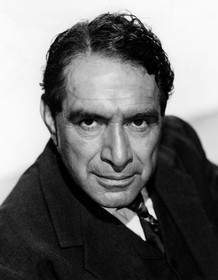
Sitting Bull
Played by J. Carrol Naish
A wary yet pragmatic leader who agrees to meet the President in secret to prevent a wider war. He weighs the costs of resistance against the risk of continued bloodshed, guiding his people with a mix of defiance and openness to negotiation.
- 🪶 Leadership
- 🕊️ Peace
- 🗺️ Strategy
- CH
Crazy Horse
Played by Iron Eyes Cody
A respected war leader who embodies Sioux resolve. He balances aggression with strategic caution, working with Parrish to protect his people in the aftermath of Custer’s defeat.
- ⚔️ Warrior
- 🧭 Strategy
- 🕊️ Mercy
- US
Ulysses S. Grant
Played by John Hamilton
Then-President of the United States, he is drawn into evaluating Parrish’s fate. His decision to commute the sentence demonstrates political weight and a willingness to show mercy amid frontier turmoil.
- 👔 Leadership
- 🦅 Politics
- 🗽 Mercy
- CW
Charles Wentworth
Played by William Hopper
Former major and now war correspondent, Wentworth is a rival to Parrish whose engagement with Kathy underscores competing loyalties. His presence and fate at Little Bighorn illustrate the personal costs of the conflict.
- 📰 Rivalry
- 🗡️ Conflict
- 💔 Loss
- S
Sam
Played by Joel Fluellen
An enslaved man who has become Sioux, he assists Parrish by offering a deeper perspective on identity and belonging amid the frontier clash. His insight helps bridge gaps between two warring worlds.
- 🧭 Identity
- 🕊️ Ally
- 🌾 Resilience
-
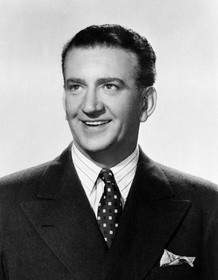
General Wilford Howell
Played by John Litel
Kathy’s father and Parrish’s commanding general; he enforces discipline and navigates shifts in command as Parrish’s actions provoke a reevaluation of strategy. He embodies military authority and family ties on the frontier.
- 👔 Authority
- 🧭 Duty
- 💔 Family
- W
Webber
Played by Thomas Browne Henry
A supporting officer who navigates bureaucratic channels and confronts Parrish’s freewheeling approach to frontier governance. His stance highlights the friction between policy and action.
- 🗂️ Bureaucracy
- 🛡️ Duty
- 🕊️ Mercy
- CC
Colonel Custer
Played by Douglas Kennedy
A prominent commander whose campaigns shape the frontier’s fate. His leadership style catalyzes events with lasting consequences for both the Army and the Sioux.
- 🪖 Leadership
- ⚡ Boldness
- 🕊️ Fate
Where and When Is Sitting Bull Set?
Sitting Bull is set in Western frontier, Sioux lands, Little Bighorn region and frontier forts (1876). Here is why the time and place matter to the story.
When
1876
Set in the summer of 1876, during the height of the Great Sioux War. The period is defined by military campaigns, political calculations, and urgent attempts to avoid further bloodshed. The Battle of the Little Bighorn provides a climactic backdrop to the personal and political drama that unfolds on the frontier.
Where
Western frontier, Sioux lands, Little Bighorn region, frontier forts
The story unfolds on the American Western frontier, with key events centered around Sioux lands and U.S. Army outposts. Settings shift between military forts, frontier camps, and the plains where orders, diplomacy, and clashes unfold. The landscape underscores themes of power, negotiation, and survival amid a volatile confrontation between the U.S. government and Native nations.
- 🏜️ Frontier
- 🪶 Sioux Lands
- 🏰 Forts
- 🗺️ Little Bighorn Region
What Are the Themes of Sitting Bull?
3 ideas the story keeps returning to, among them Duty vs Morality, War and Peace and Redemption.
-
01
Duty vs Morality
Parrish constantly weighs strict military obedience against his own conscience when orders threaten civilians. The story tests whether personal integrity can override institutional expectations. It explores how far a soldier should go to prevent harm while still upholding duty.
-
02
War and Peace
Tensions between the Army and Sioux nations reveal the fragility of truces in a climate of vendetta and power. Negotiations with Sitting Bull and the President highlight the difficulty of achieving lasting peace. Mercy and restraint emerge as possible paths to avert further slaughter.
-
03
Redemption
Parrish’s fall-from-grace arc culminates in a life-or-death reprieve that reframes his loyalty and purpose. The pleas of Sitting Bull and Kathy catalyze his second chance, showing how mercy can alter a hardened path. The narrative suggests that forgiveness can redefine a troubled legacy.
What Kind of Film Is Sitting Bull?
Tense in tone, with steady pacing and a moderate story, going by the plot summary.
- Tone
- Tense
- Pacing
- Steady
- Story
- Moderate
- Intensity
- High
- Ending
- Bittersweet
A tense and morally conflicted Western that builds steadily towards a tragic historical battle, balancing grim depictions of frontier violence with a weary but persistent hope for peace and reconciliation.
- tense
- grim
- hopeful
- somber
- urgent
- conflicted
- native american rights
- military justice
- forbidden peace
- historical tragedy
Content notes: war violence, mass death in battle, execution by firing squad, systemic oppression, racial conflict.
Quiz
How well do you remember Sitting Bull? Test yourself on the story.