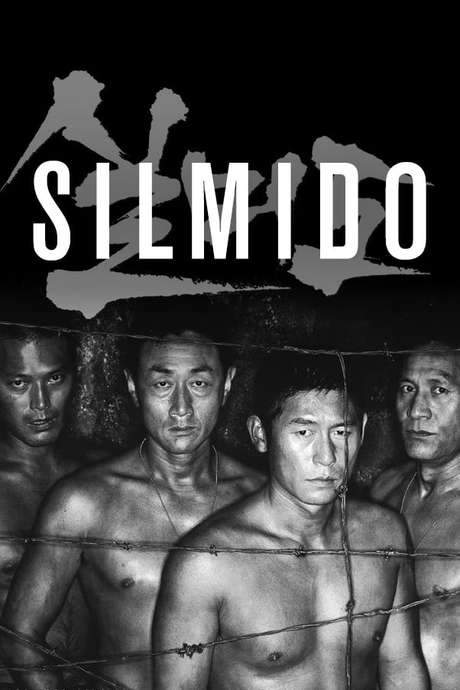


Silmido Plot Summary
Read the complete plot summary and ending explained for Silmido (2003). From turning points to emotional moments, uncover what really happened and why it matters.
On 21 January 1968, 31 North Korean commandos from Unit 124 infiltrated South Korea in a failed mission to assassinate President Park Chung Hee. In response, the Republic of Korea Armed Forces assemble a shadowy group of 31 social outcasts, including criminals on death row and life imprisonment, drawing them into a plan designed to strike at the North from the South’s own soil. This unlikely unit is designated Unit 684, a name that will come to symbolize both desperate courage and the perilous costs of extreme loyalty. The recruits are transported to the isolated island of Silmido, where the promise of redemption and a new life becomes their only compass as they begin an arduous and often brutal training regime.
The training unfolds as a relentless gauntlet, testing bodies and spirits alike. They endure grueling physical workouts, punishing drills, and harsh discipline that leaves little room for error or hesitation. The instructors push them to the edge, and the recruits press back with stubborn resolve, clinging to the idea that this brutal path could be the difference between a future of obscurity and a chance at freedom. Some moments are starkly brutal, including acts of branding and accidents that underscore the thin line between discipline and cruelty. The toll isn’t just physical: the sense of identity frays as each man confronts the urge to give up or betray the unit’s shared mission. One recruit pays the ultimate price during a dangerous ropes course when tragedy cuts through the camp.
After months of conditioning, the unit is sent to North Korea with the aim of carrying out the covert operation that could reshape their fates. Yet the mission is abruptly recalled when the government pivots toward a policy of peaceful reconciliation with the North. The sense of purpose that had sustained them frays as they return to Silmido, discouraged and embittered by the reversal of fortune. The retreat into a shadowed existence leaves the men vulnerable to frustration and anger, and tensions simmer beneath the surface of the disciplined façade they once wore so firmly. In the wake of this disappointment, two members seize an opportunity to escape from the barracks. Their actions take a dark turn as they rape a female doctor, a brutality quickly discovered and judged by the camp as a fatal blow to the unit’s integrity. The escapees are confronted, and a violent chain of retaliation unfolds: one of the escapees is killed, and the other is driven to a suicide pact that is never fulfilled when the guard seizes the moment to intervene. In the aftermath, a tense scene unfolds where a guard, wounded and enraged, is killed by a fellow unit member who seizes a weapon in a moment of rage, highlighting how quickly personal honor can collide with collective duty.
What follows is a chilling, calculated decision by the South Korean Central Intelligence Agency to erase Unit 684 from the record entirely. The order is stark: the entire unit must be eliminated to prevent any chance that the mission could be traced back to official channels or reinterpreted as a heroic spy operation. The unit’s commander, torn between his professional duty and a sense of personal honor, defies the order in a calculated act of disclosure. He leaks information to one of the Unit 684 members, a move that crystallizes the sense of impending danger and betrayal that already hangs over their heads. With the truth hanging in the balance, the unit reads the writing on the wall and realizes they are marked men, fated to be killed in a nighttime purge that would erase them from history.
In the resulting narrative of mutiny and escape, the majority of Unit 684 retaliate against the guards and seize control in a desperate bid for freedom. They learn a stark truth: legally they do not exist, and they would never receive recognition for their mission—nor even be permitted to return to civilian life—if their plan ever came to light. This realization hardens their resolve to escape the island and tell their story to the world. They seize a bus carrying civilians and propel themselves toward Seoul, a dramatic and dangerous journey that culminates in a publicized confrontation. A radio announcement dubs them “armed communist agents,” triggering a state of emergency as they push through an army roadblock and engage in a firefight that leaves both sides bloodied and the city’s nerves frayed. The bus becomes a battlefield, and the civilians on board become unintended collateral in a struggle that reflects the broader costs of clandestine operations and wartime politics.
As the confrontation unfolds, the surviving Unit 684 members choose to release the civilian hostages, a decision born of a mix of pragmatism and a dawning recognition of what innocence they have already harmed. The remaining combatants then seal their fates with suicide by hand grenades, a grim act that marks the end of an extraordinary, controversial mission. In the aftermath, an official investigation is conducted, but the report is never read by the public or fully acknowledged by the state; it is quietly filed away, a silent testament to the complexities and cover-ups that often accompany high-stakes covert operations.
This tale, rooted in real historical tensions, traverses themes of redemption, loyalty, and the moral fractures that arise when a nation balances national security against the humanity of those who volunteer—or are coerced—to be its last line of defense. It offers a stark meditation on how a government’s past decisions can reverberate through the lives of men who believed they were stepping into a brighter future, only to discover that the path they chose was built on shadows, secrecy, and sacrifice.
Silmido Timeline
Follow the complete movie timeline of Silmido (2003) with every major event in chronological order. Great for understanding complex plots and story progression.
Infiltration of South Korea by Unit 124
On 21 January 1968, 31 North Korean commandos of Unit 124 infiltrated South Korea in a failed mission to assassinate President Park Chung Hee. The operation provokes a sharp state response and intensifies cross-border tension. This event sets the stage for a retaliatory plan against North Korea.
Formation of Unit 684
In retaliation, the Republic of Korea Armed Forces assemble 31 social outcasts, including criminals on death row and life imprisonment, to form Unit 684. The recruits are promised redemption and a new life if they succeed. The mission is framed as a means to exact revenge on North Korea.
Training on Silmido
The recruits are taken to Silmido for months of grueling training, enduring harsh drills and brutal discipline. They face harsh conditions, including branding, aimed at building loyalty and readiness. The training is designed to turn out a formidable, undaunted unit.
Death during training
Near the end of training, one recruit dies after a fall from a ropes course, underscoring the lethal stakes of Unit 684's preparation. The loss reverberates through the camp and magnifies the intensity of the program. The incident foreshadows the heavy human cost of the mission.
Deployment and recall
At the culmination of training, the unit is dispatched toward North Korea, but is recalled shortly after departure as diplomatic efforts intensify. The sudden change leaves the men questioning the truth of their redemption and the value of their sacrifices. The mission is effectively canceled before it begins.
Return to Silmido
The mission is canceled; the unit returns to Silmido discouraged and frustrated by the government's abrupt shift in policy. The recruits confront a grim reality: their loyalty has not earned them freedom, and their purpose remains unresolved. Tension and resentment grow within the ranks.
Escape and assault on a doctor
Two Unit 684 members escape from their barracks and rape a female doctor, triggering immediate punitive attention. The breach reveals systemic flaws within the unit’s control and the brutal reality of the training environment. The incident heightens paranoia and fear among the soldiers.
Suicide pact and aftermath
Believing execution is imminent, the two escapees attempt suicide; one kills the other at his partner's request before being stopped. The surviving prisoner is captured and returned to camp, where he is forced to witness guards beating fellow Unit 684 members for betrayal. The punishment deepens the cycle of anger and desperation.
Mutiny plan and leak
The unit’s commander, torn by orders to eliminate them, leaks information about the plan to kill Unit 684 to one member. The revelation fuels mutinous talk as the unit realizes they are expendable and not eligible for recognition. This moment crystallizes the collapse of secure command and loyalty.
Mutiny and guard deaths
Fearing a night of execution, the unit mutinies, attacking and killing the majority of their guards. They learn from a guard that they legally do not exist and would never be recognized for their mission, prompting a desperate decision to escape and tell their story. The mutiny marks a turning point toward a larger escape plan.
Bus hijacking to Seoul
The 20 surviving members seize a civilian bus, drive toward Seoul, and trigger a state of emergency announced over the radio, labeling them as armed communist agents. Civilians on board become unintended victims as the pursuit escalates. The group's plan shifts from escape to a public confrontation.
Final stand in Dongjak
The group charges through an army roadblock and is surrounded by soldiers in front of the Yuhan Corporation building in Dongjak District, Seoul. A brutal firefight erupts, resulting in heavy casualties on both sides, including many soldiers and civilians on the bus. The confrontation reaches its bloody climax on the streets of the capital.
Hostages released and suicides
To avoid further bloodshed, the surviving Unit 684 members release civilian hostages and commit suicide using their own hand grenades. The climactic act ends the unit's story with a tragic sacrifice. Seoul reels from the night's violence and the loss of its young soldiers.
Investigation and closure
An official investigation into the incident is carried out, but the report is not read and is filed away in storage. The episode ends with a sense of bureaucratic burying of facts rather than accountability. The event remains a hidden scar in the national memory.
Silmido Characters
Explore all characters from Silmido (2003). Get detailed profiles with their roles, arcs, and key relationships explained.
Ik-jun (Choi Young)
One of the 31 social outcasts drafted into Unit 684, Ik-jun embodies the struggle between personal survival and collective duty. He endures brutal conditioning and bonds with his fellow recruits, seeking a path from obscurity to freedom. As the mission's purpose shifts and government orders change, his loyalty is tested and his own moral compass is questioned.
Jae-hyun (Ahn Sung-ki)
A fellow recruit who anchors the group with discipline and a wary conscience. He grapples with the tension between obedience and personal ethics as the mission evolves. Jae-hyun's steadiness is tested by brutal training, escalating danger, and the government’s secrecy.
Min-ho (Kim Kang-woo)
A hot-headed recruit who resents the mission and seeks recognition through bravado. His impulsive tendencies pull the unit toward risky decisions and heighten internal tensions. His arc highlights the cost of anger when political aims overshadow human lives.
Kang In-chan (Sul Kyung-gu)
An older, wary member who bears the burden of discipline and the fear of failure. He questions the mission but stays to protect his peers, illustrating loyalty under pressure. In-chan's restraint and pragmatism contrast with flashier impulses within the unit.
Sergeant Jo (Huh Joon-ho)
The drill sergeant who enforces harsh discipline, embodying the state's coercive power. He pushes recruits to the breaking point and reveals how authority can deform morality. His presence exposes the brutal cost of training a covert force.
Ji-hwan (Jo Min-jun)
A younger recruit navigating fear and camaraderie during the grueling tests. He forges bonds with fellow men and learns to read the shadowy rules governing their fate. Ji-hwan's tentative courage underscores the human cost of secret warfare.
Silmido Settings
Learn where and when Silmido (2003) takes place. Explore the film’s settings, era, and how they shape the narrative.
Time period
1968
The events unfold in January 1968, amid South Korea's Cold War tensions following North Korea's failed assassination attempt on President Park Chung Hee. The story tracks months of brutal conditioning, covert preparations, and a controversial decision to erase Unit 684 from history. The 1960s context of secrecy and political maneuvering amplifies the moral costs of national security.
Location
Silmido Island, Seoul
Set on the isolated Silmido island off the South Korean coast, the base is a stark, brutal training ground shaped by secrecy. The island's rugged terrain and utilitarian facilities mirror the recruits' harsh regime and the fragile line between discipline and humanity. The action later spills onto the mainland, with Seoul becoming the backdrop for a dangerous confrontation that tests loyalty and survival.
Silmido Themes
Discover the main themes in Silmido (2003). Analyze the deeper meanings, emotional layers, and social commentary behind the film.
🕊️
Redemption
The outcasts of Unit 684 seek redemption through service, believing a brutal transformation could grant them a new life. They endure harsh training and cling to the promise of freedom beyond the island. As the mission's purpose shifts and government orders change, their moral compass is tested. Redemption, however, remains fragile in a world defined by secrecy and violence.
🤝
Loyalty
Loyalty binds the recruits to each other more than to orders, offering a lifeline in a climate of fear. The journey from discipline to solidarity reveals how camaraderie can sustain courage but also magnify tragedy. Each choice tests what the men owe to the unit, to their families, and to a country that trains them to disappear. Loyalty here is a costly, precarious thread.
🔒
Secrecy
Secrecy drives the plot as the state orders Unit 684's erasure from history, sealing names in silence. A conflicted commander leaks information, hinting that truth survives only through small acts of disclosure. The cover-up triggers a lethal escalation and exposes the violence of political strategy. The film uses secrecy to show how power can erase individuals for national security.

Coming soon on iOS and Android
The Plot Explained Mobile App
From blockbusters to hidden gems — dive into movie stories anytime, anywhere. Save your favorites, discover plots faster, and never miss a twist again.
Sign up to be the first to know when we launch. Your email stays private — always.
Explore the mobile appSilmido Spoiler-Free Summary
Discover the spoiler-free summary of Silmido (2003). Get a concise overview without any spoilers.
In the tense aftermath of a daring North Korean incursion, the South Korean military quietly assembles a covert strike force designed to turn the tables on its northern neighbor. The plan calls for a small, deliberately hidden unit—known only by its number—to undertake a desperate mission that could redefine the nation’s standing. Set against the backdrop of a divided peninsula in the late 1960s, the story unfolds in a world where geopolitical stakes are as sharp as the mountain air and every whispered order carries the weight of history.
The recruits are drawn from the margins of society: men whose crimes have earned them death rows or life sentences, now offered a chance at redemption through extreme service. Isolated on the rugged Silmido Island, they endure a regime of relentless physical drills, austere discipline, and an unforgiving environment that tests both body and spirit. The island itself becomes a character—a stark, wind‑swept arena where camaraderie is forged in the crucible of shared hardship, and where the promise of a future beyond the prison walls hangs like a fragile thread.
At the heart of the group is the commander, a stoic officer tasked with shaping these outcasts into a single, disciplined entity. His leadership is marked by a blend of harsh authority and a quiet belief that the men might find purpose beyond their past transgressions. The dynamic between the hardened overseer and the reluctant soldiers creates a tension that pulses through the camp, hinting at deeper questions of loyalty, honor, and the cost of being used as a nation’s last resort.
The film’s tone is gritty and introspective, moving between the stark realism of military training and the lingering uncertainty of a mission that hangs in balance. It invites viewers to contemplate how far individuals will go when offered a sliver of freedom, and what shadows linger when a state’s secret programs are left unaccounted for.
Movies with Similar Twists and Themes
Uncover films that echo the narrative beats, emotional arcs, or dramatic twists of the one you're exploring. These recommendations are handpicked based on story depth, thematic resonance, and spoiler-worthy moments — perfect for fans who crave more of the same intrigue.



Featured on this page

What's After the Movie?
Not sure whether to stay after the credits? Find out!
Check out our other apps:

SAT Sphere
Build confidence for the Digital SAT.

Mori Atlas
Discover wild places worth protecting.

Luntero
Search smarter for a home in Amsterdam.

Plot Explained
Unravel movie endings and hidden clues.

Pokechamp
Dive into Pokémon data and battle logic.

Driving Theory
Get ready for your European theory test.

Movie Dust
Plan your next cinema trip with ease.

Musemap
Find art and culture as you travel.

Selkobase
Compare credentials before committing.

Local Manual
Turn an unfamiliar country into practical next steps.

Lernavi
Compare school systems before your next move.

GymRoam
Find a workout stop wherever your plans take you.
Explore Our Movie Platform
New Movie Releases (2026)
Famous Movie Actors
Top Film Production Studios
Movie Plot Summaries & Endings
Major Movie Awards & Winners
Best Concert Films & Music Documentaries
Movie Collections and Curated Lists
© 2026 What's After the Movie. All rights reserved.
Privacy Policy