
Silmido (2003): Cast, Box Office & Plot
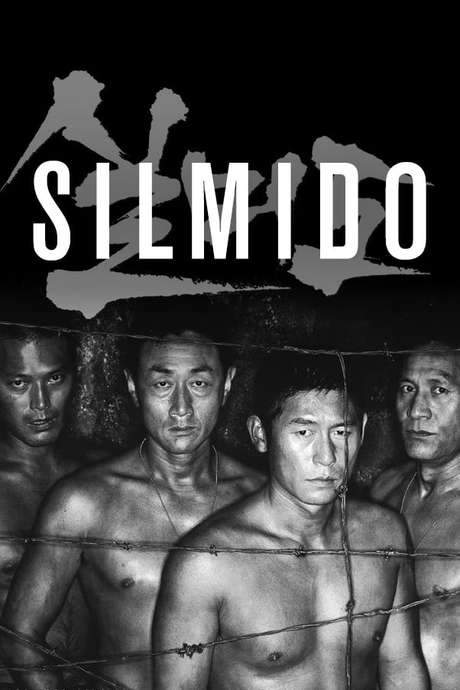
Silmido is a 2003 action drama directed by Kang Woo-suk, starring Lee Jeong-heon as Sergeant Park, Ahn Sung-ki and Kang Shin-il. It runs 2 hours 15 minutes and earned $4.9 million worldwide.
- Released
- Runtime
- 2h 15m (135 min)
- Director
- Kang Woo-suk
- Original language
-
 Korean
 - Studio
- Hanmac Films
- After the credits
- No No extra scene
What Is Silmido About?
The premise of Silmido without spoilers. The whole story is in the plot summary further down.
In January 1968, thirty‑one North Korean commandos entered South Korea in a failed plot to assassinate President Park Chung‑hee. The South Korean army recruited thirty‑one convicted criminals on Silmido Island, training them for a suicide mission to kill Kim Il‑sung and regain honor. The mission is cancelled, leaving the men stranded. The film references a 1970s military uprising.
Silmido Themes & Keywords
· 7 tags- 1960s
- based on true story
- korean army
- south korea
- rape
- based on book
- title spoken by character
Silmido Cast & Characters
Lee Jeong-heon leads the cast as Sergeant Park, with Ahn Sung-ki as Jae-hyun and Kang Shin-il as Geun-jae. Directed by Kang Woo-suk; 33 actors are credited in all.
- Director Kang Woo-suk
- Lee Jeong-heon as Sergeant Park
- Ahn Sung-ki as Jae-hyun
- Kang Shin-il as Geun-jae
- Im Won-hee as Won-hee
Also Starring in Silmido
· 29 more- Sul Kyung-gu Kang In-chan
- Kim Kang-woo Min-ho
- Jung Jae-young Sang-pil
- Jung Yu-mi Bus passenger
- Huh Joon-ho Sergeant Jo
- Uhm Tae-woong Won-sang
- Kang Seong-jin Chan-seok
- Lee Seok-ku Chair Lee
- Jo Min-jun Ji-hwan
- Kim Hyeong-jong Hae-il
- Ryoo Je-seung Je-seung
- Park Seoung-tae In-chan’s mother
- Choi Min-geum Bus passenger
- Choi Young Ik-jun
- Lee Sang-hong Jae-yong
- Lee Seung-cheol Lee Byeong-ho
Show all 33 cast members Show fewer cast members
- Lee Jong-mun Jeong-hun
- Lee Hyo-jeong Director Oh
- Yoo Sang-seob Bus passenger
- Song Yong-tae General Kim
- Won Woong-jae Sang-min
- Lee Gyeong-geun Jae-seok
- Rho Jun-ho Jun-ho
- Sin Sin-beom Bus passenger
- Kim Hong-taek Jang-soo
- Choi Yeon-sik Judge
- Cho Jae-wan Jeong-seob
- Jung Gi-seong Dong-jin
- Shin Duk-ho Kim Shin-jo
Silmido Plot Summary
What happens in Silmido from start to finish, spoilers included, with a timeline of 14 key events. The opening is below; the full summary is a 5-minute read.
Spoilers ahead
On 21 January 1968, 31 North Korean commandos from Unit 124 infiltrated South Korea in a failed mission to assassinate President Park Chung Hee. In response, the Republic of Korea Armed Forces assemble a shadowy group of 31 social outcasts, including criminals on death row and life imprisonment, drawing them into a plan designed to strike at the North from the South’s own soil. This unlikely unit is designated Unit 684, a name that will come to symbolize both desperate courage and the perilous costs of extreme loyalty. The recruits are transported to the isolated island of Silmido, where the promise of redemption and a new life becomes their only compass as they begin an arduous and often brutal training regime.
Full summary
The whole story of Silmido, scene by scene
Silmido Box Office
Silmido grossed $4.9 million worldwide. $298,347 came from the US and Canada and $4.6 million (94%) from the rest of the world.
Worldwide gross
$4.9M
- US & Canada
- $298.3K
- International
- $4.6M
Silmido Trailers & Videos
The trailer of Silmido.
How Well Do You Know Silmido?
9 questions about the story, each with a hint if you get stuck. Pick an answer to see whether you were right.
Question 1 of 9
- Question 1: not answered
- Question 2: not answered
- Question 3: not answered
- Question 4: not answered
- Question 5: not answered
- Question 6: not answered
- Question 7: not answered
- Question 8: not answered
- Question 9: not answered
In which year was the film *Silmido* released?
Cars in Silmido
11 cars on screen, including the Shinjin and the Asia KM 410.
-
 Shinjin Main role
 -
 Asia KM 410 Minor role
 -
 Boyertown Merchandiser Minor role
 -
 Kia K-511 Minor role
Silmido Also Known As
14 alternative titles, including “684 - Eine Einheit kämpft um ihr Leben” and “실미도”.
- Also known as
-
- 684 - Eine Einheit kämpft um ihr Leben
- 실미도
- シルミド
- シルミド/SILMIDO:2003
- 實尾島
- 实尾岛
- 684 - Unidade de Combate
- シルミド/SILMIDO
- Сильмидо
- Silmi Adası
- 684: Unidade de Combate
- המרד בסילמידו
+2 more Show fewer
- 實尾島風雲
- เกณฑ์เจ้าพ่อไปเป็นทหาร
Seen Silmido?
Movies Like Silmido
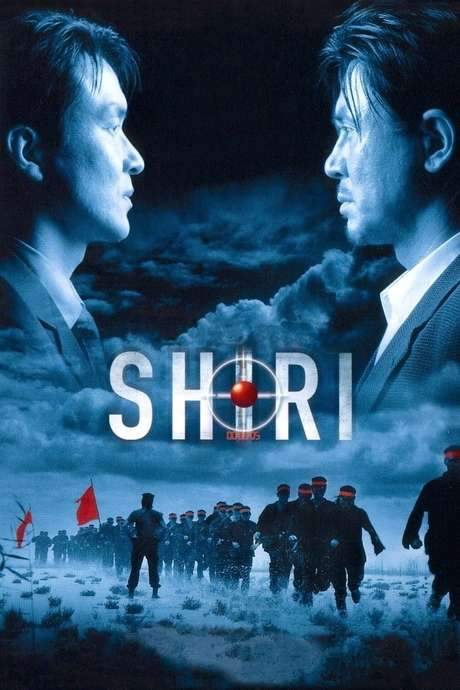
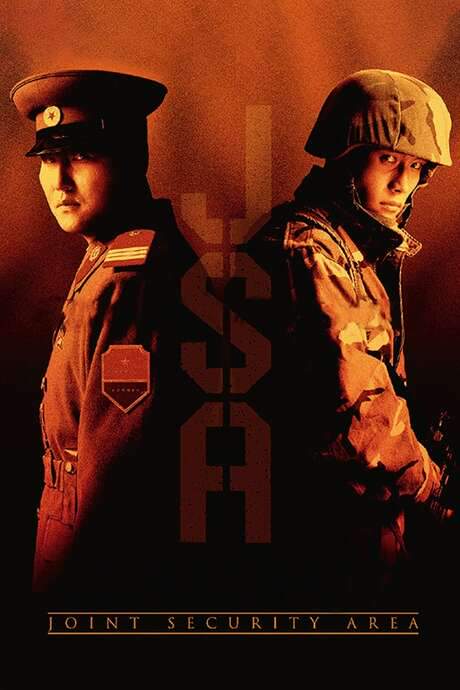
Films with a similar story, tone or audience, including Operation Chromite, The President's Last Bang and Welcome to Dongmakgol.







Silmido FAQ: Cast, Box Office & Runtime
Runtime, release date, director, cast, box office, post-credit scenes and language of Silmido, each answered in a sentence.
How long is Silmido?
Silmido runs 2 hours 15 minutes (135 minutes).
When was Silmido released?
Silmido was released on December 24, 2003.
Who directed Silmido?
Silmido was directed by Kang Woo-suk.
More films by Kang Woo-suk Who is in the cast of Silmido?
Silmido stars Lee Jeong-heon as Sergeant Park, Ahn Sung-ki as Jae-hyun and Kang Shin-il as Geun-jae, among 33 credited actors.
How much did Silmido make at the box office?
Silmido grossed $4.9 million worldwide ($298,347 domestic, $4.6 million international).
Does Silmido have a post-credit scene?
No. Silmido has no extra scene during or after the credits.
What language is Silmido in?
The original language of Silmido is Korean.
Coming soon to your phone
The Plot Explained Movie Summary App
From blockbusters to hidden gems: plot summaries, endings explained and timelines on your phone. Save your favorites and never miss a twist again.
Be the first to know when it launches. Your email stays private, always. Learn more about the app
