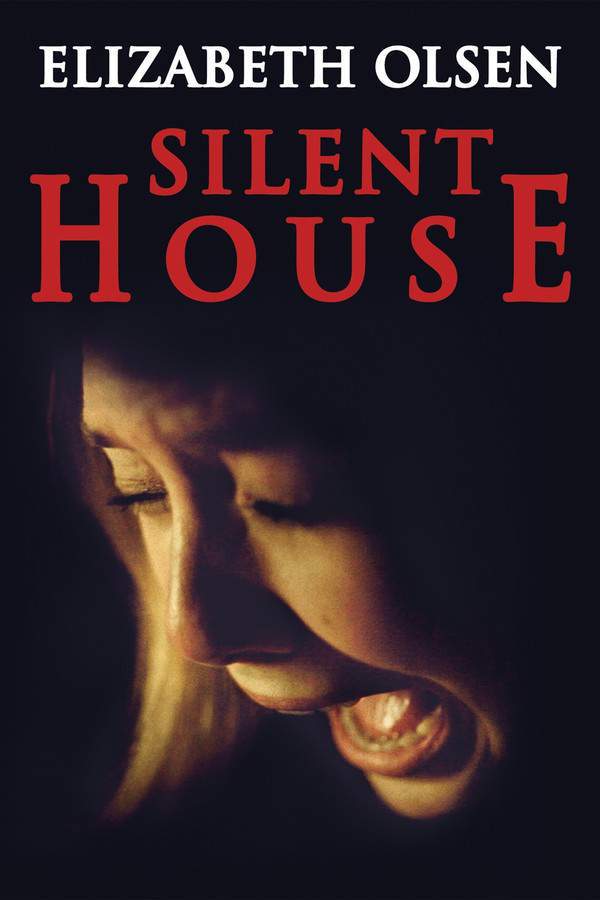
What Is Silent House About?
The premise of Silent House in 318 words, with nothing given away. The full story follows below.
In the quiet countryside, a sprawling Victorian house stands half‑forgotten, its walls whispering of generations past. The home is slated for a full renovation, a project that promises fresh walls and modern comforts but instead leaves the structure stripped of power, running water, and the simple hum of everyday life. As twilight descends, the house’s vast rooms and shadowed corridors become a labyrinth, each creak and echo magnified by the absence of any familiar light.
Sarah arrives to help her family restore the aging property, joining her father John and uncle Peter in the laborious task of bringing the place back to life. Tensions surface among the three, revealing old wounds and unspoken histories that linger like dust on the staircase. An unexpected visitor, Sophia, claims a childhood connection to Sarah, adding a fleeting, uncanny familiarity that feels both comforting and disorienting. The familial bond, already strained by the cramped, decaying space, is tested by the growing sense that the house itself may be more than just a building.
The atmosphere is thick with unease; the lack of utilities isolates the occupants, turning ordinary sounds into ominous signals. Nightfall deepens the feeling of confinement, as closed doors and locked windows turn the home into a character of its own—silent, watchful, and seemingly aware of every footstep. The film’s tone blends dread with psychological tension, letting fear creep in through the mind as much as through the darkness. Viewers are invited to share Sarah’s mounting anxiety, questioning whether the terror is born of the house’s decay, the family’s hidden fractures, or something far more intangible.
Against this backdrop of decay and isolation, the story teases a journey into memory and perception. As the night stretches on, the line between reality and the unsettling whispers of the past begins to blur, promising a haunting exploration of what lingers when the lights go out and the walls have stories to tell.
What Happens in Silent House?
The complete story of Silent House, from the first scene to the last, in 602 words (about 3 minutes). Spoilers throughout. Names in the text link to 4 cast member pages.
Spoilers ahead
The cast includes Elizabeth Olsen, Julia Taylor Ross, Adam Trese, and Eric Sheffer Stevens.
A young woman named Sarah travels to her family’s dilapidated Victorian house in the countryside to help her father, John, and her uncle, Peter, fix it up for sale. What starts as a quiet family task quickly sours into tension between the men, and after a petty argument, Peter leaves to town for extra tools. At the front door, Sarah encounters a woman named Sophia who insists she is a childhood friend of Sarah’s, though the memory of that friend feels faint and difficult to place for her.
Moments later, a panic unfolds as John falls down the stairs. Sarah tries to flee, but every exit seems blocked, and she must navigate a growing sense of danger as an unknown figure lurks inside the house. She finds John unconscious with a head wound and makes her way to the basement in search of a cellar door that could lead outside. In the dim space she discovers signs that someone else has been living there—perhaps squatters—and a figure seems to be roaming the halls in search of her. She escapes through the cellar door just in time.
Outside, Peter returns and a young girl on the road seems to vanish as if into thin air. The house’s power is cut, leaving a single unreliable light: the flash from a Polaroid camera. Through a rapid series of flashes, Sarah catches glimpses of the young girl and a man in a room that remains out of reach. When power flickers back on, John is found missing from the house, heightening the sense of peril.
With the lights restored, two men appear in the home, taking photographs that suggest a predatory intent toward a hidden girl. Sarah fights back, attempting to shoot one of the men with Peter’s gun, but the danger feels inescapable as she hides in her room and begins to slip into paranoia and dissociation. What follows are vivid, unsettling visions—traumatic childhood memories manifest as hallucinations, including a bloodstain on a bed and a bathtub scene filled with beer bottles and bloody water.
Driven by fear, Sarah flees and encounters Sophia again, but the tension deepens when it becomes clear that John is alive, though wrapped in plastic and sitting rigid in the living room. Sophia hands Sarah a key to a box that contains photographs of Sarah as a little girl, implying that John terminally abused her. The narrative threads hint that her recent, confusing interactions and the unsettling visions may be repressed memories surfacing under the weight of trauma. Dissociative identity disorder appears to color Sarah’s sense of reality, blurring the line between victim and intruder as she moves through the house.
In the heat of this internal conflict, the so-called intruder seems to be a projection of Sarah herself, dragged into the living room by a force she cannot fully control. Sophia turns out to be a figment of her imagination, a less tangible ally or ghostly guide in this nightmarish unraveling. John urges Sarah to untie him, only to discipline her with a belt, and Peter’s pleas go unanswered as the mood darkens.
The climax arrives with a brutal act: as John’s back remains turned, Sarah uses a sledgehammer to strike, killing him. Peter pleads for mercy and recalls that he should have stopped the abuse long ago, highlighting the dark past the house harbors. After the act, Sarah chooses silence and exits the scene, leaving Peter alone to confront the aftermath, the consequences of what has occurred, and the fate that now remains unresolved.
Silent House Timeline: Every Key Event in Order
13 key events in the order they happen, from “Arrival at the fixer-upper” to “Final confrontation and murder”. 13 events name a place, across 10 locations.
- 1
Arrival at the fixer-upper
Sarah arrives at the dilapidated Victorian house in the countryside with her father John and uncle Peter to help fix it for sale. The setting establishes isolation and decay, hinting at the dark events to come. The family dynamic is the frame for the creeping suspense.
When:Daytime Where:Victorian house, countryside
- 2
Petty argument and departure
John and Peter clash over a petty disagreement, and Peter leaves the house to fetch extra tools in town. The tension lingers as Sarah watches the argument unfold. With Peter gone, the household feels thinner and more exposed to danger.
When:Evening Where:Living room
- 3
Sophia at the door
Sarah meets a woman named Sophia at the front door who claims to be a long-lost childhood friend. Sarah does not remember Sophia, which creates unease and doubt about what is real. The encounter blurs the line between memory and illusion.
When:Evening Where:Front door
- 4
John falls, exits blocked
Soon after, John falls down the stairs, and it seems exits are blocked, trapping the family inside. Sarah panics and tries to flee, but she cannot leave the house. She finds herself hiding from an unseen perpetrator, heightening the sense of danger.
When:Evening Where:Stairwell / inside house
- 5
Basement discovery and escape
John lies unconscious with a head wound as Sarah searches the basement for a way outside. She discovers bedding and signs that someone else has been living there, suggesting squatters. She escapes through the cellar door to return to the night outside.
When:Night Where:Basement / cellar
- 6
Road encounter and missing body
Outside, Peter returns and they see a young girl on the road who disappears. The sighting adds a haunting layer to the night and deepens the mystery surrounding the house. They sense a larger danger at play beyond the immediate conflict.
When:Night Where:Road outside house
- 7
John’s body missing; power cut
Back inside, they notice that John's body is missing from the house. The power then cuts out, leaving them with only the flash of a Polaroid camera to light their surroundings. The eerie moment raises questions about what is real and what is not.
When:Night Where:Living room / inside house
- 8
Polaroid flashes reveal intruders
With the power out, Sarah uses the Polaroid flash to glimpse a young girl and a man in the room. The eerie images intensify her fear and blur the line between memory and presence. When the power returns, Peter is missing, deepening the mystery.
When:Night Where:Living room
- 9
Two men and a hidden girl
The power returns to reveal the house occupied by two men who take pictures of an unseen girl. Sarah tries to intervene by using Peter's gun, but the threat inside the house remains unresolved. The scene emphasizes predatory danger hidden within the home.
When:Night Where:Living room
- 10
Paranoia and childhood visions
Sarah begins showing signs of paranoia and psychosis, driven by traumatic childhood memories. She experiences vivid hallucinations, including a bloodstain on a bed and a girl in a bathtub with beer bottles and bloody water. The boundary between memory and current reality becomes increasingly unstable.
When:Night Where:Bedroom / bathroom
Show the other 3 events of Silent House Hide the last 3 events
- 11
Repressed memory surfaces
Sophia hands Sarah a key to a box containing pedophilic pictures of Sarah as a little girl, implying that John abused her. The revelation suggests the trauma is resurfacing as memory rather than new events. This memory acts as a catalyst for Sarah's ensuing actions.
When:Night Where:Living room
- 12
Intruder twist and climactic turn
The 'intruder' is revealed to be Sarah herself, with Sophia confirmed as a figment of her imagination. The sequence includes a struggle as the house grows increasingly chaotic. The revelation sets up the final confrontation and the unraveling of the household's secrets.
When:Night Where:Living room / throughout house
- 13
Final confrontation and murder
John confronts Sarah and attempts to control her, but the tension explodes as Sarah bludgeons him to death with a sledgehammer. Peter’s fate after the attack remains unknown, and Sarah leaves the house in silence, carrying the consequences of what has unfolded.
When:Night Where:Living room / hallway
Who Are the Main Characters in Silent House?
4 characters, among them Sarah (Elizabeth Olsen), John (Eric Sheffer Stevens) and Peter (Adam Trese): who each one is and the part they play in the story. Every profile links to the actor’s page.
-

Sarah (Elizabeth Olsen)
Played by Elizabeth Olsen
A young woman staying in her family's dilapidated Victorian house, Sarah appears fragile at first but slowly reveals deep-seated trauma. As events unfold, she shifts between frightened survivor and fierce, calculating force. Her perception grows increasingly unreliable, hinting at dissociative processes and repressed abuse. She embodies both vulnerability and a fierce drive to survive and uncover the truth.
- 🧠 Trauma
- 😨 Fear
- 🗝️ Memory
- J(
John (Eric Sheffer Stevens)
Played by Eric Sheffer Stevens
The abusive patriarch who wields control through intimidation and sexual abuse. He presents a veneer of normalcy while exploiting Sarah and others, fueling the house's tension. His violence triggers Sarah's retaliation, revealing the devastating consequences of long-term abuse.
- 🩸 Violence
- 💔 Abuse
- 🗝️ Control
- P(
Peter (Adam Trese)
Played by Adam Trese
Sarah’s uncle who returns amid the family conflict. He becomes entangled in the abuse dynamic, attempting to intervene but trapped in a cycle of coercion and fear. His loyalties are divided, and his actions underscore the moral ambiguity surrounding accountability for the family’s harm. His ultimate fate remains unresolved.
- 🕯️ Secrets
- 🧭 Family
- S(
Sophia (Julia Taylor Ross)
Played by Julia Taylor Ross
An apparent childhood friend at the door who turns out to be a figment of Sarah’s psyche. Sophia embodies the film’s themes of illusion and memory as Sarah’s trauma reshapes reality. Her existence serves to blur the line between past and present, sanity and madness.
- 👻 Illusion
- 🪞 Mirror
- 🧠 Hallucination
Where and When Is Silent House Set?
Silent House is set in Family Victorian house and countryside. Here is why the place matters to the story.
Where
Family Victorian house, countryside
A dilapidated Victorian house in the countryside serves as the claustrophobic stage for the drama. The creaking floors, dim hallways, and hidden basement create a foreboding atmosphere where past traumas resurface. The house embodies neglect and secrecy, with its rooms bearing the weight of family history.
- 🏚️ Victorian House
- 🌾 Countryside Setting
- 🧭 Isolation
What Are the Themes of Silent House?
3 ideas the story keeps returning to, among them Trauma & Memory, Dissociation and Abuse & Revenge.
-
01
Trauma & Memory
Trauma and repressed memories drive the narrative, forcing Sarah to confront events she cannot fully recall. The house acts as a mirror for her psyche, distorting time and reality as past abuse leaks into the present. Hallucinations and shifts between victim and aggressor reveal how childhood trauma shapes perception and behavior. The story suggests that memory, when fragmented, can manifest as dangerous, self-destructive actions.
-
02
Dissociation
Sarah's alternating persona—the intruder and the frightened survivor—signals dissociative processes. The imagined Sophia dissolves into Sarah’s psyche, while the real abuser's presence becomes a mental battleground. The film blurs truth and illusion to illustrate how extreme stress fragments identity. This theme explores whether control over memory is possible when violence is part of oneself.
-
03
Abuse & Revenge
The violence is rooted in long-term abuse; the film frames Sarah's retaliation as a culmination of years of trauma. She seeks release by confronting the abuser, flipping the power dynamic that harmed her. The story questions morality in situations where victims become aggressors. By the end, the line between justice and vengeance remains blurred.
What Kind of Film Is Silent House?
Dark in tone, with fast pacing and a moderate story, going by the plot summary.
- Tone
- Dark
- Pacing
- Fast
- Story
- Moderate
- Intensity
- High
- Ending
- Bleak
A relentlessly tense and claustrophobic horror experience that descends into a nightmarish unraveling of repressed trauma, trapping the viewer in a subjective and deeply unsettling psychological spiral.
- claustrophobic
- paranoid
- disturbing
- anxious
- unsettling
- traumatic
- childhood trauma
- repressed memories
- dissociative identity disorder
- survival horror
Content notes: child sexual abuse, domestic abuse, psychological trauma, murder, confinement.
Quiz
How well do you remember Silent House? Test yourself on the story.
Where to Watch Silent House
Stream it on Peacock and Shout! Factory, or rent or buy it from Amazon Video and Apple TV Store. US availability and prices from JustWatch.
Stream 8
 Peacock Premium
  Peacock Premium Plus
  Shout! Factory Amazon Channel
  Shout! Factory TV
  The CW
  The Roku Channel
  Tubi TV
  YouTube Free




Streaming availability in the US, powered by