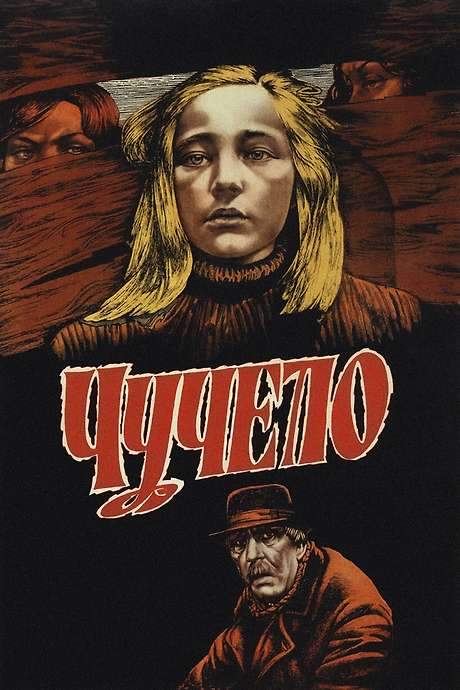
Scarecrow 1984

Directed by

Pavel Sanaev
Made by

Mosfilm
Where to Watch Scarecrow
See current US streaming, rental, and purchase options for Scarecrow (1984) via JustWatch.






Scarecrow Plot Summary
Read the complete plot summary and ending explained for Scarecrow (1984). From turning points to emotional moments, uncover what really happened and why it matters.
Lena Bessoltseva, Kristina Orbakayte, is a quiet pupil who becomes the target of relentless bullying at a rural school. The torment pushes her to run toward the river, where her grandfather, Nikolay Bessoltsev, [Yuriy Nikulin], steps in to rescue her and bring her home. Through a series of flashbacks, Lena slowly reveals the motive behind the cruelty, painting a portrait of a village where friendships are fickle and the social order is fragile.
On entering a new classroom, Lena earns the nickname “scarecrow” after a clumsy fall. She dares to like the class’s most popular boy, upsetting the established pecking order. The class hero Dima Somov, [Mitya Yegorov], sparks admiration but also tension, while Shmakova, [Anna Tolmachyova], who was once favored by the hero, must move to another desk. The shifting balance is watched by Mironova [Kseniya Filippova] and Marina - Motya [Marina Martanova], among others, as the social fabric of the class begins to fray.
As spring break approaches, the students plan a trip to Moscow, but the group decides to skip a literature lesson and go to a movie instead. Somov grows uneasy and confesses to the teacher that the class ran off. As punishment, the trip to Moscow is canceled. A tougher girl nicknamed “Iron Tack” suspects a betrayal and investigates. To save Somov, Lena takes the blame and claims she betrayed the class, triggering a tense chase through the village as Lena endures pressure while Somov promises to tell the truth but cannot.
After recounting the full story to her grandfather, Lena cuts her hair at the village beauty shop and then shows up at Somov’s birthday party with a shaved head. She delivers a pointed critique of many classmates and dramatically reveals her new look, announcing that she will leave the village behind.
Back at school, Lena returns to find Somov has finally confessed and is standing at the edge of a window, threatening to jump. She talks him down, and several students commend Lena for her grit and for staying strong rather than fleeing.
The film builds to a ceremonial turn: Lena’s grandfather donates his home and a priceless collection of paintings by a famous artist who once lived in the village, and the home will become a museum. The grandfather arrives with a wrapped painting for the class. When the cloth is removed, it reveals a young woman who bears a striking resemblance to Lena in her short-haired look. The revelation leaves the children humbled, and one student writes on the chalkboard: “Scarecrow, forgive us.”
Scarecrow Timeline
Follow the complete movie timeline of Scarecrow (1984) with every major event in chronological order. Great for understanding complex plots and story progression.
Lena is bullied at the river and rescued by her grandfather
Schoolyard tormentors chase Lena to the river's edge, where she is saved by her grandfather. He takes her home and asks what the attack was about, signaling the start of the unraveling story. Lena hesitates, hinting that the real reason will unfold later in flashbacks.
Grandfather hears Lena's full story through flashbacks
At home, the grandfather questions Lena and she begins to reveal the events behind the bullying. The truth will slowly surface through a series of flashbacks as she recounts what happened at school and why she bears the burden. The protective conversation sets the emotional tone for the rest of the tale.
Lena arrives at a new school and earns the nickname 'scarecrow'
Lena settles into a new school and instantly earns the nickname 'scarecrow' after a clumsy fall in class. The name marks her as an outsider and foreshadows the social drama to come. The school's social order begins to tilt as she garners attention from the popular boy Somov.
Somov and Shmakova dynamics complicate Lena's standing
Lena takes a liking to Somov, the class hero, while Shmakova, once favored, must move to another desk. The shifting dynamics create tension that fuels much of the film's drama. These rearrangements set the stage for the upcoming accusations.
Spring break plans and a decision to skip literature for a movie
The class is excited for an upcoming spring break trip to Moscow and decides to skip a literature lesson to go watch a movie. Somov feels uneasy about the plan and warns them of the consequences. The decision to slip away exposes cracks in the group's unity.
Punishment and a self-sacrificing confession
When the truth comes out, the class loses the Moscow trip as punishment. Iron Tack suspects betrayal and presses Lena to name the traitor. To protect Somov, Lena claims responsibility and admits she told the teacher, triggering a relentless village chase.
Chase through the village as the truth hurts Lena
Following Lena's confession, a terrifying sequence of chases unfolds through the village as the classmates pressure her to reveal more. Somov longs to come clean, but his fear keeps him from speaking. The pursuit forces Lena to confront the village's harsh gaze.
Lena confesses to her grandfather and cuts her hair
Lena recounts the long story of bearing her beloved's guilt to her grandfather. She then goes to the beauty shop, cuts her hair, and later appears at Somov's birthday party with a shaved head. She declares she will leave the village, signaling a dramatic turning point.
Somov confesses to the class; Lena steps in to save him
Back at school, Somov admits to everyone that he was the one who told the teacher, and he stands at the window threatening to jump. Lena steps in and convinces him to climb away from the ledge. The class acknowledges her toughness and resilience.
A museum gift: grandfather's donation announced
The teacher greets the class and announces a remarkable gift: Lena's grandfather has donated his home and a priceless artist's paintings, which will become a museum for the collection. The gesture reframes the village's memory of Lena and her family.
Grandfather collects Lena and leaves a mysterious painting
The grandfather arrives to collect Lena and leaves a wrapped painting with the class. When unwrapped, it reveals a young woman with Lena-like features and short hair, deepening the emotional impact of the tale.
Shame and forgiveness: 'Scarecrow, forgive us'
The class processes the revelation with shame as they glimpse the likeness of Lena in the painting. A student writes 'Scarecrow, forgive us' on the chalkboard, signaling a fragile step toward reconciliation.
Scarecrow Characters
Explore all characters from Scarecrow (1984). Get detailed profiles with their roles, arcs, and key relationships explained.
Lena Bessoltseva (Kristina Orbakayte)
A bullied, ostracized girl who endures a harsh social hierarchy at school. Her resilience grows as she navigates guilt, social pressure, and a desire to belong. Lena's arc culminates in a dramatic self-definition and a decision to leave the village, asserting agency over her life.
Dima Somov (Mitya Yegorov)
The class hero whose discomfort with breaking rules becomes a catalyst for conflict. He struggles with truth and loyalty as the pressure to confess intensifies. Somov's eventual (and contested) confession tests the bonds of friendship and the class's moral landscape.
Shmakova (Anna Tolmachyova)
A tougher girl who embodies the village's social hierarchies and acts as a regulator within the group. She pursues the idea of punishment for perceived betrayal and intensifies the social drama around Lena and Somov.
Mironova (Kseniya Filippova)
One of Lena's classmates who observes the unfolding dynamics. Her presence underscores the collective nature of the village's social world and the way bystanders influence outcomes.
Nikolay Bessoltsev (Lena's grandfather) (Yuriy Nikulin)
A venerable elder who rescues Lena and ultimately donates his home and a priceless art collection to the village. His generosity becomes a turning point for the community and a counterpoint to the cruelty Lena endures.
Парикмахер (Hairdresser) (Svetlana Kryuchkova)
The beauty shop professional whose haircut scene becomes a pivotal moment of transformation for Lena. The act of cutting Lena's hair symbolizes a break from the past and a new self-presentation.
М Margarita Ivanovna (Маргарита Ивановна) (Yelena Sanayeva)
A teacher figure whose presence anchors the school environment and its disciplinary responses. She represents authority within the classroom and witnesses the dramatic arc of Lena's peers and the punishment system.
Scarecrow Settings
Learn where and when Scarecrow (1984) takes place. Explore the film’s settings, era, and how they shape the narrative.
Location
village, Moscow
The story unfolds in a small rural village, with intimate backdrops like the river at the edge, the village streets, and a local beauty shop that becomes a focal point. Moscow appears as a distant destination on spring-break plans, hinting at a larger world beyond the tight-knit community. The setting emphasizes the close-knit social dynamics that drive Lena's coming-of-age ordeal.
Scarecrow Themes
Discover the main themes in Scarecrow (1984). Analyze the deeper meanings, emotional layers, and social commentary behind the film.
🎭
Bullying
Bullying dominates Lena's school life and shapes how she is perceived by her peers. The nickname 'scarecrow' marks her as an outsider and intensifies social pressure. The film shows how crowds police conformity and reward complicity. Lena's resilience and the class's cracks reveal the fragility of adolescent belonging.
🧭
Guilt
Lena carries the burden of guilt to protect Somov and maintain a fragile balance in the class. She claims responsibility to the teacher for the betrayal, a self-sacrificing act that triggers a dangerous chain of events. Somov's mounting pressure to confess tests their friendship and the class's loyalties. The resolution shows how guilt can both wound and catalyze personal change.
🌱
Identity
Lena's hair-cut and bald head become a symbol of breaking the mold and redefining herself beyond the 'scarecrow' label. Her decision to leave the village marks a push for self-determination and autonomy. The final gesture—prompting forgiveness and a museum donation—highlights how identity is negotiated within a community.

Coming soon on iOS and Android
The Plot Explained Mobile App
From blockbusters to hidden gems — dive into movie stories anytime, anywhere. Save your favorites, discover plots faster, and never miss a twist again.
Sign up to be the first to know when we launch. Your email stays private — always.
Explore the mobile appScarecrow Spoiler-Free Summary
Discover the spoiler-free summary of Scarecrow (1984). Get a concise overview without any spoilers.
In a quiet, windswept village tucked away in the Russian countryside, a modest school sits at the heart of daily life, its walls echoing the rhythm of seasons and whispered rumors. The town’s tight‑knit atmosphere is palpable, a place where every face is known and every deviation stands out like a lone bird against a gray sky. Into this world arrives Lena, a twelve‑year‑old who has just moved in with her grandfather, seeking the comfort of family while confronting a new, unfamiliar community.
Lena carries a shy, introspective nature that makes her both a keen observer and an easy target for the school’s informal hierarchies. The other pupils, bound by long‑standing friendships and unspoken codes, navigate their days with a blend of camaraderie and subtle competition. Within this fragile social fabric, the quiet girl quickly earns a nickname that reflects how she is perceived—an outsider perched on the periphery, watching the shifting alliances with a mixture of curiosity and unease.
Among the classmates, the charismatic Dima stands out as the unspoken leader, his presence shaping the group’s dynamics. When Lena finds herself drawn to him, the delicate balance of the class is disturbed, and the inevitable tension between desire and expectation begins to surface. A seemingly harmless decision—skipping a lesson for a trip to the cinema—cascades into a moment that tests loyalties and forces the students to confront the weight of their choices.
Amid the swirling rumors and silent glances, Lena retreats into a quiet resolve, choosing to bear the burden of an unspoken sacrifice. Her stoic exterior masks a fierce longing for honesty and redemption, while the river that flows near her grandfather’s home reflects both the turbulence of her inner world and the possibility of renewal. The film’s tone remains contemplative, blending the stark beauty of the rural setting with the tender, aching pulse of adolescence, inviting the audience to wonder how far a young girl will go to reclaim her voice in a world that seems determined to silence her.
Movies with Similar Twists and Themes
Uncover films that echo the narrative beats, emotional arcs, or dramatic twists of the one you're exploring. These recommendations are handpicked based on story depth, thematic resonance, and spoiler-worthy moments — perfect for fans who crave more of the same intrigue.
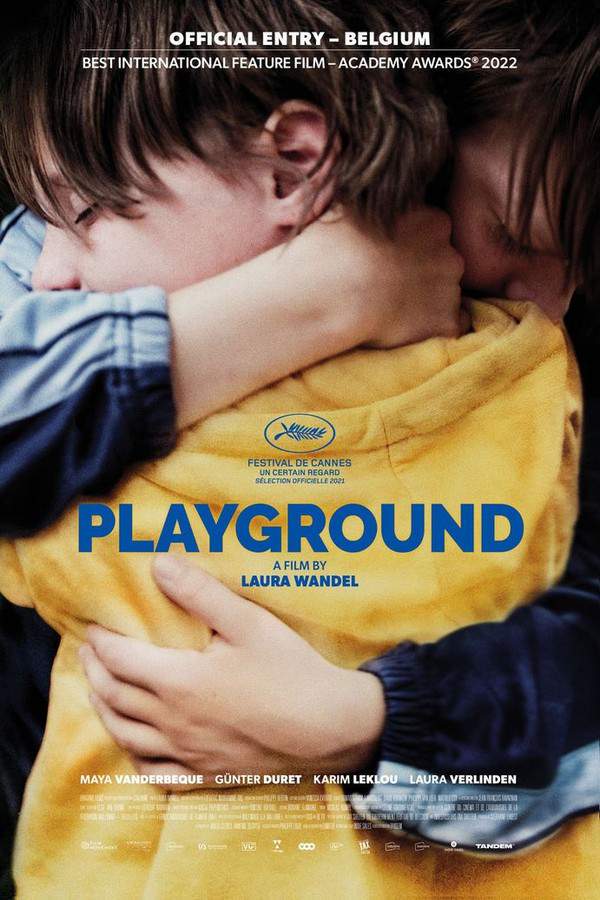
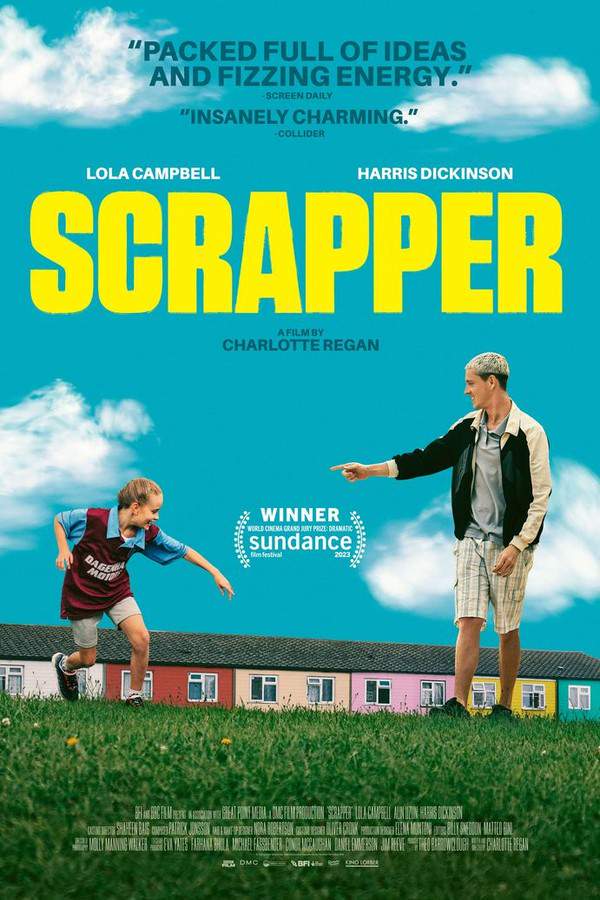


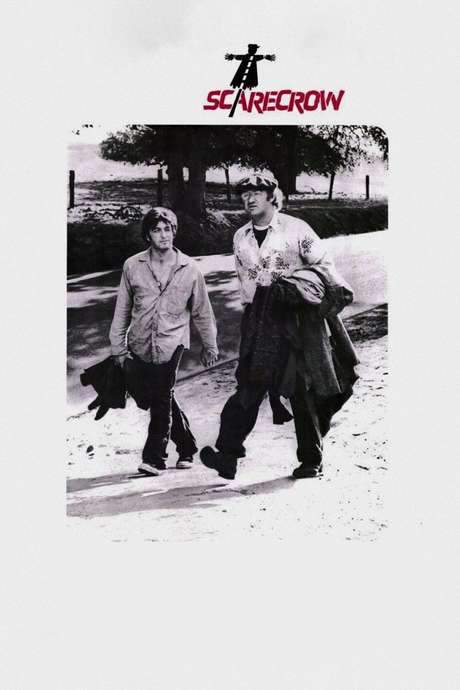
Featured on this page

What's After the Movie?
Not sure whether to stay after the credits? Find out!
Check out our other apps:

SAT Sphere
Build confidence for the Digital SAT.

Mori Atlas
Discover wild places worth protecting.

Luntero
Search smarter for a home in Amsterdam.

Plot Explained
Unravel movie endings and hidden clues.

Pokechamp
Dive into Pokémon data and battle logic.

Driving Theory
Get ready for your European theory test.

Movie Dust
Plan your next cinema trip with ease.

Musemap
Find art and culture as you travel.

Selkobase
Compare credentials before committing.

Local Manual
Turn an unfamiliar country into practical next steps.

Lernavi
Compare school systems before your next move.

GymRoam
Find a workout stop wherever your plans take you.
Explore Our Movie Platform
New Movie Releases (2026)
Famous Movie Actors
Top Film Production Studios
Movie Plot Summaries & Endings
Major Movie Awards & Winners
Best Concert Films & Music Documentaries
Movie Collections and Curated Lists
© 2026 What's After the Movie. All rights reserved.
Privacy Policy