What Is Playground About?
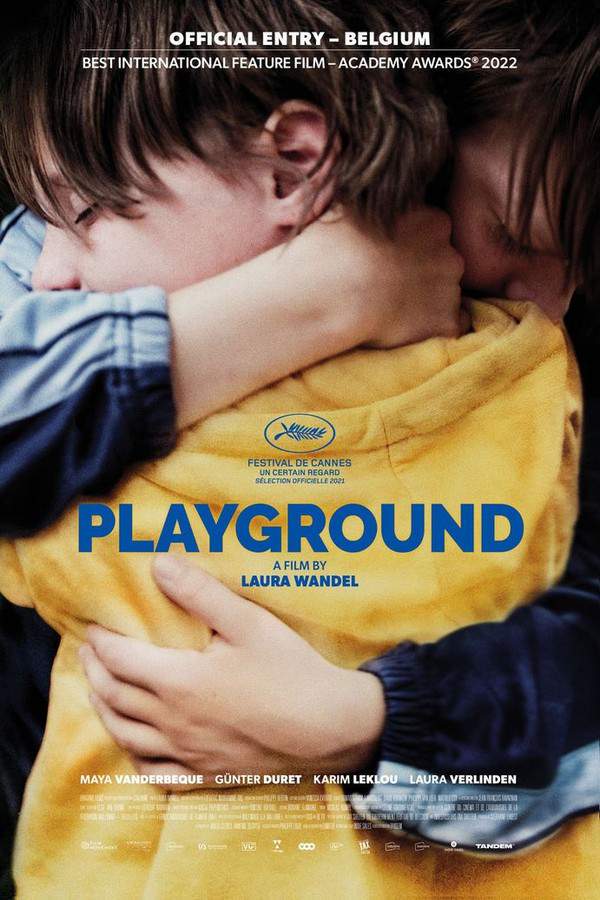
The premise of Playground in 332 words, with nothing given away. The full story follows below.
In a modest elementary school where the hallway echo feels both inviting and unforgiving, the world is rendered in muted tones that amplify the quiet desperation of its youngest inhabitants. The film lingers on the textures of classroom walls, the rhythm of recess, and the subtle choreography of daily routines, creating a space that feels simultaneously safe and fraught with unseen pressure. Its tone is unflinching yet tender, offering a poetic look at how innocence can be eroded by forces that children are ill‑equipped to confront.
At the heart of this world is Nora, a seven‑year‑old whose yearning for belonging drives every step she takes. She is fiercely attached to her older brother, Abel, and the sibling bond becomes both her anchor and her burden as she watches him navigate a social landscape that feels hostile. Their father, a well‑meaning but often distant figure, represents the adult world that strives to protect yet frequently falls short, leaving the children to negotiate the shadows of neglect and expectation on their own.
The school’s modest corridors are populated by peers whose interactions range from tentative friendship to harsh exclusion, a microcosm that magnifies the cruelty children can wield. Madame Agnes, the class teacher, offers a fleeting glimpse of adult empathy, her presence a quiet counterpoint to the swirling tension among the students. The social hierarchy is hinted at through whispered alliances and the unspoken rules that dictate who is seen and who is ignored, underscoring the fragile balance between acceptance and isolation.
Against this backdrop, Nora’s desire to shield Abel and the yearning for a place within the peer group set her on a path that tests her resilience and forces her to confront the disparity between the world of children and the world of adults. The film’s atmosphere remains charged with a lingering sense of unease, inviting the audience to wonder how far a child will go to claim dignity in a place where protection is scarce and compassion must be fought for.
What Happens in Playground?
The complete story of Playground, from the first scene to the last, in 1,061 words (about 5 minutes). Spoilers throughout. Names in the text link to 5 cast member pages.
Spoilers ahead
Nora Maya Vanderbeque is a bright, young elementary school student who shares a close bond with her older brother Günter Duret Abel as they navigate the social currents of their classroom and the wider school world. The siblings rely on each other as they move through friendships, games, and the subtle power dynamics that shape kid life, especially in how peers treat Abel. Together they must figure out how to read the room, how to stand up for one another, and how to survive a system that often feels stacked against them.
Abel is targeted by bullies led by a much taller Antoine Simon Caudry, a boy whose insolence even crosses the line with teachers. The intimidation isn’t a one-off moment but a pattern that follows Abel through hallways and classrooms, casting a shadow over his days. Nora watches in growing concern as the pressure mounts, yet she struggles to understand why Abel refuses to admit to adults that he is being bullied. Abel repeatedly advises Nora to stay out of it and avoid confronting the problem directly, insisting that any intervention could make things worse.
The situation stretches beyond Abel’s experience of fear and discomfort to influence the social fabric of the entire class. Nora’s peers are not particularly supportive, and the sense of isolation around Abel deepens. When their father presses Nora to explain why Abel is despondent and reluctant to go to school, she confesses that he is being bullied. Le père Karim Leklou confronts the bullies, but Abel remains wary of his father’s intervention, resisting any open alliance with adults. He warns Nora that if she gets involved, there could be consequences for her as well.
Nora’s attempts to help are complicated by Abel’s stubborn logic and his fear of escalating the harassment. She witnesses Abel being tormented again, and his warnings to stay detached complicate their relationship. The pain of the bullying becomes personal for Nora, who is torn between wanting to defend her brother and respecting his demand to stay out of it. Abel’s injury is noticed, and both Nora and their father are alerted to the severity of the situation. The emotional toll is heavy: Nora feels guilt and sadness as she processes that her attempts to help may have inadvertently worsened Abel’s predicament.
Their teacher, Mme Agnès Laura Verlinden, tries to console and guide them through the turmoil. She talks with Nora about the limits of intervention and the ways that trying to fix a problem can sometimes complicate it further. Nora explains the frustration she feels—that her best intentions have contributed to more trouble—and Mme Agnès offers patience and perspective, helping Nora articulate the complicated emotions she’s navigating.
As the drama unfolds, Nora’s social standing among her peers shifts. Her playmates express disdain for Abel, and Nora begins to detach emotionally from him in an effort to preserve her own social position, even as she still cares deeply about him. After a tense meeting with the bullies and their parents, Antoine and the others begrudgingly apologize, and there is a sense of uneasy closure. Nora makes an effort to reintegrate into her social circle, participating in class, physical education, and playground activities, but she learns that Abel’s experience of bullying has had a ripple effect on her own status within the classroom.
Madame Agnès announces that she is moving away from the school, a revelation that leaves Nora heartbroken. She presents her teacher with a drawing of the two of them as a keepsake, and Mme Agnès offers comfort as she prepares to leave. The farewell unsettles Nora, and when she spots Abel in the playground, a surge of emotion erupts—she confronts him in a moment of anger, recognizing that his social standing has altered her world as well. With the departure of her supportive teacher looming, Nora’s posture hardens, and she and Abel collide in a moment of raw, unguarded emotion. A physical struggle ensues: Nora shoves Abel, who grapples with her, and they trade blows until their movements falter and the intensity begins to soften.
In the classroom, Nora’s struggle continues as she obstinately disobeys a teacher and is removed from the room. She later sees Ismael, a friend of Abel’s, and tries to talk to him, but Ismael is wary and avoids contact. The tension between the siblings intensifies as Abel and Nora share a painful silence, a grim reminder that their world—the world of adults and the world of children—often do not align.
A photo day brings a chilling reminder of the social bonds they’re navigating: Nora and Abel sit together, awkward and uneasy. On the playground afterward, Nora plays alone when she witnesses Abel and another boy bullying Ismael. She does not intervene at first, but a question lingers: why would Abel participate in this cruelty? He eventually opens up, admitting that he sometimes prefers being the aggressor to the possibility of being bullied himself.
The stakes heighten on another day when Antoine and Abel team up to bully Ismael, even as Nora’s sense of justice compels her to act. A dangerous moment arrives when they place a plastic bag over Ismael’s head. Nora rushes to intervene, pleading for them to stop and pulling at Abel in a desperate bid to halt the harm. She grips him from behind, trying to interrupt the cruelty, even as he resists. The moment of exhaustion and truth comes when Abel finally stops, overwhelmed by the realization of what is happening to Ismael. He turns to embrace his sister, their shared fatigue and love guiding them toward a fragile, renewed bond.
Throughout, the two siblings experience a cautionary education about power, loyalty, and resilience. The film observes how children learn to read adult rules and how those rules often clash with the unwritten, messy truths of childhood friendships. It tracks the quiet, persistent ache of watching someone you love struggle, and the slow hardening that can come when adults move in and out of the scene. Yet it also preserves a thread of tenderness: in moments of danger, in the ache of farewell, and in the final, fragile embrace between a sister and brother who choose to hold on to each other despite the currents that pull them apart. The result is a compassionate, unsentimental portrait of childhood trauma, resilience, and the uneasy intersection between the worlds of grown-ups and kids.
Playground Timeline: Every Key Event in Order
12 key events in the order they happen, from “Nora and Abel navigate the school day together” to “Plastic bag incident and final embrace”. 12 events name a place, across 9 locations.
- 1
Nora and Abel navigate the school day together
Nora and Abel move through their elementary school world with a close, protective bond. They try to read the room, make friends, and manage the subtle power dynamics that shape kid life. Their connection becomes their anchor as they face the social currents of classrooms and playgrounds.
When:Morning to afternoon Where:Elementary school – classroom and playground
- 2
Abel becomes the target of bullying
Antoine and a group of bullies systematically harass Abel, skirting the edges of their authority and turning everyday spaces into zones of intimidation. The pattern follows him through hallways and classrooms, casting a shadow over his days. Nora watches with growing concern, trying to understand the persistence of the harassment.
When:Throughout the day Where:School – hallways and classrooms
- 3
Abel urges Nora to stay out of it
Abel repeatedly advises Nora to avoid intervention, fearing that involvement could worsen things. He relies on a stubborn logic to shield both their futures from adult interference. Nora wrestles with his demand while the situation grows more complex around them.
When:During the day Where:School and home
- 4
Father confronts the bullies after Nora reports
When Nora explains Abel’s despondency, their father confronts the bullies and their parents, attempting to intervene directly. Abel remains wary of adult involvement and warns Nora there may be consequences for meddling. The family starts to realize how deep the problem runs.
When:Afternoon Where:School – hallway; Home
- 5
Nora's attempts to help backfire
Nora’s earnest attempts to aid Abel collide with his fear and stubbornness, making the problem feel bigger. Mme Agnès, the teacher, offers patience and explains the limits of what adults can do in such situations. The tension between good intentions and potential harm becomes a recurring theme.
When:Afternoon Where:School – classroom
- 6
Abel's injury draws attention
Abel’s injury is noticed by both Nora and their father, marking the seriousness of the bullying. The moment heightens concern and forces a fuller acknowledgment of the harm being inflicted. The family and teacher race to respond, even as Abel remains cautious about escalation.
When:Afternoon Where:School – hallway and classroom
- 7
Mme Agnès offers guidance on limits and empathy
Mme Agnès consoles Nora and explains that fixing every problem can entangle more issues. She helps Nora articulate her feelings and reinforces a measured approach to intervention. Her perspective frames how the class should navigate the bullying’s fallout.
When:Afternoon Where:School – classroom
- 8
Photo day reveals social tension
Photo day crystallizes the strain in their social world, with Nora and Abel sitting together awkwardly while classmates react to Abel’s troubled status. The moment highlights how appearances influence dynamics and how alliances are shifting. It marks a visible turning point in the siblings’ standing within the class.
When:Photo day Where:School – photo day
- 9
Bullying episode leads to uneasy apologies
After a tense meeting with the bullies and their parents, Antoine and the others offer grudging apologies. The reconciliation feels hollow to Abel and Nora, underscoring that the problem runs deeper than a single incident. The class returns to its routines, but the atmosphere remains fragile.
When:Later Where:School – meeting area
- 10
Teacher departure and a keepsake
Mme Agnès announces she is moving away from the school, leaving Nora heartbroken. Nora offers her a drawing as a keepsake, seeking comfort as the familiar teacher exits. The farewell unsettles Nora and foreshadows changes to how the class will function without her guidance.
When:End of term Where:School – classroom
- 11
Nora and Abel clash before the closing moment
In a charged exchange on the playground, Nora and Abel confront the widening rift between their worlds and expectations. A tense shove and rough confrontation give way to a softer, more vulnerable moment as their tension begins to ease. The moment underscores the fragility of their bond under pressure.
When:End of day Where:Playground
- 12
Plastic bag incident and final embrace
Antoine and Abel team up to bully Ismael, placing a plastic bag over Ismael’s head. Nora rushes in, pleading for them to stop and pulling at Abel in a desperate bid to intervene. Abel is overwhelmed by the cruelty, pauses, and then turns to embrace his sister, choosing their bond over the hateful behavior.
When:Crisis moment Where:Playground
Who Are the Main Characters in Playground?
8 characters, among them Nora (Maya Vanderbeque), Abel (Günter Duret) and Antoine (Simon Caudry): who each one is and the part they play in the story. 6 of them link to the actor’s page.
-
Nora (Maya Vanderbeque)
Played by Maya Vanderbeque
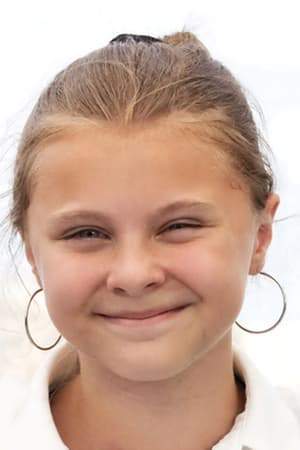
Nora is a young elementary student who shares a close bond with her older brother Abel. She tries to shield him from harm and to understand the bullying, even if her efforts complicate her own social life. Her guilt grows as her interventions backfire, revealing the complexity of trying to help. Through her eyes, the film explores how children interpret conflict and authority.
- 🧒 Child
- 🫂 Empathy
- 🧠 Insight
- A(
Abel (Günter Duret)
Played by Günter Duret
Abel is a sensitive boy who becomes the target of bullying led by Antoine. He resists parental involvement at times, insisting on handling things himself, which isolates him further. The bullies' persistence injures him emotionally and physically, and his relationship with Nora is tested by fear and pride. His arc reveals the cost of standing up to bullies without support.
- 🧒 Child
- 🌧️ Despondent
- 🛡️ Protective
-
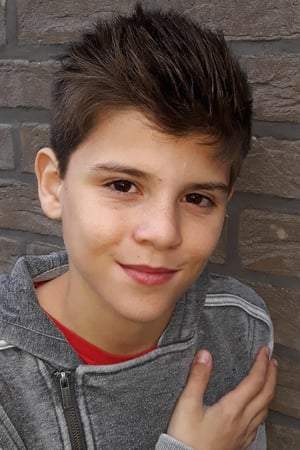
Antoine (Simon Caudry)
Played by Simon Caudry
Antoine is the tall, insolent bully who leads the group tormenting Abel and others. He embodies the social power of aggression and is difficult to reason with, even for adults. His behavior creates a cycle of fear and complicity among classmates. The film hints at the undercurrents that drive his cruelty, suggesting complexity beneath the cruelty.
- 🧒 Bully
- 🪨 Dominance
- 🧭 Peer pressure
-
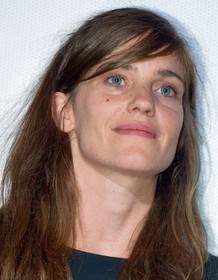
Mme Agnès (Laura Verlinden)
Played by Laura Verlinden
Mme Agnès is the class teacher who offers consolation and attempts to reason with the students. She guides Nora toward truth and accountability while acknowledging the pain of the situation. She plays a crucial role in the path toward reconciliation, and her departure marks an emotional turning point for Nora. Her presence anchors the adult perspective in the classroom.
- 👩🏫 Teacher
- 🧭 Guidance
- 🕊️ Calm
-

Clémence (Lena Girard Voss)
Played by Lena Girard Voss
Clémence is a classmate within Nora's social circle who participates in the dynamic around Abel's bullying and the class's reactions. She represents the social pressures and shifting alliances among children. Her reactions highlight how quickly friendships can change under stress.
- 👧 Classmate
- 🗂️ Social dynamics
- 🧠 Insight
-
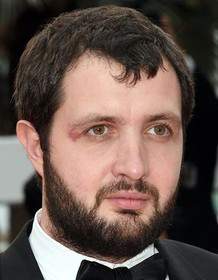
Le père (Karim Leklou)
Played by Karim Leklou
Le père is the father who confronts the bullies and tries to protect his children. He wants to fix the problem but also respects Nora and Abel's need to process their experiences. His reactions reveal the tension between direct intervention and allowing children to navigate their own social world.
- 👨 Father
- 🛡️ Protector
- 🗣️ Authority
- I
Ismael
Ismael is a playmate of Abel who becomes a target and witness of the bullying. He experiences isolation and the fear that comes with standing up to cruelty. His presence underscores the broader reach of the school's social climate.
- 👦 Classmate
- 🕊️ Vulnerable
- 🧭 Social outsider
- V
Victoire
Victoire is a schoolmate whose birthday party becomes a symbol of inclusion and exclusion. Nora's response to not being invited shows how social bonds are fragile and how quickly invitations can shift. Her arc highlights the missteps and reconciliations among children as they try to belong.
- 👧 Social dynamics
- 🎉 Party
- 🥀 Exclusion
Where and When Is Playground Set?
Playground is set in Elementary School and School Playground. Here is why the place matters to the story.
Where
Elementary School, School Playground
Set primarily inside an elementary school and its playground. The school is a tight-knit microcosm where children navigate friendships, rules, and adult authority. The playground becomes a flashpoint for bullying and moments of fragile reconciliation. The setting highlights the clash between grown-up responses and the realities of childhood social life.
- 🏫 School environment
- 🧒 Child-focused setting
- 🛝 Outdoor playground
What Are the Themes of Playground?
3 ideas the story keeps returning to, among them Bullying, Empathy & Consequences and Generational Gap.
-
01
Bullying
Abel's bullying is central, driven by Antoine and his cadre. The cruelty spills from the classroom to the hallway and playground, shaping who is included or excluded. Nora's attempt to help inadvertently worsens the situation, illustrating the complexities of intervening in childhood harm. The narrative explores the cost of cruelty on self-image, status, and belonging.
-
02
Empathy & Consequences
Nora's empathy drives her to help her brother, yet her actions create tension and unintended consequences. Adults struggle to interpret the children's world, sometimes overcorrecting or failing to listen. The story shows how compassion must be tempered by understanding. The path to resolution comes through accountability, dialogue, and rebuilding trust.
-
03
Generational Gap
The film juxtaposes the adult world with the children's micro-society, showing a gap in understanding and language. Nora learns that adults' decisions aren't always aligned with what children feel or need. The departure of Madame Agnès marks a shift as Nora navigates belonging and separation. Ultimately, the narrative suggests that empathy can bridge these divides, even when they feel insurmountable.
What Kind of Film Is Playground?
Melancholic in tone, with steady pacing and a moderate story, going by the plot summary.
- Tone
- Melancholic
- Pacing
- Steady
- Story
- Moderate
- Intensity
- High
- Ending
- Bittersweet
A deeply melancholic and intense drama that immerses viewers in the harsh, isolating world of childhood cruelty, following a young girl's painful journey through guilt and her fractured bond with her bullied brother.
- heartbreaking
- oppressive
- anxious
- despondent
- somber
- harsh
- bullying
- sibling relationship
- childhood cruelty
- school life
Content notes: bullying, child endangerment, psychological trauma, physical aggression among children.
Quiz
How well do you remember Playground? Test yourself on the story.
Where to Watch Playground
Stream it on Film Movement Plus and Hoopla, or rent or buy it from Amazon Video and Apple TV Store. US availability and prices from JustWatch.
 Film Movement Plus
  Film Movement Plus Amazon Channel
  Hoopla




Streaming availability in the US, powered by