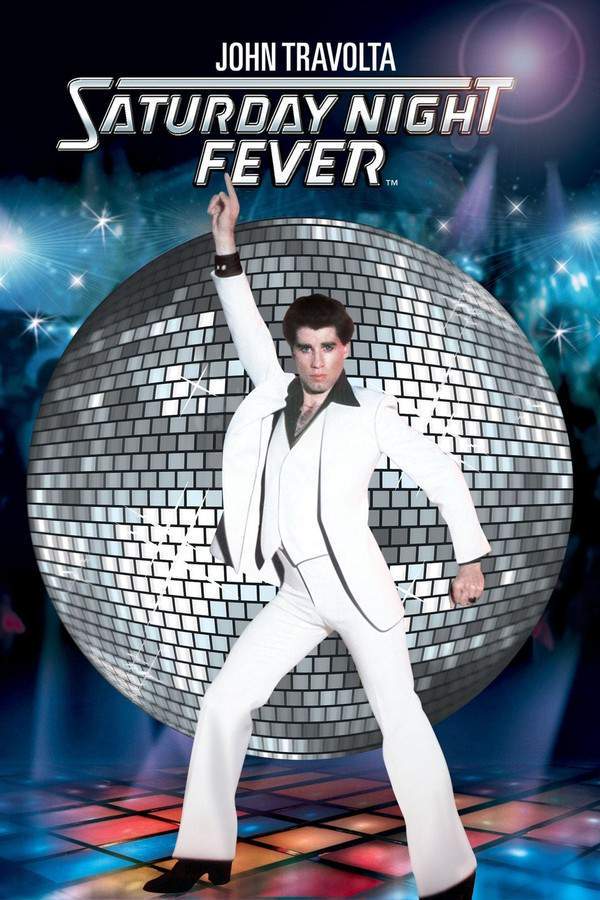
Saturday Night Fever 1977


Directed by
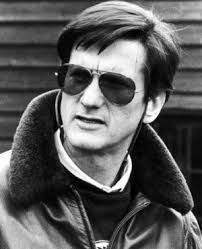
John Badham
Made by

Paramount Pictures
Where to Watch Saturday Night Fever
See current US streaming, rental, and purchase options for Saturday Night Fever (1977) via JustWatch.

fuboTV
HD
MGM Plus
HD
MGM Plus Roku Premium Channel
HD
MGM+ Amazon Channel
4K
Philo
HD
YouTube Free
HD
Amazon Video
4K
Apple TV Store
4K
Fandango At Home
4K
Google Play Movies
SD
YouTube
SD Streaming availability powered by 
Saturday Night Fever Plot Summary
Read the complete plot summary and ending explained for Saturday Night Fever (1977). From turning points to emotional moments, uncover what really happened and why it matters.
In the opening scene, we meet Anthony “Tony” Manero (John Travolta), a 19-year-old Italian American from the Bay Ridge neighborhood of Brooklyn, New York City. He strolls with confidence through the streets on his way to his job at a local hardware store. His boss, Dan Fusco (Sam Coppola), appreciates Tony’s charm with customers, but he denies Tony’s request for a raise.
At home, Tony lives with his dysfunctional family: his alcoholic and abusive father, Frank Sr. (Val Bisoglio), his overbearing mother, Flo (Julie Bovasso), his non-English speaking grandmother (Nina Hansen), and his younger sister, Linda (Lisa Peluso). As Friday night approaches, Tony prepares for a night out, hastily dining with his family, who constantly compare him unfavorably to his older brother, Frank, Jr., a Catholic priest.
After dinner, Tony joins his close-knit group of friends—Joey (Joseph Cali), Double J (Paul Pape), Gus (Bruce Ornstein), and the shorter Bobby C. (Barry Miller)—along with Annette (Donna Pescow), a local girl yearning for a deeper relationship with him. They all squeeze into Bobby’s car, heading to the 2001 Odyssey discotheque, the vibrant venue where Tony and his friends spend their weekends, often emptying their pockets filled with paychecks.
Inside the club, the atmosphere is electric. Annette, hoping to dance with Tony, quickly realizes her romantic intentions will not be entertained; Tony brushes them off to watch a new girl, Stephanie Mangano (Karen Lynn Gorney), on the dance floor. Retreating to the bar, he is joined by Annette, who proposes that they partner up for the upcoming dance competition. Nevertheless, Tony insists their pairing is purely professional, despite the budding tension. Their night is interrupted when Joey distracts Tony to help bring Double J out of the car, where he is preoccupied.
A recurring element in the storyline includes the Verrazano-Narrows Bridge, a symbolic escape for Tony into a dream of a better life across the waters in suburbia.
The following Saturday morning reveals the friends’ cynicism about their futures, yet Tony receives the unexpected news of a pay raise from Fusco. However, his abusive father dismisses the news, igniting Tony’s frustration as he desperately clings to the recognition he garners from his dancing.
That night, at a dance studio, Annette seeks to move their relationship forward, but once again, Tony insists on keeping things platonic. As the evening progresses, Tony notices Stephanie practicing in a separate room and chases off Annette to pursue her. Their meeting is marked by tension, as Stephanie remains cool towards him.
The next day, Tony, brimming with enthusiasm, asks Stephanie out for coffee; she declines, citing their age difference and her higher aspirations working in the city, yet she agrees to be his partner in the dance competition, insisting their connection will remain non-romantic due to Tony’s perceived immaturity.
As time passes, Tony’s world begins to unravel when he learns Gus has been hospitalized by a Hispanic gang, the Barracudas. Additionally, Bobby C announces his intention to marry, a notion Tony ridicules. Tensions heighten when Tony informs Annette of his new dance partnership with Stephanie.
Their connection deepens during rehearsals; however, Stephanie continues to rebuff any romantic advances, challenging Tony’s pursuit of her affections. In a poignant moment, they dance to the Bee Gees’ “You Should Be Dancing,” capturing the crowd’s admiration and temporarily placing tensions aside.
As challenges and complications churn in their lives, including Bobby C’s existential dilemma about impending fatherhood, the boys find themselves wrestling with their identities and futures, leading to a dark night where Bobby C tragically falls from the bridge during a reckless moment spurred on by peer pressure.
Following the calamity, Tony is left feeling alienated, grappling with the fallout. He makes his way to Stephanie’s, where he finally apologizes and expresses his intention to stay in the city and change his life path. Their relationship matures as they embrace the possibility of friendship, reflecting hope amidst the turmoil. The film culminates in this poignant moment, leaving viewers with the notion that while the path ahead remains uncertain, there’s a sense of new beginnings on the horizon.
Saturday Night Fever Timeline
Follow the complete movie timeline of Saturday Night Fever (1977) with every major event in chronological order. Great for understanding complex plots and story progression.
Tony's Routine
In the opening scene, we are introduced to Anthony 'Tony' Manero, a young Italian American living in Brooklyn. He walks confidently to his job at a local hardware store, showcasing a vibrant yet challenging life influenced by his surroundings.
Family Dynamics
At home, Tony faces a dysfunctional family environment marked by his father's alcoholism and abuse. The constant comparisons to his successful brother, a Catholic priest, add to the pressure Tony feels as he strives for his own identity.
Friday Night Plans
As Friday night approaches, Tony has a hastily prepared dinner with his family. Eager for a night out, he joins his close friends, filled with youthful ambition, heading to the vibrant 2001 Odyssey discotheque.
Electric Club Scene
Inside the club, the atmosphere is charged with energy as Tony and his friends dance the night away. Annette's romantic interests in Tony become apparent, but he is distracted by the arrival of a new girl on the dance floor.
The Dance Competition Proposal
After some initial reluctance, Annette proposes that she and Tony team up for a dance competition. However, Tony insists that their relationship should remain strictly professional, highlighting the complexity of their feelings.
Recognizing Tony’s Achievements
The next Saturday morning, Tony receives unexpected news of a pay raise. However, his ecstatic feelings are quickly dampened by his father's dismissive reaction, deepening Tony's frustrations over his dual desires for recognition and acceptance.
Dancing with Stephanie
At the dance studio that evening, Tony's attention shifts to Stephanie, a girl who captivates him. Despite exploring their chemistry, Stephanie firmly maintains that their relationship should not evolve beyond dancing.
Hospitalization of Gus
Tony's world takes a darker turn when he learns that his friend Gus has been hospitalized after a confrontation with a local gang. This incident serves as a harsh reality check for Tony and his friends about their future.
Bobby C's Decision
Amidst the growing concerns, Bobby C announces his desire to marry, which Tony ridicules. This moment highlights the recklessness and immaturity they all face as they grapple with the ramifications of adulthood.
Deepening Connection
During rehearsals for the dance competition, Tony and Stephanie grow closer, sharing a dance that captures the crowd's admiration. However, Stephanie continues to reject Tony's romantic advances, complicating their partnership.
Bobby C's Tragic Fall
In a moment fueled by peer pressure, Bobby C falls from the bridge, marking a tragic turning point in their lives. His untimely fate underscores the struggles and reckless decisions of youth as Tony and the gang face the consequences.
Healing After Loss
Following Bobby C's death, Tony feels alienated and in search of closure. He seeks out Stephanie to apologize for his past behavior and expresses a desire to turn over a new leaf in his life.
New Beginnings
In a heartfelt conversation, Tony and Stephanie reflect on their experiences, leading to a renewed understanding of their relationship. This marks a turning point for Tony as he embraces the possibility of friendship and change.
Future Uncertain
The film concludes with an air of hope and uncertainty as Tony contemplates his future in the city after all the turbulence. While challenges remain, the bond he shares with Stephanie hints at new beginnings ahead.
Saturday Night Fever Characters
Explore all characters from Saturday Night Fever (1977). Get detailed profiles with their roles, arcs, and key relationships explained.
Anthony "Tony" Manero
Tony, played by John Travolta, is a charismatic 19-year-old who embodies the spirit of the disco era. He grapples with family issues and societal expectations while yearning for personal success and love. His journey involves navigating friendships, romantic interests, and the harsh realities of his environment.
Stephanie Mangano
Stephanie, portrayed by Karen Lynn Gorney, is a strong and independent woman who challenges Tony's approach to life. With aspirations beyond their neighborhood, she serves as both a romantic interest and a source of growth for Tony, pushing him to reflect on his ambitions and maturity.
Annette
Annette, played by Donna Pescow, is a local girl who yearns for a deeper connection with Tony. Her feelings for him create tension throughout the film as she navigates her aspirations and the realities of unrequited love, providing a contrast to Stephanie's characterization.
Saturday Night Fever Settings
Learn where and when Saturday Night Fever (1977) takes place. Explore the film’s settings, era, and how they shape the narrative.
Time period
Set in the 1970s, this time period is marked by a blend of disco music and cultural shifts in America. The youth grappled with questions of identity, ambition, and societal expectations, often finding solace in dance and nightlife as they navigated their hopes and fears.
Location
Bay Ridge, Brooklyn, New York City, 2001 Odyssey, Verrazano-Narrows Bridge
Bay Ridge is a vibrant neighborhood in Brooklyn known for its strong Italian-American community. The iconic 2001 Odyssey discotheque serves as a central hub for nightlife and dance, pulsating with energy on weekends. The Verrazano-Narrows Bridge symbolizes the longing for a better life and the dreams of many youths looking beyond their current circumstances.
Saturday Night Fever Themes
Discover the main themes in Saturday Night Fever (1977). Analyze the deeper meanings, emotional layers, and social commentary behind the film.
💃
Dance and Identity
Dance serves as a pivotal expression of identity for Tony and his friends, acting as an escape from their harsh realities. It highlights their struggles and aspirations, revealing deeper emotional connections and societal pressures influencing their lives. The competition embodies their quest for recognition and self-worth.
🌌
Dreams and Aspirations
The film encapsulates the yearning for a better life, portrayed through Tony's aspirations and the symbolic nature of the Verrazano-Narrows Bridge. It illustrates the divide between their current existence and the dreams they chase, highlighting the universal desire for growth and change.
🌀
Family Dynamics
The portrayal of Tony’s dysfunctional family adds depth to the narrative, showcasing the struggles of living in a challenging domestic environment. These dynamics fuel Tony's ambitions and frustrations, shaping his relationships with friends and romantic interests throughout the film.

Coming soon on iOS and Android
The Plot Explained Mobile App
From blockbusters to hidden gems — dive into movie stories anytime, anywhere. Save your favorites, discover plots faster, and never miss a twist again.
Sign up to be the first to know when we launch. Your email stays private — always.
Explore the mobile appSaturday Night Fever Spoiler-Free Summary
Discover the spoiler-free summary of Saturday Night Fever (1977). Get a concise overview without any spoilers.
In the gritty, neon‑lit streets of 1970s Brooklyn, the ordinary rhythm of life beats against the pulsing heartbeat of the disco. By day Tony Manero hauls paint cans in a neighborhood hardware store, navigating a cramped apartment with an overbearing mother, an alcoholic father, a silent grandmother, and a younger sister whose future seems predetermined. The city’s brown‑stone blocks and the looming Verrazano‑Narrows Bridge frame his world, a place where ambition flickers like a dim streetlamp and the promise of a different life feels just across the water.
When the workweek dissolves into night, the 2001 Odyssey transforms into a sanctuary of glitter, glittering shirts, and relentless rhythm. Here, Tony commands the floor, surrounded by a tight‑knit crew of friends who share his love for the music and their own doubts about what lies ahead. Among the swirling lights, Annette watches from the sidelines, hopeful for something more than friendship, while Stephanie glides in with an air of confidence that hints at aspirations far beyond Bay Ridge. Their contrasting energies set the stage for a subtle rivalry and an unspoken challenge: can the king of the dance floor step out of his self‑imposed role and reach for a future that seems just out of step?
Underlying the feverish dance scenes is a tone that balances exuberant escapism with the weight of everyday constraints. Tony’s older brother, a Catholic priest, embodies the familial expectations that pull him toward duty, while the surrounding cast of characters each wrestle with their own notions of escape, loyalty, and identity. The film invites viewers into a world where music offers both refuge and revelation, suggesting that the true battle may be less about the steps on the floor and more about finding one’s place in a story that stretches far beyond the Saturday night lights.
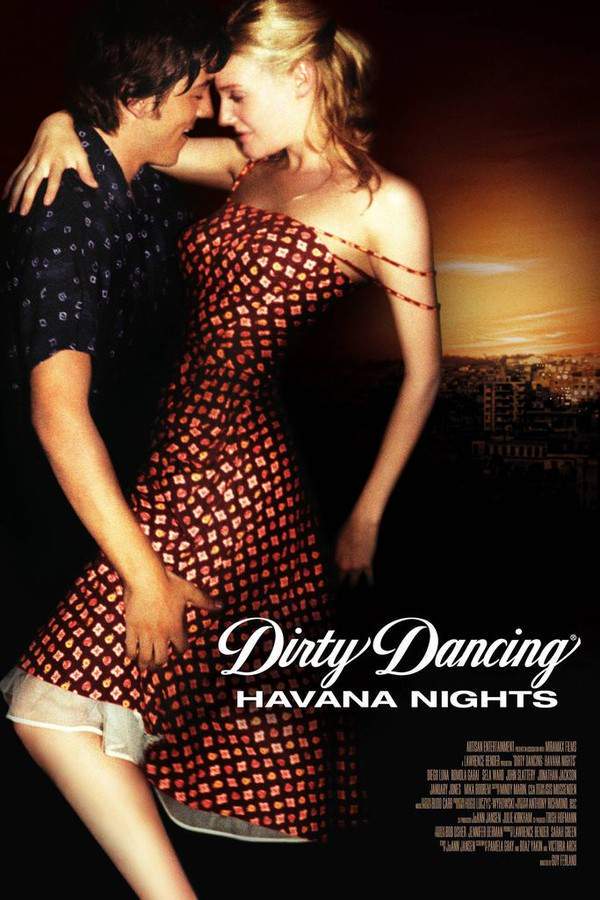
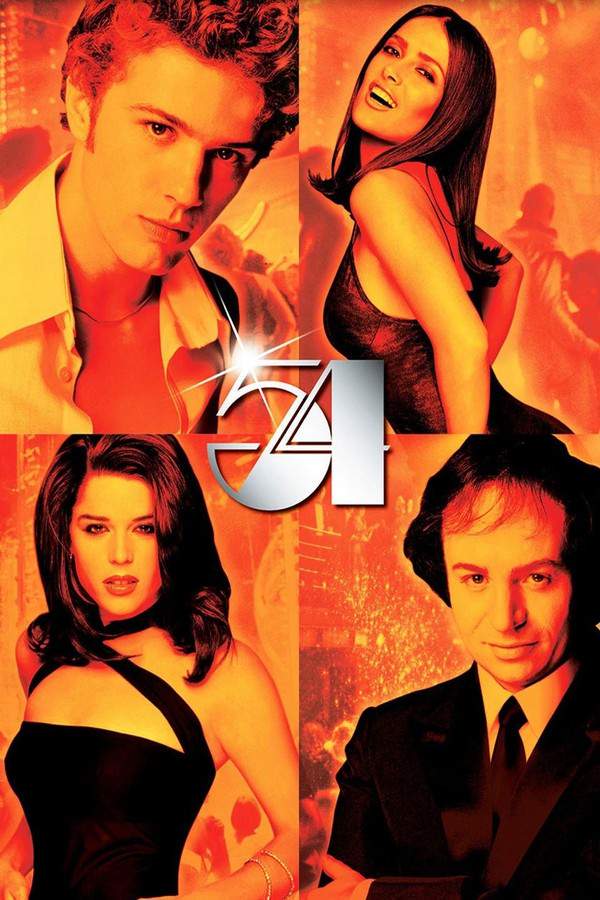
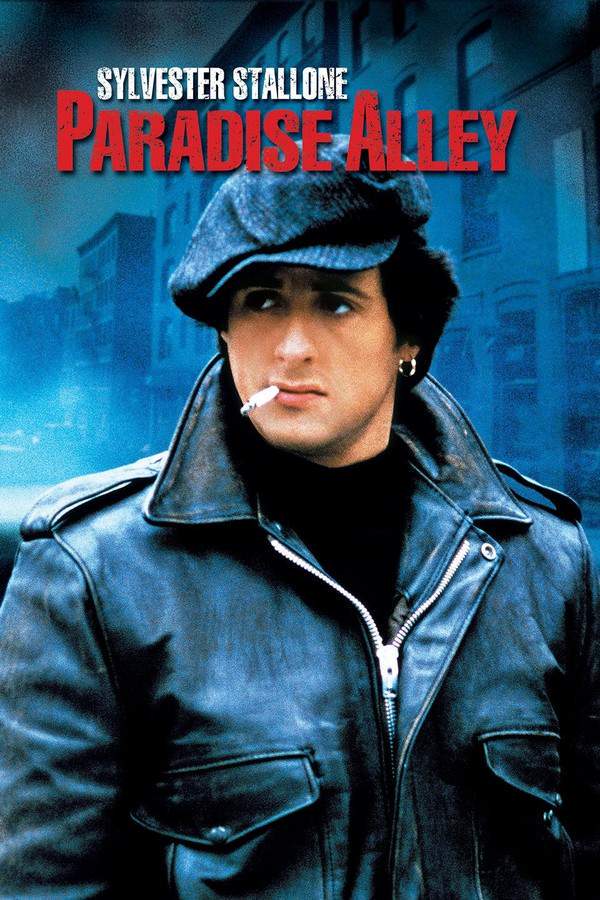
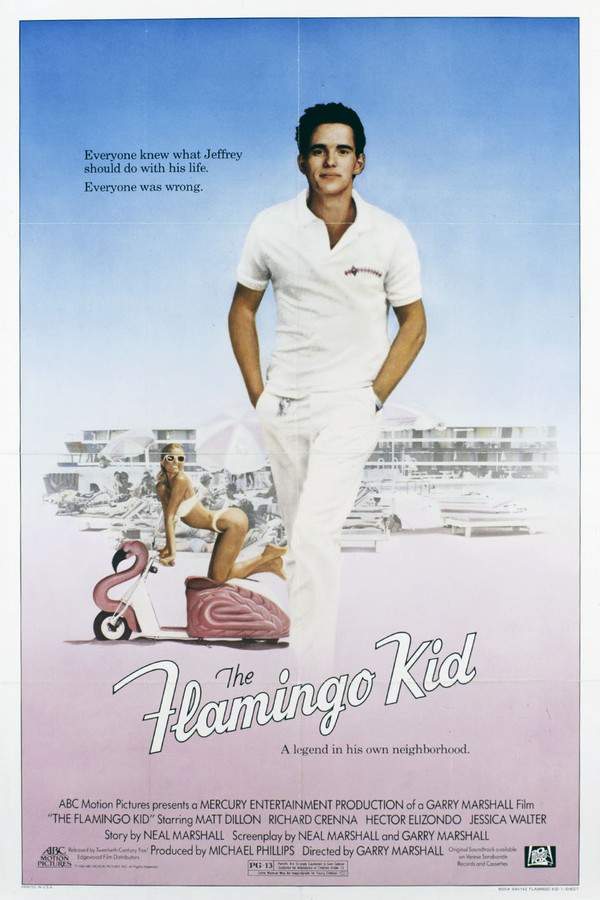
Movies with Similar Twists and Themes
Uncover films that echo the narrative beats, emotional arcs, or dramatic twists of the one you're exploring. These recommendations are handpicked based on story depth, thematic resonance, and spoiler-worthy moments — perfect for fans who crave more of the same intrigue.


Featured on this page

What's After the Movie?
Not sure whether to stay after the credits? Find out!
Check out our other apps:

SAT Sphere
Build confidence for the Digital SAT.

Mori Atlas
Discover wild places worth protecting.

Luntero
Search smarter for a home in Amsterdam.

Plot Explained
Unravel movie endings and hidden clues.

Pokechamp
Dive into Pokémon data and battle logic.

Driving Theory
Get ready for your European theory test.

Movie Dust
Plan your next cinema trip with ease.

Musemap
Find art and culture as you travel.

Selkobase
Compare credentials before committing.

Local Manual
Turn an unfamiliar country into practical next steps.

Lernavi
Compare school systems before your next move.

GymRoam
Find a workout stop wherever your plans take you.
Explore Our Movie Platform
New Movie Releases (2026)
Famous Movie Actors
Top Film Production Studios
Movie Plot Summaries & Endings
Major Movie Awards & Winners
Best Concert Films & Music Documentaries
Movie Collections and Curated Lists
© 2026 What's After the Movie. All rights reserved.
Privacy Policy