What Is Rurouni Kenshin: The Beginning About?
The premise of Rurouni Kenshin: The Beginning in 295 words, with nothing given away. The full story follows below.
In the waning days of the Tokugawa shogunate, Japan teeters on the edge of revolution. The streets of Kyoto pulse with clandestine intrigue, and the clash between tradition and a burgeoning modernity casts a restless shadow over every alley and tea house. Against this backdrop, a restless energy drives the nation toward an uncertain future, where warriors must choose between loyalty to the old order and the promise of a new age.
Enter the feared Kenshin, a legendary swordsman whose legend as the Battosai—an assassin of unrivaled skill—has spread like whispered legend across the land. His reputation is built on a cold efficiency that has made him both a prized asset to the revolutionary cause and a figure of dread to those who would oppose it. Yet beneath his stoic exterior lies a conflicted soul, searching for purpose beyond the blade that has defined his life.
His world is altered the moment he encounters Tomoe, a gentle and striking young woman whose serene presence conceals a deep, personal sorrow. Their meeting is brief yet charged, sparking a subtle shift in his relentless resolve. Tomoe’s quiet strength and the mystery that lies behind her eyes hint at a path that could lead Kenshin away from the darkness of his past and toward something softer, yet no less formidable.
The film weaves together sweeping vistas of a nation in transition with intimate moments of introspection, balancing kinetic swordplay with a lingering melancholy. Its tone is both grand and personal, inviting the audience to feel the weight of history while rooting for a man who yearns for redemption. As the story unfolds, the promise of change hangs in the air, suggesting that even the most hardened warrior may find a new purpose when faced with an unexpected connection.
What Happens in Rurouni Kenshin: The Beginning?
The complete story of Rurouni Kenshin: The Beginning, from the first scene to the last, in 690 words (about 3 minutes). Spoilers throughout.
Spoilers ahead
Himura Kenshin [Takeru Satoh] is a political assassin who fights as part of the revolution aiming to topple the Tokugawa shogunate during the Bakumatsu in Kyoto. He joins the Chōshū clan and soon works for their leader, Katsura Kogorō, as an assassin alongside I’izuka [Shima Onishi], the examiner of executions. During one of the actions, a member of the Kyoto Watch wounds Himura in his final moments, leaving him puzzled and unsettled.
One evening, while out for a drink, he steps in to intervene with supposed members of the revolution who demand to be treated as heroes by a woman named Yukishiro Tomoe [Kasumi Arimura]. He is attacked by an unknown assassin but manages to slay him. In the aftermath, Himura finds Tomoe watching him and brings her back to his hideout, an inn used by the Chōshū revolutionaries. The next morning, Tomoe decides to stay and work at the inn. Kenshin is initially taken aback, especially as she questions and challenges his philosophy about whom he chooses to kill.
When Katsura learns of Kenshin’s new relationship, he questions Tomoe’s influence on him. During the Ikedaya incident (1864), an armed clash between the Ishin Shishi—comprising masterless samurai seconded by the Chōshū and Tosa clans—and the Bakufu’s Shinsengumi, Kenshin rushes to the Ikedaya Inn to protect the Choshu and to rescue Katsura, but is delayed by the Shinsengumi captain Okita Sōji [Nijiro Murakami].
Before Katsura goes into hiding, he arranges for Kenshin and Tomoe to hide in the village of Otsu, outside Kyoto, asking Tomoe to look after Himura and pretend to act as husband and wife so that Himura will not be suspected. In the village, Kenshin learns to be a farmer and begins to understand what peace and happiness could mean in the new era.
Tomoe’s brother Enishi Yukishiro [Towa Araki] arrives, revealing that the two of them are spies working for the Yaminobu who are pro-shogunate and have been planning to entrap and kill Battosai the whole time. Tomoe refuses to continue with them and asks Enishi to return home to Edo, causing Enishi to lash out in anger. When Kenshin returns, he learns from Tomoe that she was once engaged to be married; however, her fiancé was killed before the wedding. Kenshin consoles her and tells her that she has done enough and that she should no longer carry the pain. As they grow closer, they share a bond as husband and wife, and Kenshin promises that he will find a way to stop killing in the new age and will protect her happiness.
The next day, Tomoe meets with the leader of the Yaminobu but is used as a pawn to weaken Kenshin. Kenshin goes to the Yaminobu to rescue her and is visibly distressed and distracted, having learned that Tomoe’s fiancé was the Kyoto Watch member he had killed. Despite this emotional turmoil, he remains a capable fighter. When Tatsumi [Kazuki Kitamura], the leader of the Yaminobu, moves to kill him, Kenshin’s senses are blurred by the moment—yet Tomoe intervenes by restraining Tatsumi. Unaware that Tomoe is right in front of him, Kenshin deals a death blow, killing Tatsumi as well as fatally wounding Tomoe. Taking her last breath, Tomoe carves another scar on Kenshin’s cheek with her dagger, completing the cross-shaped mark that her fiancé had begun, and she apologizes for the pain she has caused.
Shortly after, Katsura visits Kenshin at the village house to inform him that they have discovered a spy among their ranks, though Kenshin must still be prepared to join them in battle. Kenshin resolves that once the new era arrives, he will never kill again. He finishes Tomoe’s diary, which explains how she evolved from seeking revenge for her fiancé to falling in love with his killer, and finally choosing to help preserve him. The film ends with the Battle of Toba–Fushimi (1868), where the Chōshū win their clash against rivals. With the Bakumatsu concluded, Kenshin faces a last challenge from Saito Hajime [Yosuke Eguchi], but he lays down his sword and vanishes into the Meiji era, leaving behind the legend of Battosai for the years to come.
Rurouni Kenshin: The Beginning Timeline: Every Key Event in Order
14 key events in the order they happen, from “Kenshin's emergence as an assassin in Bakumatsu Kyoto” to “The Battle of Toba–Fushimi and the dawn of Meiji”. 14 events name a place, across 11 locations.
- 1
Kenshin's emergence as an assassin in Bakumatsu Kyoto
Himura Kenshin, also known as Hitokiri Battosai, is a feared political assassin during the Bakumatsu. He aligns with the Chōshū clan and works under Katsura Kogorō and the agent I'izuka as they push to overthrow the shogunate. This period establishes his deadly reputation and sets the political stakes that frame his actions.
When:Bakumatsu, early 1860s Where:Kyoto, Japan
- 2
Kenshin is wounded during an assassination and questions his path
During one assassination, a member of the Kyoto Watch wounds Kenshin in his final moments, leaving him puzzled about why the wound was inflicted. The injury unsettles him and foreshadows a personal conflict between his former life of killing and a possible new path. The encounter intensifies the tension between his violent past and the future he might choose.
When:1860s Where:Kyoto, Japan
- 3
Kenshin intervenes with revolutionaries and meets Tomoe
That evening, Kenshin intervenes with revolutionaries who demand heroic status from a woman named Tomoe. He defeats an unknown assassin and then takes Tomoe back to the inn where Chōshū revolutionaries hide, sparking an uneasy bond. Tomoe's presence begins to challenge Kenshin's philosophy on who deserves to be killed.
When:Evening, in Kyoto Where:Kyoto, at the Chōshū inn
- 4
Tomoe begins working at the inn and Kenshin questions his code
Next morning, Tomoe decides to stay and work at the inn, and Kenshin is surprised by her blunt questions about his killing. She starts to see beyond Battosai's mask and questions the cycle of violence. The two begin to learn each other's motives and form a fragile companionship.
When:Next morning Where:Chōshū inn, Kyoto
- 5
Katsura questions Tomoe's influence on Kenshin
Katsura informs Kenshin that Tomoe's influence worries him, foreshadowing complications in their alliance. The concern highlights the political stakes of Kenshin's relationships and the risk of betrayal. Kenshin's loyalty is tested as the couple's bond deepens and their pasts collide.
When:Before Ikedaya, 1864 Where:Kyoto, Katsura's residence
- 6
Ikedaya incident stakes rise as Shinsengumi strike
During the Ikedaya incident, the Shinsengumi raid the Ikedaya Inn to strike at the Ishin Shishi, overwhelming the Chōshū. Kenshin rushes to protect Katsura and the revolutionary faction but is delayed by Okita Sōji. The raid forces the group to withdraw and marks a turning point in Kenshin's resolve.
When:1864 Where:Ikedaya Inn, Sanjō-Kawaramachi, Kyoto
- 7
Katsura hides Kenshin and Tomoe in Otsu
After Ikedaya, Katsura arranges for Kenshin and Tomoe to hide in the village of Otsu, outside Kyoto, with Tomoe posing as a wife to shield him from suspicion. The shelter gives them a chance to regroup away from the capital's attention. Kenshin begins to glimpse a life beyond constant killing and the power of peace.
When:Post-Ikedaya, 1864 Where:Otsu, outside Kyoto
- 8
Kenshin learns farming and tastes peace in Otsu
In Otsu, Kenshin learns to farm and discovers a sense of peace and happiness he had never known. He starts to understand what a future without killing might look like. Tomoe supports his transformation as they grow closer as husband and wife.
When:During stay in Otsu Where:Otsu, outside Kyoto
- 9
Enishi arrives and the spy plot is revealed
Tomoe's brother Enishi arrives, revealing the siblings are spies for the Yaminobu and have been intending to entrap Battosai. Tomoe refuses to continue the collaboration and asks Enishi to return home to Edo, angering him. The tension between loyalty to the mission and love for Tomoe deepens the danger surrounding Kenshin.
When:During the stay in Otsu Where:Otsu, village
- 10
Tomoe's past and Kenshin's vow deepen their bond
Tomoe reveals that she was once engaged and that her fiancé was killed before the wedding. Kenshin consoles her and vows that once the new era arrives, he will never kill again and will protect her happiness. Their bond deepens as they dream of a gentler future.
When:Following Enishi confrontation Where:Otsu, village house
Show the other 4 events of Rurouni Kenshin: The Beginning Hide the last 4 events
- 11
Tomoe is used by the Yaminobu; Kenshin rescues her amid a brutal fight
The Yaminobu use Tomoe as a pawn to weaken Kenshin, prompting him to rescue her. He fights despite being emotionally unsettled, and is temporarily blinded by exploding sulfur, unable to see or hear clearly. Tomoe intervenes to restrain Tatsumi, and Kenshin lands a death blow, fatally wounding Tomoe in the process.
When:During confrontation with Tatsumi Where:Yaminobu hideout
- 12
Tomoe dies and leaves a lasting scar
Tomoe dies after the confrontation, carving a cross-shaped scar on Kenshin's cheek with her dagger and apologizing for the pain she caused. Kenshin is left to bear the weight of her death and the vow he has made. Her last act seals his transformation and the personal cost of his pledge to stop killing.
When:Post-fight Where:Yaminobu hideout
- 13
Katsura confirms Iizuka's betrayal and Kenshin reads Tomoe's diary
Katsura visits Kenshin back at the village house to inform him that Iizuka was also a spy, reinforcing Kenshin's obligation to participate in the coming battles. Kenshin resolves to live without killing once the new age arrives, continuing his personal vow. He also finishes reading Tomoe's diary, which records her evolution from avenger to lover to ally who helped shape his fate.
When:After Tomoe's death, before final battle Where:Village house
- 14
The Battle of Toba–Fushimi and the dawn of Meiji
At the Battle of Toba–Fushimi in 1868, the Chōshū forces prevail over their rivals, signaling the end of the Bakumatsu. Kenshin faces a final sword challenge from Saito Hajime but walks away from bloodshed, laying down his blade as Japan enters the Meiji era. The story closes with Battosai vanishing for ten years, leaving the next chapter of his life unresolved in a changing country.
When:1868 Where:Battle of Toba–Fushimi, Kyoto region
Who Are the Main Characters in Rurouni Kenshin: The Beginning?
7 characters, among them Kenshin Himura (Takeru Satoh), Tomoe Yukishiro (Kasumi Arimura) and Enishi Yukishiro (Towa Araki): who each one is and the part they play in the story. Every profile links to the actor’s page.
- KH
Kenshin Himura (Takeru Satoh)
Played by Takeru Satoh
Kenshin is a legendary former assassin known as Hitokiri Battosai who fights to protect others without taking lives. Haunted by a brutal past, he seeks peace and vows never to kill again, choosing a wandering path that emphasizes mercy. The film follows his inner conflict as he mentors in compassion while still being drawn into political violence. His cross-shaped scar begins to symbolize a pledge to redefine strength in the new era.
- 🗡️ Assassin
- 🕊️ Pacifist
- 🗺️ Wanderer
-
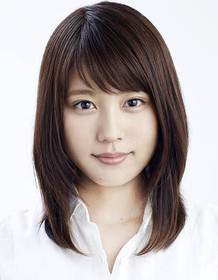
Tomoe Yukishiro (Kasumi Arimura)
Played by Kasumi Arimura
Tomoe is initially a spy connected to pro-shogunate forces who becomes entangled with Kenshin as they hide at the Choshu inn. Her relationship with Kenshin evolves from manipulation to genuine affection, challenging his creed about killing. She is pivotal in revealing Kenshin’s vulnerabilities and ultimately pays a tragic price for their connection. Tomoe’s diary reveals how love can alter loyalties and the course of history.
- 🧭 Spy
- 💔 Tragic romance
- 🗡️ Influence
- EY
Enishi Yukishiro (Towa Araki)
Played by Towa Araki
Enishi is Tomoe’s brother and a covert Yaminobu operative whose presence foreshadows the more personal vengeance that will come. He embodies the era’s suspicion and betrayal, pressing Tomoe to betray Kenshin. His role marks the tension between love and loyalty, as family ties complicate political games. He remains a catalyst for Kenshin’s deeper struggle with violence.
- 🧭 Betrayal
- 🗡️ Spy
- 🧩 Family ties
- ST
Shinsaku Takasugi (Masanobu Ando)
Played by Masanobu Ando
Takasugi is a radical Chōshū strategist who organizes and collaborates with Kenshin’s allies to reshape Japan. He embodies revolutionary zeal and cunning, often blurring lines between liberty and extremism. His actions push Kenshin toward choosing a new path rather than simply killing for a cause. His presence adds political depth to the conflict.
- 🗺️ Strategist
- ⚔️ Revolutionary
- 🧭 Pragmatic
- T(
Tatsumi (Kazuki Kitamura)
Played by Kazuki Kitamura
Tatsumi is the leader of the Yaminobu, using espionage and manipulation to test Kenshin and the revolutionaries. He embodies the shogunate’s lingering power and the lengths some will go to prevent a change of era. His clashes with Kenshin culminate in violent confrontations that define the fall of the old order. He remains a symbol of the price paid for political upheaval.
- 🗡️ Assassin
- 🗺️ Spy
- ⚖️ Power broker
- SH
Saito Hajime (Yosuke Eguchi)
Played by Yosuke Eguchi
Saito is a Shinsengumi captain, a disciplined swordsman who embodies the shogunate’s fanatical defense of the status quo. He pursues Kenshin with ruthless efficiency, highlighting the moral gray areas of loyalty and violence. His presence tightens the tension at Ikedaya and underscores the costs of the coming Meiji change. Despite rivalry, he represents the relentless push toward order over chaos.
- ⚔️ Shinsengumi
- 🗡️ Rival
- 🕵️️ Duty
- SO
Soji Okita (Nijiro Murakami)
Played by Nijiro Murakami
Soji Okita is Shinsengumi's captain and Kenshin’s formidable rival in the pursuit of order through force. He is driven, sharp, and unyielding, embodying the militant wing of the era. His clashes illustrate the personal cost of political violence and the complexities of loyalty to the Shogunate. He remains a looming threat as the era moves toward change.
- 🗡️ Captain
- ⚔️ Rival
- 🧭 Loyalist
Where and When Is Rurouni Kenshin: The Beginning Set?
Rurouni Kenshin: The Beginning is set in Kyoto, Ikedaya Inn and Otsu (Bakumatsu to early Meiji era). Here is why the time and place matter to the story.
When
Bakumatsu to early Meiji era
Set in the late 1860s, the film follows the decline of the Tokugawa shogunate and the rise of a modern Japan. Real milestones like the Ikedaya Incident (1864) and the Battle of Toba–Fushimi (1868) anchor the drama in history. The period is marked by upheaval, shifting loyalties, and the personal cost of violence as the old order collapses.
Where
Kyoto, Ikedaya Inn, Otsu
The film is set in Kyoto during the Bakumatsu, with political factions clashing on urban streets and at clandestine venues. Ikedaya Inn in Sanjō-Kawaramachi serves as a focal point for revolutionary plots and Shinsengumi activity, while Otsu provides a quiet rural refuge away from the capital. The settings capture a Japan on the cusp of the Meiji Restoration, where violence, loyalty, and reform intersect.
- 🏯 Historical
- 🗺️ Bakumatsu
- ⚔️ Samurai
What Are the Themes of Rurouni Kenshin: The Beginning?
4 ideas the story keeps returning to, among them Nonviolence, Love & Betrayal and Loyalties & Revolution.
-
01
Nonviolence
Kenshin’s vow to never kill again drives his path as a protector rather than a killer. The film contrasts his brutal past with a hopeful future, exploring whether peace is possible in a turbulent era. His actions test the limits of mercy, and his personal cost highlights the price of choosing peace over power.
-
02
Love & Betrayal
Tomoe’s presence entangles Kenshin in a complicated romance that challenges his creed. Their relationship moves from suspicion to affection, forcing Kenshin to confront the human cost of violence. Tomoe’s secrets and tragic fate test loyalty, memory, and the possibility of redemption through love.
-
03
Loyalties & Revolution
The Bakumatsu era compels characters to pick sides—rebel factions, pro-shogunate forces, and reformist groups collide. The film maps how shifting loyalties shape personal destinies and national outcomes. Power struggles and espionage push Kenshin toward a decision about his own path in the new era.
-
04
Growth & Transformation
Kenshin experiences a rural apprenticeship, learning to farm and model a different kind of strength. The countryside scenes contrast with the city’s violence, showing how ordinary labor can foster inner peace. The Meiji transition becomes a test of whether a former killer can redefine himself.
What Kind of Film Is Rurouni Kenshin: The Beginning?
Melancholic in tone, with variable pacing and a moderate story, going by the plot summary.
- Tone
- Melancholic
- Pacing
- Variable
- Story
- Moderate
- Intensity
- High
- Ending
- Bittersweet
A somber and intense historical tragedy that charts an assassin's doomed romance, building from political tension to a quiet, reflective interlude before culminating in a devastatingly violent and fateful climax.
- tragic
- melancholic
- tense
- reflective
- grim
- romantic
- redemption
- love and loss
- political revolution
- assassin's guilt
Content notes: graphic violence, bloodshed, major character death, traumatic loss.
Quiz
How well do you remember Rurouni Kenshin: The Beginning? Test yourself on the story.