
Shinobi: Heart Under Blade 2005

Directed by

Ten Shimoyama
Made by

Yomiuri Telecasting Corporation
Shinobi: Heart Under Blade Plot Summary
Read the complete plot summary and ending explained for Shinobi: Heart Under Blade (2005). From turning points to emotional moments, uncover what really happened and why it matters.
Set in the years immediately after the Sengoku period, two mercenary clans—the Iga and the Kouga—have waged a centuries‑long vendetta that shapes their every move. Around 1614, Tokugawa Ieyasu (played by Kazuo Kitamura), the ruler who wouldFOUND the Tokugawa Shogunate, views their feud as a threat to his fragile grasp on power and decides to turn it into a public, high‑stakes contest. To ensure the drama, he invites each clan to pick five of its fiercest warriors to fight to the death, designating the leaders for each side: Kouga Gen-no-suke (played by Joe Odagiri) and Oboro (played by [Yukie Nakama]), two lovers who have kept their marriage secret even as they are pulled into this political trap.
At first, both leaders strive for peace and cling to the value of life, attempting to unravel the shogunate’s motives and to prevent the brutal bout from escalating. The air is thick with doubt as the battles claim more and more comrades, and the once‑clear line between loyalty and love becomes blurred. The couple’s internal conflict mirrors the larger clash between clans, as personal affection collides with centuries of tradition and duty. Throughout this tense arc, the audience is treated to a nuanced look at loyalty, sacrifice, and the heavy costs of political theater.
As the deaths pile up, the lovers confront an almost inescapable fate. In the climactic duel, Kouga Gen-no-suke chooses restraint and ultimately allows Oboro to strike, effectively letting the Iga clan appear to win the day. This act of self‑control and devotion reframes the outcome from mere victory to a moment of undeniable tragedy, underscoring the human cost behind every strategic move in this deadly game.
Moved by the devastating consequences of the feud and by the bravery and sorrow of Oboro, Tokugawa Ieyasu weighs mercy against massacre. He responds not with more bloodshed but with a surprising mercy: he halts the annihilation of the ninja villages. To demonstrate her sincerity and to strip away her most formidable weapon, Oboro blinds herself, sacrificing her famous power—her eyes, associated with the deadly technique known as Piercing Eyes (破幻之瞳, Hagen no Dō). Her drastic act moves Ieyasu to withdraw his armies and issue a protective injunction over the ninja settlements. In time, generations pass and the ninja villages live on in a fragile but enduring peace.
The film weaves a dense tapestry of political intrigue and intimate emotion, reminding viewers that history’s grand sweep often rests on the quiet, painful choices of individuals. It balances sweeping battles with intimate moments of tenderness and resolve, showing how a single decision can reshape an entire world. The story is built around a diverse cast of characters who populate both sides of the feud and who add texture to the political landscape, from seasoned masters to young and devoted followers, each contributing to the legacy of what happens when loyalty collides with love.
The ensemble includes notable performances that deepen the world. One may encounter Hattori Hanzou, a skilled Iga strategist, brought to life by Yutaka Matsushige, whose presence anchors the action with a blend of precision and restraint. The world also features O‑Gen, portrayed by Lily, whose experiences help illuminate the human stakes behind the conflict. And among the Yagyu, the enigmatic Yagyu Jyubei Mitsuyoshi is embodied by Masaki Nishina, adding a layer of political intrigue and loyalty that enriches the narrative.
In the end, the film leaves viewers with a meditation on peace earned through sacrifice, and a reminder that mercy can emerge from the most brutal of theaters. It is a careful, respectful reimagining of a legendary saga, told with a modern clarity that honors its historical roots while inviting audiences to feel the weight of every choice made in the name of clan, country, and love.
Shinobi: Heart Under Blade Timeline
Follow the complete movie timeline of Shinobi: Heart Under Blade (2005) with every major event in chronological order. Great for understanding complex plots and story progression.
Longstanding vendetta between Iga and Kouga
Set in the Sengoku period, the Iga and Kouga ninja clans have waged a merciless vendetta for centuries. Their rivalry shapes regional politics and fuels ongoing skirmishes across the countryside. The fragile peace is always at risk whenever either side gains strength.
Tokugawa Ieyasu orchestrates a deadly contest
Around 1614, Tokugawa Ieyasu, seeking stability for his new regime, deliberately stirs the feud by inviting each clan to select five of its best warriors to fight to the death. The contest is framed as a test of loyalty and power, designed to weakly decide leadership while diverting attention from political consolidation. This ploy sets the stage for the lone tournament that will decide the clans' fate.
Gennosuke and Oboro named clan leaders; secretly married
Kouga's Gennosuke and Iga's Oboro are designated as leaders of their respective clans. Their secret marriage adds a personal layer to the political maneuver, forcing them to confront love within a deadly setup. The couple's bond makes them reluctant participants in the blood feud.
Early attempts to prevent the fatal game
Gennosuke and Oboro try to prevent the fight by questioning the shogunate's motives and seeking a peaceful resolution. They appeal to the higher authorities and to their people, defending life and warning against the pointlessness of the vendetta. Their efforts reveal their hope to spare their clans from unnecessary slaughter.
The tournament begins; comrades fall
As the five fighters from each clan enter the brutal contests, dozens of comrades fall in the deadly rounds. The leaders watch in growing despair as friends and allies die, the violence revealing the true cost of the feud. The cycle of vengeance tightens around the remaining fighters.
Gennosuke and Oboro confront fate
With the loss of so many allies, the couple gradually accepts that the feud may be doomed to continue until their deaths. They acknowledge the futility of the political trap and begin to steel themselves for the final sacrifices. Their love remains a private sanctuary amid the public spectacle.
The last duel narrows to two
Only Gennosuke and Oboro stand as the last opponent pair, forcing a final, public duel. The tension between loyalty to clan and love for each other reaches its peak as expectations of victory weigh heavily. The duel is framed as both a personal and political climax.
Gennosuke yields; Oboro kills him
In the climactic fight, Gennosuke chooses not to defend himself, yielding to Oboro so she can kill him. By losing to his lover, he ensures a symbolic victory for Iga and a chance to break the cycle of vengeance. Oboro's act seals the fragile possibility of peace even as tragedy remains.
Ieyasu orders extermination of ninja villages
Following the deaths, Ieyasu orders his armies to wipe out the ninja villages of Iga and Kouga. The purge would erase generations of hidden power and threaten both clans' legacies. The political scheme seems to threaten any hope of lasting peace.
Oboro pleads for mercy; offers to blind herself
Oboro confronts Ieyasu and pleads that he spare the villages from destruction. She offers to prove her sincerity by sacrificing her sight, as a warrior’s weapon that had kept the villages at risk. Her plea marks a turning point in the exchange.
Blinding reveals a new form of power
To demonstrate her sincerity, Oboro blinds herself, destroying her piercing eyes—the source of a deadly technique. The act is both self-sacrifice and a strategic move to remove the clans' most feared weapon. The self-inflicted loss alters Ieyasu's perception of the feud.
Ieyasu relents; peace and protection secured
Moved by Oboro's sacrifice, Ieyasu withdraws his armies and issues an injunction to protect the ninja villages. The decision halts the purge and sets a fragile peace that would endure for generations. The clans are forced to recalibrate their identities around survival and coexistence.
Generations of peace after the vow
From that point onward, the ninja villages live in relative peace, their secrecy preserved and their lines unbroken. The alliance between the surviving clans and the shogunate shapes future generations' politics and culture. The legend of Oboro and Gennosuke becomes a remembered turning point.
Shinobi: Heart Under Blade Characters
Explore all characters from Shinobi: Heart Under Blade (2005). Get detailed profiles with their roles, arcs, and key relationships explained.
Kouga Gen-no-suke (Joe Odagiri)
A skilled ninja leader of the Kouga clan, adept in combat and strategy. He is torn between his love for Oboro and his duty to his clan, ultimately choosing a path that sacrifices his own survival for the broader goal of peace. In the final duel, he intentionally does not defend himself, letting Oboro kill him to ensure a more merciful outcome for the ninjas.
Oboro (Yukie Nakama)
A formidable kunoichi whose piercing eyes are feared as a deadly weapon. She is Kouga Gennosuke's secret lover, and she blinds herself to demonstrate sincerity and to protect the ninja villages from further bloodshed. Her sacrifice embodies resilience and the hope for a peaceful future for both clans.
Tokugawa Ieyasu (Kazuo Kitamura)
The shogun who uses the vendetta to solidify his grip on rival clans and to lay the groundwork for a centralized rule. He is moved by Oboro's sacrifice and ultimately withdraws his armies to spare the ninja villages, signaling a shift toward mercy over conquest.
Shinobi: Heart Under Blade Settings
Learn where and when Shinobi: Heart Under Blade (2005) takes place. Explore the film’s settings, era, and how they shape the narrative.
Time period
1614 (early 17th century)
Set around 1614, at the close of the Sengoku period and the early days of the Tokugawa Shogunate. Japan is transitioning from constant warring factions to centralized rule, shaped by political plots and alliances. Ninja villages are targeted as part of Ieyasu's consolidation of power.
Location
Iga, Kouga
Set in the Iga and Kouga regions, two historic ninja heartlands in feudal Japan. The film centers on the feud between rival clans and the fragile peace they seek amid looming political plots. The landscapes span rugged mountains and fortified towns that symbolize the era's clan-centric power.
Shinobi: Heart Under Blade Themes
Discover the main themes in Shinobi: Heart Under Blade (2005). Analyze the deeper meanings, emotional layers, and social commentary behind the film.
💘
Love vs Duty
Kouga Gennosuke and Oboro navigate a forbidden romance amid a brutal vendetta between their clans. Their relationship challenges loyalty to kin and country, forcing them to weigh personal happiness against political necessity. The looming duel exaggerates the cost of love in a society governed by honor and obedience. The couple's decisions reveal how love can be both a strength and a tragic vulnerability.
🏯
Power and Politics
Tokugawa Ieyasu uses the vendetta to test and strengthen his grip on rival clans and to establish control over the ninja villages. The leaders of Iga and Kouga are summoned to fight to the death, turning personal rivalries into political theater. As blood flows, the movie critiques how state power manipulates violence and loyalty for state-building. The culmination shows mercy and protective policy overshadowing punitive force.
🕊️
Sacrifice and Mercy
Oboro blinds herself as a testament of sincerity and to remove her most dangerous weapon—the 'Piercing Eyes.' This self-inflicted sacrifice aims to spare the villages from total annihilation and demonstrates a mercy beyond romance. Gennosuke's choice to forgo self-defense in the final duel underscores fate over individual vengeance. The ending reframes victory as peaceful coexistence rather than conquest.

Coming soon on iOS and Android
The Plot Explained Mobile App
From blockbusters to hidden gems — dive into movie stories anytime, anywhere. Save your favorites, discover plots faster, and never miss a twist again.
Sign up to be the first to know when we launch. Your email stays private — always.
Explore the mobile appShinobi: Heart Under Blade Spoiler-Free Summary
Discover the spoiler-free summary of Shinobi: Heart Under Blade (2005). Get a concise overview without any spoilers.
In the twilight of the Sengoku chaos, Japan is beginning to stitch together a fragile peace under the newly founded Tokugawa shogunate. Yet within the hidden valleys and moon‑lit rooftops, two ancient mercenary clans—the stealthy Iga and the proud Kouga—continue their centuries‑old vendetta, a deadly ballet of shadow and steel. Their rivalry is whispered in taverns and feared by warlords, a living legend that underscores the uneasy stillness of the era. The world of the film shimmers with the elegance of disciplined samurai culture while trembling with the ever‑present threat of blood‑soaked honor.
In the heart of this tension stand _Gennosuke_ , the stoic heir of the Kouga, and _Oboro_ , a lethal yet deeply intuitive warrior of the Iga. Bound by the unyielding codes of their families, they have clandestinely pledged themselves to one another, weaving a secret marriage that defies the ironclad traditions that have ruled their lives for generations. Their connection is a quiet ember amid roaring conflict—a blend of fierce loyalty, tender affection, and the constant fear of exposure. Every shared glance and whispered promise carries the weight of countless ancestors, making their bond both a source of strength and a perilous vulnerability.
When the shogun convenes the lords for the annual gathering, he announces a grim contest that will decide the fate of the rival villages: each clan must choose its five most accomplished shinobi to fight in a lethal tournament where only one side may claim victory. Gennosuke and Oboro are appointed to lead their respective teams, thrusting them into a crucible that tests not only their martial skill but also the fragile harmony of their secret love. The atmosphere is charged with a palpable electric tension—glimmering armor, whispered strategies, and the silent oath that the outcome will echo through the ages. As the blades are drawn and the stakes rise, the film invites the audience to linger on the delicate balance between duty and desire, honour and humanity, in a world where every breath could be the last.
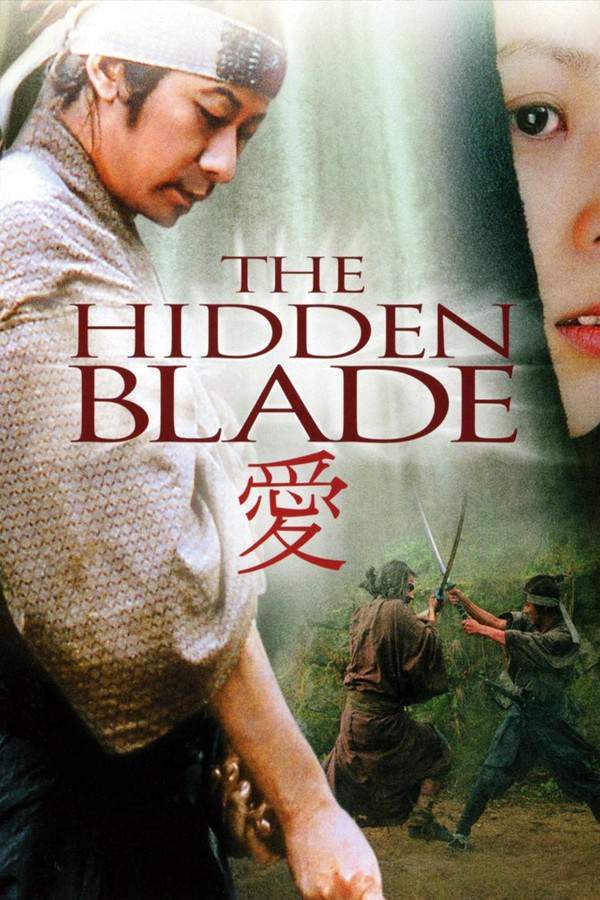
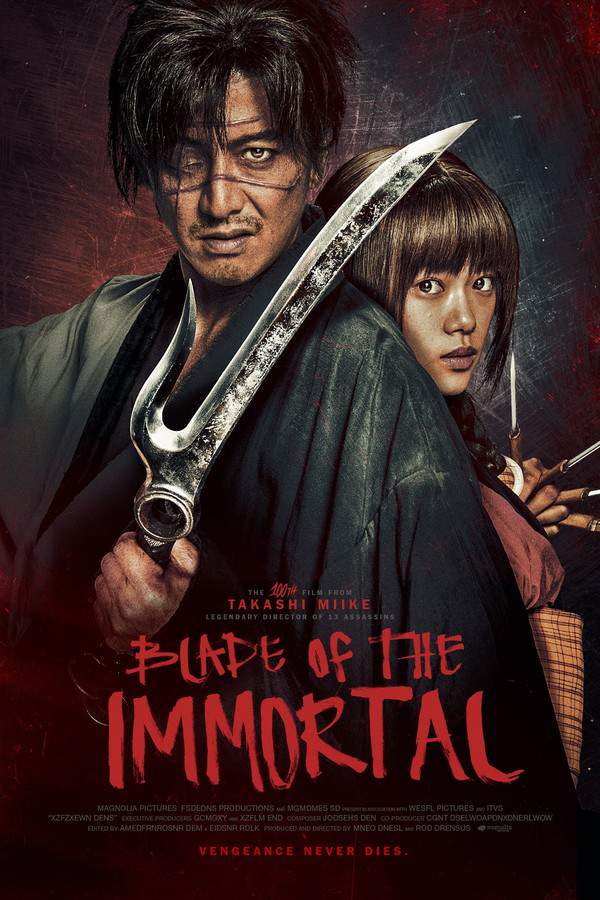
Movies with Similar Twists and Themes
Uncover films that echo the narrative beats, emotional arcs, or dramatic twists of the one you're exploring. These recommendations are handpicked based on story depth, thematic resonance, and spoiler-worthy moments — perfect for fans who crave more of the same intrigue.



Featured on this page

What's After the Movie?
Not sure whether to stay after the credits? Find out!
Check out our other apps:

SAT Sphere
Build confidence for the Digital SAT.

Mori Atlas
Discover wild places worth protecting.

Luntero
Search smarter for a home in Amsterdam.

Plot Explained
Unravel movie endings and hidden clues.

Pokechamp
Dive into Pokémon data and battle logic.

Driving Theory
Get ready for your European theory test.

Movie Dust
Plan your next cinema trip with ease.

Musemap
Find art and culture as you travel.

Selkobase
Compare credentials before committing.

Local Manual
Turn an unfamiliar country into practical next steps.

Lernavi
Compare school systems before your next move.

GymRoam
Find a workout stop wherever your plans take you.
Explore Our Movie Platform
New Movie Releases (2026)
Famous Movie Actors
Top Film Production Studios
Movie Plot Summaries & Endings
Major Movie Awards & Winners
Best Concert Films & Music Documentaries
Movie Collections and Curated Lists
© 2026 What's After the Movie. All rights reserved.
Privacy Policy