
Running on Karma 2003
Directed by
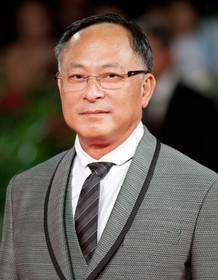
Johnnie To

Running on Karma Plot Summary
Read the complete plot summary and ending explained for Running on Karma (2003). From turning points to emotional moments, uncover what really happened and why it matters.
Big Andy Lau was once a Buddhist monk, but a strange awakening shifted the course of his life. He discovers that he can glimpse a person’s past lives, and through those visions he believes he can glimpse how karma will steer their futures. This extraordinary gift nudges him away from the quiet path of a monk and into a far more worldly scene: he becomes a bodybuilder who performs at a strip bar. It’s here that fate collides with Lee Fung-yee, Cecilia Cheung, an undercover CID officer whose duty is to uncover criminal plots and reveal hidden truths. Lee’s world brushes against Big’s in a moment that sets off a chain of revelations neither of them anticipated.
As Big evades capture and tries to escape Lee’s pursuit, a new vision blooms before him: a police dog on the trail of danger, and within the dog’s own past life a child who once inflicted harm on other dogs. That moment marks the first clear demonstration of Big’s abilities, a window into lives lived long before their present hour. The visions grow sharper when he sees Lee’s past life—an imprint of a Japanese soldier who harmed civilians. Despite the moral weight of that history, Big senses Lee’s kind heart and makes a choice to aid in a homicide investigation, even as he vows to walk away once justice is served.
The case itself unfolds through a series of past-life echoes. Big scrutinizes the corpse and uncovers how the deceased once betrayed a man in a previous life, a betrayal that this lifetime’s killer seeks to repay with blood. He also witnesses the murderer’s earlier act of severing the left arm of a one-horn beetle in a past life, a clue that hints at a present-day figure who bears a missing left arm and who will become key to solving the current crime. With this insight, Big helps the police close in on the killer and, in the process, saves Lee’s life. The arc of karma twists and turns as Lee’s own past sins and salvation collide with Big’s mission, and at one tense moment a furious sergeant is silenced by Big’s measured wisdom when he proclaims, “> One thought Heaven, One thought Hell.”
Lee’s journey deepens as she confronts the consequences of her past-life actions. She resolves to make amends by seeking out the killer who harmed Big’s childhood friend, a pursuit that leads her into the mountains. On the sixth day of her trek, she confronts the killer in a remote corner of the peak. The struggle ends with a brutal murder: Lee is struck and beheaded in a scene captured on her video camera. The evidence is found by a search party and shown to Big, who is outraged by the loss. He ventures to the mountains, guided by the ticking of Lee’s watch, and discovers her buried body and the killer’s trail. What follows is a confrontation that transcends revenge: Big tracks the killer into an underground temple and there encounters a version of himself—his future, bloodthirsty self. The two face off, but their clash resolves not in further bloodshed, but in a moment of reconciliation through meditation and understanding.
After these revelations, Big—embracing the path he had once abandoned—renounces violence and chooses to live as a monk again, this time atop the mountains. The years roll by, and five years later he again encounters the killer who took Big’s childhood friend. This time, in a spirit of forgiveness, he guides him toward the proper path and hands him over to the police rather than seeking vengeance. The story circles back to a pivotal place—the place where Big believed he could never leap over—where the positive karma cultivated by Lee’s life and her efforts radiates outward to save him. The tale closes on a note of quiet redemption: the enduring power of compassion and karmic balance to shift even the darkest fates toward mercy and peace.
Running on Karma Timeline
Follow the complete movie timeline of Running on Karma (2003) with every major event in chronological order. Great for understanding complex plots and story progression.
Awakening shifts Big's path
Big, once a Buddhist monk, discovers he can glimpse past lives and foresee how karma guides destinies. This awakening pushes him away from the monastery and into a worldly life as a bodybuilder performing at a strip bar. The newfound power becomes the thread that ties the rest of the story together.
Fateful encounter with Lee Fung-yee
At the strip bar, fate collides with undercover CID officer Lee Fung-yee, and their paths cross as she pursues criminals. Big’s unusual talent draws attention from law enforcement and sparks a fragile partnership, even as he keeps his distance. The encounter plants the seed for a complicated alliance built on mutual curiosity and caution.
The first vision: the dog and a hidden past
During a pursuit by a police dog, Big experiences his first clear vision of a past life—the dog’s own history includes a child who harmed other dogs. The vision confirms his ability to connect present danger with ancient deeds. He begins to sense that memories can foretell threats and guide choices.
Seeing Lee's past life and choosing to help
Visions expand when Big sees Lee’s past life as a Japanese soldier who harmed civilians, a history that weighs on her conscience. Despite this heavy burden, he senses her kind heart and chooses to help in a homicide investigation. He vows to withdraw once justice is served, testing that vow against his growing sense of duty.
Past-life echoes reveal the killer's motive
The investigation unfolds through echoes of previous lives: the deceased betrayed a man in a former incarnation, and in this life the killer seeks to repay that debt with blood. Big uses these echoes to guide the police toward the killer and to map a pattern of revenge spanning lifetimes. The threads tighten around the present crime.
Beetle-arm clue ties to present-day suspect
Big witnesses the murderer’s earlier act of severing the left arm of a one-horn beetle in a past life, a clue pointing to a present-day figure with a missing left arm who will become pivotal to solving the case. The symbolic link deepens the connection between past and present. The discovery sharpens the detective work and moral stakes.
Big helps close in and saves Lee
Armed with the visions, Big helps the police close in on the killer and, in the process, saves Lee’s life from imminent danger. The collaboration deepens as his sight becomes a tool for justice. The incident confirms that his gift can protect rather than destroy.
Heaven and Hell: a sergeant's reckoning
During a tense moment, a furious sergeant is silenced by Big’s calm wisdom as he contrasts Heaven and Hell. The scene crystallizes the film’s core themes of karma, choice, and forgiveness. The exchange shifts the tone from anger to contemplation within the investigation.
Lee pursues the killer into the mountains
Lee pursues the killer into the mountains as part of her atonement for past sins, trekking toward a remote peak. The confrontation on the mountains tests her resolve and leads to the deadly revelation about the killer’s origins tied to Big’s childhood friend. The harsh landscape becomes the stage for a moral reckoning.
Lee's death and Big’s discovery
On the sixth day of the trek, Lee is struck and beheaded, and the brutal act is captured on her video camera. A search party later discovers her body, and Lee’s loss drives Big to follow the trail into the mountains. The incident becomes the catalyst for the temple confrontation and a confrontation with fate.
The underground temple and meeting his future self
Big tracks the killer into an underground temple and encounters a version of himself—his future, bloodthirsty self. The two clash, but the moment ends not with more violence but with a meditation that brings understanding. The encounter reframes revenge as reconciliation rather than victory.
Renunciation, forgiveness, and karmic closure
Big renounces violence and returns to the mountain monastery, beginning a quiet period of contemplation. Five years later he encounters the killer again and chooses mercy, guiding him toward the proper path and handing him to the police. The story closes on a note of compassion and karmic balance that transcends vengeance.
Running on Karma Characters
Explore all characters from Running on Karma (2003). Get detailed profiles with their roles, arcs, and key relationships explained.
Big (Andy Lau)
Once a Buddhist monk, Big discovers he can glimpse past lives and uses this gift to navigate a world of crime and desire. He evolves from a quiet monk to a worldly performer who still seeks moral balance, and ultimately to a man who renounces violence in favor of compassion. His visions drive him to protect others, even as he struggles with his own karmic burden.
Lee Fung Yee (Cecilia Cheung)
An undercover CID officer whose duty is to uncover crime and reveal truths while grappling with the weight of her past-life actions. She pursues the killer with determination, and her arc explores guilt, redemption, and the costs of seeking justice. Her fate is sealed by a brutal confrontation that tests her humanity and resolve.
The Killer
A relentless antagonist whose present crimes are echoed by past-life betrayals, driving the plot toward a final confrontation in an underground temple. Their actions reflect a cycle of vengeance that Big and Lee strive to break with understanding and restraint. The killer's presence is a catalyst for the themes of karma and forgiveness.
Running on Karma Settings
Learn where and when Running on Karma (2003) takes place. Explore the film’s settings, era, and how they shape the narrative.
Time period
Contemporary
The story unfolds in a contemporary setting where police work, nightlife, and spiritual questions intersect. Past-life visions thread through present-day investigations, shaping decisions and moral choices. The tone blends modern crime drama with existential reflections on karma, forgiveness, and personal transformation.
Location
Strip Bar, Mountains, Underground Temple
The film moves between a neon-lit strip bar where Big performs, the secluded mountains where he seeks quiet and redemption, and a hidden underground temple that becomes the stage for pivotal confrontations. The strip bar anchors the story in a gritty urban nightscape, while the mountains offer a stark shift to contemplation and monk-like solitude. An underground temple ties together past and present as a site of revelation and reconciliation.
Running on Karma Themes
Discover the main themes in Running on Karma (2003). Analyze the deeper meanings, emotional layers, and social commentary behind the film.
🔮
Karma
Actions from past lives ripple into the present, guiding or complicating Big and Lee Fung Yee as they navigate crime and consequence. Karma reshapes choices, pushing characters toward mercy rather than vengeance. The film suggests that recognizing one’s past can seed a more compassionate future.
💫
Past Lives
Visions of former selves reveal connections between events and people that seem unrelated in the present. The past acts as a map for solving crimes and healing old wounds, blurring the line between fate and responsibility. Memory is treated as a force capable of reorienting identity and ethics.
🕊️
Mercy
Redemption emerges through forgiveness rather than revenge, even when confronted with brutal acts. Big chooses nonviolence and guides the killer toward law and reform instead of vengeance. Compassion leads to a resolution that implies peace is possible when mercy guides action.

Coming soon on iOS and Android
The Plot Explained Mobile App
From blockbusters to hidden gems — dive into movie stories anytime, anywhere. Save your favorites, discover plots faster, and never miss a twist again.
Sign up to be the first to know when we launch. Your email stays private — always.
Explore the mobile appRunning on Karma Spoiler-Free Summary
Discover the spoiler-free summary of Running on Karma (2003). Get a concise overview without any spoilers.
In a world where ancient meditation meets neon‑lit nightlife, a disciplined monk discovers a startling ability: fleeting visions of people’s past lives that hint at the threads of their future. This gift pulls him away from the quiet cloisters of his monastery and into the bustling streets of the city, where he adopts the unlikely guise of a charismatic bodybuilder performing in a strip club. The film balances the fluid grace of kung fu with the flash‑filled energy of urban spectacle, setting a tone that is simultaneously meditative and kinetic.
Big—the monk‑turned‑performer—carries the weight of his spiritual training while navigating a realm of muscles, music, and mystery. His newfound capacity to glimpse karmic patterns makes him both an observer and a reluctant participant in the lives that cross his path. The atmosphere oscillates between the hushed contemplation of a temple and the pulsating rhythm of the city’s underbelly, creating a visual and emotional landscape where destiny feels both inevitable and mutable.
Enter Lee Fung‑yee, a determined police officer whose pragmatic dedication to uncovering hidden truths clashes with, yet is oddly complemented by, Big’s ethereal insights. Their partnership forms the film’s emotional core, blending her grounded investigative instinct with his otherworldly perception. Together they navigate a maze of clues, intuition, and unseen forces, each step hinting at how the balance of karma might be nudged toward a different future.
The story unfolds as a stylish meditation on fate, responsibility, and the possibility of altering one’s path through compassion and understanding. With lush choreography, sharp humor, and a lingering sense of mystery, the film invites viewers to wonder whether the past truly determines the present—or if the present can rewrite the script of destiny.
Movies with Similar Twists and Themes
Uncover films that echo the narrative beats, emotional arcs, or dramatic twists of the one you're exploring. These recommendations are handpicked based on story depth, thematic resonance, and spoiler-worthy moments — perfect for fans who crave more of the same intrigue.


Featured on this page

What's After the Movie?
Not sure whether to stay after the credits? Find out!
Check out our other apps:

SAT Sphere
Build confidence for the Digital SAT.

Mori Atlas
Discover wild places worth protecting.

Luntero
Search smarter for a home in Amsterdam.

Plot Explained
Unravel movie endings and hidden clues.

Pokechamp
Dive into Pokémon data and battle logic.

Driving Theory
Get ready for your European theory test.

Movie Dust
Plan your next cinema trip with ease.

Musemap
Find art and culture as you travel.

Selkobase
Compare credentials before committing.

Local Manual
Turn an unfamiliar country into practical next steps.

Lernavi
Compare school systems before your next move.

GymRoam
Find a workout stop wherever your plans take you.
Explore Our Movie Platform
New Movie Releases (2026)
Famous Movie Actors
Top Film Production Studios
Movie Plot Summaries & Endings
Major Movie Awards & Winners
Best Concert Films & Music Documentaries
Movie Collections and Curated Lists
© 2026 What's After the Movie. All rights reserved.
Privacy Policy