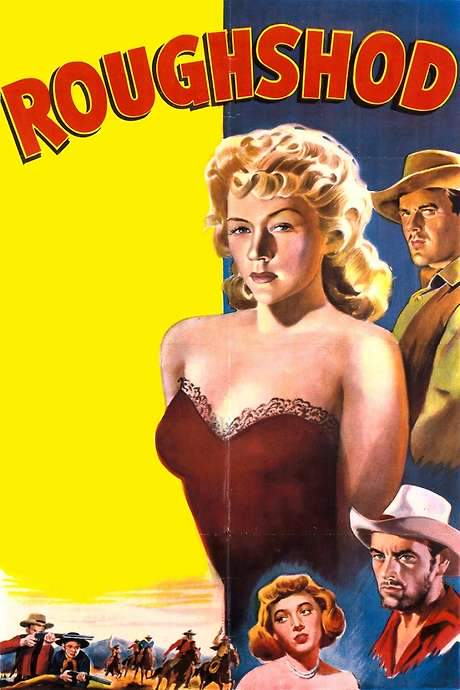
What Is Run for Cover About?
The premise of Run for Cover in 277 words, with nothing given away. The full story follows below.
In a dust‑kissed frontier where the line between order and chaos is drawn with a cracked sheriff’s badge, a haunted drifter who has just walked out of prison finds himself thrust into an uneasy role of authority. The town’s lawlessness is palpable, its streets echoing with restless whispers of past grievances and an unspoken yearning for a steady hand. Reluctantly appointed as sheriff, he must navigate a landscape that feels as unforgiving as the vast plains that surround it, all while the weight of his own shadowed past follows him like a constant wind.
Alongside him stands a troubled young sidekick, fresh‑faced but already bearing the scars of hardship. Davey Bishop brings a raw, defiant energy that both challenges and complements the drifter’s jaded experience. Their partnership is an uneasy dance of mentorship and rebellion, each learning to trust the other in a world that offers little forgiveness. Amid the simmering tension, a quiet romance blossoms with a local woman who embodies the town’s resilient heart. Helga Swenson provides a glimpse of tenderness and hope, reminding both men that redemption can be found in unexpected places.
Together, the unlikely duo must grapple with the expectations of a community that looks to them for stability, while they wrestle with their own doubts and aspirations. Their presence sparks a subtle shift in the town’s rhythm, inspiring a wayward youth to find purpose and breathing new life into a place on the brink of surrender. The film’s tone balances rugged Western grit with an undercurrent of introspective melancholy, promising a story about how two battered souls might carve out justice and meaning in a wilderness that has long forgotten both.
What Happens in Run for Cover?
The complete story of Run for Cover, from the first scene to the last, in 781 words (about 3 minutes). Spoilers throughout. Names in the text link to 6 cast member pages.
Spoilers ahead
At a watering hole, Matt Dow meets young cowboy Davey Bishop for the first time. As they take turns shooting at a hawk, a recently robbed train passes by, and the gunfire draws the attention of the train’s occupants. In a mistaken sense of danger, the train’s men toss a bag of money toward the two men, hoping to recover it quickly and keep themselves out of sight. Realizing a posse will be coming after them, Dow and Bishop decide to head straight to the next town along the line to return the money, but the anticipated posse ambushes them before they reach safety. Bishop is wounded in the confrontation and is taken to the Swenson farm to recover.
Back in town, Dow goes to the sheriff’s office to explain what happened and to relay the events to law enforcement. He then makes his way out to the Swenson farm to check on Bishop, where he is warmly received by Helga Swenson and her father, Mr. Swenson. The townspeople regret the shooting that left Bishop with a permanent limp, and Dow’s concern for the young man grows into a sense of responsibility. Dow ultimately accepts the role of sheriff, offering Bishop the job of deputy, a decision that strengthens the bond between the two men and sets the stage for the town’s evolving dynamic. Dow’s growing closeness to Helga leads to a quiet romance, and after a time, he works up the courage to propose, finding genuine warmth and support in her.
Meanwhile, an outlaw named Morgan and another man are spotted planning a bank robbery. The second man is captured, but Morgan escapes, and Dow takes it upon himself to pursue the threat and restore order to the town. Dow’s pursuit brings him back to the people who assisted in the initial crime, and he discovers that Bishop has been frightened into handing over his prisoner to a lynch mob. Dow tasks Bishop with transporting Morgan to the marshal for safety, while he confronts and arrests the lynch mob, even as the town must contend with a lenient judge who fines the mob only a small sum for their vigilante actions. Bishop returns injured and empty-handed, claiming that Morgan overpowered him.
Morgan and other outlaws, including one named Gentry, return to rob the town’s bank and kill Helga’s father as they escape. The gang’s plan is complicated by Dow’s unlikely presence in the eyes of the townfolk, who fear he might be involved. Dow explains that he once shared a prison cell with Gentry for six years in a case of mistaken identity, a backstory that casts doubt on the accusations and earns cautious support from the locals. A posse is formed and gives chase, pushing the pursuit into harsh terrain, including Comanche territory, where most of the riders want to abandon the effort. Dow insists on pressing on, and only Bishop sticks with him through the exhausting ride.
The chase grows grimmer when Bishop shoots Dow, injuring his arm, and Dow, in turn, overpowers Bishop after the latter confesses that he helped plan the robbery. Rather than bring Bishop back to town, Dow drags him along and the two stumble upon most of the thieves, who have been felled by the Comanche, along with the money they had seized. Dow resolves to capture the remaining culprits and takes Bishop with him on that grim search through dangerous country. Trapped by Comanches, they hide the recovered money and work to keep alive as they plan an escape. Dow makes a desperate attempt to cross a river, but Bishop leaves him behind to drown; Dow clings to a log and finally tracks Bishop to a ruin, where he finds him in alliance with Morgan.
In the ensuing confrontation, Dow confronts the two men and shoots Morgan in self-defense. He declares that he will take Bishop back to town to be hanged, insisting that this act would stand as a warning to others about the consequences of their choices. Yet, as Morgan regains consciousness and reaches for his gun, Bishop spots him and fires, while Dow—misjudging the threat—believes Bishop is aiming at him and returns fire, killing Bishop. Dow comes to understand his error and realizes that, in the end, Bishop was not beyond redemption.
In the final scene, Dow returns home and hands the recovered money back with a quiet, personal tribute: “Davey did fine.” Helga asks about Davey, and Dow’s measured smile hints at the complex, stubborn kindness that underpins his hard-edged justice. The town settles into a fragile peace, and Dow’s reluctant heroism leaves a lasting, if unsettled, impression on the people who trusted him to keep the peace.
Run for Cover Timeline: Every Key Event in Order
12 key events in the order they happen, from “Meeting at the watering hole and the money bag” to “Redemption and the ending”. 12 events name a place, across 11 locations.
- 1
Meeting at the watering hole and the money bag
Dow and Bishop shoot at a hawk beside a watering hole, forming an uneasy but friendly bond. A recently robbed train passes by, adding fear of pursuit. A bag of money is tossed toward the two men, tempting them to take the windfall.
Where:Watering hole
- 2
Ambush on the way to the next town
Dow and Bishop decide to head to the next town to return the money, but a posse along the railroad line ambushes them. The confrontation wounds Bishop, who is carried to the Swenson farm to recover. Dow survives the attack and contemplates how to clear their names.
Where:Railroad line near the next town
- 3
Dow confronts trainmen and visits the Swenson farm
Dow returns to town and confronts the trainmen in the sheriff's office, explaining what happened. He then goes out to the Swenson farm to check on Bishop and is welcomed by Helga Swenson and her father. The encounter marks the dawning of Dow's ties to the Swenson family.
Where:Sheriff's office
- 4
A romance begins
Dow spends more time with Helga and their bond deepens into romance. He eventually works up the courage to propose, hinting at a hopeful future for them both. The town watches as their relationship develops.
Where:Town
- 5
Morgan plans a bank robbery
An outlaw named Morgan and a partner are spotted planning a bank robbery. The second man is captured, but Morgan escapes custody, forcing Dow to pursue on his own. Dow successfully tracks and captures Morgan.
Where:Town outskirts
- 6
Bishop's betrayal and the lynching episode
Dow returns with Morgan, only to learn that Bishop has been frightened into turning his prisoner over to a lynch mob. Dow tasks Bishop with taking Morgan to the marshal for safety and then arrests the lynch mob himself. The judge lazily fines the mob ten dollars each, and Bishop returns injured after Morgan overpowered him and escaped.
Where:Town jail
- 7
Bank robbery returns; Helga's father dies
Morgan and outlaw Gentry return to rob the town’s bank, killing Helga's father as they escape. Gentry recognizes Dow, heightening suspicion in the town. Dow reveals his past: he once shared a prison cell with Gentry for six years in a mistaken identity case and was pardoned.
Where:Town bank
- 8
Posse chase into Comanche territory
A posse forms and pursues the thieves into Comanche territory, where most riders want to abandon the chase. Dow insists on continuing, but only Bishop remains by his side in the harsh pursuit. Bishop shoots Dow, injuring his arm, and Dow overpowers Bishop after the confession that he helped plan the robbery.
Where:Comanche territory
- 9
Money recovered amid the Comanches
Dow and Bishop push on and discover that most of the robbers have been killed by the Comanche; they recover the money and vow to pursue the remaining thieves. The harsh terrain tests their resolve and their loyalties.
Where:Comanche territory
- 10
Trapped and the river crossing
Dow and Bishop are briefly trapped by Comanches and hide the money. Dow attempts to cross a river and is left to drown by Bishop, who clings to a log and follows him to ruins with Morgan. The situation becomes a grim standoff among the surviving thieves.
Where:River crossing area
- 11
Showdown among ruins
Dow confronts Morgan and Bishop in the ruins and shoots Morgan in self-defense, asserting that justice must be done. He tells Bishop that he will take him back to town to be hanged, turning the man’s fate on the line. Morgan regains consciousness and reaches for his gun, but Bishop shoots first, prompting Dow to realize that Bishop may not be beyond redemption.
Where:Ruins
- 12
Redemption and the ending
In the end, Dow realizes Bishop was not beyond redemption. He returns home with the recovered money and gives Davey's compliments to Helga's family. Helga asks about Davey, and Dow replies that Davey did fine, bringing the tale to a quiet close.
Where:Home
Who Are the Main Characters in Run for Cover?
5 characters, among them Matt Dow (James Cagney), Davey Bishop (John Derek) and Helga Swenson (Viveca Lindfors): who each one is and the part they play in the story. Every profile links to the actor’s page.
-
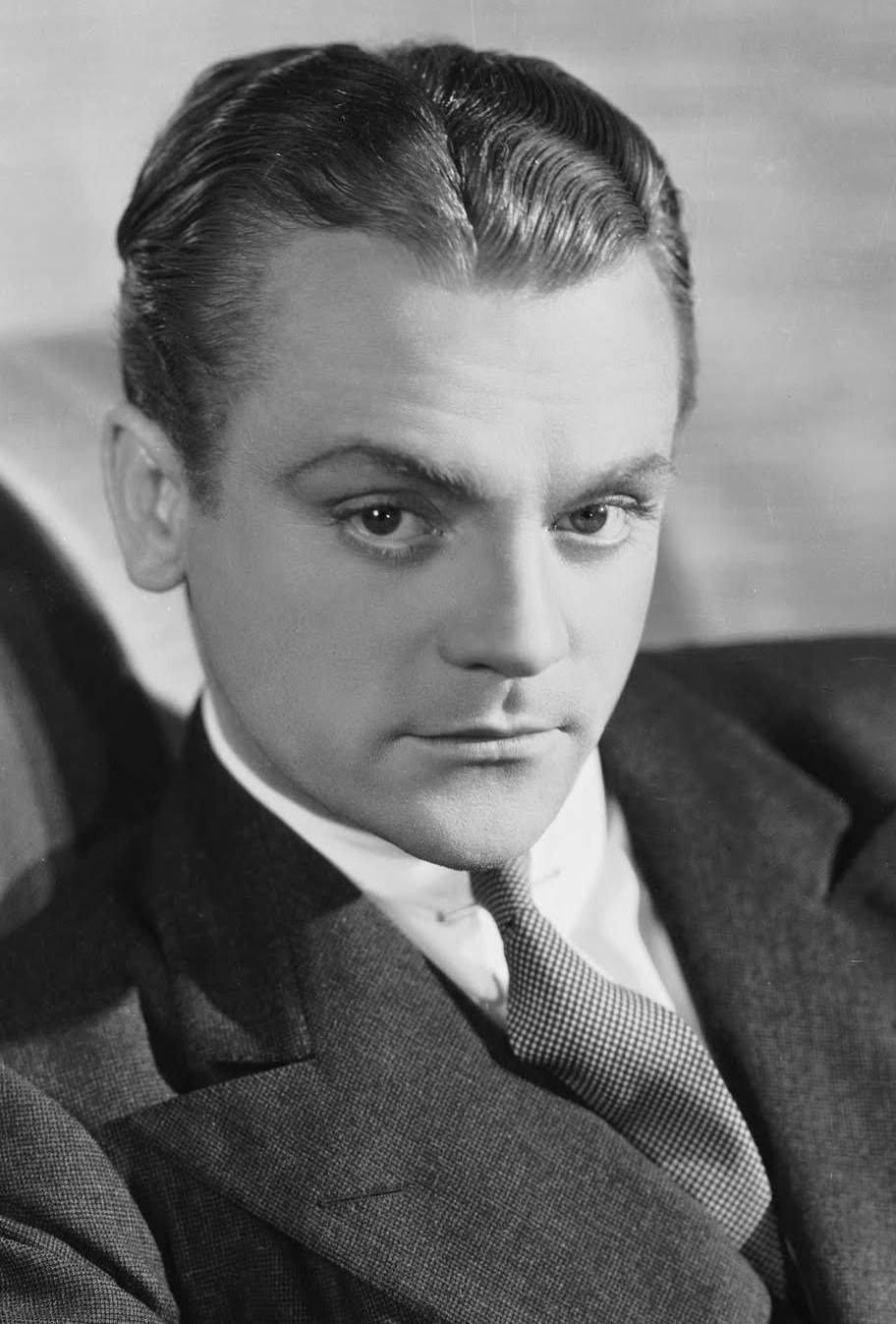
Matt Dow (James Cagney)
Played by James Cagney
A tough, principled sheriff with a shadowed past who drives the fight against crime while trying to uphold due process. He earns the town's respect through decisive action and tempered mercy, and his relationship with Helga deepens a personal stake in the community's fate.
- 🛡️ Lawman
- ⚖️ Morality
- 🔎 Determination
- 💔 Complexity
- DB
Davey Bishop (John Derek)
Played by John Derek
A young cowboy whose loyalty is tested as he proves willing to cooperate with criminals, only to reveal a more complicated role in the robbery. His later actions and injuries highlight the wavering line between complicity and justification, culminating in a tragic arc.
- 🧭 Naive
- 💔 Betrayal
- 🗡️ Outlaw
- HS
Helga Swenson (Viveca Lindfors)
Played by Viveca Lindfors
The warm, welcoming daughter of Mr. Swenson who becomes Dow's ally and love interest. She anchors a sense of home at the Swenson farm and embodies the town's humane side amid violence and conflict.
- 💗 Love Interest
- 🏚️ Rural Life
- 🧭 Loyalty
- 🌿 Homey
-
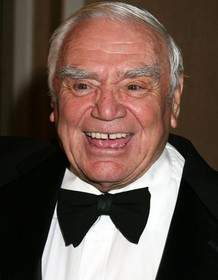
Morgan (Ernest Borgnine)
Played by Ernest Borgnine
A wily outlaw who can outpace the law and escape capture, only to face Dow again in a climactic pursuit. He is ruthless, dangerous, and central to the town's fear and conflict.
- 🗡️ Outlaw
- 🧠 Cunning
- ⚔️ Showdown
- G(
Gentry (Grant Withers)
Played by Grant Withers
An accomplice whose recognition of Dow creates tension within the gang and foreshadows the danger the town faces from a coordinated robbery.
- 🕵️♂️ Accomplice
- 🏴☠️ Bandit
- ⚖️ Criminal
What Are the Themes of Run for Cover?
4 ideas the story keeps returning to, among them Justice, Determination and Redemption.
-
01
Justice
Dow upholds the law in a frontier town, pursuing criminals while contending with mob violence. The pursuit of Morgan and the confrontation with a lynch mob show the film's concern with due process and moral responsibility. The story questions whether true justice can be achieved in a harsh, vigilante-influenced environment.
-
02
Determination
Dow's unwavering resolve drives the plot as he tracks criminals across rough terrain and refuses to abandon his duties when the odds are against him. His practical leadership becomes a beacon for the town and a test for Bishop's loyalty. The narrative highlights how perseverance shapes outcomes in a lawless landscape.
-
03
Redemption
The tale explores whether flawed people can be redeemed, notably in Bishop's shift from ally to rival and Dow's later realization that redemption is possible but costly. Dow struggles with mercy versus punishment, and the ending suggests redemption's fragility. The final reflection implies forgiveness comes at a personal cost.
-
04
Frontier Justice
Across desert stretches, the pursuit of criminals, bank robbers, and hostile terrain tests loyalties and resolve. The town's law, the posse, and the Comanche encounter frame a world where formal structures clash with survival instincts. Violence, risk, and moral ambiguity define life on the frontier.
What Kind of Film Is Run for Cover?
Dark in tone, with steady pacing and a moderate story, going by the plot summary.
- Tone
- Dark
- Pacing
- Steady
- Story
- Moderate
- Intensity
- High
- Ending
- Bittersweet
A grim and tense Western that follows a reluctant hero's brutal journey through betrayal and violence, punctuated by moments of quiet connection and a deeply bittersweet resolution.
- grim
- melancholic
- tense
- gritty
- lonely
- redemptive
- surrogate father
- betrayal
- redemption
- mistaken identity
Content notes: shooting violence, lynch mob, permanent injury, betrayal.
Quiz
How well do you remember Run for Cover? Test yourself on the story.