
Rhapsody in August 1991

Directed by
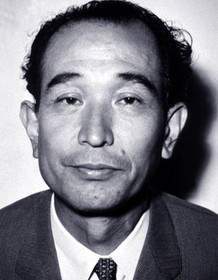
Akira Kurosawa
Made by

Kurosawa Production
Rhapsody in August Plot Summary
Read the complete plot summary and ending explained for Rhapsody in August (1991). From turning points to emotional moments, uncover what really happened and why it matters.
Rhapsody in August unfolds across Kyūshū and Nagasaki, threading the lives of three generations of a Japanese family as they reckon with the long shadow of the atomic bombing. At the center stands Kane, an elderly woman whose memory is growing unreliable and whose heart still carries the ache of a husband killed in Nagasaki. Her two married children live within postwar Japan, and her brother resides in Hawaii, where his son, Clark, was raised in America. Surrounding Kane are her four grandchildren, visiting the family country home and watching how the past unsettles the present.
This summer, the grandchildren have been asked to persuade Kane to visit her brother in Hawaii. They seize a day to venture into Nagasaki itself, stepping beyond the safety of home to witness the city where their grandfather died in 1945. For the first time, the younger generation begins to feel the emotional undercurrents of that catastrophe, and their perspectives shift as they gain a sharper awareness of the consequences of the atomic bombing. As they bond with their grandmother, a sense of reverence grows, and their questions about morality—especially the United States’ choice to unleash atomic weapons—begin to take shape in their conversations and reflections.
Meanwhile, a telegram arrives from Kane’s American relatives offering a tempting opportunity: their parents would manage new pineapple fields in Hawaii. The message complicates family dynamics, as Kane’s decision to write back about her husband’s death in Nagasaki unsettles her children, who fear how their Americanized relatives might interpret such news. Into this tension steps Clark, who travels from Hawaii to Japan to attend the memorial service for Kane’s deceased husband, seeking reconciliation with his aunt amid the quiet rituals of remembrance.
Clark is deeply moved by the Nagasaki community’s response to loss, especially during the Buddhist memorial ceremony that gathers locals to honor those who perished. Yet the news soon arrives that his own father has died in Hawaii, forcing him to return for another funeral and to confront the fragility of family across oceans and cultures. Back home, Kane’s health and memory begin to falter more visibly. She clings to tangible fragments of the past—stretching out her husband’s old clothing and arranging them as if he might reappear. When a storm brews, she mistakes it for another air raid warning and tries to protect her visiting grandchildren by offering folk remedies, which confound her children and the younger generation. As the storm intensifies, her confusion deepens, and she misreads the tempest as the aftermath of Nagasaki’s blast. In a final, determined surge of memory and love, she takes up a small umbrella and ventures into the storm, walking toward Nagasaki in a desperate bid to shield her husband, still living in her memory, from a danger she cannot forget.
Rhapsody in August Timeline
Follow the complete movie timeline of Rhapsody in August (1991) with every major event in chronological order. Great for understanding complex plots and story progression.
Grandchildren arrive at Kane's Kyushu home
Four grandchildren arrive for a summer visit to their grandmother Kane at the family country home near Nagasaki. They are tasked by their parents with convincing Kane to visit her brother in Hawaii, setting the scene for intergenerational tension and memory-work. The visit initiates a thread of how the past and present intersect for this multi-generational family.
Grandchildren explore Nagasaki and its scars
The children spend a day in Nagasaki's urban landscape, visiting the spot where their grandfather was killed in 1945. They come to understand, for the first time, the emotional cost of the atomic bombing on ordinary families. Their perspective on Kane deepens as they question the morality of the weapons decision.
Telegram from American cousins about Hawaii
Meanwhile a telegram from Kane's American relatives arrives, offering their parents a job managing pineapple fields in Hawaii. The news introduces a hopeful, yet disruptive, front in the family story and foreshadows choices beyond Nagasaki. The grandchildren's visit anchors the tension between old and new loyalties.
Kane writes to Hawaii about her husband's death
Kane sends a letter to her Hawaiian relatives informing them of her husband's death in Nagasaki during the bombing. Her action raises concerns about how her grief will be received by the American family and how their expectations might affect Kane's memory. The letter also deepens the sense of distance between generations and places.
Children return from Hawaii; family friction grows
Kane's two children return from Hawaii to visit, and tensions surface as they fear their mother's letter will spark friction with their American relatives. The visit foregrounds issues of loyalty, memory, and the way postwar American influence shapes the family. The mood grows more strained as everyone contends with differing expectations.
Clark travels to Nagasaki for the memorial
Clark, Kane's nephew, travels to Japan to be with Kane for the memorial service honoring her husband who died in Nagasaki. His presence begins a personal reckoning with the bombing and the family's shared trauma. The trip deepens his connection to Kane and the Nagasaki community.
Clark witnesses Buddhist memorial rites; reconciliation
Clark is deeply moved by the Buddhist memorial ceremony as the Nagasaki community remembers the victims of the bombing. Kane and Clark reach a quiet reconciliation over the bombing's legacy, acknowledging pain without resolving all questions. The moment marks a fragile bridge between generations.
Telegram: Kane's brother dies in Hawaii
A new telegram informs Clark that his father, Kane's brother, has died in Hawaii. He must return home for the funeral, intensifying the sense of loss already threaded through the trip. The news shifts everyone toward changes in the family's present and future.
Clark leaves for Hawaii; the circle tightens
Clark departs for Hawaii to attend his father's funeral, leaving Kane with the grandchildren and the weight of unresolved memory. The distance between the Nagasaki family and their American relatives grows in the wake of the news. Kane's fragility deepens as separation increases.
Kane's memory falters; laying out her husband's clothes
Kane's memory falters as memories of her husband mingle with present fear. She begins laying out her late husband's clothes as if he will return, a haunting ritual that reveals the fragility of memory. The home becomes a theater for the past's persistence.
Storm approaches; air-raid fear resurfaces
A brewing storm triggers Kane's anxiety, and she confuses it with another air raid. She uses folk remedies to shield the visiting grandchildren, bewildering her children and unsettling the visitors. The scene dramatizes how trauma resurges in the vulnerable mind.
Kane heads toward Nagasaki to warn her husband
As the storm intensifies, Kane believes the atmospheric disturbance resembles the Nagasaki blast and resolves to save her husband, still living only in memory. She takes her umbrella and walks toward Nagasaki to warn him, determined but increasingly disoriented. The journey embodies memory's pull against reality.
Grandchildren gain respect; question US actions
The grandchildren observe Kane's steadfast memory and begin to respect her resilience while questioning the morality of using atomic weapons. Their perspective shifts toward empathy and critical thinking about history, rather than simple judgment. The film closes with a tempered, multigenerational understanding.
Rhapsody in August Characters
Explore all characters from Rhapsody in August (1991). Get detailed profiles with their roles, arcs, and key relationships explained.
Kane (Sachiko Murase)
An elderly grandmother whose memory falters with age, Kane bears the weight of her husband’s death in the Nagasaki bombing. Her recollections blur past and present as she clings to the clothes of her lost spouse and fears another catastrophe. Her storm-driven devotion to protecting her visiting grandchildren reveals a fierce, if fragile, tenderness.
Clark (Richard Gere)
Kane's American nephew who grows up in Hawaii and travels to Japan for the memorial. He is moved by Nagasaki's community response and the Buddhist ceremony, gaining a deeper empathy for the bombing’s human cost. His arrival catalyzes reconciliation with Kane as the family confronts painful memories.
Tadao (Hisashi Igawa)
Kane's brother who lives in Hawaii and sends his family support across the Pacific. His passing later triggers the telegram about the death of Kane’s other kin, underscoring the tenuous ties between two homes linked by memory.
Mourner (Noriko Honma)
A elder mourner figure representing Nagasaki’s communal memory during ceremonies. She embodies the quiet grief of those who remember the past while watching present generations seek understanding.
Mourner (Sachio Sakai)
Another local mourner whose presence helps anchor the memorials and the city’s ongoing ritual of remembrance. The character signals how communal memory preserves history across time.
Rhapsody in August Settings
Learn where and when Rhapsody in August (1991) takes place. Explore the film’s settings, era, and how they shape the narrative.
Time period
Late 20th century
The narrative spans postwar Japan into the contemporary era, juxtaposing the 1945 atomic bombing with a modern family gathering. The grandchildren visit during a summer, while memorials for Nagasaki accompany ongoing family life. The story uses the passage of time to explore how memory and trauma persist across generations.
Location
Kyushu (Nagasaki Prefecture), Nagasaki City
The story centers at a rural family country home on Kyushu, near Nagasaki, which anchors generations of memory. The Nagasaki urban setting is also revisited during a day trip, where the grandchildren confront the bombing's legacy. The location blends quiet countryside with the city’s memorial atmosphere, highlighting the contrast between memory and present-day life.
Rhapsody in August Themes
Discover the main themes in Rhapsody in August (1991). Analyze the deeper meanings, emotional layers, and social commentary behind the film.
🧠
Memory
Kane's fragmented memory of her husband and the bombing drives much of the film's emotional arc. The grandchildren’s growing awareness of the bombing's impact shows how memory travels across generations. The story uses intimate domestic scenes to reveal how traumatic events linger in daily life.
👪
Family
The film centers on a multigenerational clan whose ties are tested and strengthened by love, guilt, and duty. Reconciliation unfolds as misunderstandings about the past meet the present realities of global families. The children and grandchildren serve as bridges between cultures, reminding viewers that family memory is a shared burden.
🕊️
War Echoes
The Nagasaki bombing casts a long shadow over Nagasaki's community and the family lore. Memorial ceremonies and Buddhist rites provide a framework for collective memory and healing. The film frames war's consequences as a living conversation across time, rather than a distant historical event.

Coming soon on iOS and Android
The Plot Explained Mobile App
From blockbusters to hidden gems — dive into movie stories anytime, anywhere. Save your favorites, discover plots faster, and never miss a twist again.
Sign up to be the first to know when we launch. Your email stays private — always.
Explore the mobile appRhapsody in August Spoiler-Free Summary
Discover the spoiler-free summary of Rhapsody in August (1991). Get a concise overview without any spoilers.
In the gentle heat of a Japanese summer, an elderly hibakusha tends to the lively chaos of her four grandchildren, her days marked by the soft cadence of laughter and the quiet weight of memory. The house, perched near the lingering shadows of Nagasaki, becomes a place where past and present brush against each other, the scent of pine and sea mingling with the faint echo of a tragedy that still shapes the family’s rhythm.
Kane carries the ache of a husband lost to the 1945 atomic bombing, a sorrow that subtly guides her interactions with each generation. Her children, living in the rhythm of post‑war Japan, navigate the delicate balance between honoring that loss and moving forward, while the grandchildren, full of curiosity, begin to sense the depth of the story that underpins their everyday world. The film’s tone is tender and reflective, allowing moments of humor and tenderness to coexist with an ever‑present, unspoken grief.
The arrival of news from across the ocean introduces a new thread: a brother, Suzujiro, who has spent a lifetime far from the islands of his birth, now lives in Hawaii. His request that Kane visit before his own time ends offers a quiet invitation to bridge the distance between continents, cultures, and the lingering pain of history. Alongside him, his American‑born son, Clark, embodies a blend of East and West, hinting at the complex ties that bind families across seas.
As the summer unfolds, the family’s everyday rituals become a canvas for subtle exploration—questions about memory, identity, and the lingering afterglow of a distant fire. The story moves with a measured, lyrical pace, inviting viewers to feel the pull of history, the warmth of kinship, and the quiet courage required to face both remembrance and the promise of an unknown journey.
Movies with Similar Twists and Themes
Uncover films that echo the narrative beats, emotional arcs, or dramatic twists of the one you're exploring. These recommendations are handpicked based on story depth, thematic resonance, and spoiler-worthy moments — perfect for fans who crave more of the same intrigue.
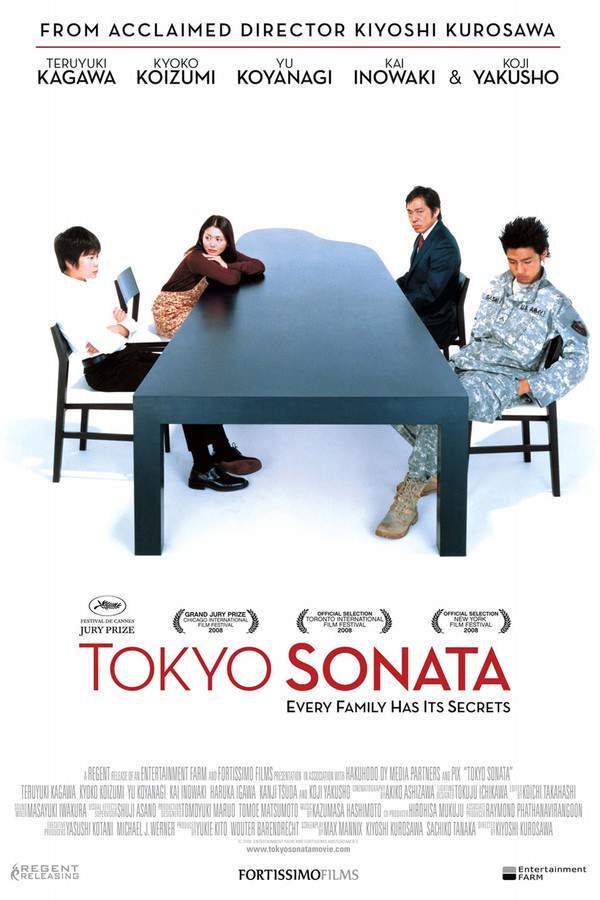
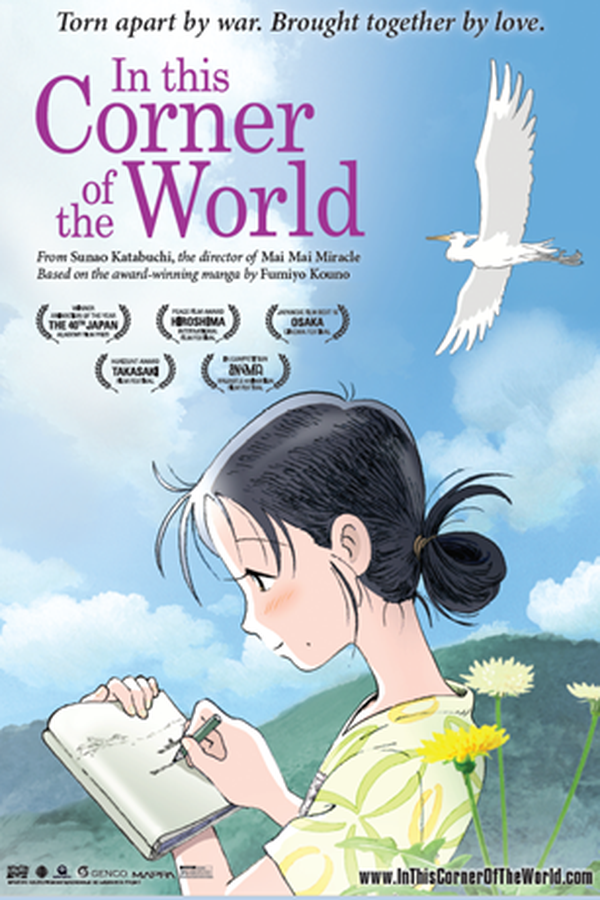


Featured on this page

What's After the Movie?
Not sure whether to stay after the credits? Find out!
Check out our other apps:

SAT Sphere
Build confidence for the Digital SAT.

Mori Atlas
Discover wild places worth protecting.

Luntero
Search smarter for a home in Amsterdam.

Plot Explained
Unravel movie endings and hidden clues.

Pokechamp
Dive into Pokémon data and battle logic.

Driving Theory
Get ready for your European theory test.

Movie Dust
Plan your next cinema trip with ease.

Musemap
Find art and culture as you travel.

Selkobase
Compare credentials before committing.

Local Manual
Turn an unfamiliar country into practical next steps.

Lernavi
Compare school systems before your next move.

GymRoam
Find a workout stop wherever your plans take you.
Explore Our Movie Platform
New Movie Releases (2026)
Famous Movie Actors
Top Film Production Studios
Movie Plot Summaries & Endings
Major Movie Awards & Winners
Best Concert Films & Music Documentaries
Movie Collections and Curated Lists
© 2026 What's After the Movie. All rights reserved.
Privacy Policy