
No Regrets for Our Youth 1946

Directed by
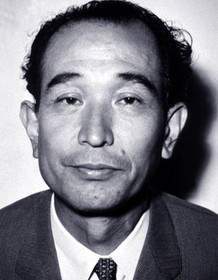
Akira Kurosawa
Made by

Toho
No Regrets for Our Youth Plot Summary
Read the complete plot summary and ending explained for No Regrets for Our Youth (1946). From turning points to emotional moments, uncover what really happened and why it matters.
No Regrets for Our Youth Timeline
Follow the complete movie timeline of No Regrets for Our Youth (1946) with every major event in chronological order. Great for understanding complex plots and story progression.
1933: Protests at Kyoto Imperial University
The film opens with students protesting Japan's invasion of Manchuria. Prominent professor Yagihara is relieved of his post because of his views against fascism. The scene establishes the tense political climate that shapes the characters' futures.
Noge's arrest and four-year imprisonment
Following the anti-militarist protest, Noge disappears and spends four years in prison. The harsh crackdown foreshadows the personal sacrifices he and Yukie will endure. This period marks the first major interruption in their lives.
Noge released; Itokawa's update to Yukie
By the time Itokawa, now a government prosecutor, tells Yukie where Noge is, Noge has been out of jail for a year. Itokawa asserts that Noge has ‘converted’ from his radical days, a claim tied to government influence. Yukie begins to grapple with the transformed man she once knew.
Dinner at the Yagihara residence
Itokawa brings Noge to the Yagihara home for a family dinner. Professor Yagihara reiterates that Noge’s release was conditioned on his conversion, a point Noge confirms. Yukie observes the changed man and feels unsettled by the differences between then and now.
Noge departs for China
After the dinner, Noge leaves for China, creating distance between him and Yukie. She resolves to chart her own path rather than cling to the past. His departure acts as a catalyst for her later choices.
Yukie moves to Tokyo for three years
With Noge gone, Yukie packs for Tokyo and takes menial jobs for three years to survive. The period tests her resilience and independence. She encounters Itokawa intermittently, keeping a thread to Noge through the changing times.
Reunion, romance, and marriage in Tokyo
Yukie eventually discovers that Noge is in Tokyo and they renew their relationship. They spend several years together and eventually marry. The marriage takes place amid the uncertainties and pressures of wartime Japan.
Noge's dangerous activities and arrest
Noge becomes involved in dangerous and illegal schemes, though Yukie agrees not to know the specifics. He is arrested the night before his plan is to take effect, casting a shadow over their life together. The arrest underscores the peril surrounding dissent in wartime Japan.
Interrogation of Yukie and release
Yukie is interrogated but refuses to disclose information about Noge or their activities. Itokawa intervenes and frees her, restoring a fragile sense of safety. The episode magnifies the personal stakes of political repression.
Noge dies; Itokawa shares the news
Yukie's parents travel to Tokyo to meet Itokawa, who informs them that Noge died the night before. Yukie is crushed by the loss and must reassess her future. The revelation pivots her toward the countryside where Noge's family lives.
Ashes to the countryside; meeting Noge's parents
Yukie brings Noge's ashes to his parents in the countryside, where she is initially rejected as a possible wife due to suspicion and grief. She stays and works to prove her sincerity, establishing a bond with the family. The moment marks a turning point in her acceptance within the household.
Rice fields and hard labor
Yukie works in the rice fields alongside Noge's mother and father, enduring a severe fever and strenuous labor. The grueling days symbolize her commitment to the family and to a life of communal effort. She persists despite hardship to honor Noge’s memory.
Vandalism and eventual acceptance
Neighbors vandalize the couple's hard-won harvest, amplifying the community's hostility. Over time, Noge's father comes to accept Yukie, recognizing the sincerity of her devotion. The episode cements her place within the family and the village’s memory of Noge.
End of the war; honors and a renewed future
With the war's end, Professor Yagihara is reinstated and Noge is honored for anti-war efforts. The country begins rebuilding, and Yukie contemplates a future rooted in social reform rather than personal romance. The events highlight a shift toward communal responsibility.
Return to Kyoto and choice to stay with the family
Yukie returns to Kyoto to visit her parents but is invited to stay by her mother, recognizing the changes she has undergone. She ultimately chooses to remain with Noge's rural family, dedicating herself to rice farming and ongoing social work. The film closes on her commitment to a life of community service.
No Regrets for Our Youth Characters
Explore all characters from No Regrets for Our Youth (1946). Get detailed profiles with their roles, arcs, and key relationships explained.
Yukie Yagihara (Setsuko Hara)
Yukie begins as the professor’s daughter whose life is upended by political turmoil and personal upheaval. She endures social scrutiny, navigates complex loyalties, and shows quiet resolve in rebuilding a life with Noge. Her journey from privilege to struggle highlights themes of resilience and moral steadfastness.
Ryukichi Noge (Susumu Fujita)
Noge is a fiery radical who is arrested for anti-military activities and spends years in jail before his release. His passion and politics collide with personal relationships, revealing a man who seeks redemption and purpose. His evolution tests Yukie’s devotion and the boundaries of loyalty.
Itokawa (Akitake Kôno)
Itokawa is a calm, moderate figure who becomes a prosecutor and helps navigate the political web around Noge. He vouches for Noge and provides a pragmatic counterbalance to Noge’s fervor. His presence underlines themes of duty, compromise, and moral responsibility.
Professor Yagihara (Denjirō Ōkōchi)
A respected intellectual who speaks against fascism, Yagihara faces professional consequences but is later reinstated after the war. He embodies principled courage and remains a guiding influence for his family. His arc emphasizes the cost of truth and the weight of integrity.
Madame Noge (Haruko Sugimura)
Madame Noge stands as a steadfast support to her son and as a realist who endures social scrutiny. She embodies resilience and maternal strength, helping Yukie navigate new roles in a changing society. Her patience and grit anchor the emotional core of the family’s struggle.
No Regrets for Our Youth Settings
Learn where and when No Regrets for Our Youth (1946) takes place. Explore the film’s settings, era, and how they shape the narrative.
Time period
1933-1945
The story opens in 1933 with campus protests against Japanese aggression in Manchuria and follows through the late 1930s and into World War II. It examines how the era's militarism and political shifts reshape personal relationships and ambitions. The ending reflects the postwar reintegration of intellectuals and the social reforms that followed.
Location
Kyoto, Tokyo, Japanese countryside, Manchuria, China
The film alternates between the urban campus of Kyoto and the rural villages where Noge's family works, highlighting Japan's social fabric in the 1930s. It also brings in Tokyo as Yukie moves there for work and the political currents of the era. The backdrop includes Manchuria and China, framing the anti-militarist protests and the consequences of wartime politics on ordinary lives.
No Regrets for Our Youth Themes
Discover the main themes in No Regrets for Our Youth (1946). Analyze the deeper meanings, emotional layers, and social commentary behind the film.
🕊️
Anti Fascism
Set against rising militarism, the film interrogates the costs of dissent and the pressure to conform. It shows a professor dismissed for his anti-fascist views and tracks how political conviction scarps into personal life. The arc suggests that truth and integrity can clash with power, yet endure in relationships and memory.
🌾
Rural Change
The narrative places Yukie in the countryside, where social norms collide with reformist ideas. The struggle in the fields parallels the struggle in the characters’ hearts, illustrating the slow pace of social progress. The film hints at land reform and women's role in rebuilding society after conflict.
💞
Love & Loyalty
Romantic devotion drives the central relationship between Yukie and Noge, testing loyalty against political and ethical tensions. The couple’s resilience is balanced by Itokawa’s support and the family’s cautious acceptance. The story frames love as a catalyst for personal transformation and social duty.

Coming soon on iOS and Android
The Plot Explained Mobile App
From blockbusters to hidden gems — dive into movie stories anytime, anywhere. Save your favorites, discover plots faster, and never miss a twist again.
Sign up to be the first to know when we launch. Your email stays private — always.
Explore the mobile appMovies with Similar Twists and Themes
Uncover films that echo the narrative beats, emotional arcs, or dramatic twists of the one you're exploring. These recommendations are handpicked based on story depth, thematic resonance, and spoiler-worthy moments — perfect for fans who crave more of the same intrigue.


Featured on this page

What's After the Movie?
Not sure whether to stay after the credits? Find out!
Check out our other apps:

SAT Sphere
Build confidence for the Digital SAT.

Mori Atlas
Discover wild places worth protecting.

Luntero
Search smarter for a home in Amsterdam.

Plot Explained
Unravel movie endings and hidden clues.

Pokechamp
Dive into Pokémon data and battle logic.

Driving Theory
Get ready for your European theory test.

Movie Dust
Plan your next cinema trip with ease.

Musemap
Find art and culture as you travel.

Selkobase
Compare credentials before committing.

Local Manual
Turn an unfamiliar country into practical next steps.

Lernavi
Compare school systems before your next move.

GymRoam
Find a workout stop wherever your plans take you.
Explore Our Movie Platform
New Movie Releases (2026)
Famous Movie Actors
Top Film Production Studios
Movie Plot Summaries & Endings
Major Movie Awards & Winners
Best Concert Films & Music Documentaries
Movie Collections and Curated Lists
© 2026 What's After the Movie. All rights reserved.
Privacy Policy