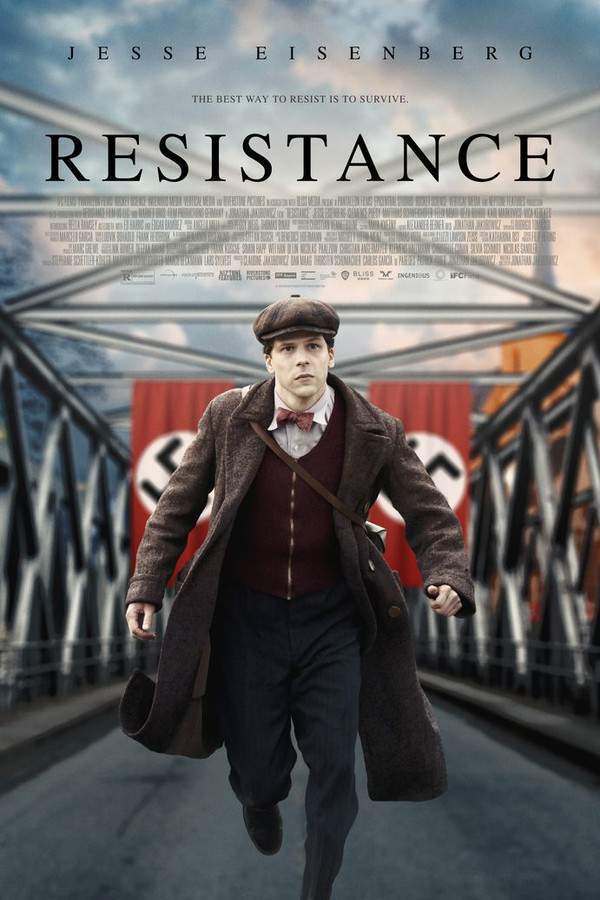
Resistance 2020


Directed by

Jonathan Jakubowicz
Made by

IFC Films
Where to Watch Resistance
See current US streaming, rental, and purchase options for Resistance (2020) via JustWatch.











Resistance Plot Summary
Read the complete plot summary and ending explained for Resistance (2020). From turning points to emotional moments, uncover what really happened and why it matters.
In 1938 Munich, under the grim shadow of Nazi rule, a young Jewish girl named Elsbeth Bella Ramsey suffers a brutal intrusion when Nazi Brown Shirts invade her home and murder her parents, leaving a fragile safety net fraying around her.
In Strasbourg, 1939, a restless, aspiring artist named Marcel Marceau Jesse Eisenberg toils in his father’s butcher shop, feeling the pull of the arts far more keenly than any family approval he might crave. He longs for a life of mime and painting, and he performs impressions of Charlie Chaplin at a local cabaret, a pastime that earns disapproval from his father yet fuels Marcel’s quiet defiance. Across this growing backdrop of fear, he notices a local girl, Emma Clémence Poésy, whose presence becomes a lifeline he hopes to weave into his future.
Marcel’s cousin Georges Géza Röhrig operates within the Jewish arm of the French Resistance, threading together danger and hope. Together with Emma, Georges brings a troop of 123 Jewish orphans to Strasbourg, taking up residence in a castle that becomes a makeshift sanctuary. The first tremors of terror tremble through the castle walls, but Marcel’s gift—his quiet, transforming mime—helps the children find moments of relief and daring in a cauldron of fear. He and Emma grow closer, their bond deepening as they navigate a world where every small act of courage could be a lifeline.
As Germany’s invasion of Poland redraws the map of Europe, the couple’s commitment to the Resistance intensifies. The orphans are dispersed into smaller groups, hidden in churches and among Jewish families, their safety carefully engineered by those who refuse to yield to despair. Marcel and Emma continue to stay in contact with Elsbeth, a reminder of what they are fighting to protect, even as each day becomes more perilous.
The story then threads into the brutal reality of Klaus Barbie, who arrives in Lyon in 1942 amid the Nazi occupation of southern France. Barbie—“The Butcher of Lyon”—administers brutal justice with bribery, manipulation, and brutal executions in Gestapo headquarters’ empty swimming pool, a chilling display of cruelty that foreshadows a ruthless man’s reign over the city. Barbie Matthias Schweighöfer becomes a menacing force straddling both fear and power, his presence casting a long shadow over every plan to resist.
Marcel and Emma relocate to Lyon to continue their work with the Resistance, joined by Marcel’s brother Alain Félix Moati and Emma’s sister Mila Vica Kerekes. Alain narrowly escapes a Nazi sweep at Lyon’s train station, and Marcel helps him slip away by a near-savage act of burning a German soldier as a cover. But Emma and Mila are not as fortunate. In a brutal round of Gestapo raids, Mila is captured and tortured to death by Barbie, who also pressures Emma for information about the Resistance. Emma survives the brutality by yielding to collaboration in a moment that leaves her devastated, and yet she survives with a resolve that becomes crystalline. Marceau refuses to abandon her, and the two vow to shield Jewish children from further harm, even as the cost climbs perilously high.
Driven by a renewed, unyielding resolve, Marcel and Emma set in motion a daring plan to shepherd children to safety. Disguised as a Scouts’ hiking trip, the small caravan—now including Elsbeth—is shepherded toward the French Alps by SNCF trains. Barbie and his SS units close in on the last checkpoint before the Franco-Swiss border, forcing Emma into hiding as the search intensifies. Marcel, posing as a collaborator, does his best to misdirect Barbie’s suspicions, and the pursuers miss the exact moment the children slip toward the border. Relief washes over the group as the Alpine air approaches, the border promising protection.
Yet Barbie’s vigilance is unyielding. He mobilizes his troops to chase the group through the icy forests that guard the Swiss frontier, and the distance between safety and catastrophe narrows with every heartbeat. A critical moment arrives when Barbie nearly unravels the ruse and confronts Marcel, but the escape endures. Emma is fatally wounded at the edge of the border, a blow that devastates Marcel but does not end their mission; the children, guided by his steady hand, cross into Switzerland, where a fragile new chapter can begin.
The film returns to the broader arc in 1945 at Nuremberg, where Marceau has become a Liaison Officer with the United States Army. It is here that his extraordinary courage is acknowledged by General George S. Patton Ed Harris, who helps illuminate the full scope of his wartime acts. The narrative closes with a final, quiet triumph: Marceau’s enduring gift as an entertainer—his signature mime—reaches a podium of remembrance as he performs before troops and civilians, a poignant reminder of the countless children saved through a combination of courage, creativity, and compassion. In the end, the screen lingers on Marceau in his iconic white-face costume, a vivid image of resilience and humanity amid the ashes of war.
This is a story of art meeting resistance, of a community’s refusal to surrender to cruelty, and of a man who used performance to heal and to protect the innocent. It paints a vivid panorama of fear and hope, of near-impossible choices, and of the quiet, stubborn bravery that can emerge when the world seems most dark. It invites viewers to reflect on the power of creativity to outlast tyranny and to imagine a future where, against all odds, children find pathways to safety and a life beyond survival.
Resistance Timeline
Follow the complete movie timeline of Resistance (2020) with every major event in chronological order. Great for understanding complex plots and story progression.
Nazis invade Elsbeth's home
In 1938 Munich, Nazi Brown Shirts intrude upon the home of a young Jewish girl, Elsbeth, and slaughter her parents. The brutality establishes the grim stakes of the occupation and the personal cost to Jewish families living under the regime.
Marcel pursues art in Strasbourg
In 1939 Strasbourg, Marcel Marceau works in his father's butcher shop while chasing mime and painting, despite his father's disapproval. He is drawn to the arts and admires a local girl, Emma, hoping to marry her, even as he performs Chaplin-inspired impressions at a cabaret.
Resistance network grows in Strasbourg
As the war intensifies, Marcel and Emma become more involved with the French Resistance and aid the Jewish community. Georges and Emma lead a Scout troop of 123 orphans who relocate to a castle near Strasbourg, with Marcel’s humor helping the children cope and bond with him.
Children dispersed to hide their visibility
To minimize detection, the Jewish children are distributed into smaller groups, some sent to churches and others to Jewish families. Marcel and Emma maintain contact with Elsbeth, keeping the lines of rescue and support open amid increasing danger.
Klaus Barbie arrives in Lyon
In 1942, Klaus Barbie arrives in Lyon with a mission to eradicate the Resistance, using bribery and brutal executions to terrorize opponents. His notoriety grows as he conducts brutal acts in Gestapo facilities, earning the moniker 'The Butcher of Lyon'.
Marcel and Emma move to Lyon
Marcel and Emma relocate to Lyon to continue their Resistance work, joined by Marcel's brother Alain and Emma's sister Mila. The group deepens their commitment to sheltering Jewish children and coordinating escapes.
Alain escapes a Nazi sweep
During a Nazi sweep of Lyon’s train station, Alain narrowly avoids capture. Marcel assists in the escape by distracting the soldiers and scaling dangerous risks to keep his brother safe.
Mila tortured; Emma coerced
Mila is captured during a Gestapo roundup and tortured to death by Barbie, who forces Emma to reveal information about the Resistance. Emma survives by collaborating with the enemy, but the trauma leads her to contemplate suicide.
Emma and Marcel vow to save the children
Marcel and Emma rescue each other from despair and pledge to help Jewish children escape to Switzerland. They frame their mission as a family excursion, disguising the route as a Scout hiking trip to protect the plan.
Escape begins toward the Alps
Marcel, Emma, and Alain escort a dozen children, including Elsbeth, toward the French Alps and the Swiss border by SNCF train. Barbie's SS troops close in at the last station before the border, forcing Emma to hide while they press on with the plan.
Barbie closes in; Emma is wounded
Barbie mobilizes his forces and pursues the group into the icy forests along the Swiss border. He nearly corners Marcel and mortally wounds Emma, but the group still manages to push toward safety and escape.
Escape succeeds; Switzerland
The children reach Switzerland, marking a successful escape from peril. Marcel carries the weight of Emma’s death, yet his resolve to protect children remains unwavering as they begin a new life beyond occupied France.
Nuremberg and the war ends in memory
The film closes in 1945 at Nuremberg, where Marcel Marceau serves as a liaison officer with the United States Army. General Patton introduces him, and it is revealed that he crossed the Alps many times to save hundreds of children, preserving their hope through art and acting.
Final mime tribute
The closing moment features Marcel performing his iconic mime in white makeup and a blue-and-white shirt. The flourish honors resilience, memory, and the transformative power of art to endure amid atrocity.
Resistance Characters
Explore all characters from Resistance (2020). Get detailed profiles with their roles, arcs, and key relationships explained.
Marcel Marceau (Jesse Eisenberg)
A young mime and aspiring artist in Strasbourg who channels his gifts into clandestine resistance. He uses performance to lift spirits, forge trust, and coordinate the safe passage of Jewish children. His courage and creativity become central to the rescue effort, culminating in his role as a liaison officer after the war.
Emma (Clémence Poésy)
A local woman who falls in love with Marcel and joins the resistance. She endures capture and exploitation, survives by collaboration for a time, and grapples with trauma before continuing the fight alongside Marcel. Her ultimate fate tests the limits of hope and sacrifice.
Elsbeth (Bella Ramsey)
A Jewish girl from the evacuated group who forms a bond with the rescuers. She represents the vulnerable children hidden in plain sight and becomes part of the perilous journey toward Switzerland.
Mila (Vica Kerekes)
Emma’s sister, captured and tortured during Gestapo raids. Her brutal fate underscores the stakes of the escape plan and the courage of those who resist at great personal cost.
Georges (Géza Röhrig)
Marcel’s cousin who becomes involved with the Jewish arm of the French Resistance. He helps organize the orphans into a covert network and supports their safe relocation.
Alain (F Félix Moati)
Marcel’s brother who also joins the Resistance. He participates in dangerous efforts to assist the children, contributing to the escape plan and evasion from patrols.
Barbie (Matthias Schweighöfer)
The Nazi officer known as The Butcher of Lyon, a relentless pursuer of the Resistance. He employs torture and intimidation to extract information and track down escapees, escalating the danger to Marcel, Emma, and the children.
General Patton (Ed Harris)
A United States Army general who appears at the film’s close, acknowledging Marceau’s rescue work and the broader Allied effort to liberate Europe. His presence frames the postwar recognition of the resistance’s impact.
Resistance Settings
Learn where and when Resistance (2020) takes place. Explore the film’s settings, era, and how they shape the narrative.
Time period
1938–1945
The story unfolds from the late 1930s through the end of World War II. It begins with growing repression in Germany, followed by the invasion of Poland and the occupation of France. The narrative tracks the increasing danger for Jews and resistance fighters, culminating in the Allied liberation and the postwar aftermath.
Location
Munich, Strasbourg, Lyon, Swiss Alps, Nuremberg
Locations span Western Europe from Munich in Nazi Germany to Strasbourg in occupied France, then Lyon during the occupation, and the Swiss Alps near the border. The settings emphasize the reach of Nazi control and the hidden networks formed by the Resistance. The landscapes shift from urban streets to castles and border crossings, underscoring peril and the glimmer of hope.
Resistance Themes
Discover the main themes in Resistance (2020). Analyze the deeper meanings, emotional layers, and social commentary behind the film.
🛡️
Resistance
The film centers on ordinary people who choose to oppose tyranny through courage, collaboration, and quiet acts of defiance. Its protagonists transform personal risk into collective action, sheltering the vulnerable and disrupting the occupiers’ control. The Resistance is portrayed as a network built on trust, ingenuity, and shared purpose.
🎭
Art as Resistance
Marcel uses mime and performance to uplift spirits and disguise clandestine activity. The arts become a shield and a language that transcends fear, enabling connection among strangers and bolstering morale. The film links artistic expression with survival, memory, and hope.
💔
Loss and Sacrifice
The narrative is marked by brutal personal losses: siblings, friends, and children are torn from their families. Sacrifice is a constant choice, whether risking one’s life to guide or protect, or surrendering hope to ensure the escape of others. Grief fuels resolve and cements the ethical stakes of resistance.
🤝
Compassion and Solidarity
The story emphasizes solidarity across families and communities facing annihilation. Strangers become allies as rescue plans unfold and helpers risk everything for the vulnerable. Compassion drives the decisions that enable the children to reach safety and rebuild a future beyond occupation.

Coming soon on iOS and Android
The Plot Explained Mobile App
From blockbusters to hidden gems — dive into movie stories anytime, anywhere. Save your favorites, discover plots faster, and never miss a twist again.
Sign up to be the first to know when we launch. Your email stays private — always.
Explore the mobile appResistance Spoiler-Free Summary
Discover the spoiler-free summary of Resistance (2020). Get a concise overview without any spoilers.
In the shadow of a continent gripped by war, everyday life hums with a fragile mix of ordinary routine and looming dread. Streets once filled with laughter now echo with the heavy cadence of marching boots, while cafés and cabarets cling to the last traces of normalcy. It is a world where the color of a painted mask can hide both defiance and fear, and where the simple act of performance becomes a quiet act of resistance.
Marcel Mangel begins the story as a restless, aspiring actor and mime, more enamored with the flicker of stage lights than the dark clouds gathering outside his modest hometown. His days swing between burlesque stages, playful impressions of silent film icons, and the quiet yearning to turn his artistic gifts into something more meaningful. When he meets Emma, a spirited young woman who shares his yearning for purpose, their connection deepens, drawing them both toward a cause that asks them to trade applause for urgency. Together, they find themselves thrust into a clandestine network that enlists their creativity as a weapon, teaching orphaned Jewish children the skills they will need to survive amidst the chaos.
The film settles into a tone that balances the stark reality of occupation with the luminous hope sparked by art and human connection. Through whispered lessons, impromptu performances, and the shared resolve of a small, resilient community, the story suggests that even in the darkest times, the act of caring for another can become a form of quiet bravery. The narrative invites viewers to wonder how far a devoted artist will go when the stage becomes a battlefield of survival, and how the simple gestures of mentorship can light a path through an otherwise bleak landscape.
Movies with Similar Twists and Themes
Uncover films that echo the narrative beats, emotional arcs, or dramatic twists of the one you're exploring. These recommendations are handpicked based on story depth, thematic resonance, and spoiler-worthy moments — perfect for fans who crave more of the same intrigue.
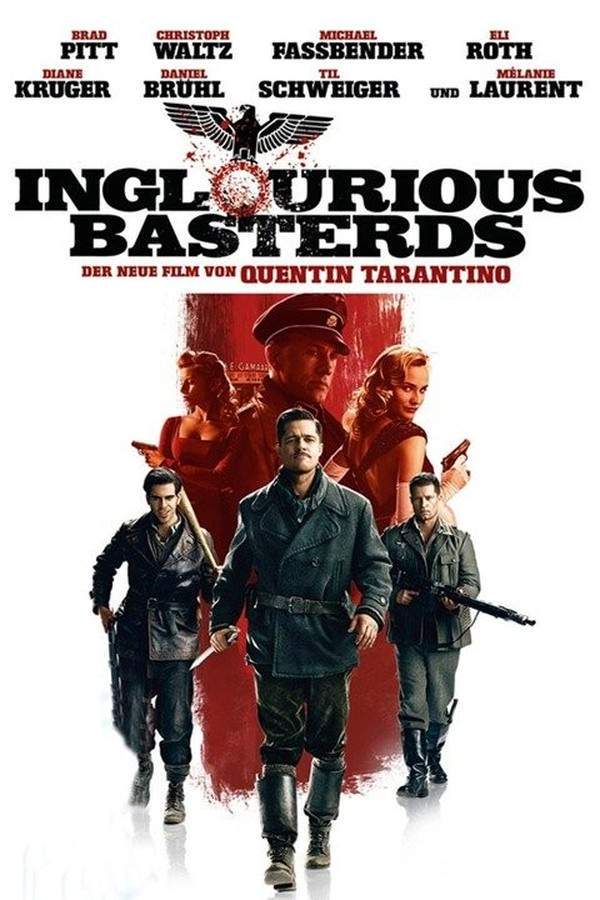
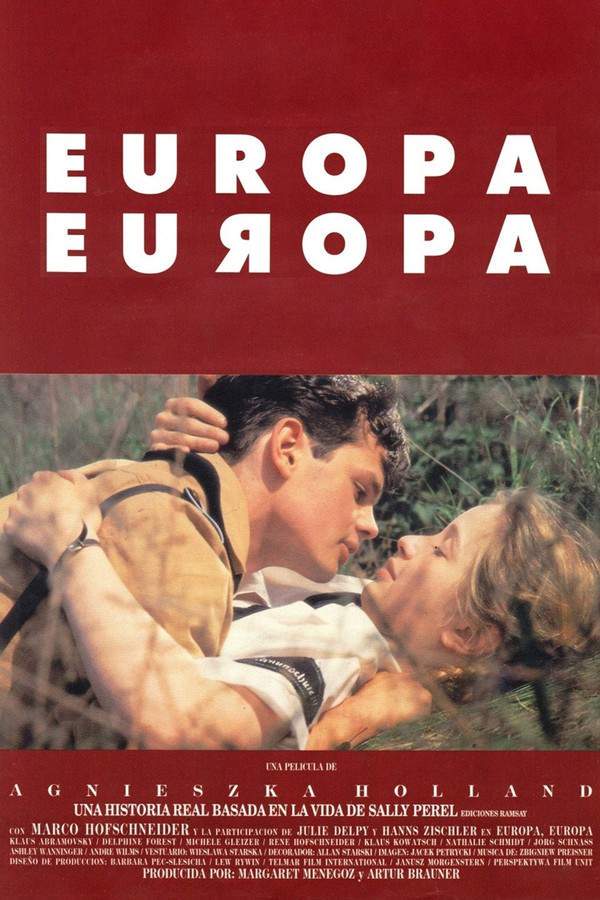
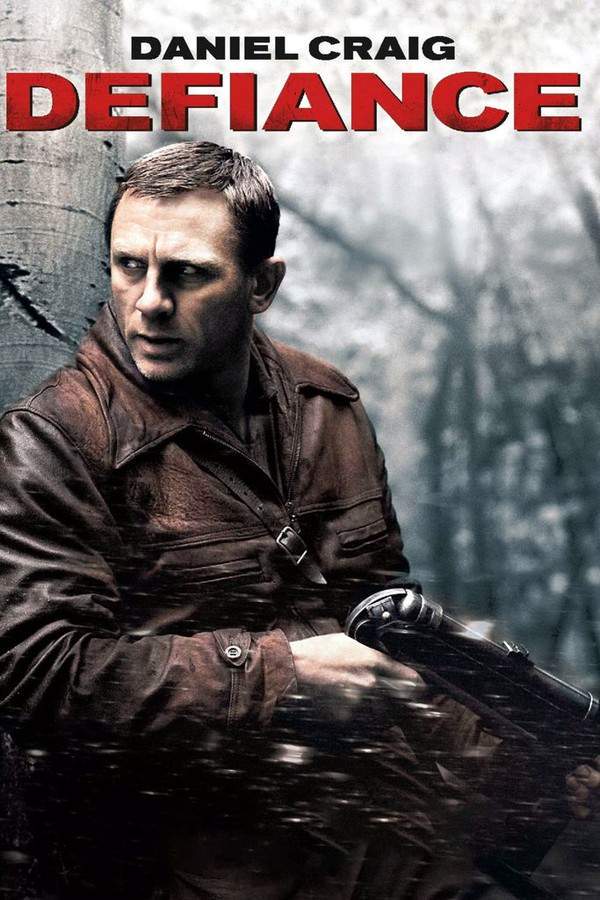

Featured on this page

What's After the Movie?
Not sure whether to stay after the credits? Find out!
Check out our other apps:

SAT Sphere
Build confidence for the Digital SAT.

Mori Atlas
Discover wild places worth protecting.

Luntero
Search smarter for a home in Amsterdam.

Plot Explained
Unravel movie endings and hidden clues.

Pokechamp
Dive into Pokémon data and battle logic.

Driving Theory
Get ready for your European theory test.

Movie Dust
Plan your next cinema trip with ease.

Musemap
Find art and culture as you travel.

Selkobase
Compare credentials before committing.

Local Manual
Turn an unfamiliar country into practical next steps.

Lernavi
Compare school systems before your next move.

GymRoam
Find a workout stop wherever your plans take you.
Explore Our Movie Platform
New Movie Releases (2026)
Famous Movie Actors
Top Film Production Studios
Movie Plot Summaries & Endings
Major Movie Awards & Winners
Best Concert Films & Music Documentaries
Movie Collections and Curated Lists
© 2026 What's After the Movie. All rights reserved.
Privacy Policy