



Where to Watch Pukar
See current US streaming, rental, and purchase options for Pukar (1983) via JustWatch.

Streaming availability powered by 
Pukar Plot Summary
Read the complete plot summary and ending explained for Pukar (1983). From turning points to emotional moments, uncover what really happened and why it matters.
In a volatile Goa under Portuguese rule, a small band of revolutionaries fights to throw off the colonial yoke. Purandare (Shreeram Lagoo), Narvekar (P. Jairaj), and Dinanath (Sudhir Dalvi) operate as a tightly knit unit, risking everything to keep the flame of independence alive. During a tense confrontation with the Portuguese police, Purandare and Dinanath are gravely injured. In a moment of grim resolve, Dinanath begs Purandare to end his life rather than let him be captured, and Purandare reluctantly complies. Their act is witnessed by Dinanath’s young son, Ramdas / Ronnie, who misinterprets the scene and believes Purandare has murdered his father.
Trauma carves a wide path through Ramdas’s heart, and he flees to the home of Mr. Dayanand, who offers shelter and safety. But the peace is short-lived. A police raid on Dayanand’s house, seeking the elusive Ramdas, leaves Dayanand and his wife seemingly dead. In the chaotic aftermath, Purandare arrives in search of the boy, only to find a frightened child who runs away at the sight of him. There’s a puzzling moment here that hints at an editing inconsistency: Dayanand appears to be killed, yet later his bruises are minor.
To escape a painful past, Ramdas adopts a new name: Ronnie. The film then jumps two decades forward, painting a portrait of a lean, street-smart career criminal who has carved out a life on the edge of society. He moves with a particular confidence, aided by a glamorous presence in his life, Julie, and he works for Hasmok (Sujit Kumar), a fellow outlaw who has earned his loyalty. Ronnie earns the favor of Inspector Monteiro (Prem Chopra) by helping Hasmok dodge capture, riding the line between crime and a fragile sense of honor.
Yet Ronnie’s past can’t stay buried forever. A chance encounter with Purandare’s aging band rekindles old loyalties and old wounds. The aging revolutionary and his comrades are desperate for ammunition to fuel their continuing battle against the Portuguese. Ronnie, who has long since abandoned any patriotic cause, betrays them to the authorities—twice. The second betrayal seals Purandare’s fate, leaving the elder man dead and the revolutionary movement reeling from the loss.
Into this maelstrom steps Shekhar, a young rebel who quickly becomes a thorn in Ronnie’s side. [Shekhar] proves audacious and resourceful: he steals Ronnie’s gold, orchestrates the escape of a captured rebel (Viju Khote), and even assassinations the Portuguese police chief. His bold acts garner widespread admiration and a swell of popular support, feeding Ronnie’s growing resentment and jealousy. The clash between the two men intensifies as Shekhar’s legend grows, while Ronnie’s sense of purpose frays.
A devastating revelation then alters Ronnie’s course. He discovers that the very people who sheltered him as a child—the parents of Shekhar—were the same ones he had grown to hate, the ones he believed he could never forgive. The shock of this truth unsettles him to his core, forcing a reckoning with Purandare’s choices from years past. The personal and political lines blur, and Ronnie is driven to seek a chance at redemption by trying to save Shekhar from the gallows.
Motivated by a desire to mend the broken ties of the past, Ronnie undertakes a daring vow: to rescue Shekhar from death and to confront the consequences of his earlier betrayals. The narrative builds toward a climactic alliance between Ronnie and Shekhar, who unite to lead a fierce assault against the remaining Portuguese forces. In a brutal, decisive confrontation, the two former enemies join forces to topple the colonial hold and to honor the sacrifices that paved the way for Goa’s freedom.
The final act of blood and bravery culminates in a hard-won victory that signals the end of the era of Portuguese rule for the region. The film closes on a note of tempered redemption, showing how different paths to freedom—one rooted in radical action, the other in reluctant obligation—can converge to dismantle oppression. It’s a story that moves through memory, guilt, and the costly price of loyalty, ultimately affirming that courage can emerge from even the most tangled pasts.
Pukar Timeline
Follow the complete movie timeline of Pukar (1983) with every major event in chronological order. Great for understanding complex plots and story progression.
Purandare ends Dinanath's life; Ramdas misreads.
In a fierce shootout with the Portuguese police, Purandare and Dinanath are gravely wounded. Dinanath, facing impending death, begs Purandare to end his life, and Purandare reluctantly obliges. Their act is witnessed by Dinanath's young son Ramdas, who misinterprets it as Purandare murdering his father.
Ramdas seeks refuge at Dayanand's home; police raid.
Terrified and alone, Ramdas seeks shelter at Mr. Dayanand's home. Dayanand and his wife shelter him, hoping to protect him from the authorities. A Portuguese raid on the house leaves Dayanand and his wife seemingly killed, though the scene later appears inconsistent.
Purandare searches for Ramdas; Ramdas avoids him.
Purandare arrives in search of Ramdas, but the traumatized boy runs away at the sight of him. The fate of Dayanand’s family remains murky, fueling confusion and fear. This encounter marks a rupture between Ramdas and the revolutionary circle.
Two decades later: Ramdas becomes Ronnie, a criminal.
Two decades pass and Ramdas has reinvented himself as Ronnie, a lean, street-smart career criminal. He has a glamorous girlfriend named Julie and works for Hasmok, another outlaw, carving out a ruthless niche. Ronnie earns the favor of Inspector Monteiro by helping Hasmok evade capture, distancing himself from his former ideals.
Ronnie's first betrayal of Purandare's circle.
Ronnie's past still haunts him as he crosses paths with Purandare and the aging revolutionary group. He betrays them to the police, revealing their location and plans in exchange for money or protection. This marks a painful severing of ties to the cause.
Second betrayal leads to Purandare's death.
In a second act of treachery, Ronnie again sides with the authorities, enabling a fatal strike that kills Purandare. The veteran leader dies at the hands of a betrayal that alters the course of the struggle. Ronnie’s reputation as a traitor is cemented in the eyes of his former allies.
Shekhar enters: steals Ronnie's gold, frees a rebel, and kills the police chief.
A young rebel named Shekhar disrupts Ronnie's criminal hold by stealing his gold. He orchestrates the escape of a captured rebel and assassinates the Portuguese police chief, actions that propel him into the public spotlight. He is subsequently sentenced to death, but his heroism wins broad admiration.
Shekhar's heroism fuels public admiration; Ronnie resents.
Shekhar's indomitable courage contrasts with Ronnie's cynical existence, drawing public admiration toward the young rebel. Ronnie's resentment grows as Shekhar becomes a symbol of hope for the people. The rift between the two men widens, setting the stage for a final reckoning.
Ronnie discovers Shekhar's parents sheltered him; seeks revenge.
Driven by revenge, Ronnie intends to kill Shekhar's parents, only to discover they are the same people who once sheltered him as a child. The revelation shatters him and rekindles memories of Purandare's sacrifices long ago. This moral shock forces a reevaluation of his past actions.
Ronnie vows to save Shekhar from the gallows.
Overcome by remorse, Ronnie pledges to save Shekhar from a wrongful death sentence. This vow marks a turning point in his character, signaling a shift from vengeance to redemption. He resolves to act for the greater good rather than personal retribution.
Ronnie and Shekhar unite to fight the Portuguese.
Ronnie and Shekhar cast aside their differences and join forces to confront the colonial occupiers. They lead a renewed assault with the support of fellow rebels, coordinating a high-stakes campaign against the Portuguese forces. The alliance symbolizes a bridge between two divergent paths to the same end.
Final battle ends colonial rule; redemption arc completed.
In the climactic confrontation, the combined efforts of Ronnie and Shekhar bring down the colonial rule. The battle marks the culmination of years of struggle and personal transformation for Ronnie. The film closes on a note of liberation and renewed purpose for those who fought for it.
Pukar Characters
Explore all characters from Pukar (1983). Get detailed profiles with their roles, arcs, and key relationships explained.
Ramdas / Ronnie (Amitabh Bachchan)
As a traumatized child, Ramdas witnesses the murder of his father figure and is later renamed Ronnie to escape his past. He grows into a street-smart criminal who uses charm and ruthlessness to navigate the underworld. His arc swings between self-serving motives and a latent sense of honor, culminating in a reluctant redemption. The revelation of his foster parents' identities and his ultimate decision to aid the rebels drive the emotional core of the story.
Julie (Zeenat Aman)
Ronnie's glamorous girlfriend embodies romance and allure within a dangerous world. She provides emotional support and acts as a counterpoint to Ronnie's hard-edged criminal life. Her relationship with Ronnie complicates loyalties and highlights the personal costs of a life in crime.
Shekhar (Randhir Kapoor)
A young rebel who steals Ronnie's gold and becomes a symbol of courageous sacrifice. His daring acts—freeing a captured rebel and assassinating a police chief—make him a hero to the people, and his eventual execution adds tragic gravity. Ronnie's perception of his past shifts when he discovers their parents sheltered him as a child, prompting a path toward redemption.
Pukar Settings
Learn where and when Pukar (1983) takes place. Explore the film’s settings, era, and how they shape the narrative.
Time period
1960s–1980s
The early scenes unfold during Goa's struggle for independence from Portugal. Two decades later, the protagonist has become Ronnie, a street-smart criminal. The climactic finale revisits the colonial fight as Ronnie and Shekhar join forces to topple the Portuguese regime.
Location
Goa, Portuguese India
Goa, a coastal territory under Portuguese rule, is the film's battleground. The story unfolds across crowded streets, police raids, and hidden hideouts that echo the anti-colonial struggle. The landscape blends colonial architecture with tropical scenery, anchoring a tale of rebellion, betrayal, and redemption.
Pukar Themes
Discover the main themes in Pukar (1983). Analyze the deeper meanings, emotional layers, and social commentary behind the film.
💔
Betrayal and Redemption
Ronnie betrays Purandare and the rebel cause, driven by self-preservation and a hardened worldview. The weight of that betrayal haunts him across the years, shaping his choices and moral compass. Yet the story threads a path toward atonement, culminating in an unlikely alliance with Shekhar to fight the colonial power. Redemption comes through actions that protect the humanity of those he once endangered.
🧠
Memory and Trauma
A childhood trauma roots the narrative in memory that refuses to fade. Ramdas’ misinterpretation of his father figure’s death drives Ronnie’s early decisions and fuels his later detachment. The past resurfaces repeatedly, forcing the character to confront guilt, loyalty, and the cost of violence. The film uses memory as a catalyst for character evolution rather than mere backstory.
🇮🇳
Nationalism and Identity
The story juxtaposes personal ambition with a larger struggle for Goa's freedom from colonial rule. Ronnie’s anti-hero path contrasts with Purandare’s idealism, highlighting divergent approaches to resistance. Shekhar embodies courageous sacrifice that redefines loyalties and inspires others. In the end, the fight against oppression reclaims a collective identity greater than any individual.

Coming soon on iOS and Android
The Plot Explained Mobile App
From blockbusters to hidden gems — dive into movie stories anytime, anywhere. Save your favorites, discover plots faster, and never miss a twist again.
Sign up to be the first to know when we launch. Your email stays private — always.
Explore the mobile appPukar Spoiler-Free Summary
Discover the spoiler-free summary of Pukar (1983). Get a concise overview without any spoilers.
In the years following India’s 1947 independence, the coastal enclave of Goa clings to a fading Portuguese presence, its pastel‑colored streets humming with a quiet but restless tension. The lingering colonial authority casts a shadow over bustling markets, sun‑kissed beaches, and the everyday hopes of its inhabitants, creating a world where freedom feels both palpable and just out of reach. The film’s visual palette blends the golden hue of tropical light with the muted tones of oppression, setting a mood that is at once nostalgic and foreboding.
Within this charged atmosphere a small band of idealists keeps the flame of resistance alive. Purandare, a seasoned activist, works alongside Narvekar and Dinanath, each bound by a shared commitment to liberation despite the ever‑present danger. Their clandestine meetings and whispered plans pulse at the film’s heart, portraying a brotherhood forged in secrecy and sacrifice, where the line between heroism and peril is constantly tested.
A pivotal moment arrives when Ramdas, the young son of one of the revolutionaries, inadvertently witnesses a harrowing scene that shatters his childhood innocence. Overwhelmed by grief and confusion, he abandons his given name, adopting the moniker Ronnie as a way to distance himself from the trauma. Now a lean, street‑savvy figure navigating the tangled alleys of Goa, he finds an unexpected companion in the charismatic Julie, whose presence adds a touch of glamour to his otherwise shadowed existence. Their relationship hints at a fragile humanity that persists amid the larger struggle.
The film balances the gritty realities of a colonized land with moments of lyrical yearning, echoing the broader questions of identity, loyalty, and the cost of freedom. Its tone oscillates between brooding introspection and fleeting bursts of hope, inviting viewers to contemplate how personal histories intertwine with the collective fight for a nation’s soul.
Movies with Similar Twists and Themes
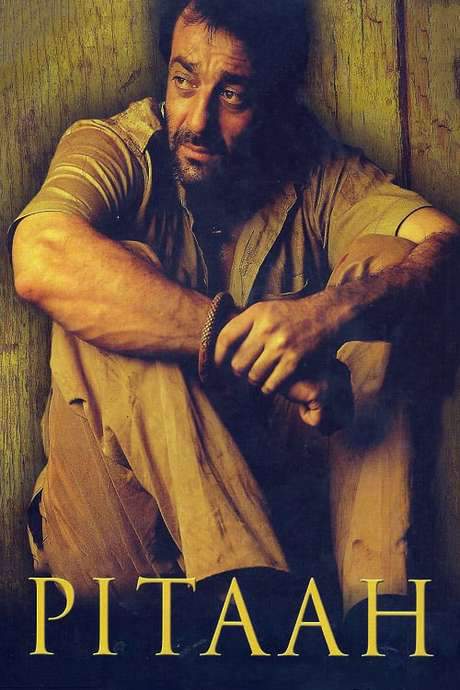
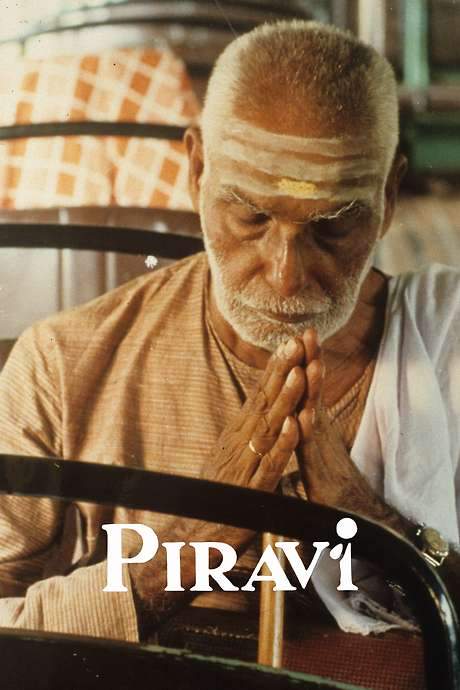
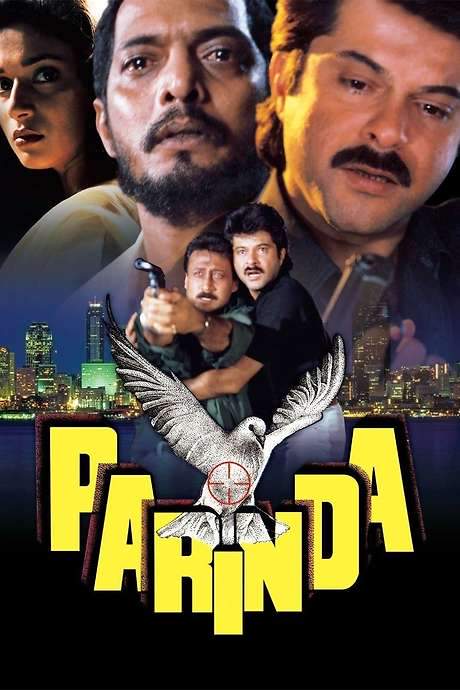
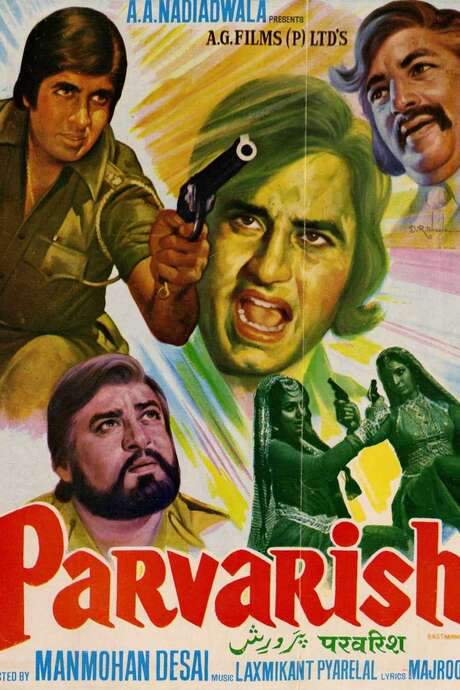
Uncover films that echo the narrative beats, emotional arcs, or dramatic twists of the one you're exploring. These recommendations are handpicked based on story depth, thematic resonance, and spoiler-worthy moments — perfect for fans who crave more of the same intrigue.






Featured on this page

What's After the Movie?
Not sure whether to stay after the credits? Find out!
Check out our other apps:

SAT Sphere
Build confidence for the Digital SAT.

Mori Atlas
Discover wild places worth protecting.

Luntero
Search smarter for a home in Amsterdam.

Plot Explained
Unravel movie endings and hidden clues.

Pokechamp
Dive into Pokémon data and battle logic.

Driving Theory
Get ready for your European theory test.

Movie Dust
Plan your next cinema trip with ease.

Musemap
Find art and culture as you travel.

Selkobase
Compare credentials before committing.

Local Manual
Turn an unfamiliar country into practical next steps.

Lernavi
Compare school systems before your next move.

GymRoam
Find a workout stop wherever your plans take you.
Explore Our Movie Platform
New Movie Releases (2026)
Famous Movie Actors
Top Film Production Studios
Movie Plot Summaries & Endings
Major Movie Awards & Winners
Best Concert Films & Music Documentaries
Movie Collections and Curated Lists
© 2026 What's After the Movie. All rights reserved.
Privacy Policy