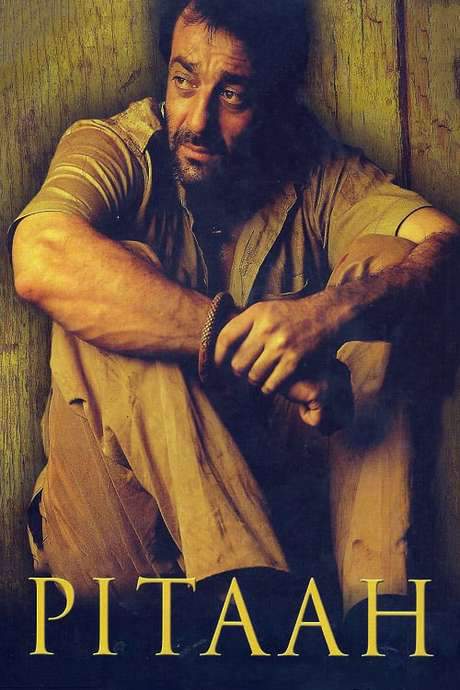


Pitaah Plot Summary
Read the complete plot summary and ending explained for Pitaah (2002). From turning points to emotional moments, uncover what really happened and why it matters.
In a quiet rural town, two fathers stand at opposite ends of justice, setting the stage for a confrontation charged with power, poverty, and pain. Rudra, Sanjay Dutt, a weary and poorest of workers employed by the formidable Zamindar Thakur Avadh Narayan Singh Om Puri, discovers that his beloved nine-year-old daughter, Durga Tanvi Hegde, has been beaten and brutally raped by the Thakur’s sons, Bachhu and Bhola. The revelation ignites a fierce call for justice in a man who has little to lean on beyond grit, faith, and the bond of family. The threat to Durga becomes Rudra’s driving force, turning the quiet life of a laborer into a volatile stand for dignity in a system that seems stacked against the weak.
Yet the path to accountability is clogged with corruption. A corrupt doctor is willing to bend medical facts for a price, tampering with evidence that could seal the case against the Thakur’s family. Compounding this, Police Inspector Ramnarayan Bhardwaj Jackie Shroff signals a troubling readiness to drop charges if he receives his due, revealing a town where power can bend the law in surprising ways. These impediments push Rudra toward a desperate resolve: justice may require him to shoulder the consequences of breaking the rules, even if the cost falls on his own family and future.
When Bachhu and Bhola come to court, Rudra’s response is swift and severe. He defeats the brothers, ending their threat with deadly force, a decision that echoes through the town and tests the limits of right and revenge. The confrontation with Avadh Narayan Singh escalates into a tense, moral standoff as Rudra seeks to safeguard Durga and those he loves. He delivers a stark confession to the Thakur, apologizing for stepping outside the law, and offers to surrender in exchange for his family’s safety. But Avadh remains unyielding, and Rudra’s vigil against tyranny becomes a broader fight against a system too often swayed by wealth and influence. The clash intensifies, and the Thakur’s men fall in the wake of Rudra’s unwavering determination.
The story takes a pivotal turn through Paro Nandita Das, Rudra’s wife, whose presence adds a human cost to the violence and a final, decisive weight to the pursuit of justice. Paro’s actions culminate in the Thakur’s death, a moment that seals the personal toll of the struggle and reshapes the moral landscape of the family they have fought to protect. After these brutal chapters, Rudra surrenders to the police and receives a six-month sentence, a consequence that echoes with the pain of the town’s people and the price paid for courage.
Upon release, Rudra is reunited with his family, entering a fragile peace that threads through a community forever touched by greed, coercion, and the stubborn persistence of a man willing to risk everything for his child’s safety. The resolution is quieter than the violence that preceded it, a testament to endurance and the cost of justice in a world where power often drowns out truth.
Pitaah Timeline
Follow the complete movie timeline of Pitaah (2002) with every major event in chronological order. Great for understanding complex plots and story progression.
Rudra learns of Durga's assault and vows to seek justice
Rudra, a poor laborer in a rural town in India, learns that his nine year old daughter Durga has been beaten and raped by Avadh Narayan Singh's sons. He resolves to pursue justice for his family despite the odds and a corrupt system. This revelation sets him on a dangerous path toward accountability.
Corrupt doctor tries to alter the medical report
A local doctor accepts a bribe to change Durga's medical report, attempting to clear the Thakur's sons of responsibility. The bribery exposes a corrupt chain that threatens Rudra's quest for justice. The hospital becomes a battleground for truth versus power.
Inspector Bhardwaj offers to drop charges for dues
Police Inspector Ramnarayan Bhardwaj signals willingness to drop charges against Avadh's sons if he receives his due from the Thakur. This shows how corruption can obstruct legal accountability. Rudra's path to justice grows more difficult.
Rudra takes action as the court date nears
When Avadh's sons arrive for their court appearance, Rudra acts on his own and kills Bachhu and Bhola. The violence marks a drastic turn from seeking legal justice to vigilantism. The town watches as the feud moves from court to the streets.
Rudra confronts the Thakur and vows surrender for his family's safety
Rudra directly confronts Thakur Avadh Narayan Singh and apologizes for his actions. He then agrees to surrender to the police if it guarantees his family's safety. The tension between justice and family loyalty drives the next steps.
Thakur refuses to yield and Rudra's efforts escalate
The Thakur refuses to concede to Rudra's terms, and in response Rudra's resolve turns to harsher action as his men are killed. The power dynamic intensifies as the feud spirals toward force. This escalation pushes the conflict toward a breaking point.
Paro kills the Thakur
Paro, Rudra's wife, takes matters into her own hands and kills the Thakur. Her act of vengeance marks a turning point in the struggle for justice. The family is pushed further toward danger and resolve.
Rudra surrenders to the police
With the immediate danger behind, Rudra surrenders to the police. He accepts a six month sentence, hoping it will protect his family from further retaliation. The legal process finally constrains the vigilante justice that began the saga.
Rudra serves a six month sentence
Rudra completes the six month term, enduring time away from his family. The experience tests their resilience and reunification becomes the driving hope of his release. The community may reflect on the costs of pursuing justice.
Rudra is released and reunites with his family
Upon release, Rudra is reunited with his wife Paro and Durga. The family finally finds peace after the brutal confrontation with Avadh's tyranny. The town learns that justice can come at a high cost but persistence can restore a family.
A fragile peace returns to the village
With the family together again, a fragile peace settles over the town. Rudra's quest for justice has ended, and the family begins to heal despite the scars of the ordeal. The community is reminded of the costs and courage involved in seeking justice.
Pitaah Characters
Explore all characters from Pitaah (2002). Get detailed profiles with their roles, arcs, and key relationships explained.
Rudra (Sanjay Dutt)
A poor laborer employed by the Zamindar who becomes a relentless seeker of justice after learning his daughter has been brutally harmed. He faces a corrupt system—a bribed doctor and a compromised police force—that blocks traditional avenues of justice. Driven by family loyalty and desperation, he takes drastic action, including killing the Thakur's sons, and ultimately surrenders to the law.
Paro (Nandita Das)
Rudra's wife and a steady pillar of the family through the ordeal. She shares the burden of seeking justice and ultimately kills the Thakur, illustrating fierce courage and maternal protection. Her resilience and willingness to confront danger underscore the film’s exploration of vengeance, duty, and sacrifice within a constrained social setting.
Thakur Avadh Narayan Singh (Om Puri)
The rich and cruel Zamindar who wields power to shield his sons and resist accountability. His arrogance and control over the town's institutions drive the conflict and illustrate how wealth can corrupt justice. He is ultimately defeated by the actions sparked within his own household, culminating in his demise.
Ramnarayan Bharadwaj (Daroga) (Jackie Shroff)
The police inspector who represents a compromised system, willing to drop charges against the Thakur's sons in exchange for personal gain. His actions embody the obstacles Rudra faces in pursuing justice within an institution prone to corruption. He serves as a catalyst that intensifies Rudra's turn toward vigilante justice.
Durga ('Muniya') (Tanvi Hegde)
Rudra's nine-year-old daughter whose assault becomes the forcing point for the entire family’s fight against oppression. She symbolizes innocence under threat and the urgent motive behind Rudra and Paro's actions. Her presence fuels the emotional stakes and the drive for protective justice.
Pitaah Settings
Learn where and when Pitaah (2002) takes place. Explore the film’s settings, era, and how they shape the narrative.
Time period
Late 1990s – early 2000s
The events occur in a contemporary rural milieu, a period when corruption within medicine and law enforcement is depicted as pervasive. The film uses this timeframe to explore how institutional weakness and bribes affect justice. It mirrors a transitional era where traditional authority clashes with emerging demands for accountability.
Location
Rural India, small town
The story unfolds in a small town in rural India, with fields, dusty streets, and a social order steered by a powerful Zamindar. The setting centers on local power dynamics, where wealth and influence influence everyday life and justice. This environment highlights how fear and tradition shape the town’s response to crime and punishment.
Pitaah Themes
Discover the main themes in Pitaah (2002). Analyze the deeper meanings, emotional layers, and social commentary behind the film.
⚖️
Justice vs. Vigilantism
The film centers on the tension between legal justice and personal retribution. Rudra's pursuit of justice for his daughter collides with a biased police system and a corrupt doctor, forcing him to take matters into his own hands. The narrative examines whether ends justify means when the state fails to protect the vulnerable. It invites the audience to weigh the moral boundaries between law and vengeance.
❤️
Family & Sacrifice
Durga's assault becomes the catalyst that binds Rudra and Paro to fight back against tyranny. Rudra's actions are driven by his duty to his family, while Paro's bravery culminates in the ultimate act to protect them. The film portrays resilience, love, and the costs of defending one's kin. Family loyalty becomes both a source of strength and a dangerous burden.
🏛️
Corruption in Institutions
The doctor, bribed to alter a medical report, and the corrupt inspector illustrate how power is undermined by money. The law appears compromised when those with influence can steer outcomes and shield the guilty. The town's trust in institutions erodes as truth and accountability are sacrificed for convenience. The film critiques systemic rot as a barrier to justice.
🗡️
Violence & Consequences
The story escalates from legal contest to lethal confrontation when the Thakur's men and sons are killed. The violence drives the plot toward a climactic showdown and a tragedy that reshapes the family. The characters confront the cost of revenge and the fragility of peace after trauma. The ending suggests peace comes at the price of irreversible choices.

Coming soon on iOS and Android
The Plot Explained Mobile App
From blockbusters to hidden gems — dive into movie stories anytime, anywhere. Save your favorites, discover plots faster, and never miss a twist again.
Sign up to be the first to know when we launch. Your email stays private — always.
Explore the mobile appPitaah Spoiler-Free Summary
Discover the spoiler-free summary of Pitaah (2002). Get a concise overview without any spoilers.
In a sun‑baked slice of rural India, the rhythm of daily life is dictated by age‑old hierarchies and the weight of land. The village rests under the shadow of a powerful zamindar, Thakur Avadh Narayan Singh, whose word is law and whose presence looms over every street and field. Around him, the institutions meant to protect the people—medicine, policing— have become pliable, their integrity bent by the promise of influence. The atmosphere is thick with a quiet tension, a blend of rustic charm and an underlying threat that any dissent might be smothered before it can rise.
Enter Rudra, a laborer whose calloused hands have built the very roads that the zamindar’s wealth travels. He lives with his devoted wife, Paro, and their bright‑spirited daughter, Durga. Their modest home is a sanctuary of love, yet the world outside presses hard against its doors. When a grave injustice strikes the family, Rudra finds himself standing at a crossroads between the humility of his upbringing and a fierce, personal drive for dignity. The film captures his inner turmoil with a gritty realism, letting the audience feel the weight of his choices even before they are made.
The narrative is framed by a stark, earthy visual palette that mirrors the moral greyscale of the story. Corruption seeps through the corridors of power, embodied in a doctor willing to rewrite truths for a price and an inspector, Ramnarayan Bhandwaj, whose loyalty can be bought. Yet the film never loses sight of the human heart beating beneath these forces. The tone oscillates between simmering oppression and moments of hopeful resilience, inviting viewers to contemplate how far a single individual will go when the scales of justice tilt irrevocably against them.
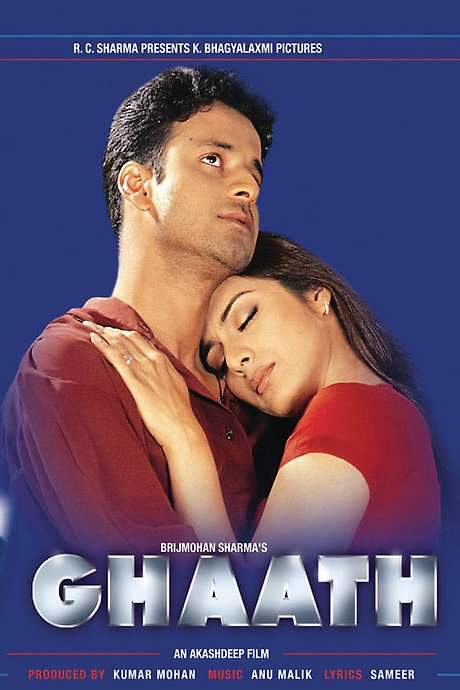
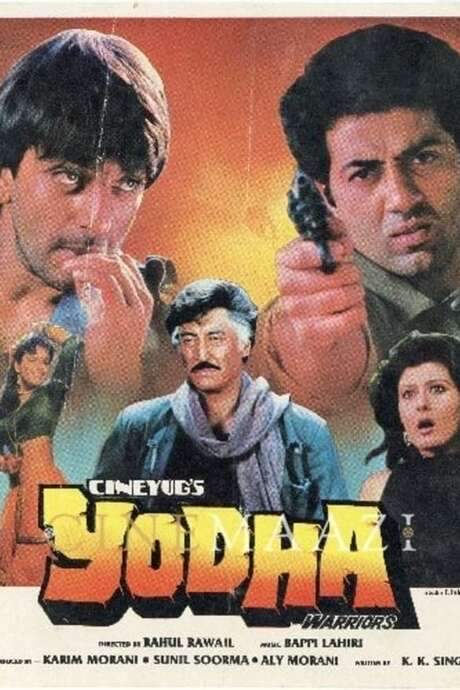
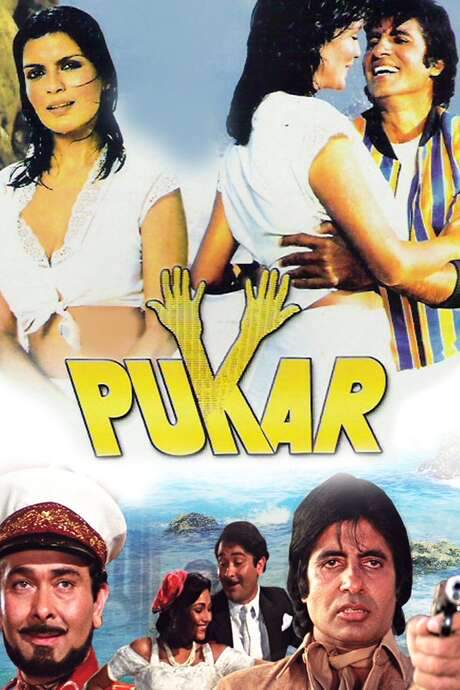
Movies with Similar Twists and Themes
Uncover films that echo the narrative beats, emotional arcs, or dramatic twists of the one you're exploring. These recommendations are handpicked based on story depth, thematic resonance, and spoiler-worthy moments — perfect for fans who crave more of the same intrigue.


Featured on this page

What's After the Movie?
Not sure whether to stay after the credits? Find out!
Check out our other apps:

SAT Sphere
Build confidence for the Digital SAT.

Mori Atlas
Discover wild places worth protecting.

Luntero
Search smarter for a home in Amsterdam.

Plot Explained
Unravel movie endings and hidden clues.

Pokechamp
Dive into Pokémon data and battle logic.

Driving Theory
Get ready for your European theory test.

Movie Dust
Plan your next cinema trip with ease.

Musemap
Find art and culture as you travel.

Selkobase
Compare credentials before committing.

Local Manual
Turn an unfamiliar country into practical next steps.

Lernavi
Compare school systems before your next move.

GymRoam
Find a workout stop wherever your plans take you.
Explore Our Movie Platform
New Movie Releases (2026)
Famous Movie Actors
Top Film Production Studios
Movie Plot Summaries & Endings
Major Movie Awards & Winners
Best Concert Films & Music Documentaries
Movie Collections and Curated Lists
© 2026 What's After the Movie. All rights reserved.
Privacy Policy