
Pretty Baby 1950

Directed by

Bretaigne Windust
Made by

Warner Bros. Pictures
Pretty Baby Plot Summary
Read the complete plot summary and ending explained for Pretty Baby (1950). From turning points to emotional moments, uncover what really happened and why it matters.
Patsy Douglas Betsy Drake works at a bustling New York advertising agency, where the days are filled with pitches, deadlines, and a constant hum of creativity. To secure a coveted seat on a crowded subway, she conjures up an ingenious ruse: she pretends to be traveling with a baby, using a lifelike doll discarded by the firm’s ad department. The plan takes a surprising turn when the doll’s supposed father—a cranky, short-tempered client named Cyrus Baxter [Edmund Gwenn]—ends up sitting beside her. Baxter’s chauffeur has just left in a huff after a traffic snafu, and he’s in a mood to hear quiet admiration. The moment he overhears that Patsy has named her “child” Cyrus after him, he lights up with unexpected warmth and curiosity, and he begins to strike up a casual, almost protective friendship. He even lets Patsy believe that he works as Baxter’s loyal watchman, keeping an eye on things.
As the agency’s bosses, Sam Morley [Dennis Morgan] and Barry Holmes [Zachary Scott], try to reel Baxter in for a big contract, he makes one stipulation: Patsy must be kept happy. It’s a condition that bafflingly benefits the agency, and the pair soon realize that keeping her close may be the key to winning Baxter’s business. Patsy’s performance at the meeting—quietly charming and unassumingly persuasive—helps Baxter feel seen in a way he hasn’t experienced in years, and his temper begins to soften. Yet Morley and Holmes aren’t prepared for the emotional consequences of Patsy’s ruse; they discover that she has been quietly fired, only to be rehired and upgraded from secretary to a more prominent role, all within the span of a few days.
What starts as a simple deception evolves into a delicate dance of loyalty, longing, and obligation. Patsy continues the masquerade, maintaining the belief that she’s genuinely assisting Baxter, while Morley frets that the truth will surface and threaten the entire campaign. Baxter, meanwhile, grows increasingly fond of this improbable partnership, and his improved temperament surprises everyone around him. When Morley and Holmes finally piece together the truth, Patsy is torn between confession and the practical need to protect hundreds of jobs that would be lost if Baxter walks away.
The agency’s calculus grows heavier with each revelation. To avert disaster, Morley reveals a cunning plan: he’ll keep the ruse alive until he secures Baxter’s signature, even if it means Patsy must continue the pretense a little longer. Then a pivotal moment arrives: Morley shows Baxter a photo of the baby—only to reveal it’s a picture of his partner’s child, not Patsy’s at all. Baxter senses a family resemblance, puzzling over a likeness to Holmes and the possibility that the father figure might actually be Holmes himself. In a bid to pacify the situation, Morley arranges for Holmes to start dating Patsy, a move that ignites unexpected jealousy in Holmes, who finds himself falling in love without fully realizing it.
As the truth looms closer, Patsy contemplates a life beyond the lie. She decides she will raise her own child on her terms and steps away from the agency, much to Baxter’s dismay. Baxter, in a last-ditch effort to salvage the situation, hires a private investigator, Corcoran, to track Patsy down. The investigation confirms there is no baby to claim, and Morley—not only a shrewd boss but a man capable of real feeling—admits that he, too, is in love with Patsy. With the truth out, a buoyant Baxter resolves to pursue Patsy with renewed resolve. In a light, hopeful finale, Morley intercepts Patsy on a subway, persuading her to step off at City Hall for a proper marriage, sealing a future built on honesty, affection, and the shared dream of a life beyond the empty ruse.
This story blends wit, workplace dynamics, and romantic misdirection in a way that keeps the focus on character, loyalty, and the choices we make when love and livelihood hang in the balance. A Brooklyn-to-midtown, big-city romance grounded in the era’s advertising world, it explores how a single, clever deception can ripple into real connection—and how love can emerge when honesty finally takes center stage.
Pretty Baby Timeline
Follow the complete movie timeline of Pretty Baby (1950) with every major event in chronological order. Great for understanding complex plots and story progression.
Patsy fakes a baby to snag a seat on the subway
Patsy Douglas comes up with an ingenious ruse to secure a seat on the crowded New York subway by pretending to have a baby. She uses a doll discarded by the advertising agency where she works and presents herself as a harried mother. The ruse succeeds, and she finds herself comfortably settled as the carriage fills with amused onlookers.
Cyrus Baxter overhears Patsy's ruse and takes interest
Nearby, Baxter overhears that the baby is named Cyrus after him and is amused by the coincidence. He quickly takes an interest in Patsy and subtly encourages the ruse. He lets her believe he works for Baxter as a watchman, deepening the illusion around her deception.
Baxter befriends Patsy and they form a strange rapport
Their initial interaction on the subway evolves into a budding, if unconventional, rapport. Patsy enjoys the attention and the way the ruse smoothes her day-to-day needs. Baxter, for his part, continues to play along as the 'watchman' while learning more about her situation.
Agency bosses push to sign Baxter and discover Patsy was fired
Morley and Holmes hustle to present Baxter with a new campaign contract, insisting Patsy must stay happy as part of the plan. They discover Patsy was fired from her secretarial duties, and they quickly hire her back and promote her to a higher role. The arrangement ties Patsy to the campaign and Baxter's goodwill.
Morley suspects Patsy is Baxter's mistress
Morley sees Patsy and Baxter together and immediately assumes she is Baxter's mistress. Patsy continues to maintain the façade, hoping to protect the contract and her position. The misunderstanding tightens the agency's grip on the deception and complicates loyalties.
Patsy learns Baxter's true identity
Patsy is sent to present the latest idea and realizes the man she befriended is the real Cyrus Baxter. The discovery makes the ruse riskier, forcing her to navigate the truth while maintaining the performance. Baxter's proximity now feels both helpful and potentially dangerous to the scheme.
Baxter's temper improves under Patsy's influence
Despite the masquerade, Baxter's temper gradually improves under Patsy's influence, revealing a warmer side behind his brash exterior. Patsy sees progress that reinforces the value of the ongoing deception for their professional ties. The change deepens their dynamics and raises the stakes of the lie.
The truth about the baby remains hidden to protect the contract
When Morley and Holmes finally learn the truth, Patsy wants to confess to Baxter, but their insistence on maintaining the masquerade persists to secure his contract. Patsy agrees to continue the ruse rather than risk hundreds of jobs. The ethical tension between honesty and livelihood drives the plot forward.
Photo reveal triggers jealousy and a dating plan
Morley shows Baxter a photograph of the baby, which is actually a picture of his partner as a child, triggering a suspicion that the baby might be the child of Holmes. Baxter suspects Holmes is the father, prompting Morley to arrange for Holmes to start dating Patsy. Jealousy and romantic confusion begin to complicate the professional scheme.
Patsy resolves to raise the baby alone and quits
Overwhelmed by the escalating farce, Patsy tells Baxter she will raise her son on her own and decides to quit the agency as well. Baxter, frustrated by the ruse, hires private investigator Corcoran to locate her. Morley confirms there is no child and admits his own feelings for Patsy.
No child confirmed; Morley confesses love
Private investigator Corcoran confirms there is no baby, clearing Patsy's conscience but ending the ruse. Morley then admits he is in love with Patsy, complicating the workplace dynamics. Baxter, buoyed by the revelation, resolves to pursue Patsy with renewed determination.
Subway confrontation leads to City Hall wedding plan
Baxter insists he will chase Patsy, and Morley catches her on a subway train. He persuades her to get off at the City Hall stop to marry, setting up the final resolution. Patsy, facing a real future with Baxter, agrees to move forward with the plan.
Pretty Baby Characters
Explore all characters from Pretty Baby (1950). Get detailed profiles with their roles, arcs, and key relationships explained.
Patsy Douglas (Betsy Drake)
An ambitious secretary at an advertising agency who improvises a ruse to secure a seat on a crowded subway. Her quick wit and resourcefulness propel the plot, but her deception also creates moral tension as she navigates professional and personal risks. She is determined to advance her career while grappling with the truth behind her façade.
Cyrus Baxter (Edmund Gwenn)
A temperamental yet charismatic client whose attention Patsy captures with her baby ruse. He is delighted by the perceived personal connection and becomes entwined in Patsy’s world. His demeanor oscillates between fiery frustration and surprising warmth as the situation unfolds.
Sam Morley (Dennis Morgan)
One of the agency’s two bosses who pushes to keep Baxter happy and secure the contract. He encourages Patsy to maintain the deception for the sake of the business, and later confesses his own feelings, complicating the professional scenario with romance.
Barry Holmes (Zachary Scott)
The other agency executive who becomes involved with Patsy as part of the broader scheme. He experiences jealousy and romantic tension, contributing to misunderstandings that propel the story toward its climax.
Corcoran
A private investigator hired to track Patsy down when the truth threatens to surface. He functions as a catalyst for revelations, helping drive the plot toward its resolution by pursuing the deception’s consequences.
Pretty Baby Settings
Learn where and when Pretty Baby (1950) takes place. Explore the film’s settings, era, and how they shape the narrative.
Time period
1940s
Set in the mid-20th century, the film captures the pace of a bustling New York City in the 1940s. Public transit and office life reflect the era’s social norms, gender roles, and workplace dynamics. The urgency of advertising campaigns and the prominence of secretaries and executives illustrate the period's professional environment.
Location
New York City, New York Subway
The story unfolds in New York City, with key scenes moving through the crowded subway and the fast-paced offices of a mid-20th-century advertising agency. The subway car serves as a social stage where Patsy performs her ruse, while the agency provides a backdrop of professional ambition and corporate maneuvering. The city’s urban rhythm and public spaces shape interactions and drive the plot forward.
Pretty Baby Themes
Discover the main themes in Pretty Baby (1950). Analyze the deeper meanings, emotional layers, and social commentary behind the film.
🎭
Identity
Deception drives the plot as Patsy pretends to have a baby to gain a seat and later to influence Baxter. The film explores how appearances shape others’ perceptions and decisions, often masking truth with charm and improvisation. Characters navigate the tension between authenticity and social performance, especially within the advertising world where image matters.
💘
Romance
Romantic entanglements arise from professional deception, blending affection with strategic maneuvering. Patsy’s relationships with Baxter and the agency bosses blur lines between personal feelings and business needs. Jealousy and affection collide, pushing characters toward confession or continued masquerade.
💼
Work & Influence
The advertising agency and its decisions demonstrate how business aims shape personal lives. The pursuit of a contract drives the plot and prompts moral compromises, highlighting the power dynamics between clients and employees. The film ties intimate choices to professional consequences, showing a world where success depends on managing appearances and alliances.

Coming soon on iOS and Android
The Plot Explained Mobile App
From blockbusters to hidden gems — dive into movie stories anytime, anywhere. Save your favorites, discover plots faster, and never miss a twist again.
Sign up to be the first to know when we launch. Your email stays private — always.
Explore the mobile appPretty Baby Spoiler-Free Summary
Discover the spoiler-free summary of Pretty Baby (1950). Get a concise overview without any spoilers.
In the humming heart of Manhattan’s advertising world, a young copywriter navigates a maze of deadlines, pitches, and the relentless rush of the city that never pauses. The office is a kaleidoscope of bright ideas and sharper tongues, where ambition is measured in billboards and the next big client can turn a modest campaign into a career‑making triumph. Amid the clatter of typewriters and the glow of neon signs, the daily grind is punctuated by the pulse of the subway, the underground artery that carries the city’s countless stories.
Patsy Douglas has learned that even the smallest inconvenience can inspire an elaborate solution. When a crowded subway car threatens to delay her, she fashions a clever ruse: a lifelike baby doll borrowed from the agency’s creative department becomes her silent passenger. The ploy is simple, humorous, and unmistakably resourceful—a testament to her quick wit and the playful desperation that often accompanies life in a fast‑moving metropolis. The pretend infant becomes a subtle shield, granting her a coveted seat and a momentary reprieve from the chaotic rush.
The ruse catches the eye of Cyrus Baxter, a notoriously irritable client whose temperament can make or break deals for the agency. His presence on the train adds an unexpected layer of tension, as his reputation for short patience contrasts sharply with the innocent charade Patricia has constructed. Yet beneath his gruff exterior lies a curiosity that suggests the encounter could ripple far beyond a fleeting subway ride, hinting at the delicate dance between professional ambition and personal intrigue.
Overseeing the whole enterprise are Sam Morley and Barry Holmes, the agency’s sharp‑suited partners whose eyes are always on the next contract. Their concern for the firm’s reputation and the high stakes of securing Baxter’s business make Patsy’s improvisation a point of both amusement and anxiety. In a world where a single clever deception can tip the balance between success and collapse, the stage is set for a witty, romantic comedy that explores how far a resourceful young woman will go to claim a seat—both on the train and in the bustling narrative of Manhattan’s advertising elite.
Movies with Similar Twists and Themes
Uncover films that echo the narrative beats, emotional arcs, or dramatic twists of the one you're exploring. These recommendations are handpicked based on story depth, thematic resonance, and spoiler-worthy moments — perfect for fans who crave more of the same intrigue.

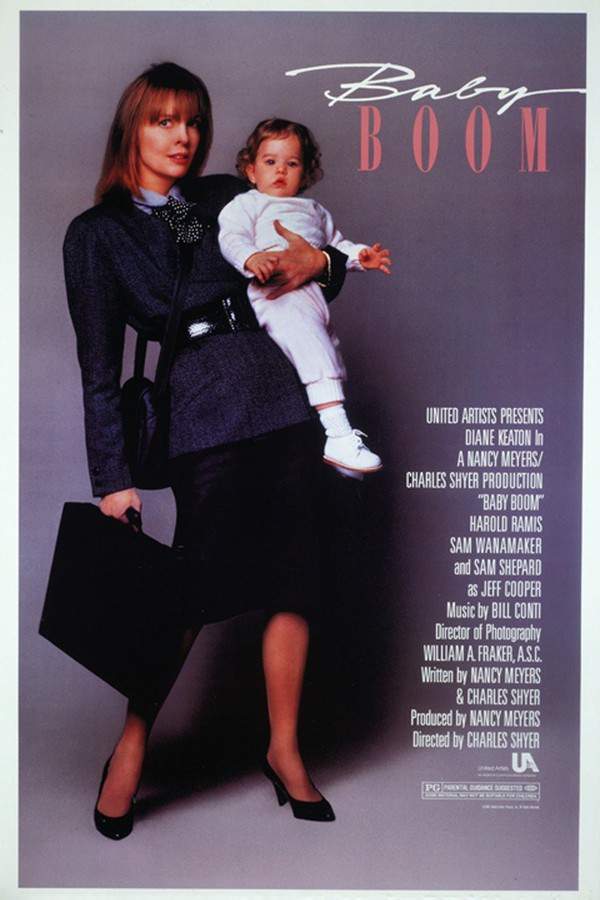


Featured on this page

What's After the Movie?
Not sure whether to stay after the credits? Find out!
Check out our other apps:

SAT Sphere
Build confidence for the Digital SAT.

Mori Atlas
Discover wild places worth protecting.

Luntero
Search smarter for a home in Amsterdam.

Plot Explained
Unravel movie endings and hidden clues.

Pokechamp
Dive into Pokémon data and battle logic.

Driving Theory
Get ready for your European theory test.

Movie Dust
Plan your next cinema trip with ease.

Musemap
Find art and culture as you travel.

Selkobase
Compare credentials before committing.

Local Manual
Turn an unfamiliar country into practical next steps.

Lernavi
Compare school systems before your next move.

GymRoam
Find a workout stop wherever your plans take you.
Explore Our Movie Platform
New Movie Releases (2026)
Famous Movie Actors
Top Film Production Studios
Movie Plot Summaries & Endings
Major Movie Awards & Winners
Best Concert Films & Music Documentaries
Movie Collections and Curated Lists
© 2026 What's After the Movie. All rights reserved.
Privacy Policy