

What Is Picture Bride About?
The premise of Picture Bride in 282 words, with nothing given away. The full story follows below.
In the summer of 1918 a seventeen‑year‑old orphan named Riyo boards a steamship in Yokohama, bound for the distant islands of Hawaii under the promise of a marriage arranged by her late father’s sister. The film opens aboard the vessel, where the excitement of a fresh start is mingled with the quiet dread of the unknown, setting a tone that is simultaneously hopeful and melancholy. Upon disembarking in Honolulu, Riyo discovers that the man she is to wed, a plantation worker named Matsuji, is far older than the portrait she was shown, leaving her to confront the stark gap between expectation and reality.
The sprawling sugarcane fields and modest plantation homes form a world that is at once beautiful and oppressive, rendered with a lyrical visual style that catches the swaying green as well as the lingering shadows of colonial labor. Within this landscape, Riyo must navigate a new language, unfamiliar customs, and the subtle hierarchies that shape daily life. The atmosphere is tinged with the soft hum of distant songs carried on the wind, hinting at both the cultural heritage of the Japanese community and the lingering echo of their longing for home.
Amid the isolation, a bond begins to form with another picture bride, Kana, a young mother who has already learned the rhythms of plantation life. Their tentative friendship offers Riyo a glimpse of compassion and guidance, suggesting that solidarity may ease the transition from strangers to a makeshift family. As the two women share quiet moments and whispered advice, the film cultivates a sense of quiet resilience, inviting the audience to wonder how Riyo will carve out a place for herself in this foreign yet oddly familiar world.
What Happens in Picture Bride?
The complete story of Picture Bride, from the first scene to the last, in 725 words (about 3 minutes). Spoilers throughout. Names in the text link to 3 cast member pages.
Spoilers ahead
In 1918, Riyo Youki Kudoh is a young Japanese woman who becomes a picture bride for Matsuji Kimura Akira Takayama, a field hand working on a sugarcane plantation in Hawaii. Their match is arranged by Riyo’s aunt, since her father has long since died. Riyo is shown a photo of the handsome groom, but upon arriving in Honolulu she learns that Matsuji is actually twenty years older than the man in the portrait. Disappointed, she still goes through with the marriage in a mass ceremony alongside other picture brides.
She travels by wagon to the plantation home, a ramshackle house tucked among the dark green fields. As she passes the cane, a distant song carries on the wind, and Matsuji half-jokes that the ghosts of the canefields are there to greet her. That first night, they share the same mat, but Riyo resists his advances and hides beneath a blanket, seeking space and quiet.
The next day, Riyo receives an ID tag to wear and begins work in the fields. She struggles with unfamiliar labor, and Antone the luna (the field supervisor) subjects her to harassment and ridicule. Yayoi, who leads the women workers, asks Kana Tamlyn Tomita, another picture bride who arrived earlier, to mentor Riyo. Over time, a friendship forms between Riyo and Kana. Kana’s husband Kanzaki [Cary-Hiroyuki Tagawa] is abusive and prone to gambling, threatening Kana’s safety and their child. In an effort to escape the cruelty, Kana sneaks out to the fields at night with her baby, singing a mournful tune as she moves through the shadows.
Riyo begins a side business doing laundry for the workers and carefully saves her earnings in a tin can, determined to secure her passage back to Japan. Matsuji’s habits deteriorate as he drinks and gambles, telling Riyo that he intends to win enough money to take another bride. Kana advises him to become romantic and even suggests finding inspiration in Rudolph Valentino to win Riyo’s heart.
Yayoi departs with her family for Honolulu, leaving Kana to oversee the other women. Antone’s control tightens as harvest time nears. One day, he orders the workers to burn the leaves off the cane to speed up harvesting, but in the rush he neglects to locate the workers’ children first. Kana’s baby Kei disappears in the blaze, and mother and child are never seen again, a tragedy that reverberates through the community.
With Kei’s loss, talk of a strike grows among the workers. Matsuji asks Riyo to contribute some of her savings to the cause, but she remains focused on her dream of returning home. One night, Riyo follows the haunting singing again and confronts Matsuji, revealing that both of her parents died of tuberculosis and that her matchmaker aunt had misrepresented her status. He reacts coldly at first, turning away as they lie side by side.
Feeling betrayed, Riyo gathers her savings and a few belongings and runs away, eventually reaching the ocean. She falls asleep on the shore and wakes to a vision of Kana walking among the shoreline rocks. Kana tells her she is returning to Japan, and when Riyo asks to accompany her, Kana asks, “Who waiting for you there?” With those words, Kana hands her neck tag and urges Riyo to look after the other girls. Kana steps toward the sea and disappears into the light.
Riyo awakens with Kana’s neck tag in her hand and returns to the plantation, where she finds Matsuji drunk. She helps him into bed, and he murmurs, “I thought I was all alone again.” Later that night, they tentatively reconnect; she reaches for his hand, and they share a cautious, intimate embrace.
The following day, Riyo joins the other workers in song, her voice rising in the fields as a sign of leadership and solidarity. Antone’s taunts lose their bite as she persists with her growing confidence. Matsuji’s gift of a Buddhist altar to honor her parents becomes a meaningful moment, signaling his acceptance of her past and her resilience.
The film closes with a lively Obon Festival, a circle of dancers and workers celebrating together. An ending voiceover by Nobu McCarthy offers a reflective portrait of Riyo’s lifelong sense of memory and belonging, suggesting that sometimes her inner world continues to hear the singing voice of a daughter she never fully raised, echoing through the generations.
Picture Bride Timeline: Every Key Event in Order
13 key events in the order they happen, from “Riyo arrives in Hawaii as a picture bride” to “Obon Festival ends the story with a lingering memory”. 13 events name a place, across 13 locations.
- 1
Riyo arrives in Hawaii as a picture bride
She is shown a photo of Matsuji who is twenty years older than her. Her aunt arranges the marriage after her father's death. When she arrives in Honolulu, she participates in a mass ceremony with other picture brides.
When:1918 Where:Honolulu, Hawaii
- 2
A grim welcome and a long journey to the plantation
After the ceremony, Riyo rides a wagon to a ramshackle house on a sugarcane plantation. She hears a faint singing in the wind from the fields and wonders about its source. Matsuji half jokes that the ghosts of the canefields are welcoming her.
When:1918 Where:Sugarcane plantation, Hawaii
- 3
Riyo begins field work and faces harassment
On her first day in the fields she is given an ID tag and slows the pace, drawing harassment from Antone the luna. Yayoi and Kana mentor her and help her cope with the demands. Riyo forms a growing friendship with Kana as they work together.
When:Early days Where:Sugarcane fields, Hawaii
- 4
Kana's backstory of abuse and coping
Kana reveals that her husband Kanzaki beats her and gambles away money. To escape, Kana walks into the fields at night with her baby and sings to keep up her spirit. Riyo learns more about the harsh life the picture brides endure.
When:Early period Where:Fields and workers quarters
- 5
Riyo helps with Kana's laundry and saves money
Riyo takes on additional laundry work for the other workers and saves the earnings in a tin can with the aim of returning to Japan. Matsuji's drinking and gambling grow as he dreams of winning enough money for another bride. Kana advises him to be romantic and to model Rudolf Valentino to win Riyo's heart.
When:Mid period Where:Plantation camp and workers quarters
- 6
Matsuji resolves to gain another bride and seeks romance
Matsuji continues to drink and gamble, declaring his plan to win more money to marry another bride. Kana counsels him that romance, not force, will win Riyo, pointing to cinema idols like Valentino as inspiration. The couple's dynamic becomes more strained as the dream persists.
When:Evening Where:Matsuji's home
- 7
The fire, the field, and the disappearance of Kei
Antone orders the field to be burned to speed up harvesting, rushing the process. He does not let the women locate their children first, so Kana's baby Kei vanishes in the blaze. Neither mother nor daughter is seen again, echoing the peril in their lives.
When:Harvest day Where:Fields during harvest
- 8
Strikes discussed as a response to tragedy
News of the tragedy sparks talk of a strike among the workers. Matsuji asks Riyo to contribute some of her savings to support the effort, but she refuses, still clinging to the hope of returning to Japan someday. The community begins to fray under pressure and fear.
When:Post tragedy Where:Plantation camp
- 9
Riyo reveals her past and faces a harsh reaction
One night Riyo follows a singing voice and opens up about the tuberculosis deaths of her parents and the stigma that surrounded it. Her aunt had lied to Matsuji about her status, and Matsuji accuses her of having a secret lover, deepening the rift between them. He turns away, marking a turning point in their relationship.
When:Night Where:Under a tree by the fields
- 10
Riyo leaves the plantation and meets Kana at the shore
Feeling betrayed, Riyo gathers her savings and belongings and runs away to the sea. She falls asleep on the shore and is awakened by the sight of Kana, who says she is leaving for Japan. Kana hands Riyo her neck tag and asks her to look after the other girls, then fades into the sea.
When:Night Where:Shoreline and ocean
Show the other 3 events of Picture Bride Hide the last 3 events
- 11
Riyo returns, reconciles with Matsuji
Riyo wakes, returns to the plantation, and finds Matsuji drunk. She helps him into bed and he remarks that he thought he was alone again. In a quiet moment they reach out and share a hesitant, intimate embrace.
When:That night Where:Plantation house
- 12
Riyo leads and embraces her new role
The next day she begins singing in the fields and steps into a mantle of leadership once held by Kana and Yayoi. Antone mocks her, but she persists and grows more confident. Matsuji gifts her a Buddhist altar to honor her parents, acknowledging her past and her place in the community.
When:After reconciliation Where:Fields and home
- 13
Obon Festival ends the story with a lingering memory
The workers dance in a circle at a lively Obon Festival, celebrating resilience and community. An older Riyo narrates that she sometimes hears a woman's voice singing, imagining it to be her own daughter's voice in the future. The film closes on a note of memory and hopeful continuity.
When:Ending Where:Obon Festival grounds
Who Are the Main Characters in Picture Bride?
6 characters, among them Riyo (Youki Kudoh), The Benshi (Toshirô Mifune) and Matsuji Kimura (Akira Takayama): who each one is and the part they play in the story. Every profile links to the actor’s page.
- R(
Riyo (Youki Kudoh)
Played by Youki Kudoh
A young Japanese woman brought to Hawaii as a picture bride. She faces loneliness, harassment in the fields, and the pressures of an arranged marriage, but grows into a capable, hopeful figure who forges bonds with other women and discovers a new sense of family and purpose.
- 🎯 Protagonist
- 💬 Communication
- 🪪 Immigrant
- 🕊️ Hope
-
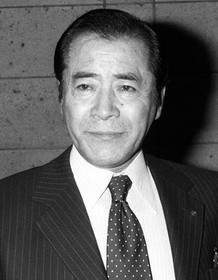
The Benshi (Toshirô Mifune)
Played by Toshirô Mifune
A traditional benshi who provides the narration and cultural context, framing the story with a voice that amplifies the emotional and social stakes of plantation life.
- 🎙️ Narrator
- 📜 History
- 🎭 Performance
- MK
Matsuji Kimura (Akira Takayama)
Played by Akira Takayama
Riyo's husband, whose age is misrepresented in a photograph. He struggles with drinking and gambling, displaying a distant, often harsh temperament, though occasional romantic gestures reveal a flawed complexity.
- 💼 Husband
- 🎲 Gambler
- 🧰 Flawed
- K(
Kana (Tamlyn Tomita)
Played by Tamlyn Tomita
Another picture bride who endures abuse from Kanzaki and supports Riyo through friendship and shared labor. She becomes a mentor to Riyo, saves money, and ultimately sacrifices herself in the cane-field fire.
- 🧭 Mentor
- 🧡 Survivor
- 👶 Motherhood
- K(
Kanzaki (Cary-Hiroyuki Tagawa)
Played by Cary-Hiroyuki Tagawa
Kana's husband, a man who beats his wife and gambles, contributing to a climate of fear and control within the plantation community.
- 🧨 Abuser
- 💔 Antagonist
- 🕹️ Gambling
- AS
Aunt Sode (Yōko Sugi)
Played by Yōko Sugi
The matchmaker who arranges the picture-bride marriages, shaping the lives of the women and reflecting the social expectations and pressures of the time.
- 🪪 Matchmaker
- 👵 Authority
- 🧭 Cultural expectations
Where and When Is Picture Bride Set?
Picture Bride is set in Honolulu and Hawaii (1918). Here is why the time and place matter to the story.
When
1918
The events take place during the final year of World War I, a time of migration and cultural pressure for Japanese families in Hawaii. Arranged marriages, tuberculosis stigma, and rigid plantation hierarchies shape everyday life. The setting captures a transitional moment where tradition collides with modern pressures and personal agency.
Where
Honolulu, Hawaii
In 1918, the story unfolds on a sugarcane plantation near Honolulu, Hawaii. Workers live in ramshackle houses scattered among vast fields where the day is defined by grueling labor and the rhythm of harvest. The plantation becomes an immigrant enclave, where picture-bride communities form tight-knit bonds amid harsh economic conditions.
- 🌴 Island setting
- 🪵 Plantation life
- 🏚️ Ramshackle housing
What Are the Themes of Picture Bride?
3 ideas the story keeps returning to, among them Resilience, Community and Identity.
-
01
Resilience
Riyo endures life as a picture bride, confronting loneliness, harassment, and financial hardship. She refuses passivity, seeking ways to support herself and others while preserving hope for a future beyond the plantation. Her persistence helps catalyze leadership and an uplifting, communal spirit among the workers.
-
02
Community
The women form a supportive network, with Kana mentoring Riyo and Yayoi guiding the group. The camp becomes a space where solidarity helps them endure abuse and exploitation, and the possibility of collective action emerges through shared labor and mutual aid.
-
03
Identity
The film examines cultural identity as Japanese traditions merge with Hawaiian immigrant life. The matchmaking by Aunt Sode, Kana's resilience, and Riyo's growing leadership illustrate how individuals negotiate belonging. The Obon festival at the end symbolizes reconciliation between past and present identities.
What Kind of Film Is Picture Bride?
Melancholic in tone, with slow pacing and a straightforward story, going by the plot summary.
- Tone
- Melancholic
- Pacing
- Slow
- Story
- Straightforward
- Intensity
- Medium
- Ending
- Bittersweet
A slow, melancholic historical drama that immerses the viewer in the isolation and resilience of a picture bride navigating cultural displacement, forced marriage, and tragic loss, culminating in a bittersweet but hopeful sense of belonging.
- melancholic
- isolated
- resilient
- haunting
- reflective
- somber
- immigrant experience
- forced marriage
- cultural displacement
- female friendship
Content notes: child death, domestic abuse, harassment.
Quiz
How well do you remember Picture Bride? Test yourself on the story.
Where to Watch Picture Bride
Stream it on Hoopla, or rent or buy it from Amazon Video and Apple TV Store. US availability and prices from JustWatch.
Stream 1
 Hoopla





Streaming availability in the US, powered by 


