Picture Bride 1994


Riyo, an orphaned 17‑year‑old, sails from Yokohama to Hawaii in 1918 to marry Matsuji, a man she has never met. Expecting a fresh start, she is shocked to find her husband twice her age, leaving her despondent and isolated. In the foreign island she befriends Kana, a young mother who offers compassion and guidance, helping Riyo come to terms with her unforeseen circumstances and gradually find a place in her new life.


Does Picture Bride have end credit scenes?
No!
Picture Bride does not have end credit scenes. You can leave when the credits roll.
Meet the Full Cast and Actors of Picture Bride
Explore the complete cast of Picture Bride, including both lead and supporting actors. Learn who plays each character, discover their past roles and achievements, and find out what makes this ensemble cast stand out in the world of film and television.
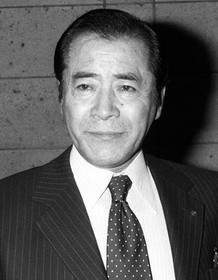

External Links and Streaming Options
Discover where to watch Picture Bride online, including streaming platforms, rental options, and official sources. Compare reviews, ratings, and in-depth movie information across sites like IMDb, TMDb, Wikipedia or Rotten Tomatoes.






Take the Ultimate Picture Bride Movie Quiz
Challenge your knowledge of Picture Bride with this fun and interactive movie quiz. Test yourself on key plot points, iconic characters, hidden details, and memorable moments to see how well you really know the film.
Picture Bride (1994) Quiz: Test your knowledge of the 1994 film *Picture Bride*, which follows Riyo, a Japanese picture bride navigating life on a Hawaiian sugarcane plantation in the early 20th century.
In which year does the story of *Picture Bride* begin?
Full Plot Summary and Ending Explained for Picture Bride
Read the complete plot summary of Picture Bride, including all major events, twists, and the full ending explained in detail. Explore key characters, themes, hidden meanings, and everything you need to understand the story from beginning to end.
In 1918, Riyo Youki Kudoh is a young Japanese woman who becomes a picture bride for Matsuji Kimura Akira Takayama, a field hand working on a sugarcane plantation in Hawaii. Their match is arranged by Riyo’s aunt, since her father has long since died. Riyo is shown a photo of the handsome groom, but upon arriving in Honolulu she learns that Matsuji is actually twenty years older than the man in the portrait. Disappointed, she still goes through with the marriage in a mass ceremony alongside other picture brides.
She travels by wagon to the plantation home, a ramshackle house tucked among the dark green fields. As she passes the cane, a distant song carries on the wind, and Matsuji half-jokes that the ghosts of the canefields are there to greet her. That first night, they share the same mat, but Riyo resists his advances and hides beneath a blanket, seeking space and quiet.
The next day, Riyo receives an ID tag to wear and begins work in the fields. She struggles with unfamiliar labor, and Antone the luna (the field supervisor) subjects her to harassment and ridicule. Yayoi, who leads the women workers, asks Kana Tamlyn Tomita, another picture bride who arrived earlier, to mentor Riyo. Over time, a friendship forms between Riyo and Kana. Kana’s husband Kanzaki [Cary-Hiroyuki Tagawa] is abusive and prone to gambling, threatening Kana’s safety and their child. In an effort to escape the cruelty, Kana sneaks out to the fields at night with her baby, singing a mournful tune as she moves through the shadows.
Riyo begins a side business doing laundry for the workers and carefully saves her earnings in a tin can, determined to secure her passage back to Japan. Matsuji’s habits deteriorate as he drinks and gambles, telling Riyo that he intends to win enough money to take another bride. Kana advises him to become romantic and even suggests finding inspiration in Rudolph Valentino to win Riyo’s heart.
Yayoi departs with her family for Honolulu, leaving Kana to oversee the other women. Antone’s control tightens as harvest time nears. One day, he orders the workers to burn the leaves off the cane to speed up harvesting, but in the rush he neglects to locate the workers’ children first. Kana’s baby Kei disappears in the blaze, and mother and child are never seen again, a tragedy that reverberates through the community.
With Kei’s loss, talk of a strike grows among the workers. Matsuji asks Riyo to contribute some of her savings to the cause, but she remains focused on her dream of returning home. One night, Riyo follows the haunting singing again and confronts Matsuji, revealing that both of her parents died of tuberculosis and that her matchmaker aunt had misrepresented her status. He reacts coldly at first, turning away as they lie side by side.
Feeling betrayed, Riyo gathers her savings and a few belongings and runs away, eventually reaching the ocean. She falls asleep on the shore and wakes to a vision of Kana walking among the shoreline rocks. Kana tells her she is returning to Japan, and when Riyo asks to accompany her, Kana asks, “Who waiting for you there?” With those words, Kana hands her neck tag and urges Riyo to look after the other girls. Kana steps toward the sea and disappears into the light.
Riyo awakens with Kana’s neck tag in her hand and returns to the plantation, where she finds Matsuji drunk. She helps him into bed, and he murmurs, “I thought I was all alone again.” Later that night, they tentatively reconnect; she reaches for his hand, and they share a cautious, intimate embrace.
The following day, Riyo joins the other workers in song, her voice rising in the fields as a sign of leadership and solidarity. Antone’s taunts lose their bite as she persists with her growing confidence. Matsuji’s gift of a Buddhist altar to honor her parents becomes a meaningful moment, signaling his acceptance of her past and her resilience.
The film closes with a lively Obon Festival, a circle of dancers and workers celebrating together. An ending voiceover by Nobu McCarthy offers a reflective portrait of Riyo’s lifelong sense of memory and belonging, suggesting that sometimes her inner world continues to hear the singing voice of a daughter she never fully raised, echoing through the generations.

Coming soon on iOS and Android
The Plot Explained Mobile App
From blockbusters to hidden gems — dive into movie stories anytime, anywhere. Save your favorites, discover plots faster, and never miss a twist again.
Sign up to be the first to know when we launch. Your email stays private — always.
Explore the mobile appDiscover Film Music Concerts Near You – Live Orchestras Performing Iconic Movie Soundtracks
Immerse yourself in the magic of cinema with live orchestral performances of your favorite film scores. From sweeping Hollywood blockbusters and animated classics to epic fantasy soundtracks, our curated listings connect you to upcoming film music events worldwide.
Explore concert film screenings paired with full orchestra concerts, read detailed event information, and secure your tickets for unforgettable evenings celebrating legendary composers like John Williams, Hans Zimmer, and more.


Picture Bride Themes and Keywords
Discover the central themes, ideas, and keywords that define the movie’s story, tone, and message. Analyze the film’s deeper meanings, genre influences, and recurring concepts.

Unlock the World of Movies with Our Comprehensive Wiki
Dive into our Movie Wiki for in-depth film encyclopedia entries, including cast biographies, production trivia, plot synopses, behind-the-scenes facts, and thematic analyses. Whether you’re researching iconic directors, exploring genre histories, or discovering hidden easter eggs, our expertly curated movie database has everything you need to fuel your cinematic passion.
Similar Movies To Picture Bride You Should Know About
Browse a curated list of movies similar in genre, tone, characters, or story structure. Discover new titles like the one you're watching, perfect for fans of related plots, vibes, or cinematic styles.









Quick Links: Summary, Cast, Ratings, More

What's After the Movie?
Not sure whether to stay after the credits? Find out!
Check out our other apps:

SAT Sphere
Build confidence for the Digital SAT.

Mori Atlas
Discover wild places worth protecting.

Luntero
Search smarter for a home in Amsterdam.

Plot Explained
Unravel movie endings and hidden clues.

Pokechamp
Dive into Pokémon data and battle logic.

Driving Theory
Get ready for your European theory test.

Movie Dust
Plan your next cinema trip with ease.

Musemap
Find art and culture as you travel.

Selkobase
Compare credentials before committing.

Local Manual
Turn an unfamiliar country into practical next steps.

Lernavi
Compare school systems before your next move.

GymRoam
Find a workout stop wherever your plans take you.
Explore Our Movie Platform
New Movie Releases (2026)
Famous Movie Actors
Top Film Production Studios
Movie Plot Summaries & Endings
Major Movie Awards & Winners
Best Concert Films & Music Documentaries
Movie Collections and Curated Lists
© 2026 What's After the Movie. All rights reserved.
Privacy Policy