
What's After the Movie
Yōko Sugi
Yōko Sugi, born on October 28, 1928, in Koishikawa, Bunkyō ward, Tokyo, Japan, was a distinguished Japanese actress who left an indelible mark on the cinema of the 1950s through her compelling portrayals of modern women navigating the complexities of post-war Japanese society. Her early life was marked by significant international experience, having graduated from a Japanese high school in Shanghai in 1945 before finally returning to her homeland in 1947. That same year, she successfully auditioned for Toho studio's prestigious "New Face" talent competition, securing a contract that would launch her career in the competitive Japanese film industry. Sugi made her highly anticipated cinematic debut in Aoi sanmyaku (1949), directed by the acclaimed Tadashi Imai, a film that established her as a promising talent in coming-of-age dramas. Her performances were characterized by a delicate yet profound emotional depth and remarkable screen presence that resonated deeply with post-war Japanese audiences seeking authentic stories of renewal, family dynamics, and human connection.
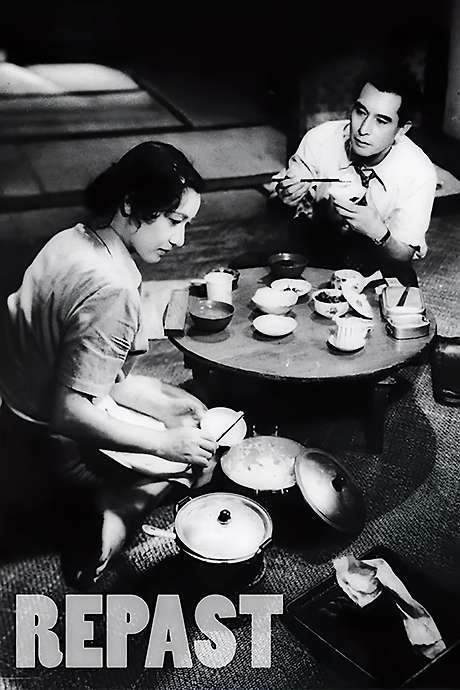
Throughout the 1950s, Sugi became a frequent and valued collaborator with some of Japan's most renowned filmmakers, particularly the legendary Mikio Naruse, appearing in his masterpieces including Repast, Sound of the Mountain, and notably Husband and Wife (1953), where she replaced the iconic Setsuko Hara in her only starring role for the director. She also worked under the direction of Kinuyo Tanaka in The Eternal Breasts (1955) and The Moon Has Risen (1955), further cementing her reputation as a versatile performer capable of navigating complex emotional landscapes with subtlety and grace. In 1962, at the height of her artistic career, Sugi made the life-changing decision to marry an American and retire from the entertainment industry, subsequently relocating to the United States where she worked at the New Otani Hotel in Los Angeles for many years. Despite her official retirement, she occasionally returned to the screen, appearing in Shirō Toyoda's The Twilight Years (1973) and the 1994 film Picture Bride, demonstrating her enduring commitment to her craft even after decades away from the industry. She also served as a Japanese Cultural Envoy to the United States for the Agency for Cultural Affairs in 2005, promoting cultural exchange between the two nations. Sugi eventually moved back to Japan in 2017, passing away in Tokyo on May 15, 2019, at the age of 90 from colon cancer, leaving behind a rich legacy of nuanced performances that captured the essence of Japanese womanhood during a transformative era in the nation's history.
Biography, Career & Filmography
Learn more about Yōko Sugi, including a detailed biography, career timeline, personal life insights, and complete filmography. Discover how Yōko Sugi rose to fame, their major roles, industry impact, and personal milestones in the world of film.
Given Name: Yōko Sugi
Born: Koishikawa, Bunkyō ward, Tokyo, Japan
Citizenship: Japanese
Birthday: October 28, 1928
Occupations: Actress
Years Active: 1949-1962, 1973, 1994-2005
External Links and Streaming Options
Explore more about on trusted external platforms like Wikipedia. Find additional details, reviews, and related content to deepen your understanding.





Career Timeline
Track the complete movie timeline of Yōko Sugi, including all film releases, career breakthroughs, and notable roles. Follow their journey from early performances to recent blockbusters and upcoming projects.

Coming soon on iOS and Android
The Plot Explained Mobile App
From blockbusters to hidden gems — dive into movie stories anytime, anywhere. Save your favorites, discover plots faster, and never miss a twist again.
Sign up to be the first to know when we launch. Your email stays private — always.
Explore the mobile app
What's After the Movie?
Not sure whether to stay after the credits? Find out!
Check out our other apps:

SAT Sphere
Build confidence for the Digital SAT.

Mori Atlas
Discover wild places worth protecting.

Luntero
Search smarter for a home in Amsterdam.

Plot Explained
Unravel movie endings and hidden clues.

Pokechamp
Dive into Pokémon data and battle logic.

Driving Theory
Get ready for your European theory test.

Movie Dust
Plan your next cinema trip with ease.

Musemap
Find art and culture as you travel.

Selkobase
Compare credentials before committing.

Local Manual
Turn an unfamiliar country into practical next steps.

Lernavi
Compare school systems before your next move.

GymRoam
Find a workout stop wherever your plans take you.
Explore Our Movie Platform
New Movie Releases (2026)
Famous Movie Actors
Top Film Production Studios
Movie Plot Summaries & Endings
Major Movie Awards & Winners
Best Concert Films & Music Documentaries
Movie Collections and Curated Lists
© 2026 What's After the Movie. All rights reserved.
Privacy Policy