

- Born
- October 28, 1928
- Birthplace
- Koishikawa, Bunkyō ward, Tokyo, Japan
- Citizenship
- Japanese
- Occupations
- Actress
- Years active
- 1949-1962, 1973, 1994-2005
Yōko Sugi's Career in Numbers
Yōko Sugi's films in numbers — as an actor, not counting appearances as themselves: when they were made, the genres Yōko Sugi works in most and the milestones along the way. The filmography runs from Drunken Angel (1948) to Picture Bride (1994), and the 1950s were the busiest decade.
Yōko Sugi Movies by Decade
- 1940s 2
- 1950s 8
- 1970s 1
- 1990s 1
The 1950s were Yōko Sugi's busiest decade, with 8 films.
Yōko Sugi Movies by Genre
- Drama 8
- Comedy 2
- History 1
- Romance 1
Drama is the genre Yōko Sugi has worked in most, with 8 films, ahead of comedy (2).
Yōko Sugi Career Milestones
- First film
- Drunken Angel 1948
- Biggest box office hit
- Picture Bride $1.24M worldwide
- Newest film
- Picture Bride 1994
Yōko Sugi Filmography: Every Movie
Every film Yōko Sugi is credited on, newest first, with the role, the box office and the Movie Echo Score. Re-order the list to see the best-rated films or the biggest hits first.
- 1994
 Picture Bride as Aunt Sode · History Worldwide box office: $1.24M
 - 1973
 The Twilight Years as Mrs. Kihara (widow) · Drama
 - 1955
 Forever a Woman as Kinuko · Drama
 - 1955
 The First Kiss Romance
 - 1955
 The Moon Has Risen as Ayako · Drama Worldwide box office: $394
 - 1954
 Sound of the Mountain as Tanizaki Hideko · Drama
 - 1953
 Mr. Pu Comedy
 - 1953
 Husband and Wife as Kikuko, Isaku's wife · Drama
 - 1951
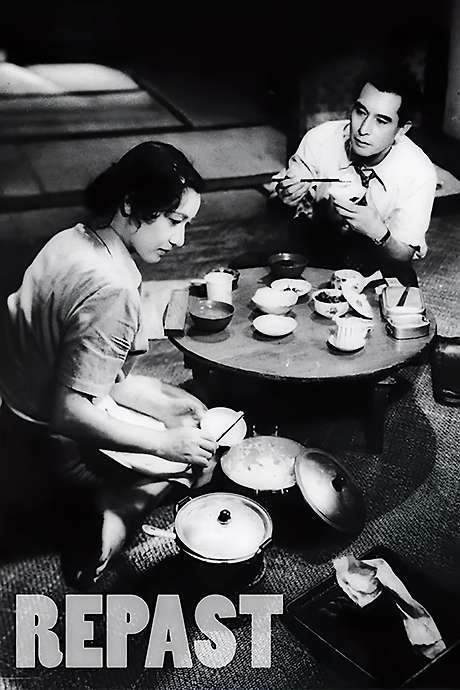 Repast as Mitsuko Murata · Drama
 - 1950
 Conduct Report on Professor Ishinaka as Mariko Yamada · Comedy
 - 1949
 The Blue Mountains: Part I as Shinko Terazawa · Drama
 - 1948
 Drunken Angel as Dancer (uncredited) · Drama Worldwide box office: $47K
Who Is Yōko Sugi?
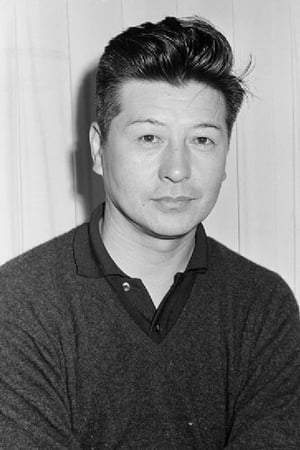
Yōko Sugi was born in Koishikawa, Bunkyō ward, Tokyo, Japan in 1928. Credited on films since 1948, as an actor. The background, training and the roles that shaped the career.
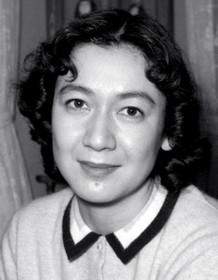
Yōko Sugi, born on October 28, 1928, in Koishikawa, Bunkyō ward, Tokyo, Japan, was a distinguished Japanese actress who left an indelible mark on the cinema of the 1950s through her compelling portrayals of modern women navigating the complexities of post-war Japanese society. Her early life was marked by significant international experience, having graduated from a Japanese high school in Shanghai in 1945 before finally returning to her homeland in 1947. That same year, she successfully auditioned for Toho studio's prestigious "New Face" talent competition, securing a contract that would launch her career in the competitive Japanese film industry. Sugi made her highly anticipated cinematic debut in Aoi sanmyaku (1949), directed by the acclaimed Tadashi Imai, a film that established her as a promising talent in coming-of-age dramas. Her performances were characterized by a delicate yet profound emotional depth and remarkable screen presence that resonated deeply with post-war Japanese audiences seeking authentic stories of renewal, family dynamics, and human connection.
Throughout the 1950s, Sugi became a frequent and valued collaborator with some of Japan's most renowned filmmakers, particularly the legendary Mikio Naruse, appearing in his masterpieces including Repast, Sound of the Mountain, and notably Husband and Wife (1953), where she replaced the iconic Setsuko Hara in her only starring role for the director. She also worked under the direction of Kinuyo Tanaka in The Eternal Breasts (1955) and The Moon Has Risen (1955), further cementing her reputation as a versatile performer capable of navigating complex emotional landscapes with subtlety and grace. In 1962, at the height of her artistic career, Sugi made the life-changing decision to marry an American and retire from the entertainment industry, subsequently relocating to the United States where she worked at the New Otani Hotel in Los Angeles for many years. Despite her official retirement, she occasionally returned to the screen, appearing in Shirō Toyoda's The Twilight Years (1973) and the 1994 film Picture Bride, demonstrating her enduring commitment to her craft even after decades away from the industry. She also served as a Japanese Cultural Envoy to the United States for the Agency for Cultural Affairs in 2005, promoting cultural exchange between the two nations. Sugi eventually moved back to Japan in 2017, passing away in Tokyo on May 15, 2019, at the age of 90 from colon cancer, leaving behind a rich legacy of nuanced performances that captured the essence of Japanese womanhood during a transformative era in the nation's history.
Who Yōko Sugi Makes Movies With
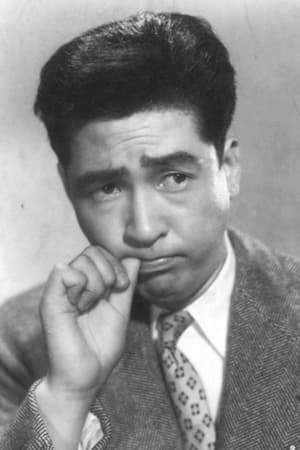
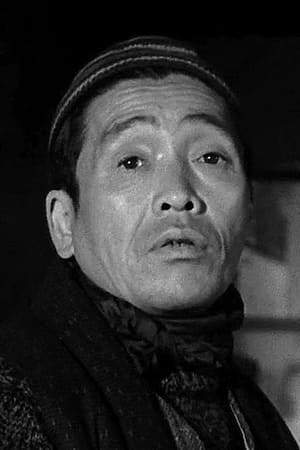
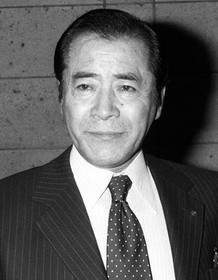
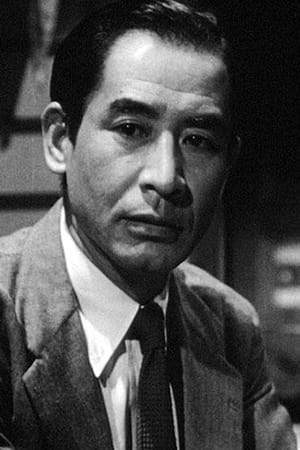
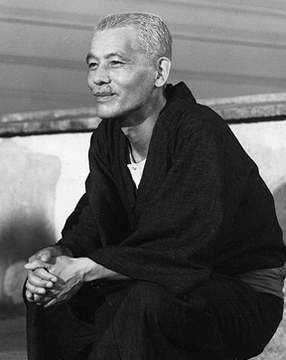
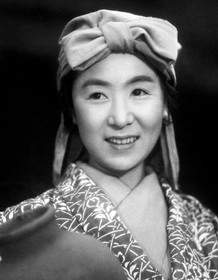
The actors and directors Yōko Sugi shares the most films with. Keiju Kobayashi comes first, with 4 films together, followed by Kamatari Fujiwara (4).
Yōko Sugi: Questions & Answers
How many movies Yōko Sugi has made, the biggest hit, the best-rated film, the award record and more, answered from the filmography above.
How many movies has Yōko Sugi been in?
Yōko Sugi is credited on 12 films, from 1948 to 1994. The filmography on this page lists every one of them, newest first, with the role and the Movie Echo Score.
What is Yōko Sugi's highest-grossing movie?
Picture Bride (1994) is Yōko Sugi's biggest box office hit, with $1.24M worldwide, ahead of Drunken Angel (1948) ($47K). Across every film with box office figures, Yōko Sugi's movies have made $1.29M.
Yōko Sugi's biggest hits What is Yōko Sugi's newest movie?
The most recent film on Yōko Sugi's filmography is Picture Bride (1994), in the role of Aunt Sode.
Who does Yōko Sugi work with most often?
Yōko Sugi shares the most films with Keiju Kobayashi (4 films), Kamatari Fujiwara (4 films) and Setsuko Hara (3 films).
The Best Yōko Sugi Movies, Ranked
Top rated, most awarded and biggest box office hits from 12 credits.
Coming soon to your phone
The Plot Explained Movie Summary App
From blockbusters to hidden gems: plot summaries, endings explained and timelines on your phone. Save your favorites and never miss a twist again.
Be the first to know when it launches. Your email stays private, always. Learn more about the app
