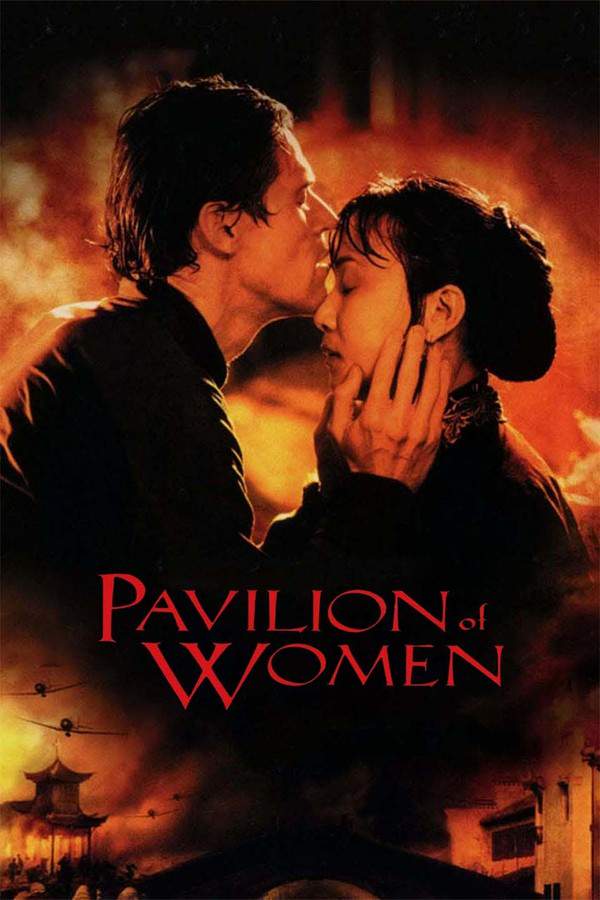
Pavilion of Women 2001

Directed by

Ho Yim
Made by

Universal Focus
Where to Watch Pavilion of Women
See current US streaming, rental, and purchase options for Pavilion of Women (2001) via JustWatch.






Pavilion of Women Plot Summary
Read the complete plot summary and ending explained for Pavilion of Women (2001). From turning points to emotional moments, uncover what really happened and why it matters.
Set in China in 1938, Pavilion of Women intricately portrays the personal and societal upheaval experienced by Madame Wu (Willem Dafoe). Against a backdrop of the declining Chinese Republic and the looming threat of Japanese invasion, the film explores themes of gender roles, cultural expectations, and individual freedom. Madame Wu, a sophisticated woman from an upper-class family, reaches a turning point on her 40th birthday when she makes a daring decision that challenges the traditional norms of her time.
Instead of conforming to her expected role as a dutiful wife, Madame Wu announces her withdrawal from her marital responsibilities and introduces a concubine, Chiuming, into her household to cater to her husband’s needs. This act, shocking to her family and society, signifies her rejection of the oppressive confines of Confucian values that have long dictated her life. The character of Chiuming is portrayed as both beautiful and gentle, embodying innocence and vulnerability, which heightens the emotional stakes of Madame Wu’s choices.
Her decision also marks a radical departure from convention, highlighting her desire for autonomy. Soon after, she encounters Father Andre, an American Catholic missionary and doctor (Willem Dafoe), who is brought in to tutor her son Fengmo Wu. Father Andre is portrayed as compassionate, wise, and progressive—he views women as equal in intellect and advocates for education, dignity, and personal freedom. As their interactions deepen, Madame Wu finds herself engaging in philosophical discussions with him, sparking an emotional and intellectual connection that begins to influence her worldview.
Their bond grows stronger over time, but it stirs suspicion and jealousy in Mr. Wu, who begins to act out of impulsiveness and possessiveness. Meanwhile, Fengmo develops feelings for Chiuming and attempts to run away with her, sparking a family scandal that threatens to tear them apart. Madame Wu intervenes, preventing the escape, but Chiuming’s despair leads her to attempt suicide. She is rescued by Father Andre, but her trauma causes her to panic upon seeing Mr. Wu nearby, culminating in her breakdown. Witnessing this, Madame Wu has a profound realization that every woman deserves freedom and happiness.
Joining forces with Father Andre, Madame Wu helps Chiuming escape by providing her with money and a boat to start anew. During their hurried departure, a rainstorm ensues, and Madame Wu injures her ankle while fleeing. Father Andre assists her into an abandoned house, where, in a tender moment, he kisses her hands, and they share a passionate embrace—an act that signifies her emotional awakening and desire for personal fulfillment.
Upon returning home, their secret is discovered when Fengmo, feeling betrayed and betrayed by his mother’s actions, enlists in the Chinese army. The situation worsens as the Japanese forces invade, forcing the family to evacuate. During an air raid, Mr. Wu decides to flee with his mother and servants, urging Madame Wu to come with them. She refuses, choosing instead to stay and break free from societal constraints. In the chaos, she searches for Father Andre, only to find that he sacrificed himself to protect children at a mission school during the attack.
The film jumps ahead three years, and Madame Wu has found peace in dedicating her life to education and caring for orphaned children—carrying forward Father Andre’s legacy with resilience and grace. Her journey from repression to self-empowerment embodies a profound transformation. The final scene shows her son, now a soldier, returning home accompanied by Chiuming, who has also joined the army, symbolizing hope, reconciliation, and the possibility of a new beginning despite a turbulent past.
Pavilion of Women delivers a powerful portrayal of one woman’s quest for independence amid a society resistant to change, emphasizing that even within the constraints of tradition, personal freedom and love can find a way to flourish.
Pavilion of Women Timeline
Follow the complete movie timeline of Pavilion of Women (2001) with every major event in chronological order. Great for understanding complex plots and story progression.
Madame Wu's 40th Birthday and Initial Rebellion
On her 40th birthday, Madame Wu makes a bold decision to withdraw from her traditional marital duties, shocking her family. She introduces a concubine, Chiuming, into the household to attend to her husband's needs, challenging social norms. This act signifies her rejection of the strict Confucian hierarchy and her personal rebellion against her marriage.
Madame Wu Meets Father Andre
Madame Wu encounters Father Andre, an American Catholic missionary and doctor hired to tutor her son. Their initial conversations reveal mutual respect and curiosity, leading to a deepening philosophical and emotional connection. Madame Wu becomes increasingly intrigued by his progressive views on women and human dignity.
Growing Emotional Bond
As their interactions continue, Madame Wu and Father Andre develop a profound bond that transcends their initial teacher-student relationship. Their conversations explore ideas of freedom, equality, and spirituality. Madame Wu begins to see him as a source of emotional liberation.
Suspicion and Jealousy
Mr. Wu becomes suspicious of Madame Wu's growing closeness to Father Andre. His behavior turns reckless and jealous, causing tension within the household. Meanwhile, her son Fengmo develops feelings for Chiuming, leading to a family scandal when he attempts to elope.
Chiuming's Suicide Attempt
Chiuming, believing she cannot escape Mr. Wu's predatory behavior, attempts to take her own life. She is rescued by Father Andre, but her emotional breakdown reveals the depth of her despair and desire for freedom. Madame Wu witnesses her suffering and begins to question her own desires.
Chiuming Escapes
With Madame Wu and Father Andre's help, Chiuming escapes on a departing boat, symbolizing her pursuit of a new life free from oppression. Madame Wu witnesses her leave and is moved by her determination for independence. This act highlights the theme of women’s quest for freedom.
Rainstorm and Intimate Moment
During their return, a heavy rainstorm forces Madame Wu and Father Andre into an abandoned house where she injures her ankle. As he tends to her, they share a tender and passionate moment, marking a pivotal emotional turning point. Their connection deepens into love amidst the chaos.
Fengmo's Rebellion
Fengmo witnesses Madame Wu and Father Andre sharing an intimate moment. Feeling betrayed, he storms out and enlists in the Chinese army, symbolizing his rejection of his mother's new choices and his alignment with traditional values. This highlights the personal and social conflicts emerging from her revolution.
Japanese Invasion and Flight
As Japanese forces invade China, Madame Wu's family decides to flee. Mr. Wu urges her to escape with him, but she refuses, choosing to stay behind and pursue her path of independence. During chaos, she searches for Father Andre, only to find his lifeless body after he sacrifices himself to protect others.
Madame Wu's New Life
Three years later, Madame Wu has embraced her independence by dedicating herself to teaching and caring for children. She finds peace in continuing Father Andre's legacy and dedicates her life to education and service. Her transformation reflects her journey toward personal fulfillment.
Return of her Son and Chiuming
In the final scenes, Madame Wu's son returns home from the army, accompanied by Chiuming, who has also joined the military. Their return signifies healing and reconciliation, embracing a future founded on growth and a different understanding of family and purpose.
Pavilion of Women Characters
Explore all characters from Pavilion of Women (2001). Get detailed profiles with their roles, arcs, and key relationships explained.
Madame Wu (Luo Yan)
A refined and intelligent woman from an upper-class background, Madame Wu seeks personal liberation from traditional expectations. Her silent resentment and emotional strength drive her radical act of withdrawing from her marital duties. Her journey reflects internal growth and a pursuit of autonomy.
Father Andre (Willem Dafoe)
An American Catholic missionary and doctor, Father Andre is compassionate, progressive, and deeply spiritual. He advocates for education, human dignity, and gender equality. His romantic and intellectual connection with Madame Wu catalyzes her emotional awakening.
Chiuming (Yi Ding)
A beautiful and gentle young woman who is a concubine, Chiuming faces societal expectations with vulnerability. Her attempt at escape and subsequent trauma underline themes of oppression and resilience. Her character exemplifies the plight of women seeking autonomy.
Fengmo Wu (John Cho)
Madame Wu’s son, who experiences the conflict between family loyalty and personal independence. His romantic feelings for Chiuming and his decision to join the army reflect his inner turmoil and desire for a different life.
Pavilion of Women Settings
Learn where and when Pavilion of Women (2001) takes place. Explore the film’s settings, era, and how they shape the narrative.
Time period
1938
The story takes place in 1938, during the waning years of the Republic of China, a time marked by internal political struggles and the escalation of the Japanese invasion. This era was characterized by social upheaval, traditional values challenged by Western influence, and the looming threat of war. It was a pivotal period that shaped Chinese history and society.
Location
China, City in 1938
Set in China in 1938, this movie depicts a period of political upheaval and national conflict during the late Republic era. The city is characterized by traditional Chinese architecture and is on the brink of war, reflecting a society in transition. The setting highlights the tension between modernity and tradition amidst wartime chaos.
Pavilion of Women Themes
Discover the main themes in Pavilion of Women (2001). Analyze the deeper meanings, emotional layers, and social commentary behind the film.
🕊️
Freedom
A central theme of the film is the pursuit of personal and emotional freedom, especially for women constrained by societal expectations. Madame Wu’s decision to reject traditional marital roles symbolizes a desire for independence. The story explores the struggle for self-determination amidst oppressive cultural norms.
🔥
Courage
Courage manifests through characters facing societal and personal hardships. Madame Wu’s bold decisions, Chiuming’s despair and resilience, and Father Andre’s self-sacrifice exemplify moral and emotional bravery. These acts highlight the importance of standing up for one’s beliefs and others’ well-being.

Coming soon on iOS and Android
The Plot Explained Mobile App
From blockbusters to hidden gems — dive into movie stories anytime, anywhere. Save your favorites, discover plots faster, and never miss a twist again.
Sign up to be the first to know when we launch. Your email stays private — always.
Explore the mobile appPavilion of Women Spoiler-Free Summary
Discover the spoiler-free summary of Pavilion of Women (2001). Get a concise overview without any spoilers.
In a China on the brink of turmoil, the film opens against the quiet elegance of an upper‑class household caught between lingering Confucian traditions and the restless tide of modern ideas. 1938 brings the whisper of foreign threats and the weight of a nation’s decline, yet the domestic world remains a tightly woven tapestry of duty, ritual, and expectation. The atmosphere is both lush and restrained, offering a portrait of a society where personal desire is often surrendered to collective propriety.
At the centre stands Madame Wu, a cultured woman whose intellect and curiosity have long been channeled into scholarly pursuits rather than the prescribed role of wife and mother. As she approaches a milestone birthday, her yearning for knowledge begins to clash with the conventions that define her marriage and her place within the family. The film hints at her inner conflict through quiet moments of study and subdued conversations that suggest a mind eager to explore beyond the walls of her ancestral home.
Enter Father Andre, an American missionary doctor whose progressive outlook and compassionate demeanor provide a striking contrast to the surrounding conservatism. Their meetings, initially grounded in tutoring and philosophical exchange, become a delicate dance of ideas, hinting at an emotional resonance that both challenges and illuminates Madame Wu’s aspirations. Around them, figures such as Mr. Wu, their son Fengmo, and the gentle Chiuming populate a world where each relationship subtly reflects the tension between tradition and change. The tone remains lyrical yet charged, inviting the audience to linger on the quiet courage required to question long‑held beliefs while the broader backdrop of a nation on the edge adds an undercurrent of urgency to every personal revelation.
Movies with Similar Twists and Themes
Uncover films that echo the narrative beats, emotional arcs, or dramatic twists of the one you're exploring. These recommendations are handpicked based on story depth, thematic resonance, and spoiler-worthy moments — perfect for fans who crave more of the same intrigue.
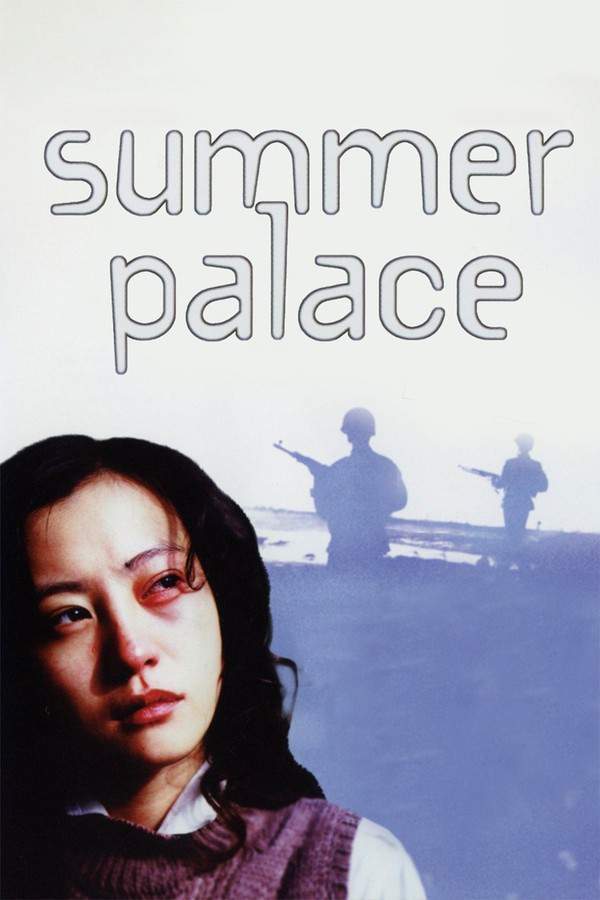

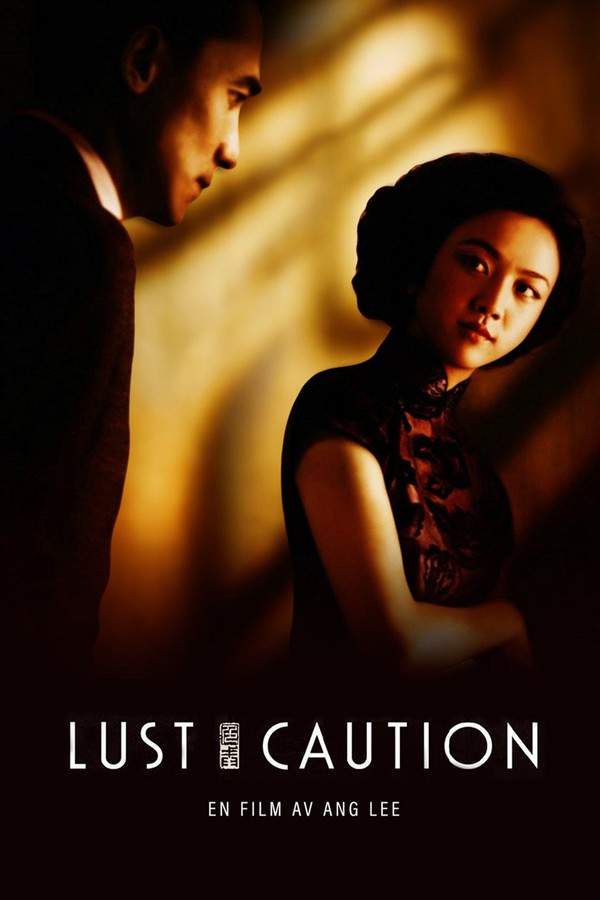

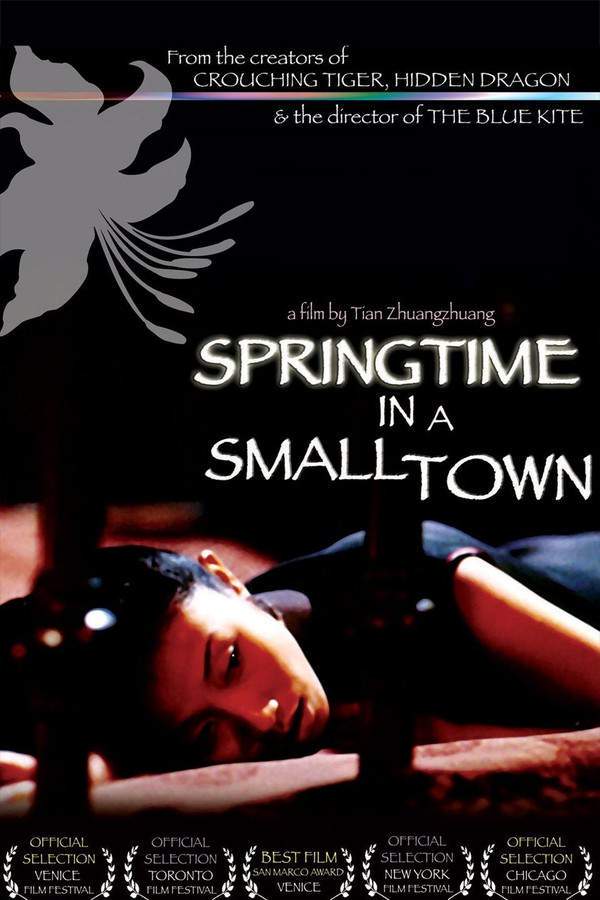
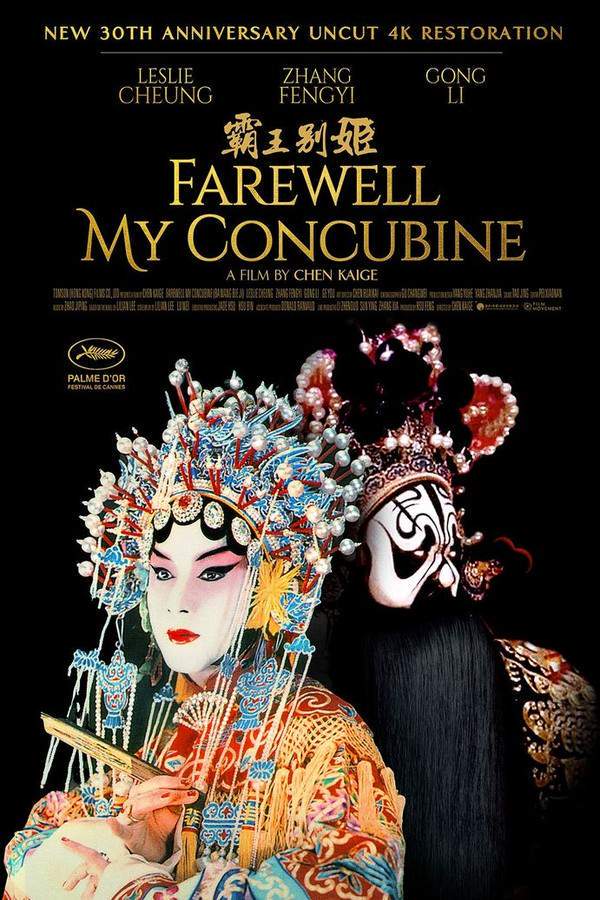


Featured on this page

What's After the Movie?
Not sure whether to stay after the credits? Find out!
Check out our other apps:

SAT Sphere
Build confidence for the Digital SAT.

Mori Atlas
Discover wild places worth protecting.

Luntero
Search smarter for a home in Amsterdam.

Plot Explained
Unravel movie endings and hidden clues.

Pokechamp
Dive into Pokémon data and battle logic.

Driving Theory
Get ready for your European theory test.

Movie Dust
Plan your next cinema trip with ease.

Musemap
Find art and culture as you travel.

Selkobase
Compare credentials before committing.

Local Manual
Turn an unfamiliar country into practical next steps.

Lernavi
Compare school systems before your next move.

GymRoam
Find a workout stop wherever your plans take you.
Explore Our Movie Platform
New Movie Releases (2026)
Famous Movie Actors
Top Film Production Studios
Movie Plot Summaries & Endings
Major Movie Awards & Winners
Best Concert Films & Music Documentaries
Movie Collections and Curated Lists
© 2026 What's After the Movie. All rights reserved.
Privacy Policy