
Pavilion of Women (2001): Cast, Ratings, Box Office & Plot
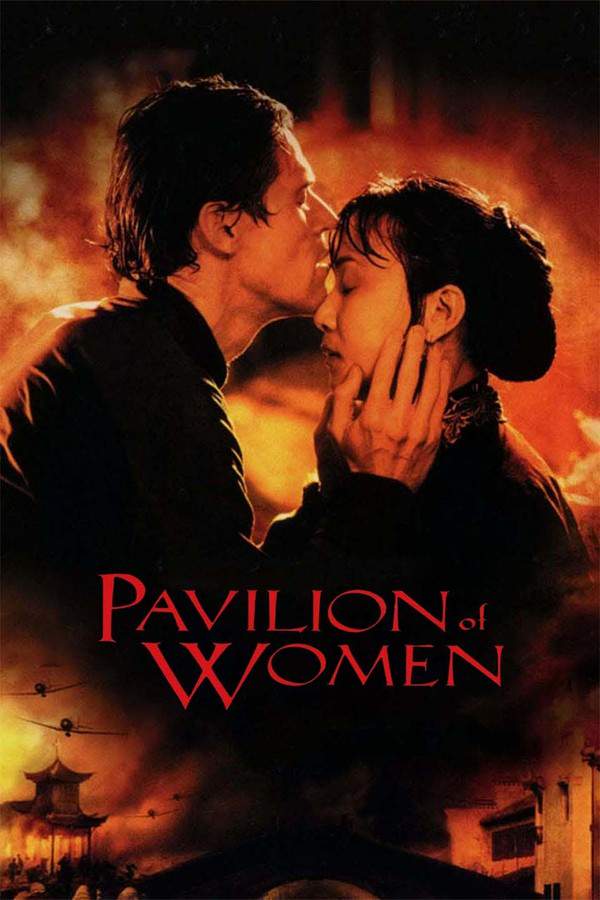
Pavilion of Women is a 2001 adventure drama directed by Ho Yim, starring Willem Dafoe. It runs 1 hour 56 minutes and earned $36,992 worldwide. Critics gave it 6% on Rotten Tomatoes and 26 on Metacritic.
- Released
- Runtime
- 1h 56m (116 min)
- Director
- Ho Yim
- Original language
-
 English
 - Studio
- Universal Focus
- After the credits
- No No extra scene
What Is Pavilion of Women About?
The premise of Pavilion of Women without spoilers. The whole story is in the plot summary further down.
Madame Wu's pursuit of knowledge leads her to question the traditions of her society. While navigating the constraints of an arranged marriage, she finds comfort in her studies and develops a surprising connection with Andre, an American missionary doctor. Their relationship sparks a bittersweet exploration of personal identity, societal expectations, and the complexities of forbidden love.
Pavilion of Women Themes & Keywords
· 50 tags- communist china
- republican era china
- interracial romance
- nearly dying in chidbirth
- 18 year old
- wrath
- 18 year old boy
- japanese air force
- child
- 40 year old woman
- doctor
- communism
+38 more Show fewer
- breaking through a wall
- traditionalism
- american in china
- actress producer co writer additional directing
- saving a life
- matriarch
- peasant girl
- 40 year old
- house on fire
- marital infidelity
- pre world war two
- japanese invasion of china
- epilogue
- introduction of electricity
- wealth
- heroism
- near death experience
- chopsticks the eating utensil
- melodrama
- irony
- china
- priest
- love
- concubine
- tutor
- orphanage
- japanese
- invasion
- forbidden love
- intercultural
- interracial love
- impossible love
- three word title
- wedding
- wake
- unfaithfulness
- temptation
- teenage girl
Pavilion of Women Cast
Willem Dafoe stars in Pavilion of Women. Directed by Ho Yim.
- Director Ho Yim

Pavilion of Women Reviews & Ratings
Critics gave Pavilion of Women 6% on Rotten Tomatoes and 26 on Metacritic.
-
 Rotten Tomatoes
 6% Tomatometer
Popcornmeter 53%
See on Rotten Tomatoes -
 Metacritic
 26 Metascore
User score 8.8
See on Metacritic -
 TMDB
TMDB 57% User score
See on TMDB
Pavilion of Women Plot Summary
What happens in Pavilion of Women from start to finish, spoilers included, with a timeline of 11 key events. The opening is below; the full summary is a 3-minute read.
Spoilers ahead
Set in China in 1938, Pavilion of Women intricately portrays the personal and societal upheaval experienced by Madame Wu (Willem Dafoe). Against a backdrop of the declining Chinese Republic and the looming threat of Japanese invasion, the film explores themes of gender roles, cultural expectations, and individual freedom. Madame Wu, a sophisticated woman from an upper-class family, reaches a turning point on her 40th birthday when she makes a daring decision that challenges the traditional norms of her time.
Full summary
The whole story of Pavilion of Women, scene by scene
Pavilion of Women Box Office
Pavilion of Women grossed $36,992 worldwide.
Worldwide gross
$37K
- US & Canada
- $37K
Pavilion of Women Trailers & Videos
The trailer of Pavilion of Women.
How Well Do You Know Pavilion of Women?
10 questions about the story, each with a hint if you get stuck. Pick an answer to see whether you were right.
Question 1 of 10
- Question 1: not answered
- Question 2: not answered
- Question 3: not answered
- Question 4: not answered
- Question 5: not answered
- Question 6: not answered
- Question 7: not answered
- Question 8: not answered
- Question 9: not answered
- Question 10: not answered
In what year and country is Pavilion of Women set?
Seen Pavilion of Women?
Movies Like Pavilion of Women
Films with a similar story, tone or audience, including The Painted Veil, Lust, Caution and Summer Palace.











Pavilion of Women FAQ: Cast, Box Office & Runtime
Runtime, release date, director, cast, box office, ratings and post-credit scenes of Pavilion of Women, each answered in a sentence.
How long is Pavilion of Women?
Pavilion of Women runs 1 hour 56 minutes (116 minutes).
When was Pavilion of Women released?
Pavilion of Women was released on May 4, 2001.
Who directed Pavilion of Women?
Pavilion of Women was directed by Ho Yim.
Who is in the cast of Pavilion of Women?
Pavilion of Women stars Willem Dafoe.
How much did Pavilion of Women make at the box office?
Pavilion of Women grossed $36,992 worldwide.
How is Pavilion of Women rated?
Pavilion of Women has 6% on Rotten Tomatoes, 26 on Metacritic and 57% on TMDB.
Does Pavilion of Women have a post-credit scene?
No. Pavilion of Women has no extra scene during or after the credits.
Coming soon to your phone
The Plot Explained Movie Summary App
From blockbusters to hidden gems: plot summaries, endings explained and timelines on your phone. Save your favorites and never miss a twist again.
Be the first to know when it launches. Your email stays private, always. Learn more about the app
