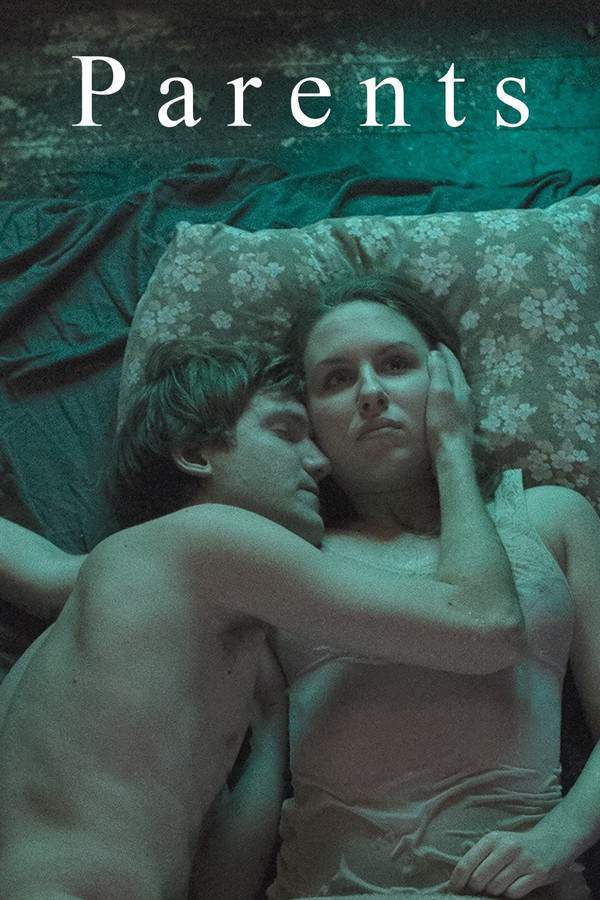
What Is Parents About?
The premise of Parents in 324 words, with nothing given away. The full story follows below.
In the quiet moments after their adult son moves out, Kjeld and Vibeke find themselves adrift in a house that suddenly feels too large and too silent. The sudden absence leaves a lingering sense of loss that colors each day, turning familiar routines into subtle reminders of a life that has already begun to shift. Their marriage, once steadied by the rhythm of parenting, now feels an unsettling mix of comfort and unfamiliar distance, prompting both to search for a spark that once defined their younger selves.
Seeking to recapture that lost excitement, the couple returns to the modest flat where they first met as students—a cramped, sun‑lit space that still holds the echo of late‑night conversations and reckless dreams. The journey back is as much an emotional pilgrimage as a physical one, inviting them to step out of the orderly lives they have built and into a world of youthful possibility. The flat, frozen in time, becomes a mirror reflecting both the optimism they once shared and the silent compromises that have accumulated over the years.
As they wander through rooms layered with old photographs, mismatched furniture, and the faint scent of coffee long past, Kjeld and Vibeke begin to feel the subtle tremors of memories they had set aside. The experience is tinged with both warmth and unease, a reminder that revisiting the past can illuminate hidden corners of a shared history. Their dialogue, laced with humor and tenderness, reveals the complexity of a relationship that has weathered many seasons, now confronting a new chapter without the anchor of their son.
The film rests in a tone that balances melancholy with gentle hope, inviting viewers to contemplate how families renegotiate identity when the familiar structures change. By threading together nostalgia, the quiet ache of absence, and the brave act of looking back, it offers a thoughtful meditation on love, memory, and the daring task of rediscovering each other after years of routine.
What Happens in Parents?
The complete story of Parents, from the first scene to the last, in 496 words (about 2 minutes). Spoilers throughout.
Spoilers ahead
In 1958, the Laemle family—father Nick, [Randy Quaid], mother Lily, [Mary Beth Hurt], and their 10-year-old son Michael, [Bryan Madorsky]—moves from Massachusetts to a quiet Californian suburb, trading the bustle of city life for the unsettling calm of a white-penced neighborhood. Michael, a socially awkward boy with a vividly active imagination, struggles to make friends at school and is haunted by dreams that feel almost real, including a disturbing vision where he jumps into bed only for it to split into a pool of blood.
Emotionally overwhelmed by the move and these dreams, Michael becomes traumatized after a series of troubling experiences. He accidentally witnesses his parents having sex, which he misinterprets as them biting into one another, and he glimpses his father performing a disquieting act—cutting into a corpse in the Division of Human Testing at Toxico, where Nick is developing an Agent Orange–style defoliant for use in jungles. This combination of fear and confusion deepens his sense that something horrifying lurks beneath the family’s ordinary exterior.
As time goes on, Michael grows convinced that his parents are cannibals. The belief intensifies when he encounters, or dreams that he encounters, dismembered body parts hanging on a meat hook in the basement. The idea consumes him, and his distrust of reality worries Millie Dew, the school guidance counselor. Millie, [Deborah Rush], tries to reason with him and reassure him that his fears may be a fantasy born of stress rather than truth, but the evidence around him only seems to mount.
One afternoon, Millie accompanies Michael to her home so she can help him see the situation more clearly, but the two of them discover a corpse in the basement. Panic erupts as Michael flees to his room while Millie is killed after being forced into the pantry, a shocking reminder that danger can lurk even in moments of supposed safety.
When Nick and Lily return, Michael confronts his father in a tense showdown. Nick responds with violence, attempting to feed Michael what could be human meat, insisting that he will grow to enjoy it as his mother does. Michael fights back and drives a stab into Nick’s shoulder. Nick retaliates in a desperate bid to kill his son, but Lily sacrifices herself to protect Michael and dies in the process. The confrontation crescendos as Nick, gravely injured, causes a gas leak and inadvertently triggers a chain of accidents that lead to a catastrophic explosion: a shelf of wine bottles collapses, and the room fills with gas just as a blast erupts, leaving Michael with a slim chance to escape.
In the aftermath, Michael is left in the care of his paternal grandparents, who tuck him into bed and leave a late-night snack—a suspicious-looking meat sandwich—on the table. The closing image lingers on a troubling suggestion: perhaps the nightmare isn’t over, and the cycle of cannibalism may trace back through the family line, hinting at a dark inheritance that stretches beyond the confines of the house.
Parents Timeline: Every Key Event in Order
12 key events in the order they happen, from “Family relocates to a California suburb” to “Final implication”. 12 events name a place, across 10 locations.
- 1
Family relocates to a California suburb
In 1958, the Laemle family moves from Massachusetts to a suburban neighborhood in California. The new environment promises a fresh start, but the move unsettles young Michael. The transition foreshadows the isolation and strain that will shape the rest of the story.
When:1958 Where:Massachusetts to Californian suburban neighborhood
- 2
Michael struggles at school
Michael's social awkwardness makes it hard to fit in at his new school. He feels isolated and unsettled as his peers avoid him. The mounting pressure of school life compounds his fragile imagination and fear.
When:early in the school year, 1958 Where:School, California
- 3
Disturbing dreams haunt Michael
Michael experiences vivid, disturbing dreams, including one where he jumps into bed and it collapses into a pool of blood. The nightmare blurs the line between sleep and reality, deepening his sense of dread. These dreams hint at a darker truth about his new home.
When:nights Where:Bedroom
- 4
Awareness of parental secrets and Nick's work
Michael is traumatized after witnessing his parents having sex and misinterpreting it as biting. He also learns that his father is working at Toxico, developing a chemical defoliant, adding another layer of danger. The combination of private terrors and public secrets pushes him toward believing his parents are cannibals.
When:early period after the move Where:Home; Division of Human Testing at Toxico
- 5
Basement disquiet: meat hook suspicions
Michael's fear deepens when he discovers (or dreams) dismembered body parts hanging on a meat hook in the basement. He becomes convinced his parents are cannibals. His paranoia isolates him from family and school even further.
When:evening after the move Where:Basement
- 6
Millie Dew visits home and uncovers a corpse
Millie Dew, the school guidance counselor, accompanies Michael to his home to console him and prove he's imagining things. Together they find a corpse in the basement. Millie is killed after being forced into the pantry.
When:afternoon/early evening Where:Michael's home
- 7
Michael confronts his father
When Nick and Lily return, Michael attacks his father in a fit of fear and defiance. The confrontation marks a turning point as violence erupts inside the house. Michael's belief in his parents' cannibalism intensifies the danger.
When:evening Where:House
- 8
Nick's deadly dinner attempt
Nick tries to feed Michael human meat, insisting he will grow to like it as his mother does. Michael resists and stabs Nick in the shoulder. The eerie dinner scene deepens the nightmarish atmosphere and the sense that danger is all around.
When:evening Where:House kitchen
- 9
Lily's protection and the house eruption
Nick pursues Michael, but Lily sacrifices herself to protect him. In the struggle, Nick ruptures a gas line and triggers a catastrophic gas leak. A shelf of wine collapses, the gas ignites, and the house explodes.
When:evening/night Where:House
- 10
Grandparents take custody
After the explosion, Michael's paternal grandparents assume his care and oversee his recovery. They place him to bed and attempt to restore some normalcy in the grim aftermath. The fragile peace suggests the danger may still follow him.
When:late night Where:Grandparents' home
- 11
Midnight snack hints at cyclical horror
The grandparents leave Michael a midnight snack of a suspicious-looking meat sandwich. The unsettling gesture hints that the cannibalistic legacy may continue. The scene implies the nightmare is far from over for Michael.
When:midnight Where:Grandparents' home, Michael’s bed
- 12
Final implication
The film closes with the sense that Michael's nightmare may persist beyond the immediate events. The suggestion is that cannibalistic tendencies were learned, and danger remains as Michael's haunting experiences linger. The ending leaves the viewer with a chilling, unresolved doubt.
When:closing scene Where:Grandparents' home
Who Are the Main Characters in Parents?
4 characters, among them Michael Laemle (Bryan Madorsky), Nick Laemle (Randy Quaid) and Lily Laemle (Mary Beth Hurt): who each one is and the part they play in the story. Every profile links to the actor’s page.
- ML
Michael Laemle (Bryan Madorsky)
Played by Bryan Madorsky
A highly imaginative 10-year-old boy who feels out of place after his family moves cross-country. He is socially awkward and prone to disturbing dreams, which heighten his sense that something terrible is unfolding at home. As he latches onto a troubling theory about his parents, his fear drives the plot toward a violent confrontation. Michael remains the emotional core of the story, navigating trust, reality, and survival.
- 🧒 Child
- 🎨 Imaginative
- 😟 Anxious
-

Nick Laemle (Randy Quaid)
Played by Randy Quaid
The father, a professional involved in testing and defoliant development. He presents a composed exterior but harbors a volatile edge that surfaces under pressure. His interactions with Michael reveal a capacity for aggression, which escalates as the boy's suspicions grow. Nick embodies the threat that lurks within the family home.
- 👨🔬 Scientist
- ⚠️ Dangerous
- 👨👦 Family tension
-

Lily Laemle (Mary Beth Hurt)
Played by Mary Beth Hurt
The mother who appears to align with her husband's secrets, yet also makes desperate attempts to protect Michael. Her behavior hints at complicity in the family’s dark reality, even as she acts with a maternal instinct toward her son. She ultimately sacrifices herself in a bid to defend Michael, underscoring the film's tragic family dynamics.
- 👩👧 Mother
- 💔 Tragic
- 🕯️ Protective
-
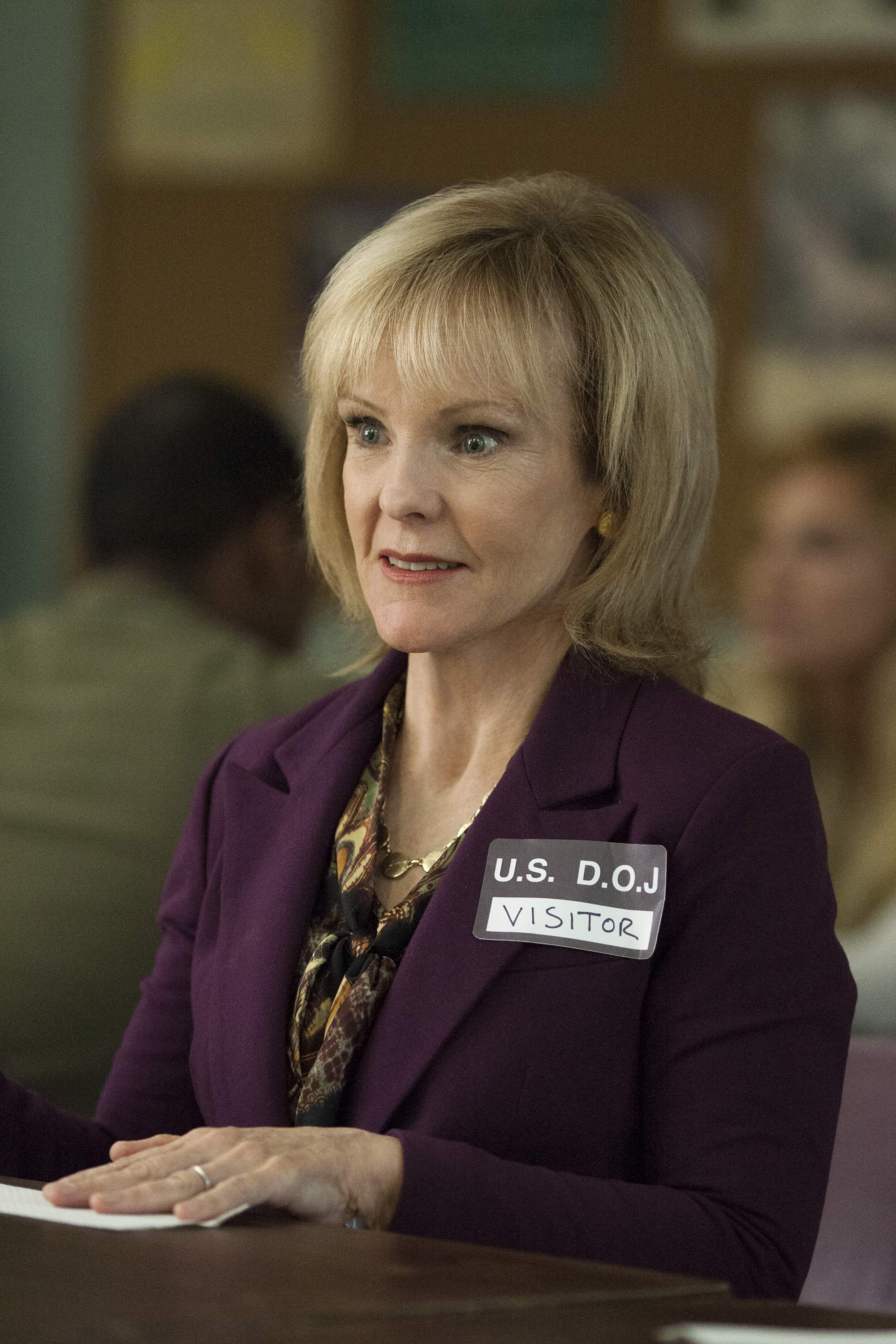
Millie Dew (Deborah Rush)
Played by Deborah Rush
The school guidance counselor who tries to help Michael distinguish fantasy from reality. She becomes involved in Michael's world when she accompanies him home, only to confront the terrifying truth behind his fears. Her death signifies the peril that surrounds attempts to intervene in the family's secret.
- 🧭 Guidance
- 👩🏫 Educator
- ⚠️ Fatal
Where and When Is Parents Set?
Parents is set in California and United States (1958). Here is why the time and place matter to the story.
When
1958
The events unfold in 1958, during a period of postwar prosperity and traditional family values in suburban America. Cold War era anxieties and a culture of conformity color everyday life and neighborly interactions. The clock-ticking atmosphere heightens the sense that danger can hide inside the home as easily as outside.
Where
California, United States
Set in a California suburban neighborhood in 1958, the Laemle family moves into a quiet, picture-perfect home. The suburb represents mid-century affluence and conformity, where appearances matter and secrets linger beneath orderly exteriors. The setting frames the story around a young boy's confrontation with disturbing realities within a seemingly ordinary house.
- 🏡 Suburban
- 🕰️ 1950s
What Are the Themes of Parents?
3 ideas the story keeps returning to, among them Family secrets, Paranoia and perception and Domestic horror.
-
01
Family secrets
A seemingly perfect family life hides dangerous secrets that fracture trust and safety. The film probes how denial and silence can perpetuate violence within a household. As Michael's suspicions grow, the intimate space of home becomes a battleground where truth and illusion collide. The finale implies that the past may continue to haunt the present.
-
02
Paranoia and perception
Michael's dreams and creeping visions blur the line between reality and fantasy, forcing him to question what he truly knows. The adults' evasions amplify his doubt, creating a chilling feedback loop of fear. The story examines how fear warps memory, interpretation, and the trust between parent and child. The tension sustains until the boundaries between sanity and nightmare break down.
-
03
Domestic horror
The family home is transformed from a sanctuary into a site of danger and violence. Ordinary rooms—basement, kitchen, living areas—become stages for concealment and catastrophic revelation. The film uses confined spaces and escalating menace to invert suburban comfort into dread. It suggests suburban life can harbor lethal impulses beneath a polite surface.
What Kind of Film Is Parents?
Dark in tone, with steady pacing and a straightforward story, going by the plot summary.
- Tone
- Dark
- Pacing
- Steady
- Story
- Straightforward
- Intensity
- High
- Ending
- Bleak
An unsettling and paranoid psychological horror that follows a young boy's descent into a nightmarish reality, crafting a palpable sense of dread around his seemingly idyllic suburban family life.
- unsettling
- paranoid
- claustrophobic
- nightmarish
- grotesque
- dread-filled
- dysfunctional family
- psychological horror
- childhood trauma
- cannibalism
Content notes: cannibalism, child endangerment, graphic violence, parental death.
Where to Watch Parents
Stream it on MovieSphere+ and Tubi TV, or rent or buy it from Amazon Video and Apple TV Store. US availability and prices from JustWatch.
 MovieSphere+ Amazon Channel
  Tubi TV
  YouTube Free




Streaming availability in the US, powered by