
Orchestra Rehearsal 1978

Directed by

Federico Fellini
Made by

Daimo Cinematografica
Orchestra Rehearsal Plot Summary
Read the complete plot summary and ending explained for Orchestra Rehearsal (1978). From turning points to emotional moments, uncover what really happened and why it matters.
An off-screen Italian television camera crew (voice enacted by Fellini) conducts documentarian-style roving interviews with musicians preparing for a low-budget rehearsal in a run-down auditorium, a space once a 13th-century church and now slated for demolition. The film unfolds as a mosaic of candid, often caustic conversations, where each musician defends their own instrument as the indispensable heartbeat of the group, and where personal memories and spiritual attitudes toward music shape every comment. The atmosphere is intimate, wry, and stubbornly human, even as the surroundings—dusty pews, peeling paint, and a sense of decayed grandeur—underline the stakes of their craft.
The conductor arrives, Balduin Baas, speaking Italian with an affected German accent, and immediately asserts theatrical control over the rehearsal. He is theatrically critical of the planned performance and quarrels with on-site trade union representatives, pushing the players toward a level of precision that verges on absurd abstraction. Under his exacting gaze, several musicians strain so hard that they shed layers of clothing in a visible show of weariness and resolve, a stark image of the toll exacted by his regime of discipline.
As tensions rise, the union reps intervene, loudly protesting the conductor’s approach and announcing a 20-minute double break to calm the fevered energy in the room. The film’s roving perspective follows the players as they drift to a nearby tavern, where their conversations drift from technique to ideology, revealing how deeply music is woven into their identities and worldviews. Back in the wings, a backstage interview gives voice to the defeated conductor, who speaks of the paradoxes and contradictions of leadership and the subjective power of music, just as a sudden power outage plunges the building into darkness and forces a hurried return to the hall.
What follows is a lurid, almost cinematic reversal of the rehearsal’s purpose: the once-pristine space has been thoroughly defaced with spray-painted revolutionary slogans, while rubbish and debris are flung about as the musicians chant a discordant chorus of protest—first against their oppressive taskmaster, then against music itself. The chant is jaw-dropping in its audacity and sincerity, and the mood thickens around a single recurring line that sears into the scene: > The music in power, not the power of music!
The chaos escalates into violence, and the film builds to a violent crescendo of gunshots and in-fighting. An enormous wrecking ball—an almost mythical, god-like instrument of demolition—crashes through the wall at the altar of the former church, and the catastrophe claims the harpist, Clara Colosimo, beneath a crushing avalanche of rubble. The others pause in a haze of dust and silence, gazing at the ruin and the sudden, brutal cost of their rebellion.
As the dust settles, the remaining musicians confront the tragedy with a sober resolve, their breath echoing in the hall’s bones. The conductor steps forward to deliver a speech that reframes music as a means to endure life’s pain, to discover strength, identity, and guidance within its fated notes. Against all odds, the ensemble nevertheless takes up their instruments and delivers a tour de force performance, a moment of redemptive power born from catastrophe.
Yet even as the music surges, the film circle tightens around its broader implication: the conductor’s earlier rhetoric of praise softens into a renewed, almost clinical demand for perfection, his tone returning to sharp, dictatorial German cadences as he presides over the final moments of the scene. The on-screen events lean into a pointed political allegory, suggesting that the battle over art contains a subtler struggle over power itself, a tension that lingers as the screen fades to black and the score swells into its closing cadence.
Orchestra Rehearsal Timeline
Follow the complete movie timeline of Orchestra Rehearsal (1978) with every major event in chronological order. Great for understanding complex plots and story progression.
Roving pre-rehearsal interviews
An off-screen Italian television crew conducts documentary-style roving interviews with musicians as they prepare for a low-budget rehearsal in a run-down auditorium. The players speak candidly about their craft, each claiming their instrument is the most vital to the ensemble and describing its personal significance. The scene establishes the film's focus on subjective experience and the ego clashes within the orchestra.
Conductor arrives, asserts control
The conductor arrives, speaking Italian with an affected German accent, and immediately begins prescribing precise, theatrically demanding nuances for the performance. He becomes a source of authority that clashes with the orchestra and with on-site union reps. The tension grows as his demands verge on the absurd.
Union reps intervene
Union representatives intervene, announcing that the musicians will take a 20-minute double break, a move that sparks resentment and power struggles. The orchestra members soften the surface of camaraderie while privately nursing grievances. The break underscores the conductor's fragile control over the room.
Musicians retreat to the tavern
A camera follows the players to a local tavern during the break, where they exchange ideologies about music and art. They articulate competing visions of the orchestra, revealing the deep-seated tensions beneath their professional facade. The scene widens the portrait beyond the rehearsal room into personal belief systems.
Backstage confrontation and reflections
In a backstage interview, the defeated conductor vents his frustration about the impossible contradictions of leadership. He reflects on the subjective power of music and the pressure of directing others. His candor exposes the fragile line between artistic authority and personal insecurity.
Power outage returns to the hall
A power outage in the building plunges the hall into darkness, interrupting the fragile equilibrium of the rehearsal. The conductor returns to the space, trying to salvage some sense of order amid the blackout. The incident foregrounds the fragility of the environment in which music is made.
Slogans and protest erupt
When lights return, the darkened auditorium reveals spray-painted revolutionary slogans and scattered rubbish. The musicians chant a discordant protest against their oppressive taskmaster and against music itself, emphasizing the politics hidden within artistic ambition. The mood shifts from professional tension to political rebellion.
Violent crescendo and chaos
The protest escalates into violent infighting, building toward a chaotic crescendo of gunshots. The sense of control dissolves as images of rebellion flood the space. The incident marks a brutal rupture in the rehearsal's order and safety.
Wrecking ball crashes through the wall
An impossibly large wrecking ball smashes through the wall of the building at the altar, an event that seems to descend from a mythic scale. The force traps the harpist beneath collapsing rubble. The shocking act serves as a climactic, almost supernatural intervention in the disaster.
Survivors reflect and the conductor speaks
As dust settles, surviving musicians look on in silence, processing the tragedy they've witnessed. The conductor steps forward to deliver a eulogistic monologue about the need to play through pain and to find identity in the notes of music. The moment blends mourning with a renewed sense of purpose.
Conductor reframes as resilience
The conductor reframes the moment as a call to resilience, urging the players to persevere by turning suffering into musical strength. He frames music as a source of identity and guidance, even as his authority remains contested. The scene emphasizes the film's central paradox: beauty arises from conflict.
Redemptive performance amid ruin
Revived by a renewed sense of purpose, the ensemble takes up their instruments and delivers a tour-de-force performance amid the wreckage. The music becomes a communal act of redemption, embodied by their determined, precise playing. The moment contrasts with the earlier chaos and points to hope through art.
Final critique and credits
After the performance, the conductor's praise quickly shifts back into a fresh perfectionist critique as he returns to the dais. His Italian speech bleeds into dictatorial German during the credits, signaling the film's sharpened political allegory. The sequence ends on a taut note as the screen fades to black.
Orchestra Rehearsal Characters
Explore all characters from Orchestra Rehearsal (1978). Get detailed profiles with their roles, arcs, and key relationships explained.
Conductor
A domineering figure who wields music as an instrument of control, constantly adjusting nuances and berating players. His German-accented Italian speech underscores a theatrical, authoritarian persona. He clashes with the union reps and embodies the film's critique of power in artistic institutions.
Harpist
A member of the ensemble who navigates the pressures of performance and symbolic leadership. Her role becomes pivotal as tensions rise, culminating in a fatal collapse brought on by the building's ruin. She embodies the vulnerability and resilience of artists under pressure.
Premier violon
The principal violinist who embodies the tension between personal virtuosity and ensemble cohesion. He negotiates his own identity within a demanding rehearsal environment and underscores the fragility of group harmony under stress.
Pianiste
A key collaborator who anchors the ensemble's sound, navigating the conductor's strict demands while maintaining the emotional core of the performance. The pianist's role highlights the quiet precision behind the public display of music.
Hautboïste
An oboist whose perspective reveals the ideological undercurrents within the orchestra. He observes, challenges, and sometimes colludes with other musicians as the rehearsal devolves.
Il Capo Orchestra
The head of the orchestra who embodies organizational authority and professional standards. His position places him at the center of the power struggle between management and labor.
Il Sindacalista
A union representative who defends the workers' rights and interrogates the conductor's management methods. He orchestrates collective action, including a 20-minute break, highlighting labor tensions within the arts world.
Il Trombone
A trombonist whose stubbornness and pride mirror the broader conflict within the orchestra. His interactions contribute to the film's satirical critique of musical elitism.
Violoncelliste
A cellist whose presence anchors the ensemble's emotional gravity amid the chaos, ultimately confronting the consequences of the collapse.
Orchestra Rehearsal Settings
Learn where and when Orchestra Rehearsal (1978) takes place. Explore the film’s settings, era, and how they shape the narrative.
Time period
Late 20th century
The narrative unfolds in a contemporary setting, captured with a documentary-style roving camera that reveals backstage dynamics. The atmosphere blends artistic aspiration with industrial decay, mirroring tensions in European orchestral life of the era.
Location
Run-down auditorium (former 13th-century church), local tavern
The setting centers on a dilapidated auditorium—once a 13th-century church slated for demolition—where a low-budget rehearsal spirals into a battleground of ego and ideology. The venue’s crumbling walls create a claustrophobic backdrop for tense interviews, power outages, and heated exchanges among musicians. A nearby tavern serves as an off-stage haven where performers voice ideological musings away from the audience.
Orchestra Rehearsal Themes
Discover the main themes in Orchestra Rehearsal (1978). Analyze the deeper meanings, emotional layers, and social commentary behind the film.
🎼
Authority vs Art
The conductor's demand for absolute control clashes with the musicians' pride and ideological differences. The rehearsal becomes a microcosm of power, where command and creativity vie for dominance. The struggle reveals how artistic authority can become oppressive, reducing music to a contest of will rather than a shared pursuit. The climax hints that authority and artistry are inseparable yet at odds.
🏚️
Decay & Protest
The dilapidated venue, once a sacred space, mirrors the fragility of cultural institutions under strain. Graffiti, debris, and revolutionary slogans erupt as dissent grows within the orchestra. The building itself becomes a battleground, culminating in a moment of catastrophic collapse that interrupts the music. The catastrophe forces the ensemble to confront the cost of protest.
🤝
Collective Identity
Musicians articulate the unique value of their instruments, revealing deeply personal identities within the group. Together they attempt to form a resilient collective that can survive the conductor's tyranny. The impending tragedy tests whether shared performance can redeem the ordeal. Ultimately, the group seeks a tour de force performance that affirms communal artistry despite internal tensions.

Coming soon on iOS and Android
The Plot Explained Mobile App
From blockbusters to hidden gems — dive into movie stories anytime, anywhere. Save your favorites, discover plots faster, and never miss a twist again.
Sign up to be the first to know when we launch. Your email stays private — always.
Explore the mobile appOrchestra Rehearsal Spoiler-Free Summary
Discover the spoiler-free summary of Orchestra Rehearsal (1978). Get a concise overview without any spoilers.
In a crumbling 13th‑century chapel slated for demolition, a modest TV crew sets up to film a low‑budget orchestra rehearsal. The ancient stone walls, dust‑laden pews and faded frescoes create a haunting backdrop for a performance of a piece ominously titled “The Decline of the West in C# Major.” The documentary’s roving interviews give the audience a behind‑the‑scenes feel, turning the rehearsal into a living study of how music intertwines with memory, belief, and the everyday lives of the players.
At the heart of the gathering stands the exacting conductor Balduin Baas, an Italian‑born maestro who adopts a theatrical, accented Germanic cadence as he imposes his vision on the ensemble. His relentless demand for precision clashes with the musicians’ personal attachments to their instruments, prompting a subtle power play that ripples through the room. Union representatives linger on the periphery, ready to defend the players’ rights, while the camera’s unseen narrator—voiced with a Fellini‑esque flair—interjects wry commentary that highlights the absurdity and humanity of the situation.
The atmosphere is a blend of solemn reverence and simmering tension, amplified by the chapel’s looming demolition and the documentary’s intimate lens. As the ensemble prepares to launch into their complex work, the air feels charged with unspoken grievances and a restless energy that hints at something beyond the music itself. The stage is set for a rehearsal that could become a crucible for artistic ideals, collective identity, and perhaps an unexpected uprising, all recorded in the lingering echo of a space on the brink of disappearing.
Movies with Similar Twists and Themes
Uncover films that echo the narrative beats, emotional arcs, or dramatic twists of the one you're exploring. These recommendations are handpicked based on story depth, thematic resonance, and spoiler-worthy moments — perfect for fans who crave more of the same intrigue.
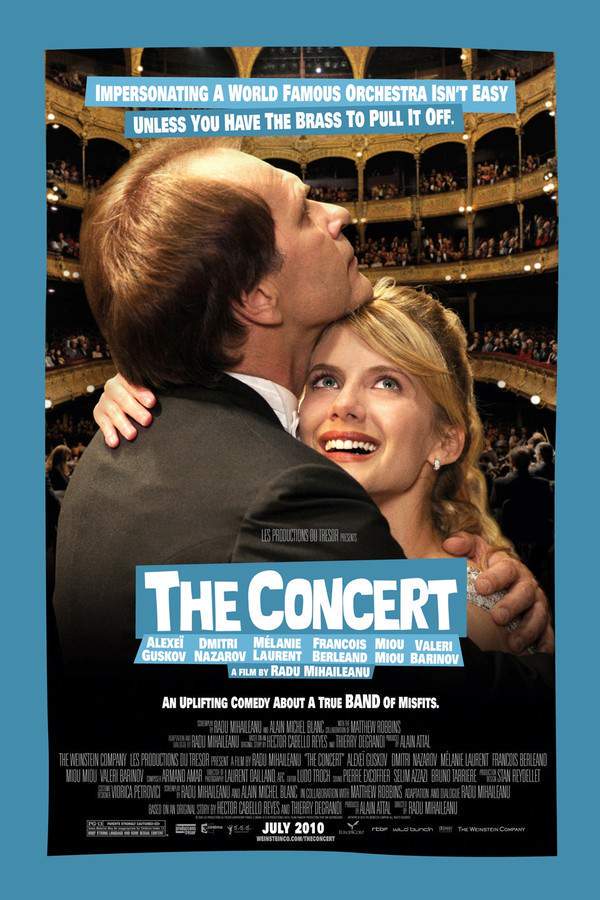
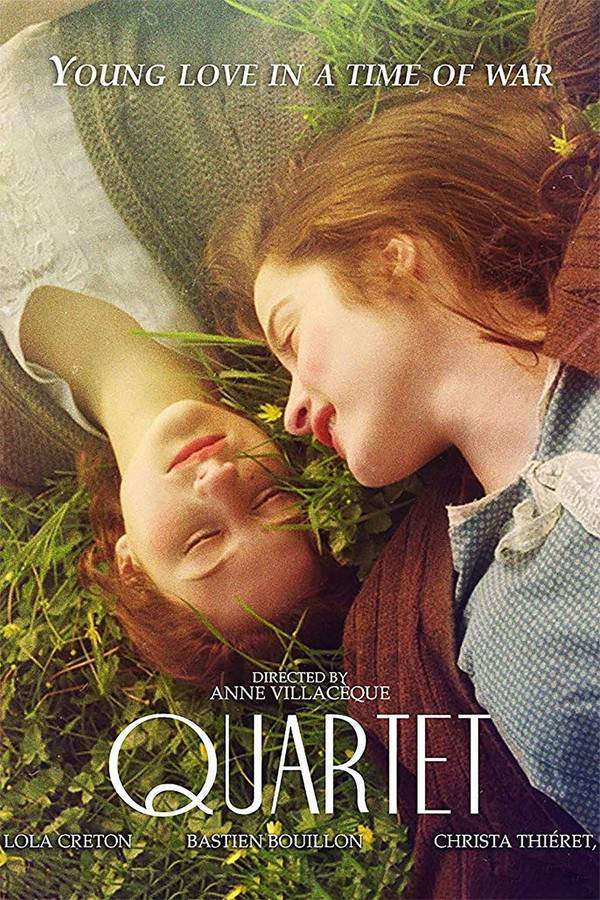
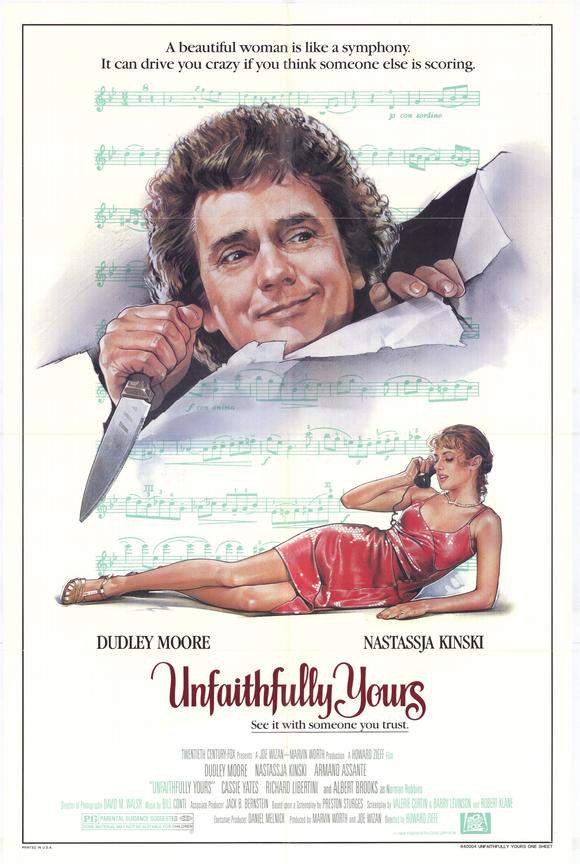
Featured on this page

What's After the Movie?
Not sure whether to stay after the credits? Find out!
Check out our other apps:

SAT Sphere
Build confidence for the Digital SAT.

Mori Atlas
Discover wild places worth protecting.

Luntero
Search smarter for a home in Amsterdam.

Plot Explained
Unravel movie endings and hidden clues.

Pokechamp
Dive into Pokémon data and battle logic.

Driving Theory
Get ready for your European theory test.

Movie Dust
Plan your next cinema trip with ease.

Musemap
Find art and culture as you travel.

Selkobase
Compare credentials before committing.

Local Manual
Turn an unfamiliar country into practical next steps.

Lernavi
Compare school systems before your next move.

GymRoam
Find a workout stop wherever your plans take you.
Explore Our Movie Platform
New Movie Releases (2026)
Famous Movie Actors
Top Film Production Studios
Movie Plot Summaries & Endings
Major Movie Awards & Winners
Best Concert Films & Music Documentaries
Movie Collections and Curated Lists
© 2026 What's After the Movie. All rights reserved.
Privacy Policy