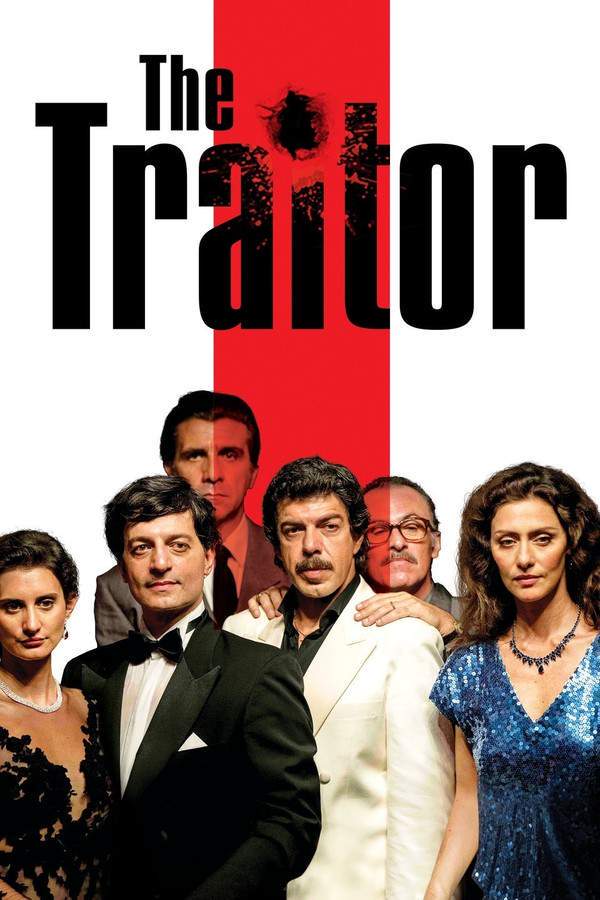
What Is Open Doors About?
The premise of Open Doors in 301 words, with nothing given away. The full story follows below.
In the sweltering summer of 1936, Palermo radiates a tense blend of old‑world charm and the iron grip of Mussolini’s regime. The city’s marble courtyards echo with the weight of law‑making that serves the state as much as it serves its people, and a pervasive sense of inevitability hangs over every courtroom door. Within this austere backdrop, the notion of justice is both a public spectacle and a private dilemma, setting the stage for a clash between duty and conscience.
Tommaso Scalia is a former judicial officer whose life has been unraveled by a series of professional betrayals and personal disillusionments. Now caught in the very system that once defined him, he stands at the centre of a case that has become a flashpoint for the broader political climate. His presence in the courtroom brings an unsettling intensity, as his inner turmoil mirrors the external pressures of a regime eager to demonstrate its authority.
Vito Di Francesco, an earnest assistant judge, enters the fray with an unwavering belief that the law should be tempered by humanity. Deeply opposed to the application of capital punishment, he seeks to uncover the deeper motives that lie beneath the surface of the accusations, employing subtle questioning that hints at a more nuanced truth. Beside him sits Consolo, a modest landowner whose quiet support reinforces the fragile hope that fairness might still find room within the procedural machine.
The atmosphere in the courtroom crackles with ideological conflict: the prosecutor’s rigid adherence to state edicts collides with Di Francesco’s principled dissent, while the public clamors for swift retribution. As the trial progresses, the film paints a portrait of a society where law, politics, and personal morality intersect, leaving the audience to wonder whether the scales of justice can ever truly balance under such a heavy, oppressive sky.
What Happens in Open Doors?
The complete story of Open Doors, from the first scene to the last, in 184 words (about 1 minute). Spoilers throughout. Names in the text link to 4 cast member pages.
Spoilers ahead
In 1936, Palermo is the backdrop for a shocking act: Tommaso Scalia, Ennio Fantastichini, a former judicial officer, brutally murders the former top lawyer Spatafora, Tuccio Musumeci, who had helped secure his dismissal, along with a colleague tied to a fascist organization, before turning himself in to the police. The public demands Scalia’s execution, and the justice system, aligned with Mussolini’s regime, is eager to comply. However, a juror named Vito Di Francesco, Gian Maria Volonté, opposed to capital punishment, tries to uncover the true motives behind the crimes through subtle questioning of witnesses. Throughout the trial, he clashes not only with the prosecutor and court officials, who prioritize strict adherence to state laws even at the expense of humanity, but also faces hostility from the defendant himself. Consolo, Renato Carpentieri, a modest landowner serving as a juror, supports Di Francesco’s approach. Eventually, Scalia is sentenced to a prison term instead of execution. Shortly after, Di Francesco is transferred to a remote district court, where his idea that justice should be guided by principles of fairness rather than political agendas fails to attract attention.
Open Doors Timeline: Every Key Event in Order
12 key events in the order they happen, from “Tommaso Scalia murders Spatafora and his fascist-linked successor” to “Ending: a law-driven verdict within political bounds”. 12 events name a place, across 7 locations.
- 1
Tommaso Scalia murders Spatafora and his fascist-linked successor
In 1936, Tommaso Scalia, a former judicial officer, brutally murders Spatafora, the former top lawyer who had helped dismiss him, along with the colleague who replaced him due to their association with a fascist organization. The killings send shock waves through Palermo and foreshadow a legal drama shaped by political power. The acts of violence hint at personal and political grievances that will drive the upcoming trial.
When:1936 Where:Palermo, Sicily
- 2
Scalia kills his wife before surrendering
After murdering Spatafora and his fascist-linked replacement, Scalia then assaults and kills his own wife, showing a readiness to eliminate perceived enemies. The violence intensifies the public perception that the crimes are driven by power as much as passion. This act compounds the sense that Scalia’s fate will be decided by a politicized justice system.
When:1936 Where:Palermo, Sicily
- 3
Scalia turns himself in to the police
Having completed his violence, Scalia turns himself in to the police, initiating the formal legal proceedings against him. The arrest marks the transition from crime to courtroom theater, with the public eager to see justice served. The case becomes a test of whether the regime’s legal system will favor punishment or caution.
When:1936 Where:Palermo, Sicily
- 4
Public demand for execution and regime alignment
The public demands Scalia’s execution, feeding pressure on the courts to deliver a punishment matching popular sentiment. The judiciary, closely aligned with Mussolini’s regime, signals its willingness to comply with state expectations. The trial atmosphere in Palermo is tense as authorities prepare for a verdict.
When:1936 Where:Palermo, Sicily
- 5
Vito Di Francesco enters the trial as a dissenting juror
Vito Di Francesco, a juror opposed to capital punishment, begins a cautious campaign within the trial to uncover the true motives behind the crimes. He uses subtle questioning of witnesses to pierce surface explanations and test whether political or personal factors influenced Scalia’s actions. His approach challenges the orthodox handling of the case by the prosecutors.
When:1936 Where:Palermo courtroom
- 6
Clashes with prosecutors and court officials
Di Francesco’s method brings him into direct conflict with the prosecutor and court officials who favor strict adherence to state law. They insist on a fast, punitive path that aligns with political expectations. The courtroom becomes a battleground between humane inquiry and formalism.
When:1936 Where:Palermo courtroom
- 7
Consolo supports fairness from the jury
Consolo, a modest landowner serving as a juror, lends support to Di Francesco’s fairness-driven approach. His presence introduces a quieter counterweight to the state’s punitive instincts. Together, they create a small moral countercurrent within the jury.
When:1936 Where:Juror deliberation room, Palermo
- 8
Verdict yields a prison term instead of execution
Despite public pressure for the death penalty, the verdict sentences Scalia to a prison term rather than execution. The decision underscores the tension between law and political pressure in Mussolini’s era. The sentence signals that humane considerations can influence outcomes, albeit cautiously.
When:1936 Where:Palermo courtroom
- 9
Di Francesco is transferred to a remote district court
Shortly after the verdict, Di Francesco is transferred to a remote district court, where he continues to advocate for fairness but finds little appeal for his ideas. The move isolates him from the main trial and the public spotlight. The shift illustrates how political convenience can shape judicial careers.
When:1936 Where:Remote district court (Sicily)
- 10
Fairness-centered justice struggles to gain traction
Di Francesco’s principle that justice should be guided by fairness rather than political agendas fails to attract attention in the new setting. He faces hostility from powerful figures who prefer the rigid application of state-controlled rules. The case becomes a microcosm of the broader tension between humanity and political expediency.
When:1936 Where:Remote district court
- 11
The regime’s grip reveals limits of reform
The narrative shows Mussolini’s system giving a show of justice while constraining genuine reform. The court is willing to entertain humane considerations but remains bound by political will and public sentiment toward punishment. The outcome remains tethered to authority rather than a pure sense of justice.
When:1936 Where:Palermo and remote court settings
- 12
Ending: a law-driven verdict within political bounds
The case ends with a formal prison term for Scalia, illustrating a verdict born of law but constrained by political dynamics. Di Francesco’s ideals stay alive in principle yet fail to transform the system in the short term. The story highlights the persistent collision between humane justice and state power under Mussolini.
When:1936 Where:Palermo and remote district court
Who Are the Main Characters in Open Doors?
7 characters, among them Tommaso Scalìa (Ennio Fantastichini), Vito Di Francesco (Gian Maria Volonté) and Consolo (Renato Carpentieri): who each one is and the part they play in the story. Every profile links to the actor’s page.
- TS
Tommaso Scalìa (Ennio Fantastichini)
Played by Ennio Fantastichini
A former judicial officer who brutally murders Spatafora, the former top lawyer who helped dismiss him, along with his replacement due to their association with a fascist organization. He then assaults and kills his wife before turning himself in to the police. His actions catalyze a trial where the justice system's handling of capital punishment is scrutinized.
- 🔪 Violent
- 🤯 Complex
- 💔 Tragic
-
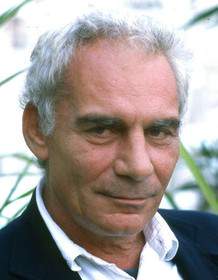
Vito Di Francesco (Gian Maria Volonté)
Played by Gian Maria Volonté
A juror who opposes capital punishment and seeks to uncover the true motives behind the crimes through careful questioning. He clashes with prosecutors and court officials who prioritize strict adherence to state law. His stance is supported by Consolo but challenged by the system's pressures.
- 🧭 Principled
- ⚖️ Justice
- 🕊️ Conscience
-
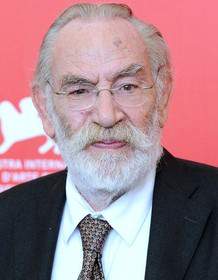
Consolo (Renato Carpentieri)
Played by Renato Carpentieri
A modest landowner serving as a juror who supports Di Francesco's approach. He provides a quieter counterbalance to the state’s rigor and emphasizes fairness over punitive zeal. His perspective embodies the hope for a more humane interpretation of the case.
- 🤝 Loyal
- 🗳️ Juror
- 🌤️ Hope
- S(
Spatafora (Avv. Spatafora) (Tuccio Musumeci)
Played by Tuccio Musumeci
The former top lawyer who, along with his fascist-linked replacement, was involved in Scalia’s dismissal. He becomes a victim of Scalìa, and his demise prompts the public and the court to consider the costs of political influence on justice.
- ⚖️ Legal
- 💥 Controversial
- 🕵️ Investigative
- P(
Procuratore (Giacomo Piperno)
Played by Giacomo Piperno
The prosecutor who pushes for execution, representing the hardline stance of the state under the regime. He argues for punishment in line with the public demand for retribution.
- 🏛️ Official
- 🗣️ Aggressive
- ⚖️ State
- PS
Presidente Sanna (Renzo Giovampietro)
Played by Renzo Giovampietro
The presiding judge who oversees the trial and seeks to maintain procedure under difficult political pressures. His role embodies the struggle to balance law with the demands of the regime.
- ⚖️ Authority
- 🏛️ Official
- 🗂️ Procedure
- RS
Rosa Scalia (Vitalba Andrea)
Played by Vitalba Andrea
The wife of Tommaso Scalia, whose murder triggers the case. Her death is the catalyst that exposes the intimate and political tensions at play during the trial.
- 💔 Victim
- 🕯️ Remembrance
- 👩
Where and When Is Open Doors Set?
Open Doors is set in Palermo and Sicily (1936). Here is why the time and place matter to the story.
When
1936
The events unfold in 1936 Italy, a period dominated by fascist authority. The regime uses legal proceedings to project power and enforce conformity. Within this climate, questions of fairness and political influence color every moment of the trial.
Where
Palermo, Sicily
Palermo, the capital of Sicily, is shown in 1936 as the backdrop for a courtroom drama under Mussolini's regime. The city embodies a society where political power heavily influences the legal system. The sunlit streets contrast with the shadow of state control over justice, creating a tense atmosphere for the trial.
- 🌆 Palermo
- 🇮🇹 Italy
- 🗺️ Sicily
What Are the Themes of Open Doors?
3 ideas the story keeps returning to, among them Justice, Moral Dilemma and Politics.
-
01
Justice
The film pits individual moral judgment against institutional power. It questions whether justice can be fair when the state dictates the terms of punishment. The jury's deliberations reveal the tension between due process and political pressure. Overall, it surveys whether humaneness can survive in a legally rigid system.
-
02
Moral Dilemma
A juror's opposition to the death penalty drives the core conflict, highlighting the struggle between upholding law and honoring conscience. Witness questioning becomes a tool to uncover motives beyond the letter of the law. The narrative explores whether truth and fairness can emerge from a system steeped in ideology. Personal ethics clash with official mandates throughout the trial.
-
03
Politics
The regime's influence over the judiciary is a central undercurrent, shaping how guilt and punishment are framed. The prosecution coludes with state power, while jurors challenge that control in search of a more humane resolution. The plot uses the trial to critique how political agendas can distort legal outcomes. It presents a contest between state authority and individual moral responsibility.
What Kind of Film Is Open Doors?
Tense in tone, with steady pacing and a moderate story, going by the plot summary.
- Tone
- Tense
- Pacing
- Steady
- Story
- Moderate
- Intensity
- High
- Ending
- Bittersweet
A tense and morally fraught courtroom drama set under a fascist regime, where the principled stand of one man against state-sanctioned execution creates a slow-burning, oppressive atmosphere of intellectual and ethical conflict.
- tense
- moralistic
- oppressive
- somber
- contemplative
- urgent
- political drama
- moral dilemma
- capital punishment
- justice system
Content notes: murder, domestic violence, political oppression.
Where to Watch Open Doors
. US availability and prices from JustWatch.
Streaming availability in the US, powered by