What Is On-Gaku: Our Sound About?
The premise of On-Gaku: Our Sound in 307 words, with nothing given away. The full story follows below.
Three aimless high schoolers drift through a haze of teenage restlessness, their days punctuated by casual mischief and the kind of boredom that invites reckless ideas. Kenji, Ota, and Asakura are outsiders by reputation — delinquents in name and posture, even if their rebellious acts rarely amount to much more than wandering the streets together. They share a quiet camaraderie built on shared inertia, until something sparks the unlikely notion that they should become musicians.
Without instruments, training, or even a clear sense of what they want to sound like, the boys throw themselves into forming a band with the reckless enthusiasm of kids who have nothing to lose. Their setup is improvised, their lineup accidental, and their understanding of music practically nonexistent. What emerges is something raw and unpolished — less a traditional rock band than a vessel for their collective restlessness and youthful defiance. The lack of skill only fuels their commitment, as if the chaos itself is the point.
Their sole audience and most trusted companion is Aya, the friend whose opinion matters most to them. Her presence anchors the trio, offering a rare glimpse of sincerity behind their hardened exteriors. When pressed for a name, the band settles on one borrowed from Asakura’s offhand suggestion — Kobujutsu — an odd, almost absurd choice that suits their scrappy, unconventional beginnings perfectly.
The film captures the look and feel of teenage apathy giving way to sudden, electrifying purpose. Rendered in a striking, minimalist animation style that emphasizes motion and mood over fine detail, the story pulses with a restless energy that mirrors the band’s noisy, imperfect sound. It’s a portrait of friendship, aimlessness, and the strange beauty of diving headfirst into something you barely understand — a journey where the music matters far less than the moment it awakens something in those who play it.
What Happens in On-Gaku: Our Sound?
The complete story of On-Gaku: Our Sound, from the first scene to the last, in 650 words (about 3 minutes). Spoilers throughout. Names in the text link to 4 cast member pages.
Spoilers ahead
Kenji Yasuyuki Okamura, Ota Tomoya Maeno and Asakura Tateto Serizawa are three high school delinquents who usually spend their time hanging out with each other and beating people up, though no fighting is ever shown on screen. Ota casually asks Kenji if he wants to go beat up the rival gang at Marutake High. Kenji agrees, and the three head out, but after realizing they have no idea where Marutake is, they lose interest.
Later on, Kenji is walking down the street when he witnesses a robbery. A passing musician thrusts his guitar into Kenji’s hands while he tackles the thief. Kenji takes the guitar home, and tells his friends the next day that they are going to start a band. They steal more instruments from the school to complete their ensemble. Kenji was unaware the guitar he stole was a bass, so the band ends up consisting of two basses, a snare and a tom drum. Knowing nothing about music, the only music they make is harsh, rhythmic noise. Still, the boys are inspired. Their first audience is Aya Ren Komai, their only other friend. When she asks what the band name is, Asakura suggests Kobujutsu (ancient martial arts), which Kenji agrees to without further thought.
Throughout the film, the story occasionally cuts to the mohawked gang at Marutake, led by a boy named Oba [Naoto Takenaka]. The gang believes Kenji is taking its members out in fights, when in reality they are being scared off by Kenji’s mere presence. Oba plots to teach Kenji a lesson.
The next day, Asakura learns that there’s a band at their school with an incredibly similar name, Kobijitsu (ancient fine arts). Instead of confronting the other band, Kenji decides to hear them play first. Kobijitsu is an acoustic folk trio led by singer Morita [Kami Hiraiwa]. While Kobijitsu are incredibly nervous to play for the school thugs, Kenji appreciates their music. In return, Kenji has Morita’s band listen to their music. Morita is absolutely blown away by the raw, primal energy of the band, and asks if they will play an upcoming rock festival with them. Kenji agrees. The band begins to practice for the festival, but Kenji becomes despondent, claiming he’s now bored of the band. Aya tries to talk some sense into him, but is unable to change his mind. After a short fight, Aya storms off, leaving the apathetic Kenji laying on the ground. Ota and Asakura are confident that Kenji will show up at the festival anyway.
On the day of the festival, Kenji is finally confronted by Oba’s gang. Before Oba can fight him, Kenji smashes his bass and pulls out a recorder, playing it for a stunned Oba before running off, the gang chasing after him. At the festival, Ota and Asakura plan to play alone as Kobujutsu. Morita’s Kobijitsu plays first. Inspired by Kenji’s band, Morita’s folk act has now become a fully fledged rock band. However, near the end, Morita’s guitar breaks, and they walk off dejectedly. When Ota and Asakura get on stage, they freeze up, as Kenji has still not arrived.
Kenji, still being chased while playing recorder, leaps on stage. Kobujutsu, reunited, begins to play, and Morita’s band joins in. Oba watches in disbelief as the crowd starts to get into the music. The band finishes their song, and Kenji, ecstatic, finally breaks out of his neutral exterior, and sings out passionately to the crowd.
The day after, Kenji has returned to his stoic self. Aya sits with him alone in an empty classroom, where Kenji reveals the band has broken up. Aya is disappointed, but Kenji goes on to ask if Aya will go to Disneyland with him. Ota sees the two talking, but quickly leaves. Outside, Ota asks Asakura if they should ask Kenji for a band reunion. Asakura agrees that Kenji will likely say yes later that day.
On-Gaku: Our Sound Timeline: Every Key Event in Order
14 key events in the order they happen, from “Plan to confront rival gang at Marutake High” to “Reunion talks among friends”. 14 events name a place, across 8 locations.
- 1
Plan to confront rival gang at Marutake High
Ota suggests they go beat up the rival gang at Marutake High. Kenji agrees and the trio heads out, but they quickly realize they have no idea where Marutake is, so they abandon the plan.
When:Daytime Where:Marutake High vicinity
- 2
Kenji receives a guitar during a street robbery
During a street chase, a passing musician hands Kenji his guitar and he tackles the thief with it. He brings the guitar home and tells his friends they are going to start a band.
When:Day Where:Street
- 3
Band formation and stolen instruments
They steal more instruments from the school to complete their ensemble. Kenji discovers the guitar he took is actually a bass, leaving them with two basses, a snare, and a tom. With no formal training, their music comes out as harsh, rhythmic noise.
When:Next few days Where:School
- 4
Aya as first audience and band name Kobujutsu
The trio's only real audience is Aya, their friend. When she asks for a name, Asakura suggests Kobujutsu, and Kenji cheerfully approves.
When:Day Where:School
- 5
Oba's gang watches and plots a lesson
Across the film, Oba's mohawked gang watches from Marutake, assuming Kenji is picking fights with them. In truth, Kenji's mere presence scares the rivals away. Oba vows to teach him a lesson.
When:Ongoing Where:Marutake
- 6
Asakura learns Kobijitsu and Kenji's plan to listen first
The next day, Asakura learns there is a band at their school with a nearly identical name, Kobijitsu. Rather than confront them, Kenji decides to listen to Kobijitsu first.
When:Next day Where:School
- 7
Morita impressed; invitation to rock festival
Morita, Kobijitsu's singer, is blown away by Kobujutsu's raw energy. He invites them to perform at an upcoming rock festival.
When:Soon after Where:School
- 8
Kenji's boredom; Aya's intervention and quarrel
The band continues rehearsing, but Kenji grows despondent and bored. Aya tries to shake him out of it, but after a brief quarrel she storms off, leaving Kenji lying on the ground.
When:During practice Where:School
- 9
Festival day – chase and escape
On festival day, Oba's gang confronts Kenji. Before any fight, he smashes his bass and pulls out a recorder, playing it as he escapes with the gang in pursuit.
When:Festival day Where:Festival route
- 10
Kobujutsu on stage; Kobijitsu's setback
Morita's Kobijitsu performs first at the festival, but their guitar breaks and they walk off disappointed. Ota and Asakura expect to play as Kobujutsu but freeze when Kenji hasn't appeared.
When:Festival day Where:Festival stage
Show the other 4 events of On-Gaku: Our Sound Hide the last 4 events
- 11
Kenji arrives on stage; reunion on stage
Kenji, still pursued, leaps on stage and reunites Kobujutsu. Morita's band joins in, and the crowd starts to respond with excitement.
When:Festival day Where:Festival stage
- 12
Finale: Kenji sings and the crowd responds
The performance ends with Kenji finally breaking out of his neutral demeanor as he sings to the crowd. The moment marks a turning point for him and the band.
When:End of festival Where:Festival stage
- 13
Band breakup and Disneyland invitation
The day after, Kenji returns to his stoic self and reveals to Aya that the band has broken up. Aya is disappointed, but Kenji then asks her to go to Disneyland with him.
When:Day after festival Where:Empty classroom
- 14
Reunion talks among friends
Outside the classroom, Ota asks Asakura if they should try to reunite the band. Asakura thinks Kenji will say yes later that day.
When:Day after festival Where:School hallway
Who Are the Main Characters in On-Gaku: Our Sound?
7 characters, among them Kenji (Yasuyuki Okamura), Kenji (Shintaro Sakamoto) and Ōba: who each one is and the part they play in the story. Every profile links to the actor’s page.
- K(
Kenji (Yasuyuki Okamura)
Played by Yasuyuki Okamura
Kenji is a stoic high school delinquent whose deadpan exterior hides a deep urge for self-expression. He becomes the band’s reluctant frontman when music taps into his hidden energy. His leadership emerges most clearly during the festival, where the raw sound finally breaks through his composure.
- 🎭 Rebellious
- 🧭 Reserved
- 🎶 Music-driven
- K(
Kenji (Shintaro Sakamoto)
Played by Shintaro Sakamoto
Kenji is the same character voiced by a different actor, maintaining the same cool, unflinching presence while revealing a surge of passion when performing. His minimal dialogue contrasts with the loud, primal music that defines the band's moment.
- 🎭 Rebellious
- 🧭 Reserved
- 🎶 Music-driven
-
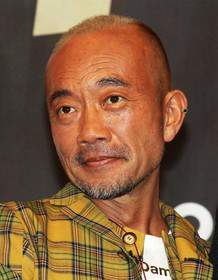
Ōba
Played by Naoto Takenaka
Ōba is the mohawked gang leader whose turf is challenged by Kenji’s growing presence. He embodies the town’s rough dominance but is shown to be unsettled by the raw force of the band’s music.
- 🎩 Rivalry
- 🥊 Gang
- 🎶 Power of music
- Ō(
Ōta (Tomoya Maeno)
Played by Tomoya Maeno
Ōta is the loyal friend who keeps the trio grounded and pushes them toward action. His optimism and energetic commitment help sustain the band through early missteps and uncertain moments.
- 🎒 Friendship
- 🤝 Loyalty
- 🎶 Supportive
- A
Asakura
Played by Tateto Serizawa
Asakura is a practical member who helps steer the band toward a real opportunity. He supports the idea of naming their group and collaborates with Morita’s band to reach the festival stage.
- 🎭 Friendship
- 🧭 Loyalty
- 🎶 Creativity
- A(
Aya (Ren Komai)
Played by Ren Komai
Aya is the first friend audience of Kobujutsu, offering honest feedback and emotional pressure that spurs Kenji to push beyond his apathy. She represents a desire for something more meaningful than street bravado.
- ❤️ Friendship
- 🗝️ Hope
- 🎶 Audience
- M(
Morita (Kami Hiraiwa)
Played by Kami Hiraiwa
Morita leads Kobijitsu, an acoustic folk trio who are nervous at first but inspired by Kenji’s band. Their collaboration evolves into a shared musical spark that makes the festival possible.
- 🎸 Collaboration
- 🎭 Music
- 🧭 Inspiration
Where and When Is On-Gaku: Our Sound Set?
On-Gaku: Our Sound is set in Marutake High School, local town streets and Disneyland. Here is why the place matters to the story.
Where
Marutake High School, local town streets, Disneyland
The story unfolds in a small Japanese town centered around Marutake High School, with the streets and local hangouts shaping the boys' daily lives. The school environment, neighborhood vibe, and chance encounters drive the birth of a raw, improvised band. The setting eventually moves toward a local rock festival, culminating in a crowd-driven musical moment that changes the characters' trajectories. A planned trip to Disneyland marks a potential shift from delinquency to ordinary teenage dreams.
- 🏙️ Urban town
- 🎶 Music scene
- 🗺️ Local setting
What Are the Themes of On-Gaku: Our Sound?
4 ideas the story keeps returning to, among them Music, Identity and Friendship.
-
01
Music
A raw, untrained sound emerges from improvised instruments and fearless energy. The band’s noise becomes a form of self-expression that moves beyond their initial rebellious aims. The collaboration with Kobijitsu and the festival performance prove that music can transform emptiness into connection and purpose.
-
02
Identity
Kenji’s stoic exterior masks a yearning for expression and belonging. The music acts as a catalyst, gradually revealing his inner motives and desires. Through performance, the characters confront who they are beyond their schoolyard bravado.
-
03
Friendship
Ota, Asakura, and Aya form the core support system around Kenji, balancing loyalty with tension. Their togetherness fuels the band’s growth even as personal disagreements surface. The group’s dynamics illustrate how shared creation can sustain friendships through conflict.
-
04
Conflict
Oba’s gang presence creates a threat that heightens stakes without explicit violence onscreen. The tension is resolved through music, not fists, highlighting art’s power to defuse danger. The clash between fear and artistic drive drives the narrative toward a climactic, communal moment.
What Kind of Film Is On-Gaku: Our Sound?
Whimsical in tone, with steady pacing and a straightforward story, going by the plot summary.
- Tone
- Whimsical
- Pacing
- Steady
- Story
- Straightforward
- Intensity
- Medium
- Ending
- Bittersweet
A quirky, deadpan animated comedy following slacker high schoolers who form a terrible but passionate rock band, capturing the absurd joy of amateur creativity and youthful aimlessness.
- quirky
- slacker
- absurdist
- deadpan
- playful
- rebellious
- coming of age
- amateur music
- friendship
- teenage rebellion
Quiz
How well do you remember On-Gaku: Our Sound? Test yourself on the story.