What Happens in Olympic Pride, American Prejudice?
The complete story of Olympic Pride, American Prejudice, from the first scene to the last, in 298 words (about 1 minute). Spoilers throughout.
Spoilers ahead
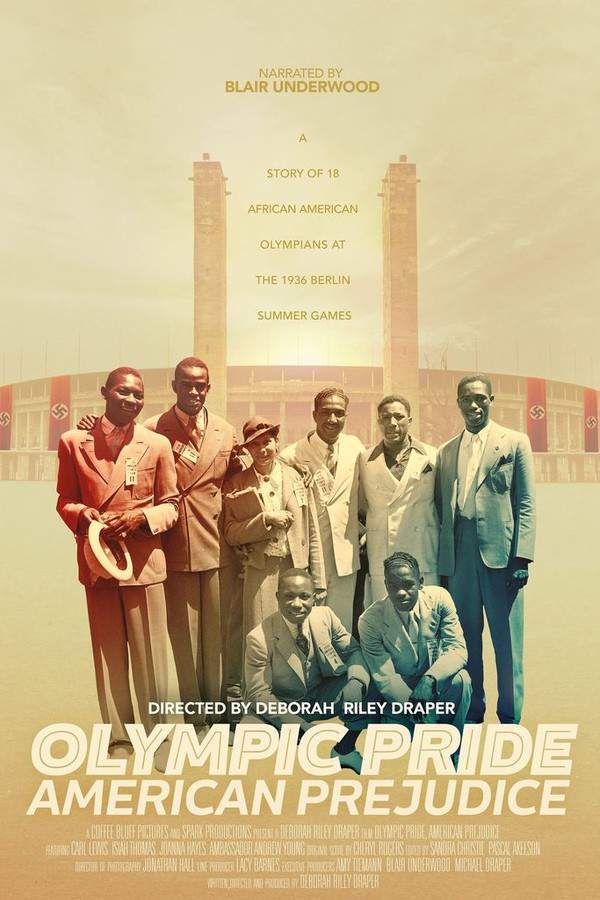
While the legendary achievements of Jesse Owens are widely known, this film shifts the focus to the 17 other Black athletes from the United States who competed in the 1936 Olympic Games in Berlin, Germany. Many of these individuals remained obscured by history and received little to no news coverage during their time. Because none of the eighteen athletes were alive during production, the documentary utilizes historical newsreels, newspaper archives, audio footage, and heartfelt interviews with their surviving family members to reconstruct their journeys.
The narrative provides a stark contrast between the institutional racism facing Black Americans at home and the rise of the Nazi Party and antisemitism in Germany. The film features insights from German sources and Gretel Bergmann, a Jewish German athlete who was pressured to return to Germany to serve as a “propaganda tool” to make the team selection seem unbiased, though she was ultimately barred from competing.
The documentary explores the intense American conflict over whether to boycott the games. While figures like Avery Brundage opposed a boycott, others including Fiorello La Guardia and the N.A.A.C.P. supported it. Conversely, the African American press encouraged participation to:
“disprove the myth of white supremacy.”
Special attention is given to the two Black women on the team, Louise Stokes and Tidye Pickett, who endured hazing, injuries, and the pressures of racism. Despite these hardships, the Black members of the U.S. team were incredibly successful, winning fourteen medals (eight gold, four silver, and two bronze), contributing half of the total Olympic points for the entire American delegation.
Tragically, their return to the U.S. was met with limited opportunity, and President Roosevelt refused to shake their hands to avoid upsetting Southern voters. Nevertheless, the film concludes that these athletes’ courage laid the essential groundwork for future civil rights victories.
Olympic Pride, American Prejudice Timeline: Every Key Event in Order
15 key events in the order they happen, from “Racism in 1930s America” to “Preserving Their Stories”. 13 events name a place, across 4 locations.
- 1
Racism in 1930s America
Personal and institutional racism keeps Black Americans from having equal rights in the United States. The film establishes this climate of discrimination as the backdrop for the athletes' journey. Their struggle for recognition begins at home, long before the Olympic stage.
When:1930s Where:United States
- 2
Hitler and the Nazis Rise to Power
Adolf Hitler and the Nazi Party rise to power in Germany, accompanied by a sharp upswing in antisemitism. The regime's white nationalist ideology casts a shadow over the upcoming Berlin Olympics. The world watches to see whether Nazi discrimination will extend to the Games themselves.
When:1933 Where:Germany
- 3
Gretel Bergmann Ordered Back to Germany
Gretel Bergmann, a Jewish German athlete who had been living in the United Kingdom, is ordered to return to Germany. The Nazi regime intends to use her as a propaganda tool to make the German Olympic team selection appear unbiased. Her forced return reveals the deceptive lengths the regime will go to protect its international image.
When:1936 Where:United Kingdom
- 4
Bergmann Barred from Competition
Despite being brought back to serve as propaganda, Bergmann is ultimately not allowed to compete for the German Olympic team. Her exclusion exposes the hollowness of the regime's claims of a fair selection process. Interviews in the film highlight the discrimination Jewish athletes faced under the Nazis.
When:1936 Where:Germany
- 5
America Debates a Boycott
Against the background of rising white nationalism in Germany, the United States becomes conflicted about whether American Jewish and Black athletes should even go to the Games. Politicians, civil rights organizations, and newspapers all weigh in on the question. The debate threatens to keep the Black athletes away from Berlin entirely.
When:1936 Where:United States
- 6
Brundage Opposes a Boycott
United States Olympic Association president Avery Brundage comes out against a boycott of the Berlin Games. His opposition keeps American participation on track despite mounting pressure to withdraw. The film examines his influential role in this contentious decision.
When:1936 Where:United States
- 7
La Guardia and the N.A.A.C.P. Support a Boycott
Fiorello La Guardia and the N.A.A.C.P. come out in favor of boycotting the Berlin Olympics. They argue that American participation would legitimize the Nazi regime and its discriminatory policies. Their stance puts them at odds with the U.S. Olympic establishment.
When:1936 Where:United States
- 8
The Black Press Backs Participation
The African American press argues that the athletes should participate in order to disprove the myth of white supremacy. This position frames the Games as an opportunity to triumph on the world stage. The athletes ultimately choose to go and compete.
When:1936 Where:United States
- 9
Stokes and Pickett Overcome Hazing
Louise Stokes and Tidye Pickett, the two Black women on the team, have to manage hazing and injuries alongside the usual stresses of international travel and American racism. The film specifically highlights their achievements and their double burden of race and gender. Their perseverance makes them central figures in the story.
When:1936 Where:United States
- 10
The Berlin Games Begin
The 1936 Olympic Games open in Berlin. Eighteen Black American athletes, including Jesse Owens, compete as members of the U.S. delegation. They perform under the shadow of a Nazi regime whose leaders hoped the Games would showcase their ideology of white supremacy.
When:August 1936 Where:Berlin, Germany
Show the other 5 events of Olympic Pride, American Prejudice Hide the last 5 events
- 11
Fourteen Medals Won
The Black members of the U.S. team win a total of fourteen medals, consisting of eight gold, four silver, and two bronze. Their haul amounts to half of the Olympic points for the entire American team. Their dominance delivers a powerful rebuttal to the myth of white supremacy, both in Germany and at home.
When:August 1936 Where:Berlin, Germany
- 12
A Cold Homecoming
When the athletes return to the United States, there are still few job opportunities available to them. Despite their Olympic success, they come home to the same racist society they left behind. Their medals bring them little concrete reward in their own country.
When:1936 Where:United States
- 13
Roosevelt Refuses to Shake Hands
President Roosevelt refuses to shake the hands of the returning medal-winners out of concern for alienating Southern voters. The snub comes even after the athletes represented the country with distinction. It underscores how deeply entrenched racism remains in America despite their triumphs.
When:1936 Where:United States
- 14
Laying the Groundwork for Civil Rights
Things did not always work out for most of the 1936 Black Olympic athletes in the years that followed. Still, the modern-day people interviewed in the film feel that the athletes' actions laid the groundwork for future civil rights victories. Their courage is remembered as an early milestone in the long fight for equality.
- 15
Preserving Their Stories
Because none of the eighteen athletes were alive at the time of the movie's production, filmmaker Draper tells their stories through interviews with families, audio footage from historical interviews, and newsreels and newspaper coverage. This archival approach rescues the long-overlooked athletes from obscurity. The film ensures they finally receive the recognition they were largely denied in their own era.
When:Present day
Quiz
How well do you remember Olympic Pride, American Prejudice? Test yourself on the story.