

What Is Night Monster About?
The premise of Night Monster in 297 words, with nothing given away. The full story follows below.
In the murky shadows of a crumbling swamp, a lone mansion clings to the water’s edge like a forgotten relic. The heavy scent of decay mixes with the endless chorus of insects, while night drapes the halls in a veil that seems to swallow sound. Within these dank corridors lives Kurt Ingston, a reclusive millionaire whose once‑vibrant life has been reduced to the slow rhythm of a wheelchair and the oppressive stillness of his own estate. His isolation is both self‑imposed and reinforced by the bleak, decaying world that presses against the house’s weathered stone.
When Ingston extends an invitation to the three physicians who once attempted to mend the injury that left him crippled, the mansion becomes a stage for uneasy reunions. The doctors arrive to find a household already populated by an eclectic cast: the grim‑humored butler Rolf, the lecherous chauffeur Laurie, the stern housekeeper Miss Judd, the enigmatic mystic Agar Singh, and Ingston’s sister, Margaret, whose fragile sanity hangs in a delicate balance. Even the gate is watched by the gaunt hunchback Torque, a silent sentinel of the estate’s lingering secrets. The atmosphere crackles with a tense mix of old resentments, unanswered questions, and an undercurrent that suggests something unseen is already beginning to stir.
The film moves like a slow‑breathing creature, allowing the oppressive ambience of the swamp‑bound mansion to sink into every scene. Shadows lengthen as darkness settles, and the characters’ nervous interactions are amplified by the constant, low‑hum of unseen menace that seems to patrol the corridors. The tone is a careful blend of gothic dread and claustrophobic suspense, inviting the audience to linger over each creaking floorboard and whispered exchange, ever aware that the house itself may be the only true witness to whatever secrets lie beneath its rotting veneer.
What Happens in Night Monster?
The complete story of Night Monster, from the first scene to the last, in 516 words (about 2 minutes). Spoilers throughout. Names in the text link to 11 cast member pages.
Spoilers ahead
Kurt Ingston presides over a secluded estate in a small town that borders a murky swamp, a place where rumors and unexplained murders swirl around his home. Wheelchair-bound yet highly respected, he has invited the three doctors who once tried to cure his paralysis to return to his house. In the dim corridors and dimmer rooms of the Ingston residence, a tense balance holds: the grim-humored butler Bela Lugosi as Rolf, the lecherous chauffeur Leif Erickson as Laurie, the mannish housekeeper Doris Lloyd as Miss Judd, the Eastern mystic Nils Asther as Agar Singh, and Ingston’s allegedly mentally ill sister, Margaret, portrayed by Fay Helm. Outside, at the gate, a shriveled old hunchback named Torque keeps watch, a haunting figure in the background.
The arrival of a new presence shifts the balance: Dr. Lynn Harper, introduced by Margaret in a bid to prove she is not insane and win her freedom from the household control, comes to the mansion with a neighbor who becomes involved in the mystery. The neighbor is the mystery-writer Dick Baldwin, Don Porter stepping into the scene after rescuing Harper when her car falters in the swamp. The tension between the doctors and the household is palpable from the start, as the three doctors—Lionel Atwill as Dr. King, Frank Reicher as Dr. Timmons, and Francis Pierlot as Dr. Phipps—sit down to dinner and watch Ingston’s suspicions grow that they are somehow responsible for his condition.
During the meal an astonishing demonstration follows: Agar Singh materializes the bones of a Sicilian skeleton, a chilling display that unsettles Harper and foreshadows the peril to come. Harper is warned away from Margaret, and the group prepares for the night as the doctors—now clearly perceived as threats by Ingston—settle in for rest. One by one, the doctors are attacked and killed as they prepare for bed, their fates sealed in the oppressive atmosphere of the house.
Dick and the steady Captain Beggs, Robert Homans, press the investigation, haunted by the possibility that Ingston himself has a hand in the murders. The truth, however, emerges with a shocking revelation: Ingston is not paralyzed at all but a triple amputee, enabling him to manipulate his own body in ways that mimic the affliction he had when the doctors first tried to cure him. Suspicion falls on Laurie, who was last seen driving an ex-employee of the household back to town, but the chauffeur also meets a violent end, extending the circle of death.
As the net tightens, Dick confronts the killer outside the estate as he threatens Harper. The killer is revealed to be Ingston himself: through the tutelage of Agar Singh, he has learned how to conjure and momentarily materialize arms, legs, hands, and feet to carry out his crimes. In the final struggle, Margaret, driven to desperation, sets the house on fire, taking Miss Judd with her in a symbolic end to the household’s dark conspiracy. The flames consume the mansion, and as the inferno rages, Agar Singh intervenes, shooting Ingston and saving Dick and Harper from the murderous plan that Hatched within the swamp-dark walls.
Night Monster Timeline: Every Key Event in Order
12 key events in the order they happen, from “Doctors arrive at Kurt Ingston's swamp estate” to “Ending: survivors and aftermath”. 12 events name a place, across 12 locations.
- 1
Doctors arrive at Kurt Ingston's swamp estate
Three doctors who were trying to cure Kurt Ingston's paralysis are invited to his secluded swamp-side mansion. They are welcomed by the household, which includes the stern butler Rolf and the other staff, as well as Ingston's enigmatic sister Margaret. Their arrival marks the beginning of a tense stay as rumors of murder swarm around the estate.
When:Evening Where:Kurt Ingston's swamp estate
- 2
Dr. Lynne Harper and Dick Baldwin arrive
Dr. Lynne Harper, a lady psychiatrist, is secretly summoned by Margaret to prove she is not insane. She is accompanied by her neighbor, mystery writer Dick Baldwin, who rescued her after a car breakdown in the swamp. Neither Ingston nor Miss Judd welcomes her presence, but she is kept overnight.
When:Evening Where:Ingston's estate
- 3
Dinner reveals Ingston's conviction
During dinner, Ingston makes it clear that he believes the three doctors caused his current condition. The confession heightens the sense of danger and distrust among the guests. The tension is thick as the others exchange wary glances.
When:Evening Where:Dining room
- 4
Agar Singh demonstrates materialization
The party witnesses Agar Singh's uncanny display of materializing a Sicilian skeleton. The demonstration deepens the sense that supernatural powers might be involved. The others are left unsettled by this spectacle.
When:Evening Where:Main hall
- 5
Harper forbidden to meet Margaret
Lynne Harper is forbidden to meet Margaret, highlighting a forbidden dynamic within the household. This restriction underlines the controlling atmosphere surrounding the estate. The prohibition contributes to growing unease.
When:Night Where:Margaret's quarters
- 6
Doctors murdered during bedtime
One by one, the three doctors are frightfully killed as they prepare for bed. The deaths plunge the house into panic and suspicion, leaving everyone guessing who will be next. The sense of danger becomes inescapable.
When:Night Where:Bedrooms
- 7
Confrontation reveals a triple amputee
Dick Baldwin and Police Captain Beggs confront Ingston in his room and demand answers. They discover he is not paralyzed after all, but a triple amputee who can fake mobility. The revelation shifts the focus of the investigation to Ingston as the killer.
When:Night Where:Ingston's room
- 8
Laurie is suspected and dies
Suspicion quickly falls on Laurie, the chauffeur who was last seen driving a murdered ex-employee back to town. He is found dead, removing another potential suspect from the equation. The investigation tightens around the remaining residents.
When:Night Where:Estate grounds
- 9
Dick learns the killer is Ingston
Dick confronts the killer outside the estate and learns that Ingston learned to materialize arms and legs through his studies with Agar Singh. The confrontation confirms Ingston as the culprit and sets up the final confrontation.
When:Night Where:Outside the estate
- 10
Margaret and Miss Judd die in a fire
Margaret sets fire to the unholy house, committing suicide while taking Miss Judd with her. The mansion erupts into flames, spreading chaos and smoke through the halls. The collapse of the estate marks the turning point toward the finale.
When:Night Where:The house
- 11
Singh saves Dick and Lynne; Ingston dies
As the house burns, Agar Singh shoots Ingston, ending his reign of terror. Dick and Lynne are saved by Singh's intervention amid the blaze. The estate burns to the ground as the killer dies.
When:Night Where:Estate grounds / burning mansion
- 12
Ending: survivors and aftermath
In the aftermath, Dick and Lynne survive and the swamp town begins to recover from the terror. The mystery is laid to rest, albeit with more questions than answers about the uncanny events. The film closes on a somber note as the flames die down.
When:Dawn Where:Estate ruins
Who Are the Main Characters in Night Monster?
15 characters, among them Kurt Ingston (Ralph Morgan), Dr. King (Lionel Atwill) and Dr. Timmons (Frank Reicher): who each one is and the part they play in the story. Every profile links to the actor’s page.
- KI
Kurt Ingston (Ralph Morgan)
Played by Ralph Morgan
A wheelchair-bound magnate whose supposed paralysis masks a murderous will. He orchestrates the doctors' deaths and other acts of violence from his swamp estate, displaying a cold, calculating mindset.
- 💼 Wealthy
- 🧠 Calculating
- 🗝️ Secretive
-
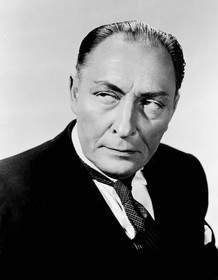
Dr. King (Lionel Atwill)
Played by Lionel Atwill
One of the doctors invited to treat Ingston; he becomes a victim as the line between cure and conspiracy blurs.
- 💊 Doctor
- ⚠️ Targeted
-
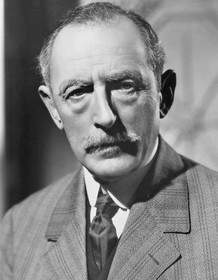
Dr. Timmons (Frank Reicher)
Played by Frank Reicher
Another physician in the trio who faces a grim fate as the mansion's danger escalates.
- 💊 Doctor
- ⚠️ Targeted
- DP
Dr. Phipps (Francis Pierlot)
Played by Francis Pierlot
The third physician summoned to diagnose and cure; his murder marks the unraveling of the household.
- 💊 Doctor
- ⚠️ Targeted
- DL
Dr. Lynn Harper (Irene Hervey)
Played by Irene Hervey
A psychiatrist invited to assess Margaret and challenge the estate's grip; she allies with Dick Baldwin to uncover the truth and survive.
- 🧠 Psychiatrist
- 🛡️ Courageous
- DB
Dick Baldwin (Don Porter)
Played by Don Porter
A mystery writer neighbor who helps expose the killer and helps rescue Lynn; pursues the killer across the swamp estate.
- ✍️ Writer
- 🕵️ Curious
- SJ
Sarah Judd (Miss Judd – Doris Lloyd)
Played by Doris Lloyd
A stern housekeeper whose management of the household contributes to the oppressive atmosphere and complicates the investigation.
- 🧹 Housekeeper
- 🗝️ Controlling
- AS
Agar Singh (Agor Singh)
Played by Nils Asther
An Eastern mystic whose materialization tricks provide the mechanism for the killer to create limbs at will, enabling murders.
- 🔮 Mystic
- 🧪 Scientific
- T
Torque
Played by Cyril Delevanti
A shriveled gatekeeper who watches the estate’s gate, adding a chilling presence to the property’s defenses.
- 👤 Gatekeeper
- 🗝️ Eerie
- L(
Laurie (Leif Erickson)
Played by Leif Erickson
A lecherous chauffeur whose reckless behavior foreshadows danger and ultimately contributes to the body count.
- 🚗 Chauffeur
- 🕊️ Lecherous
- CB
Cap Beggs (Robert Homans)
Played by Robert Homans
The town police captain who assists in the investigation, pursuing the truth alongside the visitor-cum-hero.
- 👮 Captain
- 🕵️ Suspicious
- MI
Margaret Ingston (Fay Helm)
Played by Fay Helm
Kurt's sister, thought to be mentally ill, who helps drive the plot from within; her fate is sealed as the house burns.
- 👭 Sister
- 🧨 Dangerous
- JH
Jeb Harmon (Eddy Waller)
Played by Eddy Waller
A former household employee who becomes enmeshed in the growing web of suspicion surrounding the estate.
- 🧑🔧 Ex-employee
- 🔪 Suspicion
- R(
Rolf (Bela Lugosi)
Played by Bela Lugosi
The grim-humored butler who watches the gates and maintains the household’s intimidating order.
- 🗝️ Butler
- 🐍 Menacing
- MC
Milly Carson (Janet Shaw)
Played by Janet Shaw
A neighbor in the household circle; a minor figure amidst the fear surrounding the swamp estate.
- 🧭 Neighbor
- 🗝️ Minor
Where and When Is Night Monster Set?
Night Monster is set in Small town by the swamp. Here is why the place matters to the story.
Where
Small town by the swamp
A quiet town sits on the edge of a surrounding swamp, creating a mood of isolation. The estate of Kurt Ingston anchors events, with a gate and watchful grounds adding to the sense of confinement. The swampy landscape shapes the atmosphere of secrecy and danger that defines the story.
- 🏚️ Isolated setting
- 🌫️ Foggy atmosphere
- 🌾 Swamp town
What Are the Themes of Night Monster?
3 ideas the story keeps returning to, among them Deception, Isolation and Science vs Superstition.
-
01
Deception
Appearances conceal deadly truth as the household navigates manipulation and hidden motives. The paralysis ruse, the staged estate, and the murders reveal a web of deceit. Investigators and outsiders uncover how truth is manipulated to maintain control and conceal culpability.
-
02
Isolation
The swamp-bound mansion functions as a closed world where outsiders are kept at a distance. The remote estate intensifies paranoia as residents and guests become suspects. The setting amplifies fear, making every room a potential danger and every sound a clue.
-
03
Science vs Superstition
Agar Singh's claimed mystical capabilities intersect with pseudo-science, challenging rational explanations. The doctors attempt rational cures while the killer exploits tricks that mimic scientific techniques. The tension questions whether the mysterious events are supernatural or a calculated deception.
What Kind of Film Is Night Monster?
Tense in tone, with steady pacing and a moderate story, going by the plot summary.
- Tone
- Tense
- Pacing
- Steady
- Story
- Moderate
- Intensity
- High
- Ending
- Mixed
An oppressive and suspenseful thriller set in a decaying mansion, characterized by a claustrophobic atmosphere and a steady build of dread as a series of mysterious murders unfold around a reclusive, vengeful protagonist.
- claustrophobic
- suspenseful
- oppressive
- ominous
- gothic
- isolated
- revenge
- murder investigation
- psychological horror
- supernatural powers
Content notes: murder, psychological manipulation, house fire, unwanted sexual advances.
Quiz
How well do you remember Night Monster? Test yourself on the story.
Where to Watch Night Monster
Stream it on Tubi TV, or rent or buy it from Amazon Video and Apple TV Store. US availability and prices from JustWatch.
Stream 1
 Tubi TV




Streaming availability in the US, powered by 


