

What Is Dead of Night About?
The premise of Dead of Night in 287 words, with nothing given away. The full story follows below.
In the quiet countryside of Kent, a solitary farmhouse becomes the unlikely meeting point for an eclectic gathering as night falls. Walter Craig, a meticulous architect seeking a fresh commission, arrives at the welcoming doorstep of his host, Elliot Foley. The rustic charm of the cottage contrasts with the unsettling feeling that something intangible lingers in the shadows, setting a tone that is both inviting and vaguely foreboding.
Inside, a circle of guests assembles around the glowing hearth, each bringing a voice that hints at lives steeped in mystery. Among them, the composed psychologist Dr. van Straaten offers calm counsel, while the daring racer Hugh Grainger shares a vivid recollection of a strange hospital encounter. The atmosphere thickens as Sally O’Hara and Joan Cortland weave their own peculiar anecdotes, and the quiet tension of a golfing rivalry is hinted at through the tales of George Parratt and Larry Potter. Even the eccentric ventriloquist Maxwell Frere adds a layer of uncanny performance to the evening’s tapestry.
From the moment Craig steps into the sitting room, he feels an uncanny resonance with the assembled strangers, as though he has already walked these corridors in a recurring dream. His heightened sensitivity to the stories being exchanged creates a delicate balance between curiosity and dread, and the night seems to stretch, each shared memory echoing like a soft refrain in a darkened hall.
As the evening deepens, the house itself becomes a character—its creaking timbers and flickering lights mirroring the subtle undercurrents of the guests’ narratives. The invitation to stay, the allure of the night, and the lingering question of what is imagined versus what is real leave Craig—and the audience—suspended in a haunting liminality that promises more questions than answers.
What Happens in Dead of Night?
The complete story of Dead of Night, from the first scene to the last, in 824 words (about 4 minutes). Spoilers throughout. Names in the text link to 2 cast member pages.
Spoilers ahead
Walter Craig arrives at a cozy country cottage in Kent, where he is warmly greeted by his host, Elliot Foley. Craig, an architect, has been invited to the house to offer his expertise on some renovation plans. As he steps inside the sitting room, Craig suddenly claims to have seen all the guests present in a recurring dream, despite never having met them before. Intriguingly, he appears to possess no prior knowledge of their identities or histories but demonstrates an uncanny ability to predict events that take place within the house, often before they happen. Craig also reveals that he has a vague memory of something dreadful that will occur later during his visit.
The guests, including a renowned psychologist named Dr. van Straaten, try to reassure Craig, encouraging him to dismiss his disturbing visions as mere fantasies or hallucinations. Meanwhile, the others attempt to test Craig’s prescient abilities and share their own eerie experiences, creating an atmosphere filled with suspense and curiosity.
One memorable story is told by Hugh Grainger, a racing car driver, who recalls a strange episode during his hospital stay after a serious crash. One night, the sounds from his ward suddenly cease, and the clock beside his bed inexplicably advances to daytime. When he looks outside, he sees a horse-drawn hearse parked outside, and the driver calls out, “just room for one inside, sir.” Despite being discharged, Hugh waits for a bus that bears a striking resemblance to the hearse. The conductor, who looks exactly like the driver, announces there’s “just room for one inside, sir,” but Hugh chooses not to board. As the bus departs, it veers off course and crashes down an embankment, hinting at the ominous significance of his dream.
Another guest, Sally O’Hara, recounts attending a Christmas party at a grand mansion. During a game of hide-and-seek, she hides behind a curtain and is discovered by Jimmy, who tells her about a murder that once took place there. Sally then finds a door leading to a nursery, where she hears a young boy, Francis Kent, crying. She comforts him and gently tucks him into bed, only to later learn that Francis was murdered by his sister, Constance. This disturbing tale underscores the theme of past tragedies linked to the house.
Joan Cortland shares her experience of giving her husband, Peter, a mirror as a birthday gift. When he gazes into it, he doesn’t see himself but a different room. Joan learns that the mirror previously belonged to Francis Etherington, a man who murdered his wife out of suspicion of infidelity before taking his own life in front of the mirror. The mirror’s sinister influence nearly leads Peter to strangle Joan, but she manages to break it, restoring his sanity.
Foley tells of two golfers, George Parratt and Larry Potter, who both loved a woman named Mary Lee. They played a game of golf — with Parratt cheating to win — and as a result, Potter drowned himself in a nearby lake. Later, Parratt encounters Potter’s ghost on the golf course, who demands that Parratt abandon his pursuit of Mary, threatening to haunt him forever. On their wedding day, Parratt unwittingly causes himself to vanish, freeing Potter to win Mary’s affection.
Dr. van Straaten then discusses a story involving his interaction with Maxwell Frere, a skilled ventriloquist who performed with a dummy named Hugo. Frere’s encounters with another ventriloquist, Sylvester Kee, lead to violent confrontations involving Hugo, who seems capable of independent thought and voice. At one point, Hugo bites Frere’s hand during an attempt to silence him, and later, Hugo appears in Kee’s hotel room. Frere, suspecting theft, shoots Kee but misses and ends up having a bitter confrontation with Hugo, which culminates in Frere suffocating the dummy and smashing it in a fit of rage. Subsequently, Frere, now in an asylum, speaks with Hugo’s voice, further emphasizing the supernatural or psychological menace associated with the dummy.
As the evening progresses, the atmosphere thickens with dread. Craig’s behavior becomes increasingly disturbed, and he suddenly strangles Dr. van Straaten amidst hallucinations inspired by the stories shared. The fictional tales intertwine with Craig’s own reality, blending nightmare and waking life into a confusing, haunting climax.
The story concludes with Craig waking up in his own bedroom, the influence of the house and the stories seemingly fading. However, as a phone rings, he receives an invitation from Foley to return to his country home for further consultations. His wife suggests that a weekend in the country might help him rid himself of troubling nightmares. The film ends with Craig driving back to Foley’s cottage, leaving the audience to ponder whether the terrifying events were real or a product of his troubled mind.
“The Ventriloquist’s Dummy,” “The Haunted Mirror,” and other tales in this story serve to illustrate the thin line between reality and illusion, often leaving viewers questioning what’s truly happening versus what is a figment of imagination.
Dead of Night Timeline: Every Key Event in Order
11 key events in the order they happen, from “Walter Craig Arrives at the Cottage” to “Final Drive to Foley's Cottage”. 11 events name a place, across 11 locations.
- 1
Walter Craig Arrives at the Cottage
Walter Craig arrives at the country cottage in Kent, where he is greeted by his host, Elliot Foley. Craig is an architect unexpectedly invited to consult on renovations, setting the stage for a mysterious weekend. Soon, he addresses the other guests, revealing he has seen them all in a recurring dream, hinting at a supernatural or psychological connection.
Where:Kent, country cottage
- 2
Craig Predicts Future Events
While in the sitting room, Craig claims he can predict future events despite not knowing the guests personally. His uncanny ability causes curiosity and some concern among the guests, as they start testing his foresight. Craig partially recalls that something terrible will happen later, heightening the tension.
Where:Kent, sitting room
- 3
Hugh Grainger's Hospital Memory
Racing driver Hugh Grainger recounts his hospital experience after a severe accident. He describes a strange vision where the ward's noises cease, and the time appears to change. Outside, he sees a hearse, and the bus outside the hospital mimics the hearse driver's call, foreshadowing his own impending tragedy.
Where:Hospital ward
- 4
Grainger's Disappearance and the Bus Accident
After discharge, Grainger waits for a bus but decides not to board when the conductor resembles the hearse driver. As the bus drives away, it swerves and crashes, implying Grainger's premonition was linked to the accident, symbolizing the power of his visions or fate.
Where:Bus stop
- 5
Sally's Christmas Party and the Murder Tale
Sally O'Hara remembers attending a Christmas party where she plays hide-and-seek. She finds a room with a nursery and hears a boy crying. Sally learns of a historical murder in the mansion and is told that a boy named Francis Kent was murdered by his sister, adding a ghostly or tragic element.
Where:Mansion
- 6
Joan's Mirror and the Murder of Etherington's Wife
Joan Cortland recounts giving her husband Peter a mirror, which shows him an alternate room. She learns the mirror belonged to Francis Etherington, who killed his wife and then committed suicide. Peter, suspecting Joan of infidelity, attempts to strangle her, but she breaks the mirror, restoring order and averting tragedy.
Where:Joan's home
- 7
Foley's Golf and the Ghost of Potter
Elliot Foley narrates the story of two golfers, George Parratt and Larry Potter, who competed for a woman named Mary Lee. Parratt cheats to win, and Potter drowns himself. Later, Potter's ghost appears, warning Parratt to give up Mary, culminating in Parratt's own disappearance at their wedding.
Where:Golf course
- 8
Dr. van Straaten's Encounter with Hugo the Dummy
Dr. van Straaten recounts his interview with ventriloquist Maxwell Frere and his dummy Hugo. Hugo displays strange behavior, speaking about leaving Frere for Kee. The dummy causes chaos, leading to a shooting and Frere's arrest, symbolizing the destructive influence of the dummy and otherworldly forces.
Where:Hotel bar and Frere's hotel room
- 9
Craig’s Hallucination and the Confrontation
At the climax, Craig hallucinates and strangles Dr. van Straaten, indicating his mental instability. The scene suggests that the stories and visions shared by the guests have a psychological or supernatural influence on him, blurring reality and dreams.
Where:Country cottage
- 10
Craig Awakens and Re-approach to the Cottage
Craig awakens in his bedroom, realizing the ordeal might have been imagined or prophetic. A phone rings, and he receives an invitation from Foley to revisit the country house, implying the cycle of visions and events might continue or symbolize a bridge between different realities.
Where:Craig's bedroom
- 11
Final Drive to Foley's Cottage
Craig prepares to return to Foley's cottage in Kent, suggesting a return to the scene of the supernatural or psychological mystery. The ending blurs the line between reality and dreams, leaving open the interpretation of whether the events were literal, mental, or supernatural.
Where:Kent, Foley's cottage
Who Are the Main Characters in Dead of Night?
5 characters, among them Walter Craig (Sally Ann Howes), Elliot Foley (Roland Culver) and Hugh Grainger (Peggy Bryan): who each one is and the part they play in the story. 4 of them link to the actor’s page.
-
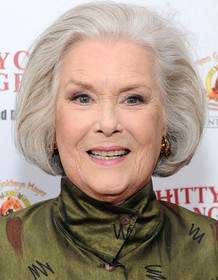
Walter Craig (Sally Ann Howes)
Played by Sally Ann Howes
Walter is an architect plagued by recurring nightmares and premonitions, which suggest a troubled mind or a connection to supernatural forces. His visions drive the story, reflecting themes of guilt and fate. His journey culminates in a confrontation with his subconscious fears.
- 🤔 Dreamer
- 🧠 Intellectual
- 😱 Anxious
- EF
Elliot Foley (Roland Culver)
Played by Roland Culver
Foley is the host who invites Walter into the country cottage, serving as the narrative’s connector. His calm demeanor contrasts with the unsettling stories shared, embodying the hospitable but mysterious figure that anchors the setting.
- 🏡 Host
- 👔 Calm
- 🤝 Mysterious
- HG
Hugh Grainger (Peggy Bryan)
Hugh is a racing driver haunted by a premonition of death, which manifests eerily during his hospital stay. His story embodies themes of fate and sudden tragedy, illustrating how past or subconscious fears can influence reality.
- 🏎️ Racer
- 😨 Fearful
- ⚰️ Fatalistic
- JC
Joan Cortland (Googie Withers)
Played by Googie Withers
Joan narrates a story involving a mysterious mirror that reveals a tragic murder and leads to violence. Her character explores the destructive power of obsession and the supernatural effects of cursed objects.
- 💎 Mysterious
- 🪞 Supernatural
- 💔 Tragic
- MF
Maxwell Frere (Michael Redgrave)
Played by Michael Redgrave
A ventriloquist whose dummy, Hugo, seems to act independently, symbolizing externalized mental struggles. His encounters with Hugo explore themes of identity, possession, and madness.
- 🎭 Performer
- 🗣️ Ventriloquist
- 🧟♂️ Haunted
Where and When Is Dead of Night Set?
Dead of Night is set in Kent and England (Contemporary (likely mid-20th century)). Here is why the time and place matter to the story.
When
Contemporary (likely mid-20th century)
The events occur in a modern period, suggested by references to automobiles, hospitals, and contemporary clothing. The setting aligns with the era’s technological and social context, yet it explores timeless themes of fear, guilt, and the supernatural.
Where
Kent, England
The movie is set in a secluded country cottage in Kent, an area known for its picturesque landscapes and historic homes. The setting creates an intimate atmosphere, perfect for exploring supernatural and psychological themes. Kent’s quiet charm contrasts with the eerie events that unfold within the cottage.
- 🏞️ Rural
- 🌳 Countryside
- 🏡 Cottage
What Are the Themes of Dead of Night?
3 ideas the story keeps returning to, among them Haunting, Psychology and Death.
-
01
Haunting
The film delves into supernatural hauntings and visions, blurring the line between reality and the supernatural. Guests experience ghostly encounters and visions that hint at unresolved guilt and tragic pasts. The haunting motif emphasizes the inescapable nature of unresolved fears.
-
02
Psychology
The storyline explores psychological themes such as hallucinations, madness, and subconscious fears. Characters’ supernatural experiences often symbolize internal struggles or guilt. The film questions the nature of reality versus perception, emphasizing mental states.
-
03
Death
Death is a central theme, demonstrated through ghostly apparitions, murders, and self-destructive behaviors. Many characters reflect on or are haunted by past deaths, underscoring mortality and the impact of unresolved violence. The narrative explores the lingering influence of mortality on the living.
What Kind of Film Is Dead of Night?
Tense in tone, with slow pacing and a complex story, going by the plot summary.
- Tone
- Tense
- Pacing
- Slow
- Story
- Complex
- Intensity
- High
- Ending
- Ambiguous
An unsettling and claustrophobic anthology horror film that slowly builds dread through interconnected tales of the supernatural, blurring the lines between nightmare and reality with a deeply anxious atmosphere.
- haunting
- unsettling
- dreamlike
- claustrophobic
- anxious
- ominous
- recurring nightmare
- supernatural horror
- psychological torment
- anthology stories
Content notes: murder, suicide, strangulation, psychological breakdown, supernatural horror.
Quiz
How well do you remember Dead of Night? Test yourself on the story.
Where to Watch Dead of Night
Stream it on BFI Player and Chilling, or rent or buy it from Amazon Video and Apple TV Store. US availability and prices from JustWatch.
Stream 12
 BFI Player Amazon Channel
  Chilling
  Cineverse
  Fandor
  Fandor Amazon Channel
  Fawesome
  IndieFlix Shorts Amazon Channel
  Kanopy
  Philo
Philo  Plex
Plex  Plex Channel
  Screambox Amazon Channel




Streaming availability in the US, powered by 


