What Is Moving On About?
The premise of Moving On in 273 words, with nothing given away. The full story follows below.
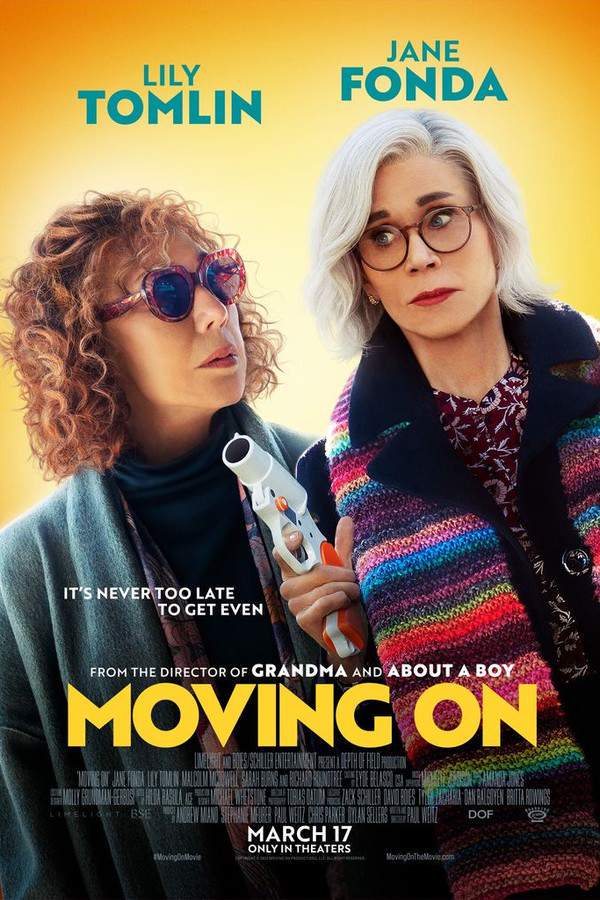
In a world where the past lingers like a quiet after‑glow, Claire (played by Jane Fonda) journeys far from home to attend the funeral of a college confidante. The gathering becomes a catalyst, pulling her back into the orbit of Evelyn (Lily Tomlin), a former roommate whose life has run parallel to Claire’s for decades. Their reunion is steeped in bittersweet nostalgia, seasoned with the unspoken weight of years‑long grievances and the subtle, lingering spark of an old romance that once bound them together.
As the two women stand at the crossroads of memory and present‑day longing, they find themselves drawn into a shared, restless quest. The loss of their mutual friend awakens a long‑buried desire for resolution, directing their attention toward a widower whose actions have haunted them for years. Their determination is not merely about retribution; it is an effort to confront the shadows that have shaped their identities, to test the limits of loyalty, and to see whether the bonds of friendship can survive the strain of a mission that blurs the line between justice and vengeance.
The film unfurls with a tone that balances quiet introspection and a sharp, wry humor, allowing moments of levity to surface amid the heavier undercurrents of grief and unresolved tension. The landscape—ranging from solemn memorials to the intimate spaces of assisted‑living facilities—mirrors the characters’ internal terrain, a mosaic of past love, lingering regrets, and the tentative hope of healing. As Claire and Evelyn navigate old wounds and unexpected connections, the story invites viewers to wonder how far two steadfast friends will go to rewrite the narratives that have defined them for a lifetime.
What Happens in Moving On?
The complete story of Moving On, from the first scene to the last, in 701 words (about 3 minutes). Spoilers throughout. Names in the text link to 4 cast member pages.
Spoilers ahead
Claire, Jane Fonda travels across the country to attend the funeral of her old college friend Joyce. Before the service, she bluntly informs Malcolm McDowell that she intends to kill him this weekend. The admission sets a tense, uneasy mood for the days to come, threading through loyalties, old wounds, and the unsettled business of decades past.
Directly after the service, Claire reconnects with Evelyn, Lily Tomlin who had Joyce as a college roommate and lover. It is revealed that Howard had wronged Claire decades earlier, though the exact nature of the wrong remains unspecified. She remains steadfast in her resolve to see him pay, now that their shared friend is no longer present to mediate or witness what has long festered beneath the surface. The plan to confront Howard intensifies the emotional stakes, pushing both women into decisions they will grapple with long after the wake.
Evelyn initially refuses to help Claire with the plan to kill Howard at the wake. Instead, she heads to her assisted-living facility, creating a divide between their aims and forcing Claire to move forward with the danger on her own—at least for a moment. The tension of the day broadens as the two women navigate fear, memory, and the precarious line between vengeance and justice.
At the wake, Claire reencounters her ex-husband Ralph, Richard Roundtree whom she has not seen in years. Evelyn arrives and outs Joyce by revealing their two-and-a-half-year relationship in NYC, between their junior year and beyond, a confession that unsettles the room and nudges Claire toward leaving the event with Evelyn. The walk away from old rules and public judgment marks a turning point in how both women view their past—and their future.
That evening, Ralph invites Claire home for dinner, where she meets his daughter and two grandsons. Over drinks, he asks why she left him, and she cannot articulate the reason, leaving a silence that feels heavier than the meal. They share a quiet, intimate night together, only for Claire to slip out early in the morning at Evelyn’s request, leaving behind freshly cooked bacon as a small, practical token of a complicated night. The bacon becomes a strange symbol of comfort, complicity, and the odd rituals that bind people in moments of fear and temptation.
As Evelyn’s position shifts, she convinces another resident to loan them a gun by bribing him with the bacon. The weapon turns out to be a flare gun, which she insists will be lethal at close range, a detail that thickens the plot’s already dangerous arc and underscores how improvisation and desperation drive their actions.
Under the guise of meeting to apologize in a park, Claire confronts Howard about the assault, with the flare gun—the only firearm they could obtain—aimed at him. She demands that he acknowledge the past, while the tense exchange makes clear the deep-seated pain that has guided her choices for decades. He collapses in what Claire believes to be a heart attack, and she uses the flare to signal that he needs medical help, a moment that exposes the ambiguity and consequences of their improvised plan.
In the hospital, it becomes clear that Howard’s collapse was not a fatal attack but a non-life-threatening anxiety episode. Claire goes into his room and describes the assault in detail, but he continues to deny it. In a moment of blistering resolve, she attempts to smother him with a pillow, but Evelyn stops her, marking a pivotal turn in their alliance and in the moral weight of their actions.
The final confrontation unfolds in the hospital parking garage, where Howard vents a stream of expletives at the women before he stumbles into the path of another driver and dies. The accident-like death reframes the entire sequence of events, leaving the truth of the past interwoven with chance, fate, and the unpredictable outcomes of pursuit and retaliation.
After Howard’s funeral, Claire reconnects with Ralph, now seemingly open to continuing their relationship, suggesting a potential reconciliation and a fragile sense of hope. The film leaves viewers with lingering questions about forgiveness, the long shadows of previous traumas, and how late-life decisions can redefine one’s sense of self, loyalty, and the possibility of renewed companionship.
Moving On Timeline: Every Key Event in Order
11 key events in the order they happen, from “Claire leaves home to attend Joyce's funeral” to “Howard's funeral and a tentative new start for Claire”. 11 events name a place, across 10 locations.
- 1
Claire leaves home to attend Joyce's funeral
Claire hugs her daughter and grandchildren goodbye, then entrusts her beloved corgi to them before traveling across the country. She heads toward Joyce's funeral with a sense of purpose that foreshadows the weekend ahead. The journey marks the start of a long, emotionally charged sequence of events.
Where:Home
- 2
Claire bluntly tells Howard she intends to kill him this weekend
Before the funeral service begins, Claire approaches Joyce's widower Howard and plainly states that she plans to kill him that weekend. The confession is abrupt and chilling, establishing a volatile undertone for the events to follow. Howard's reaction is evasive, keeping the true stakes unseen for the moment.
When:Before funeral service Where:Joyce's funeral venue
- 3
Joyce's funeral service and wake reveal the past
Joyce's funeral service proceeds with quiet ceremony, followed by the wake where emotions run high. Claire reconnects with Evelyn, Joyce's former roommate and lover, and it is revealed that Howard had wronged Claire decades earlier. Fueled by Joyce's memory, Claire resolves to see justice in her own hands now that their friend is gone.
Where:Joyce's funeral/wake
- 4
Evelyn refuses to help and returns to the assisted-living facility
Evelyn initially refuses to assist Claire with carrying out the plan, wary of the danger and consequences. She leaves the wake and heads back to her assisted-living facility, setting up a longer arc of internal conflict. The pair's alliance becomes tentative, continuing to drift amid shifting loyalties.
When:After wake Where:Assisted-living facility
- 5
Claire reconnects with ex-husband Ralph at the wake
Claire runs into Ralph, her ex-husband, at Joyce's wake after years apart. Evelyn uses the moment to expose Joyce's two-and-a-half-year relationship in NYC, prompting the two women to leave together. The reunion adds personal complexity to Claire's quest and deepens the tension on the night.
When:During wake Where:Joyce's wake
- 6
Ralph invites Claire home for dinner and a risky reunion
That evening, Ralph invites Claire to his home for dinner. She meets his daughter and two grandsons and they share drinks, leading to a charged, romantic mood. They sleep together, but Claire slips away in the morning at Evelyn's request, adding another layer of secrecy to her plans.
When:Evening to morning Where:Ralph's house
- 7
Evelyn secures a gun the bacon-bribery way
Evelyn changes her mind about helping with the killing and coerces another resident into loaning his gun by bribing him with bacon. The gun turns out to be a flare gun, which they believe will be lethal at close range. The plan solidifies as they prepare for the confrontation.
When:Night Where:Assisted-living facility
- 8
Park confrontation: a demand for accountability with a flare gun
Under the guise of apologizing, Claire corners Howard in a park and demands that he admit to the assault from decades earlier. She aims the flare gun at him, but he collapses as if struck by a heart attack. Claire improvises, signaling for medical help rather than delivering the fatal shot.
When:Daytime Where:Park
- 9
Hospital confrontation: denial, attempt, and intervention
In the hospital, Howard's supposed heart attack is reframed as an anxiety episode. Claire confronts him in his room, detailing the alleged assault, but he continues to deny it. She then attempts to smother him with a pillow, but Evelyn intervenes to stop her, escalating the conflict further.
Where:Hospital room
- 10
Final confrontation in the hospital parking garage
The trio faces off in the hospital parking garage, with Howard blasting expletives at the women. In the chaos, he strides into the path of an oncoming car and dies in the resulting crash. The incident ends the immediate danger but leaves unresolved tensions in the wake of his death.
Where:Hospital parking garage
- 11
Howard's funeral and a tentative new start for Claire
Howard's funeral brings the weekend to its quiet close, bringing closure to some chapters and new uncertainty to others. Claire reconnects with Ralph after the events, signaling that she is ready to pursue a potential ongoing romance again. The film closes on a note of ambiguous healing as the past lingers.
Where:Funeral home / cemetery
Who Are the Main Characters in Moving On?
6 characters, among them Claire, Howard and Evelyn: who each one is and the part they play in the story. Every profile links to the actor’s page.
-

Claire
Played by Jane Fonda
Claire is a self-possessed, emotionally scarred woman who travels to attend the funeral with a single, dangerous plan in mind. She is calculating, but the weekend reveals her vulnerabilities and a longing for closure through confronting the past.
- 🧭 Driven
- 🗡️ Vengeful
- 💔 Wounded
-
Howard
Played by Malcolm McDowell
Joyce's widower, a man whose past actions are called into question. He falters under pressure, denies the assault, and experiences anxiety that manifests during the hospital scenes. His confrontation with Claire exposes a fragile, flawed self.
- 🌀 Accused
- 🧱 Defensive
- 😶 Contested
-

Evelyn
Played by Lily Tomlin
Joyce's former roommate and lover, Evelyn shifts between wary ally and reluctant participant. She negotiates moral lines, ultimately using whatever means she can to influence the outcome, including bribery to obtain a weapon.
- 🤝 Ambivalent
- 🧠 Cunning
- 💬 Loyal
-
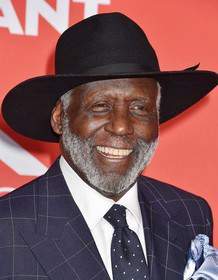
Ralph
Played by Richard Roundtree
Claire's ex-husband, an older man who forms a romantic link with Claire again during a dinner. He embodies memory and reconciliation, yet remains part of the web of unresolved history that fuels the weekend's tensions.
- 💑 Aging
- 🕰️ Memory
- 🔒 Tension
- J
James
Played by Marcel Nahapetian
One of Ralph's grandsons who appears in the family dinner sequence, representing the next generation caught in the web of adult history. His presence anchors the family dynamics as past grievances echo into the present.
- 👪 Family
- 🕯️ Innocence
- JD
James' Dad
Played by Eddie Martinez
The father of James, a man who lends the gun for the plan. His role underscores the casual accessibility of violence within the family milieu and the precarity of trust.
- 🧰 Resourceful
- 🗝️ Complicit
Where and When Is Moving On Set?
Moving On is set in Joyce's funeral wake, Claire's home, Hospital, Assisted-living facility, Park… (Contemporary era). Here is why the time and place matter to the story.
When
Contemporary era
The events take place in the present day over a single weekend surrounding Joyce's funeral. Settings like a wake, a hospital, and family homes ground the drama in modern life, with aging and mortality shaping the characters' choices. The pacing concentrates tension into a tight temporal frame rather than a sprawling timeline.
Where
Joyce's funeral wake, Claire's home, Hospital, Assisted-living facility, Park, Ralph's home
The story moves across several settings tied to the funeral and its aftermath: the wake where old relationships surface, a hospital where the crisis unfolds, Claire's home, and the park where confrontations occur. We also see an assisted-living facility where Evelyn resides and Ralph's house where dinner and memories mingle. These spaces shift from public ceremony to intimate, personal rooms, highlighting aging, memory, and the cost of unresolved pain.
- 🎭 Drama
- 🕊️ Grief
- 🏥 Hospital
- 🏡 Domestic Drama
What Are the Themes of Moving On?
5 ideas the story keeps returning to, among them Revenge, Grief and Truth & Denial.
-
01
Revenge
Claire's plan to confront her past through violence drives the story, raising questions about revenge and its moral costs. The attempt to turn back time by harming Howard exposes the limits and dangers of settling scores. The film probes whether vengeance can lead to catharsis or merely deepen wounds and retaliation.
-
02
Grief
Joyce's death acts as the catalyst for the weekend's drama, forcing characters to confront loss and unspoken histories. Memory and longing haze present actions, blurring lines between justice and retaliation. The wake becomes a space where grief is channeled into difficult choices among old friends.
-
03
Truth & Denial
Howard's denial of the assault contrasts with Claire's relentless retelling of what happened, highlighting how memory and storytelling shape accountability. The hospital confrontation tests who gets to define the past. The tension arises from competing versions of reality and the consequences of blind denial.
-
04
Female Solidarity
Claire and Evelyn's alliance shows how female friendship can shift from complicity to conflict. Their collaboration to obtain a weapon reveals loyalty that is both protective and perilous. The relationship evolves as fear, anger, and care mingle under pressure.
-
05
Contemporary Morality
The film examines modern attitudes toward aging, consent, and justice without clear answers. Characters navigate ethical gray zones where blame, forgiveness, and self-preservation clash. The weekend's events force a reckoning with who deserves accountability and what it costs to confront it.
What Kind of Film Is Moving On?
Bittersweet in tone, with steady pacing and a straightforward story, going by the plot summary.
- Tone
- Bittersweet
- Pacing
- Steady
- Story
- Straightforward
- Intensity
- Medium
- Ending
- Bittersweet
A darkly humorous and reflective drama about two older women confronting a traumatic past, blending tense confrontations with moments of quiet connection and bittersweet resolution.
- darkly humorous
- reminiscent
- tense
- cathartic
- reflective
- uncertain
- revenge
- aging
- friendship
- unresolved trauma
Content notes: sexual assault, attempted murder.
Quiz
How well do you remember Moving On? Test yourself on the story.