What Is Me Shivajiraje Bhosale Boltoy About?
The premise of Me Shivajiraje Bhosale Boltoy in 326 words, with nothing given away. The full story follows below.
In the bustling streets of Mumbai, a city that wears its cosmopolitan veneer like a second skin, the pulse of countless cultures mingles amid honking taxis and crowded markets. Yet beneath the glittering skyline lies a quiet tension, a sense that the original heartbeat of Maharashtra has been muffled by the roar of rapid modernity. The film paints this urban tapestry with a blend of gritty realism and wistful nostalgia, inviting viewers to feel the city’s contradictions—its boundless opportunity shadowed by the yearning for a rooted identity.
Dinkar Maruti Bhosle, a modest bank clerk, carries the weight of this yearning on his shoulders. Every day he navigates the same commuter crowds, yet the world seems to look past him, favoring strangers and newer faces. His frustration is palpable, a mix of personal disappointment and collective grief that the Marathi voice he cherishes is being drowned out. Through his eyes, the audience experiences a man caught between reverence for his heritage and the disorienting pressure to adapt, his inner monologue echoing the silent pleas of a community that feels increasingly invisible.
When his exasperation reaches a fevered pitch, the atmosphere shifts as the spirit of Shivaji Maharaj stirs from the historic hills of Pratapgad. The iconic figure, rendered with a blend of mythic gravitas and stark realism, confronts Dinkar not as a distant idol but as a living challenge to his complacency. Their encounter crackles with a tone that is both confrontational and compassionate, turning the city’s cacophony into a stage for a timeless dialogue about pride, responsibility, and the true cost of self‑respect.
The film teeters between satire and sincerity, using Mumbai’s restless energy to explore deeper questions of cultural continuity. As Dinkar grapples with the formidable presence that has been summoned by his own lament, the story hints at a journey of introspection—an invitation to examine whether reverence for one’s roots should arise from entitlement or from the earnest effort to keep that heritage alive.
What Happens in Me Shivajiraje Bhosale Boltoy?
The complete story of Me Shivajiraje Bhosale Boltoy, from the first scene to the last, in 327 words (about 1 minute). Spoilers throughout. Names in the text link to 2 cast member pages.
Spoilers ahead
Dinkar Maruti Bhosale, Sachin Khedekar, is a Maharashtrian bank clerk who works in cosmopolitan Mumbai yet aches for a sense of Marathi identity to stay alive in the city. He feels that while Mumbai sits in Maharashtra, there is “no Maharashtra left in Mumbai,” and he often voices that Maharashtrians aren’t given the respect they deserve. This sense of being overlooked colors his everyday interactions, and he begins to recognize that his own grievances may be feeding a cycle of resentment rather than any real solution to the problem.
In a moment of mounting frustration, Dinkar voices a painful self-reckoning, cursing the very fact of being born Marathi and musing that his ancestors must have sinned to grant him this identity. The outbursts aren’t just a private grievance—they set in motion a bigger reckoning that travels beyond his own life and into the myths and memories of a regional legacy.
The disturbance reaches Pratapgad, and the spirit of Shivaji Maharaj, Mahesh Manjrekar, is awakened. The revered leader appears as a stern, uncompromising presence, furious at the shallow thinking and the resentment that have clouded Dinkar’s pride. He makes it clear that respect must be earned through action and character, not demanded through grievance, and he casts blame on the very mindset that has contributed to the perceived decline of Marathi pride. The confrontation carries a weighty, admonitory charge, emphasizing inner reflection over outward blame.
“Before blaming other communities for your shortcomings, look within and see if you have done anything to keep the Marathi pride intact,” he roars.
This charge leaves Dinkar at a crossroads. Will the encounter catalyze real change, or will old habits persist in shaping his future? The film moves toward a restrained, symbolic conclusion in which Dinkar, now bearing the Bhonsle name with renewed humility, returns the sword at the shrine of Shivaji I, signaling a reinstated sense of responsibility toward Marathi pride and a quieter, more personal reconciliation with his own identity.
Me Shivajiraje Bhosale Boltoy Timeline: Every Key Event in Order
12 key events in the order they happen, from “Dinkar's Marathi identity crisis in Mumbai” to “Heritage reframed as duty”. 8 events name a place, across 4 locations.
- 1
Dinkar's Marathi identity crisis in Mumbai
Dinkar Maruti Bhosale, a Maharashtrian bank clerk in cosmopolitan Mumbai, feels his Marathi identity is fading. He believes Mumbai remains in Maharashtra, but Marathi pride has vanished from the city. He complains that Maharashtrians are not respected and feels victimized because of his heritage.
Where:Mumbai
- 2
The grievance about respect in the city
Dinkar vents about the lack of respect Maharashtrians receive in Mumbai, blaming others for his sense of victimhood. The narrative shows his grievance as a personal crusade rather than an invitation to self-reflection. This setup frames his identity crisis as a personal dilemma rather than a communal cure.
Where:Mumbai
- 3
A moment of rage: curses being Marathi
In a day of mounting frustration, Dinkar curses himself for being born Marathi. He mutters that his ancestors must have committed a crime to assign him this identity. The moment marks a reckless pivot from complaint to a public outburst.
Where:Dinkar's home, Mumbai
- 4
Spirit of Shivaji awakens at Pratapgad
Dinkar's outbursts reach Pratapgad, and the spirit of Chhatrapati Shivaji Maharaj awakens. The encounter signals that a higher moral reckoning is at play in his personal crisis. Pratapgad becomes the stage for a stern, otherworldly rebuke.
Where:Pratapgad Fort
- 5
Shivaji confronts Dinkar
Shivaji Maharaj appears as a seething spirit and rebukes Dinkar for shallow thinking about pride and identity. He confronts him with fury, demanding a reevaluation of what true respect entails. The encounter makes it clear that grievance alone cannot restore honor.
Where:Pratapgad Fort
- 6
Command respect, don't demand it
Shivaji tells Dinkar to command respect rather than demand it, blaming his mindset for the Maharashtrian misfortunes. He argues that pride must be earned through actions, not through grievances. The rebuke reframes the source of honor as internal discipline.
Where:Pratapgad Fort
- 7
Dinkar's realization begins
Dinkar realizes his mistake but wonders whether Shivaji's thought will actually spur him to change. He experiences an inner struggle between resentment and responsibility. The moment raises the question of whether a spiritual confrontation can catalyze real reform.
Where:Pratapgad Fort
- 8
Transformation begins to take shape
The story hints that a transformation may be underway as Dinkar contemplates a shift from complaint to conduct. He begins to internalize the message that respect must be earned. The focus shifts from blame to personal growth.
- 9
A path toward rectifying behavior
With the awakening, Dinkar demonstrates an intent to rectify his behavior and attitude toward his Marathi identity and others. He understands that respect is earned through actions, not sentiment. The narrative threads a path from internal struggle to outward change.
- 10
Climax: return of the sword at Shivaji's shrine
The climax arrives when Bhonsle returns the sword at the shrine of Shivaji I, signaling reconciliation and responsibility. The act embodies a new commitment to Marathi pride grounded in humility. It marks the film's resolution of the central conflict.
Where:Shrine of Shivaji I
- 11
The moral core of the tale
The film frames the conflict as a critique of hollow pride without substance. Shivaji's intervention acts as a catalyst for personal responsibility. The ending implies that true dignity comes from character and conduct, not grievance.
- 12
Heritage reframed as duty
An undercurrent of ancestral lineage is reframed as duty rather than mere identity. Shivaji's rebuke asks Marathi people to live up to their heritage through actions. The resolution suggests that communal pride requires inner reform before outward sanctions.
Who Are the Main Characters in Me Shivajiraje Bhosale Boltoy?
2 characters, among them Shivaji Maharaj (Mahesh Manjrekar) and Dinkar Bhosale (Sachin Khedekar): who each one is and the part they play in the story. Every profile links to the actor’s page.
-
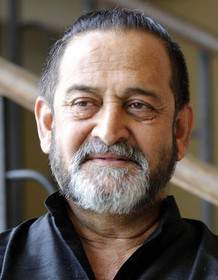
Shivaji Maharaj (Mahesh Manjrekar)
Played by Mahesh Manjrekar
Shivaji Maharaj appears as a spectral mentor who challenges Dinkar’s self-pity and shallow thinking. He embodies the warrior ethic and demands that pride be earned through discipline, courage, and action. His stern but constructive guidance forms the moral core of the story and sets Dinkar on a path to true respect. The encounter reframes Marathi pride as duty to community and heritage.
- 🗡️ Warrior Code
- 🧭 Moral Compass
- 👑 Leadership
-
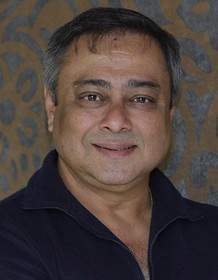
Dinkar Bhosale (Sachin Khedekar)
Played by Sachin Khedekar
A Maharashtrian bank clerk who feels his identity fading in the city. He vents frustration and feels victimized for his cultural roots. The supernatural intervention forces him to confront his attitude and learn to earn respect through action rather than complaint. His journey anchors the film’s test of personal transformation.
- 💬 Inner Conflict
- 🧭 Identity
- 🌆 Urban Life
Where and When Is Me Shivajiraje Bhosale Boltoy Set?
Me Shivajiraje Bhosale Boltoy is set in Mumbai, Maharashtra, Pratapgad Fort and Maharashtra (Present day). Here is why the time and place matter to the story.
When
Present day
The events unfold in contemporary India, within the urban landscape of Mumbai. The film uses a current-day setting to explore ongoing debates about regional pride and cultural identity in a global city. This timeframe highlights how tradition and modernity intersect in everyday life.
Where
Mumbai, Maharashtra, Pratapgad Fort, Maharashtra
Set in modern Mumbai, the film spotlights a bustling metropolis where cosmopolitan life clashes with traditional Marathi pride. The story also invokes Pratapgad Fort as a symbolic reference to Shivaji’s legacy, anchoring the cultural stakes within Maharashtra. The contrast between urban anonymity and regional identity drives the film’s central conflict and redemption arc.
- 🎭 Drama
- 🌆 Urban Life
- 🗺️ Cultural Heritage
What Are the Themes of Me Shivajiraje Bhosale Boltoy?
3 ideas the story keeps returning to, among them Identity, Heritage and Duty vs Pride.
-
01
Identity
Identity is tested as Dinkar feels his Marathi roots erode in a cosmopolitan city. The awakening of Shivaji’s spirit prompts a confrontation with self-doubt and pride. The film argues that true identity comes from internal values and earned respect, not external labels. Through this conflict, characters are urged to reflect on what it means to be Marathi in a modern world.
-
02
Heritage
Heritage is presented as a living force that guides behavior and choices. The legacy of Shivaji’s values is shown to demand humility, duty, and service to the community. The shrine imagery and ancestral memory connect personal growth with cultural memory. The narrative suggests that cultural pride should translate into responsible action.
-
03
Duty vs Pride
Duty is depicted as a path to earned respect, not a demand from others. Shivaji’s challenge to Dinkar centers on choosing action over grievance. The film frames pride as something that must be justified through conduct and courage. The resolution emphasizes that true honor comes from doing what is right, not merely claiming it.
What Kind of Film Is Me Shivajiraje Bhosale Boltoy?
Hopeful in tone, with steady pacing and a straightforward story, going by the plot summary.
- Tone
- Hopeful
- Pacing
- Steady
- Story
- Straightforward
- Intensity
- Medium
- Ending
- Happy
A thought-provoking drama that follows a frustrated man's spiritual confrontation with a historical icon, leading to a hopeful journey of self-reflection and renewed cultural pride.
- frustrated
- awakening
- confrontational
- hopeful
- prideful
- reflective
- identity crisis
- cultural pride
- self realization
- historical figure
Content notes: racial/ethnic prejudice, self-hatred.
Quiz
How well do you remember Me Shivajiraje Bhosale Boltoy? Test yourself on the story.