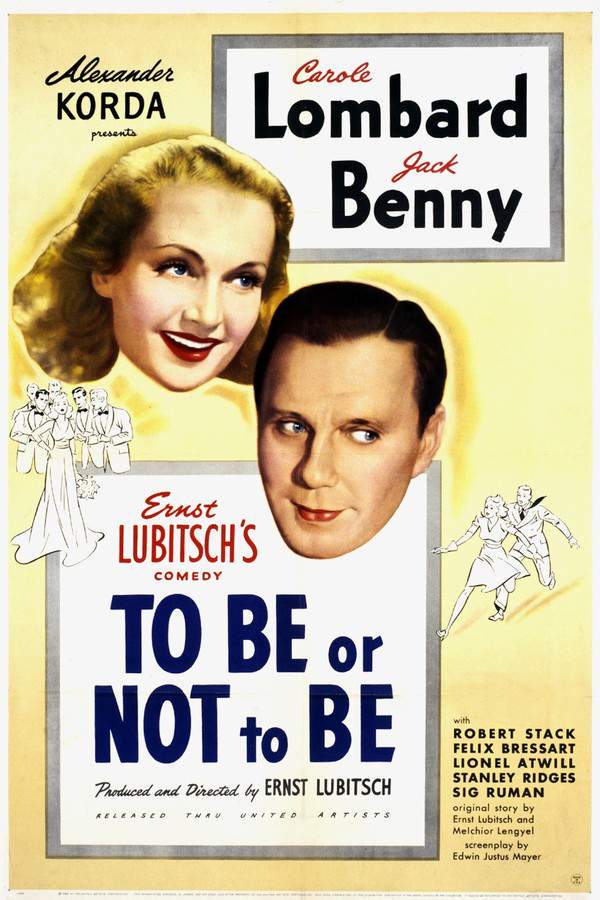
What Is Me and the Colonel About?
The premise of Me and the Colonel in 270 words, with nothing given away. The full story follows below.
In the waning days of the German onslaught on France, Paris teeters on the brink of surrender. Amid the hurried exodus, S. L. Jacobowsky—a quick‑witted Jewish refugee—finds himself stranded in a city that is quickly becoming a battlefield of bureaucracy and fear. Across the street, Colonel Prokoszny, a disciplined Polish officer bound by duty, is equally desperate to move northward, seeking a path to safety that seems ever more elusive. Both men are thrust together by circumstance, setting the stage for a reluctant partnership that must navigate a continent shrouded in uncertainty.
Jacobowsky brings an unflagging optimism and a knack for improvisation, constantly turning scarcity into opportunity with a smile that borders on mischief. Prokoszny, by contrast, is haunted by a rigid sense of honor and the weight of his responsibilities, making his initial resistance to the refugee’s schemes palpable. The dynamic shifts when Suzanne Roualet, the colonel’s poised fiancée, crosses their path. Her immediate rapport with Jacobowsky creates an unexpected tension that tests loyalties, yet also hints at the possibility of common ground amidst chaos. Together, the trio embodies a blend of humor, nervous energy, and quiet bravery that defines the film’s tone.
Against a backdrop of occupied towns, hurried trains, and the ever‑present shadow of advancing troops, the three set out on a precarious journey toward the unknown north. Their trek becomes a study in how disparate personalities can forge an uneasy alliance when survival is at stake. The story balances light‑hearted banter with the palpable dread of wartime Europe, inviting viewers to wonder how far strangers will go for each other when the world around them unravels.
What Happens in Me and the Colonel?
The complete story of Me and the Colonel, from the first scene to the last, in 713 words (about 3 minutes). Spoilers throughout. Names in the text link to 7 cast member pages.
Spoilers ahead
Danny Kaye as S. L. Jacobowsky is a resourceful Jewish refugee in Paris just as Nazi forces march into France. With the city about to fall, he races to secure a way out while maneuvering through a tense web of loyalties and hidden agendas. The other key thread follows Polish diplomat Dr. Szicki, Ludwig Stössel, who entrusts secret information to Colonel Prokoszny, Curd Jürgens, with a strict deadline that must reach London. The two men, fatefully connected by a single vial of time, set the stage for a nerve-wracking road trip that blends danger, humor, and human cunning.
The plan quickly goes awry and then snaps into motion when Prokoszny commandeers the car Jacobowsky has secured—thanks to the driver’s foresight about gasoline, a small mercy that buys them a shared ride. Along for the ride is Szabuniewicz, Akim Tamiroff, the colonel’s loyal orderly, and a budding dash of improvisation as the unlikely quartet hurtles southward through a country in turmoil. Their first major stop is Reims, not far from the advancing German lines, where the colonel intends to retrieve his girlfriend, Suzanne Roualet, Nicole Maurey. Suzanne’s path crosses with Major Von Bergen, Alexander Scourby, who can’t help but be drawn to her, adding a dangerous layer to an already precarious escape.
As they slip deeper into danger, a complicated trio dynamic unfolds. Jacobowsky’s wit and audacity clash with Prokoszny’s rigid sense of duty, while Szabuniewicz’s quiet, steadfast presence keeps the group from tearing apart. Jacobowsky’s charm slowly wins Suzanne, and at a crucial pit stop the resourceful refugee manages to flatter a proud, royalist owner at a chateau by spinning a tale that the colonel would become the monarch of a liberated France. The ruse buys them comfortable lodgings, but it also brings a reckoning: a drunken duel threat from Prokoszny that Jacobowsky deftly defuses, illustrating the film’s signature blend of humor and high-stakes peril.
When the Germans, led by Von Bergen, overrun the chateau, the four must flee again. A compassionate turn comes from a Mother Superior, Martita Hunt, whose quiet intervention helps them shake off their pursuers and keep faith with their precarious plan to reach safety. The escape reaches a tense crescendo at a prearranged rendezvous with a British submarine, where hope finally hinges on a tight balance of luck and loyalty. The submarine commander reveals a harsh reality: there is room for only two aboard.
Suzanne makes a selfless choice that upends expectations. She has the colonel and Jacobowsky go ahead, while she and Szabuniewicz stay behind to resist the invasion in their own way. The moment is weighted with courage and self-sacrifice, underscoring the film’s recurring theme: peace and safety often demand the willingness to risk everything for others.
The final act delivers a sharp turn of irony and warmth. Just as Jacobowsky and Prokoszny board the submarine, the colonel realizes that he forgot the secret documents back with the car. With quick finesse, Jacobowsky retrieves the papers from a hidden scarf and delivers them to the colonel in a way that defuses the tension and reaffirms their unlikely alliance. In a closing line that underscores the film’s spirit, Prokoszny admits, with an uncharacteristic soft edge, “More and more I like this Jacobowsky.”
More and more I like this Jacobowsky
Across its brisk tempo and deft tonal shifts, the film threads a portrait of resilience under pressure. It pairs sharp dialogue with moments of genuine tenderness, letting humor arise from the clash of personalities while never diminishing the gravity of the stakes. The cast—led by Danny Kaye as S. L. Jacobowsky and Curd Jürgens as Colonel Prokoszny—moves with a rhythm that sustains suspense and warmth alike. The ensemble, including Akim Tamiroff as Szabuniewicz and Nicole Maurey as Suzanne Roualet, weaves a tapestry of loyalties, jokes, and acts of quiet bravery that stay true to the period’s peril while offering a hopeful note about human connection in dark times. The plot’s various twists—car repossession turned reluctant partnership, a chateau’s temporary refuge, a standoff with occupying forces, and a final, bittersweet compromise—all converge in a satisfying, character-driven arc that feels both timeless and distinctly of its era. The film remains a testament to ingenuity, courage, and the surprising ways people can find common ground when the world seems perilously unglued.
Me and the Colonel Timeline: Every Key Event in Order
14 key events in the order they happen, from “Jacobowsky secures a car from the chauffeur” to “Jacobowsky reveals the documents; the alliance endures”. 14 events name a place, across 12 locations.
- 1
Jacobowsky secures a car from the chauffeur
Jacobowsky, a resourceful Jewish refugee, manages to acquire a car from the absent Baron Rothschild's chauffeur, giving him crucial mobility. The purchase marks the first step in a desperate plan to flee the advancing German army. With the car in hand, he begins shaping the journey ahead.
When:May 1940 Where:Paris
- 2
Colonel Prokoszny requisitions the car
Colonel Prokoszny requisitions the car, intending to use it for his mission to deliver secret papers. He quickly discovers that Jacobowsky's wit and the car’s limited fuel complicate the seizure, forcing an uneasy collaboration. The fragile alliance is born out of necessity rather than trust.
When:May 1940 Where:On the road out of Paris
- 3
The trio departs towards Reims with Szabuniewicz
The ill-matched duo—Prokoszny and Jacobowsky—set off with Szabuniewicz, their orderly, driving away from Paris as German forces press inward. They head toward Reims, trying to stay ahead of the Wehrmacht. The escape hinges on the car’s speed and a growing, reluctant camaraderie.
When:May 1940 Where:Outskirts of Paris, en route to Reims
- 4
Approaching Reims to pick up Suzanne Roualet
The group reaches Reims to collect Suzanne Roualet, a French innkeeper's daughter, whose fate could influence their chances of crossing the border. Major von Bergen's attention to Suzanne foreshadows danger, though he is called away before contact is made. The detour intensifies the tension as the escape continues southward.
When:May 1940 Where:Reims
- 5
Suzanne attracts Major von Bergen's attention
Suzanne's presence catches Major von Bergen's eye, creating a dangerous distraction as the group tries to stay hidden from the advancing German forces. He is pulled away before meeting her, leaving the immediate threat behind for the moment. The dynamic adds personal stakes to the political crisis.
When:May 1940 Where:Reims
- 6
Jacobowsky falls in love with Suzanne
While fleeing south, Jacobowsky falls in love with Suzanne, complicating his previously practical motives. His feelings tug him between loyalty to Prokoszny and care for Suzanne, shaping decisions along the road. The romantic undercurrent deepens the drama of their perilous journey.
When:May–June 1940 Where:On the road south from Reims toward the Loire
- 7
Jacobowsky secures lodging at a château by deception
At a stop, Jacobowsky persuades a proud château owner that unoccupied France will become a monarchy led by Prokoszny, winning them lodging for the night. The deception buys them shelter but also invites new tensions within the caravan. The owner’s Royalist pride mirrors the fragile political fantasy surrounding their escape.
When:May–June 1940 Where:A château in the countryside
- 8
A drunken duel challenge and de-escalation
Inside the château, a drunken Prokoszny challenges Jacobowsky to a duel, testing the limits of their fragile alliance. Jacobowsky defuses the confrontation with humor and tact, avoiding bloodshed and preserving at least a tenuous cooperation. The moment underscores how luck and wit keep them moving forward.
When:Evening at the château Where:The château
- 9
Germans occupy the château; escape continues
Germans under Major von Bergen occupy the château, forcing the group to flee in a panic. They barely break away as the invaders tighten their hold on the countryside. The capture marks a turning point that deepens their desperation to reach safety.
When:Late afternoon Where:The château, France
- 10
Mother Superior helps them shake pursuit; submarine rendezvous
A sympathetic Mother Superior offers aid, helping them shake off pursuit as they race toward a prearranged rendezvous with a British submarine. The plan represents their best hope of escaping occupied Europe by sea. The act of mercy alters the members' resolve and accelerates their departure.
When:Evening Where:Near the coast, France
Show the other 4 events of Me and the Colonel Hide the last 4 events
- 11
Two spots only: the submarine search and choice
At the submarine, a commander informs them that there is room for only two passengers. Suzanne persuades Prokoszny and Jacobowsky to take the last seats, while she and Szabuniewicz stay behind to fight in their own way. The decision crystallizes the personal sacrifice at the heart of the escape.
When:Moment of boarding Where:British submarine off the coast
- 12
Suzanne and Szabuniewicz stay behind to resist
Suzanne and Szabuniewicz stay behind to resist the invaders in their own way, choosing to risk everything to delay the German advance. They prepare to fight from the shore or any remaining outposts as the others sail away. Their sacrifice highlights the personal stakes in the broader war.
When:Just as the others depart Where:On shore near the submarine rendezvous
- 13
Prokoszny realizes the documents are missing
Just after boarding, Prokoszny panics when he realizes he doesn't have the secret documents on him. The danger of failure suddenly becomes real, threatening the mission and their safety. The tension peaks as he searches for the missing papers on the moving vessel.
When:Moment after boarding Where:On the submarine
- 14
Jacobowsky reveals the documents; the alliance endures
Jacobowsky reveals the secret documents hidden in his scarf, ensuring the mission's continuation and revealing his cunning under pressure. Prokoszny, mollified, concedes that he likes Jacobowsky more and more, ending the film on a note of reluctant respect. The exchange seals a fragile alliance born out of necessity.
When:Final moment on board Where:On the submarine
Who Are the Main Characters in Me and the Colonel?
9 characters, among them S. L. Jacobowsky (Danny Kaye), Colonel Prokoszny and Szabuniewicz (Akim Tamiroff): who each one is and the part they play in the story. Every profile links to the actor’s page.
- SL
S. L. Jacobowsky (Danny Kaye)
Played by Danny Kaye
A resourceful Jewish refugee who has survived the Nazis before, Jacobowsky relies on wit and improvisation to navigate danger. He is quick-thinking, charming, and adaptable, turning obstacles into opportunities—like securing a car from the baron's chauffeur. His growing care for Suzanne and pragmatic approach to survival reveal a complex, humane strategist beneath the surface. Throughout the journey, he proves capable of loyalty and bold decisions when lives are at stake.
- 🧭 Resourceful
- 🧠 Clever
- 🤝 Loyal
- CP
Colonel Prokoszny
Played by Curd Jürgens
An antisemitic, autocratic Polish colonel who requisitions the car and treats people as tools to achieve his secret mission. His rigid authority and aggressive demeanor spark constant conflict with Jacobowsky’s improvisation, forcing uneasy cooperation. Under pressure, his pride wobbles as he witnesses loyalty and cunning in others. The pursuit and near-duel reveal a stubborn man who is gradually forced to confront his own humanity.
- 🔒 Authoritarian
- 🧠 Calculating
- 🤝 Complex
-
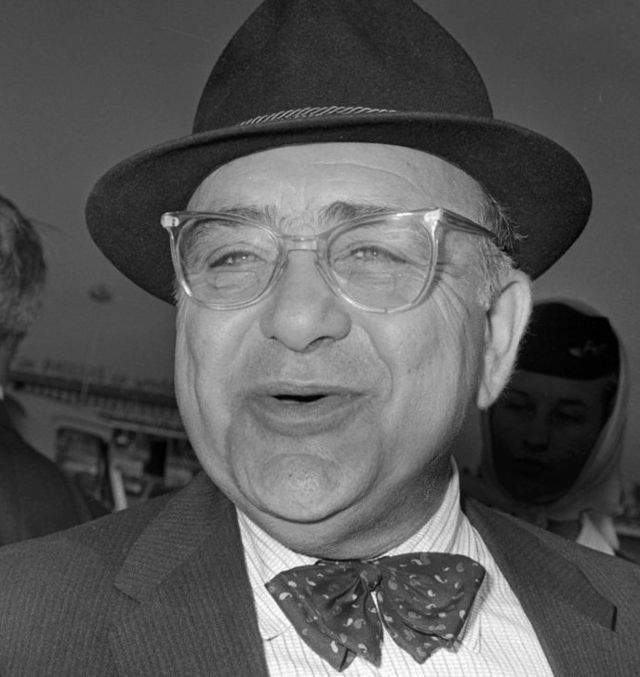
Szabuniewicz (Akim Tamiroff)
Played by Akim Tamiroff
The colonel’s loyal orderly, Szabuniewicz accompanies the group with quiet efficiency. He embodies disciplined pragmatism and a sense of duty, remaining steadfast even as plans shift around him. His role grows through the escape, revealing a shrewd, capable assistant who helps navigate dangerous moments. He transitions from a mere subordinate to a recognized participant in the group’s fortunes.
- ⚔️ Loyal
- 🗺️ Dutiful
- 🧭 Adaptable
- SR
Suzanne Roualet
Played by Nicole Maurey
A French innkeeper’s daughter who becomes entangled with the fugitives’ fate. She attracts the attention of Major von Bergen while developing a bond with Jacobowsky. Her loyalty and independence emerge as she decides to stay behind and fight, choosing agency over escape when the moment arrives. Suzanne’s courage adds a human dimension to the escape plan and a personal stake in the outcome.
- ❤️ Love
- 💪 Resolve
- 🗺️ Independence
- MV
Major Von Bergen
Played by Alexander Scourby
A German officer pursuing the fugitives as they flee south. He embodies the menace of occupation and the allure of authority, initially focused on his own objectives but drawn into the chase by Suzanne. His presence intensifies the danger and accelerates the decision-making under pressure. He represents the relentless force of the invading army in pursuit of strategic gains.
- 🛡️ Military
- 🧭 Ambitious
- 🎯 Pursuer
-
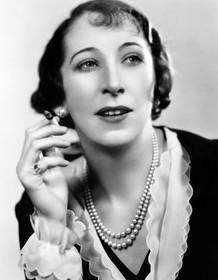
Mother Superior
Played by Martita Hunt
A sympathetic religious figure who aids the fugitives and refuses to abandon them to danger. She embodies mercy and practical courage, helping to create a safe route and providing spiritual support in dire moments. Her presence offers a counterpoint to the cruelty of war, showing that kindness can alter the course of events. Her guidance proves pivotal in shaking off pursuers and enabling a critical escape.
- 🌹 Compassion
- 🙏 Faith
- 🕊️ Mercy
- BR
Baron Rothschild's Chauffeur
Played by Alain Bouvette
The absent baron’s chauffeur who initially enables Jacobowsky to secure a car, highlighting the practical, everyday resources people use to survive. His role underscores how ordinary connections can become lifesaving in wartime. Though not central to the plot, his vehicle becomes the means by which the protagonists begin their difficult journey.
- 🚗 Chauffeur
- 🧑✈️ Loyal
- 🧠 Resourceful
- GC
German Captain
Played by Gérard Buhr
A German officer who anchors the occupying force and frequently represents the threat the fugitives must evade. His presence increases the stakes and heightens the tension of every encounter. He embodies the bureaucratic and martial pressure of the invaders and shapes the fugitives’ decisions through fear and pursuit.
- 🪖 Military
- ⚖️ Authority
- 🗺️ Pursuit
- DS
Dr. Szicki
Played by Ludwig Stössel
Polish diplomat Dr. Szicki, who provides secret information crucial to the mission’s objective. His involvement connects political intrigue with the fugitives’ immediate need for safe passage. He is a practical figure who highlights the broader stakes of wartime diplomacy encroaching on personal survival.
- 🧭 Diplomatic
- 🧠 Strategic
- 🤝 Alliance
Where and When Is Me and the Colonel Set?
Me and the Colonel is set in Paris, Reims and French countryside (château) (World War II, 1940s). Here is why the time and place matter to the story.
When
World War II, 1940s
Set during the early years of World War II, the narrative sits amid the German invasion of France and the rapid collapse of French defenses. Paris falls under occupation, and refugees scramble to reach Allied lines and safe passage. The timeline emphasizes urgent decisions, shifting loyalties, and the fragile hope of escape in a rapidly changing Europe of the 1940s.
Where
Paris, Reims, French countryside (château)
The story unfolds in wartime France, beginning in Paris during the Nazi invasion. The action moves from the city to the open French countryside, passing through a royalist château and rural towns as the group flees south. The pursuit ultimately leads to a rendezvous with a British submarine, highlighting a mix of urban danger and rural escape.
- 🗺️ Paris
- 🏰 Countryside & château
- 🚢 Submarine rendezvous
What Are the Themes of Me and the Colonel?
3 ideas the story keeps returning to, among them Escape & Alliance, Love in Wartime and Morality & Courage.
-
01
Escape & Alliance
In a landscape of danger, strangers are forced to cooperate to survive. Jacobowsky’s improvisation and Prokoszny’s authority clash, yet they must work together to secure a route to safety. The journey tests loyalties and reveals how necessity can override personal enmity. The fragile alliance becomes a vehicle for mutual benefit rather than pure trust.
-
02
Love in Wartime
Jacobowsky’s growing affection for Suzanne creates emotional stakes that complicate practical goals. The stern colonel’s plans are challenged by personal connections and the danger of pursuit. Love provides a counterpoint to calculation and survival instincts, shaping decisions under pressure. Suzanne’s ultimate choice to stay and fight adds a note of agency amid chaos.
-
03
Morality & Courage
A Mother Superior embodies compassion and acts as a moral beacon for the fugitives. The group faces choices that weigh self-preservation against mercy, courage against fear. The pursuit forces moments of integrity, such as risking safety to aid others. The ending underscores that character and mercy can define wartime outcomes as much as victory.
What Kind of Film Is Me and the Colonel?
Hopeful in tone, with fast pacing and a straightforward story, going by the plot summary.
- Tone
- Hopeful
- Pacing
- Fast
- Story
- Straightforward
- Intensity
- Medium
- Ending
- Bittersweet
A brisk and witty war-time escape film that blends tense suspense with character-driven humor, following an unlikely trio's perilous journey and their growing bond amidst constant danger.
- tense
- witty
- resourceful
- unlikely alliance
- hopeful
- daring
- world war ii
- escape and evasion
- clashing personalities
- romantic rivalry
Content notes: war violence, anti-semitism, threat of capture.
Quiz
How well do you remember Me and the Colonel? Test yourself on the story.