
Reunion in France 1942

Directed by
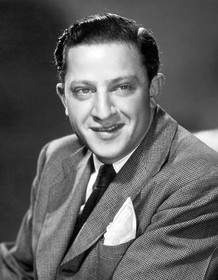
Jules Dassin
Made by

Metro-Goldwyn-Mayer
Where to Watch Reunion in France
See current US streaming, rental, and purchase options for Reunion in France (1942) via JustWatch.







Reunion in France Plot Summary
Read the complete plot summary and ending explained for Reunion in France (1942). From turning points to emotional moments, uncover what really happened and why it matters.
In 1940 in Paris, the story centers around Joan Crawford, who plays [Michele de la Becque], a dedicated career woman deeply in love with Philip Dorn, portraying [Robert Cortot], an accomplished industrial designer. At the outset, their relationship blossoms amid the backdrop of a seemingly carefree and luxurious Parisian lifestyle, as they prepare to tie the knot, oblivious to the looming shadows of World War II.
However, the atmosphere quickly shifts after the Battle of France, bringing the German occupation of Paris. Michele’s world is turned upside down as she uncovers unsettling truths about her fiancé. She witnesses [Cortot] collaborating with the Nazi regime—socializing with high-ranking officers like General Schroeder, the military commandant of Paris, and SS Gruppenführer, the head of the Gestapo in the region. These revelations crush her hopes, especially when she learns that Cortot’s factories are producing heavy trucks and weapons to support the German war effort. Confronted with undeniable evidence, she confronts him, and he admits to his cooperation, prompting her to feel betrayed and outraged. As she navigates the streets, the populace’s animosity is palpable—people curse, spit, and spit venom, all promising that justice will eventually catch up with them.
Despite her personal turmoil, Michele finds herself drawn into the broader Resistance movement. She secretly aids a downed American pilot, John Wayne, known as [Pat Talbot], who fights for the RAF in the Eagle Squadron. As Michele wrestles with her feelings for Cortot and her growing affection for Pat, she takes a brave step by connecting with resistance fighters. With their help, she orchestrates a daring escape for Pat. Under the cover of night, Michele and Pat set out for Fontainebleau, where a clandestine operation awaits to whisk Pat away to England on a Lockheed Hudson bomber. Disguised as her chauffeur, Michele witnesses their departure, knowing that Pat’s journey might mark the beginning of a significant contribution to the Allied effort.
Throughout this tension-filled escape, Michele discovers that Cortot is possibly the most prominent leader of the French Resistance, challenging her perceptions of him. As the plane takes off, Pat urges Michele to escape immediately, echoing the desperate urgency of their situation. Meanwhile, back in Paris, suspicion grows among the Germans. General Schroeder and the Gruppenführer grow wary of Cortot’s activities when they notice discrepancies with his trucks, which are suffering from transmission failures after only short distances—an indication of sabotage. Cortot, sharp and unyielding, deflects blame onto the Germans’ substandard materials, even mocking the Gestapo officer when questioned about Michele’s whereabouts.
Soon, Cortot is summoned to Gestapo headquarters, with the Germans and their high-ranking officers stepping up their interrogation efforts. Michele, meanwhile, makes a surprising appearance at their house, claiming she returned out of loneliness, seeking to be with Cortot. Her story momentarily confuses the German officers, leading them to release Cortot and their accompanying butler, who was held as an accomplice. As they leave, the atmosphere remains hostile—children across the street spit and curse at them, symbolizing the rising tide of resentment.
The film concludes with a powerful display of resilience and hope. Michele and Cortot, standing in their doorway, witness a British aircraft overhead. Cortot comments on how the Germans no longer shoot at these planes, believing them harmless, yet in reality, they pose a grave threat. As they watch, the plane streaks across the sky, leaving behind the word “COURAGE” written in its contrail—an enduring symbol of resistance and the unbreakable spirit of those fighting for freedom beneath the oppressive shadow of tyranny.
This portrayal of love, betrayal, resistance, and bravery highlights the complexities faced by individuals caught in the chaos of war, emphasizing that true courage often means standing firm in the face of overwhelming darkness.
Reunion in France Timeline
Follow the complete movie timeline of Reunion in France (1942) with every major event in chronological order. Great for understanding complex plots and story progression.
Introduction to Life in Paris (1940)
The film opens with Michele de la Becque living a luxurious and carefree life in Paris, enjoying her relationship with her fiancé Robert Cortot. Despite the looming threat of World War II, they remain unaffected, and their engagement signifies their strong bond amidst the tensions.
Battle of France and German Occupation Begins
After the Battle of France, Paris falls under German occupation, dramatically changing the city’s atmosphere. Michele begins to notice her fiancé socializing with Nazi officers, raising suspicion about his loyalties and involvement with the occupying forces.
Confrontation Over Cortot’s Collaboration
Michele confronts Robert about his connections with Nazi officials, including General Schroeder and the SS Gruppenführer. She discovers that Cortot's factories are supplying heavy trucks and weapons to the Germans, revealing his collaboration, which outrages her.
Michele Aids a Downed RAF Pilot
Michele encounters Pat Talbot, a pilot from the Royal Air Force’s Eagle Squadron, and helps him after he is shot down. As they grow closer, she begins to fall in love with him and starts to resist the German occupation by assisting the Allies.
Arranging Pat Talbot’s Escape
With the aid of the Resistance, Michele organizes Pat’s escape from occupied Paris. Disguised as her chauffeur, Pat is taken to a secret airfield where a bomber awaits to fly him and other operatives back to England, risking everything to defy the Germans.
Suspicion Grows on Cortot
The Germans become suspicious of Cortot due to increasing technical failures in his trucks. German officers suspect sabotage, leading Cortot to justify his responsibility and criticize the substandard materials provided by the Germans, deepening the tension.
Interrogation and Arrest of Cortot
Cortot is questioned by the Germans about Michele’s activities. When taken to Gestapo headquarters, he faces further scrutiny, risking his safety as the Germans investigate his loyalty amidst growing suspicion.
Michele’s Deception and Rally
Michele unexpectedly appears at Cortot’s house, claiming she returned to Paris because she missed him, leading the Germans to believe she is loyal to her fiancé. Her act of deception allows Cortot and her to evade immediate danger, maintaining their cover.
Reacting to the Hostility of the Streets
As the Germans leave, children across the street spit and curse at Michele and Cortot, symbolizing the unpopularity of collaborators and resistance sentiments among Parisians. Cortot reflects on the many forms resistance can take.
Symbol of Resistance: 'COURAGE' in the Sky
A British airplane flies over Paris, and the pilot writes the word 'COURAGE' in the sky using its contrail. Michele and Robert watch as this act symbolizes hope and defiance against the German occupation, inspiring the resistance movement.
Reunion in France Characters
Explore all characters from Reunion in France (1942). Get detailed profiles with their roles, arcs, and key relationships explained.
Michele de la Becque (Joan Crawford)
A sophisticated and brave woman, Michele navigates her love life and moral compass amidst the chaos of occupation. She embodies resilience and compassion, risking her safety to aid the resistance and her lover. Her character evolves from a lover caught in circumstance to a symbol of defiance.
Pat Talbot (John Wayne)
An American RAF pilot, Pat is courageous and determined, risking his life to support the Allied cause. He develops a romantic connection with Michele and demonstrates patriotism and bravery despite the dangers. His character embodies the spirit of heroism and sacrifice.
Robert Cortot (Philip Dorn)
An industrial designer and collaborator with the Germans, Cortot's character represents the moral complexity of wartime decisions. He is pragmatic, loyal to his country’s survival, yet conflicted about his role. His relationship with Michele highlights themes of allegiance and guilt.
Reunion in France Settings
Learn where and when Reunion in France (1942) takes place. Explore the film’s settings, era, and how they shape the narrative.
Time period
1940
The movie is set during the early years of World War II, specifically in the year 1940. This period was marked by the fall of France, German occupation, and widespread resistance. Society faced turmoil, political intrigue, and personal sacrifices amidst a backdrop of war and occupation.
Location
Paris, France
Paris in 1940 is a vibrant city marked by its rich cultural history and strategic significance during World War II. It is known for its architecture, art, and as a center of political upheaval. During the occupation, Paris becomes a backdrop for resistance and collaboration, reflecting the complexity of wartime France.
Reunion in France Themes
Discover the main themes in Reunion in France (1942). Analyze the deeper meanings, emotional layers, and social commentary behind the film.
🛡️
Resistance
The theme of resistance runs throughout the film, showcasing the struggles of individuals fighting against the German occupation. Michele and others take courageous stands to covertly oppose the enemy, emphasizing the importance of resilience and bravery in wartime.
💔
Betrayal
Betrayal is a central theme, highlighted by Cortot's collaboration with the Germans and the personal conflicts Michele faces. The film explores the moral dilemmas and personal sacrifices involved in choosing allegiance during war.

Coming soon on iOS and Android
The Plot Explained Mobile App
From blockbusters to hidden gems — dive into movie stories anytime, anywhere. Save your favorites, discover plots faster, and never miss a twist again.
Sign up to be the first to know when we launch. Your email stays private — always.
Explore the mobile appReunion in France Spoiler-Free Summary
Discover the spoiler-free summary of Reunion in France (1942). Get a concise overview without any spoilers.
In the gray shadows of German‑occupied Paris, everyday life is a delicate dance between survival and quiet defiance. The city’s iconic streets whisper of a past elegance while the looming presence of occupying forces casts a permanent pall, turning cafés, alleys and boulevards into stages for whispered conspiracies and uneasy truces. The atmosphere is thick with the tension of a nation held in suspense, where each glance can carry a hidden message and every doorstep might conceal a secret ally.
At the heart of this fraught world is Michele de la Becque, a determined career woman whose sharp wit and outspoken opposition to the occupiers set her apart in a society forced to mute dissent. Engaged to a well‑known industrial designer, she initially navigates a life of relative privilege, yet the encroaching war forces her to confront the stark realities around her. Her fierce independence and moral compass make her both a beacon of hope and a target in a city where loyalty is constantly tested.
When an American bomber is shot down over the French countryside, the downed pilot Pat Talbot finds his way to Michele’s doorstep, igniting a desperate gamble that pits personal courage against relentless danger. She chooses to shelter the pilot, drawing her deeper into the clandestine currents of the underground resistance. The ever‑present threat of Gestapo raids looms, turning each night into a precarious balance between covert bravery and the risk of discovery.
The film unfolds with a tense, noir‑tinged elegance, blending the romantic allure of wartime Paris with the stark urgency of resistance work. Its tone is both somber and resilient, inviting the audience to feel the weight of oppression while admiring the quiet heroism that flickers in the shadows. As Michele’s world narrows to a handful of daring choices, the story promises a compelling portrait of courage against an unforgiving backdrop.
Movies with Similar Twists and Themes
Uncover films that echo the narrative beats, emotional arcs, or dramatic twists of the one you're exploring. These recommendations are handpicked based on story depth, thematic resonance, and spoiler-worthy moments — perfect for fans who crave more of the same intrigue.


Featured on this page

What's After the Movie?
Not sure whether to stay after the credits? Find out!
Check out our other apps:

SAT Sphere
Build confidence for the Digital SAT.

Mori Atlas
Discover wild places worth protecting.

Luntero
Search smarter for a home in Amsterdam.

Plot Explained
Unravel movie endings and hidden clues.

Pokechamp
Dive into Pokémon data and battle logic.

Driving Theory
Get ready for your European theory test.

Movie Dust
Plan your next cinema trip with ease.

Musemap
Find art and culture as you travel.

Selkobase
Compare credentials before committing.

Local Manual
Turn an unfamiliar country into practical next steps.

Lernavi
Compare school systems before your next move.

GymRoam
Find a workout stop wherever your plans take you.
Explore Our Movie Platform
New Movie Releases (2026)
Famous Movie Actors
Top Film Production Studios
Movie Plot Summaries & Endings
Major Movie Awards & Winners
Best Concert Films & Music Documentaries
Movie Collections and Curated Lists
© 2026 What's After the Movie. All rights reserved.
Privacy Policy