What Is Margin for Error About?
The premise of Margin for Error in 314 words, with nothing given away. The full story follows below.
New York City in the early 1940s pulses with a restless energy, its streets bustling under the looming shadow of a world at war. The city’s mayor, determined to keep diplomatic channels open while safeguarding his own citizens, assigns two unlikely protectors to a delicate mission. The order places the ordinary world of municipal law enforcement on a collision course with the high‑stakes arena of international politics, creating a backdrop where humor and tension simmer just beneath the surface.
Moe Finkelstein, a seasoned officer with a knack for blunt honesty, is paired with his steady‑as‑a‑rock partner Salomon. Both men are thrust into the role of bodyguards for a foreign diplomat, a duty that tests their sense of loyalty and personal conviction. Moe quickly becomes convinced that their charge represents a dangerous ideology, a belief that forces him to confront the limits of his oath. His internal struggle drives him to a dramatic gesture—handing in his badge—while Salomon grapples with staying the course and supporting his friend through an increasingly uneasy assignment.
The diplomatic target, Karl Baumer, arrives in the city under the watchful eyes of both American officials and his own distant superiors. Charged with navigating the tightrope between representing his nation and managing the expectations of a hostile political climate, he becomes a focal point for the myriad pressures that swirl around him. Beneath the formality of state visits and polite ceremonies lie whispers of intrigue, financial strain, and personal motives that hint at a far more tangled web than the surface suggests.
As the unlikely trio—Moe, Salomon, and Karl—move through the streets, cafés, and grand residences of wartime New York, the film balances sharp wit with a tense undercurrent. The tone oscillates between light‑hearted banter and the weight of looming geopolitical danger, inviting viewers to wonder how far duty, conscience, and curiosity can stretch when the world hangs in a precarious balance.
What Happens in Margin for Error?
The complete story of Margin for Error, from the first scene to the last, in 475 words (about 2 minutes). Spoilers throughout.
Spoilers ahead
Moe Finkelstein, [Milton Berle], and his colleague Officer Solomon, [Joe Kirk], are assigned by the mayor to act as bodyguards for German consul Karl Baumer, [Otto Preminger], in New York City. The mayor insists that, despite his personal opposition to Adolf Hitler and the Nazi regime, the safety of everyone depends on this delicate duty, and Captain Mulrooney, [Edward McNamara], who placed them there, believes Moe can show the crucial difference between their democratic system and the Nazi one.
Moe’s sense of duty clashes with Baumer’s precarious position, because Baumer is under pressure from Berlin for squandering funds meant to finance sabotage. Baumer’s secretary and trusted aide, Baron Max von Alvenstor, [Carl Esmond], has grown tired of his boss and resents delays in delivering a damaging financial report to Berlin. Baumer’s wife, Sophia Baumer, [Joan Bennett], confesses to Moe that she married Baumer not for love but to secure her father’s release from prison, a motive that adds to the web of tension around the consulate. Otto Horst, [Howard Freeman], has orders to obtain false identification papers for German saboteurs who are assigned to strike a U.S. port at the end of a radio broadcast featuring Hitler, further complicating the spy game surrounding Baumer.
Berlin moves to remove Horst and use Baumer to frame Max for murder, while Baumer himself tries to secure Sophia’s complicity in the plan. Sophia, however, warns Horst, forcing him to carry a gun for protection. As Baumer hosts a gathering with Horst, Max, and Dr. Jennings, [Clyde Fillmore], the guests listen to a Nazi broadcast, and in a moment of betrayal, Horst stabs the Consul with his knife without drawing immediate attention. Sophia seizes Horst’s gun and kills Baumer, while Max urges Sophia to escape before anyone notices the crime.
Moe begins to question the assembled suspects, and Sophia quickly confesses to the murder, though Max maintains that he himself killed Baumer. Moe then uncovers a broader sequence of deaths and deceptions: Baumer was not only shot and stabbed but also poisoned. The investigation leads Max to rush to the port where the saboteurs are hidden and order them to dismantle the bomb, which they do with only minutes to spare, allowing the saboteurs to be captured. Back at the consulate, Max identifies Horst as an accomplice to the saboteurs, and Horst is arrested.
A coroner’s report confirms Baumer died of poisoning. By reconstituting the events, Moe’s team discovers that Baumer had prepared a whisky glass for Max that was later confused with Max’s own brandy glass; the window outside had disturbed the scene, and Baumer ended up drinking from the wrong glass, ingesting the poison he had intended for Max. The web of motives—love, loyalty, and fear of Berlin’s reach—unravels as the plot is resolved, exposing how each character’s choices intersected with a larger scheme of espionage and betrayal.
Margin for Error Timeline: Every Key Event in Order
12 key events in the order they happen, from “Moe and Salomon assigned to protect Baumer; Moe quits” to “Conclusion: the ruse exposed”. 12 events name a place, across 8 locations.
- 1
Moe and Salomon assigned to protect Baumer; Moe quits
Mayor assigns Moe Finkelstein and his partner Salomon as bodyguards for German consul Karl Baumer. Moe immediately turns in his badge, convinced the man is a Nazi and he cannot serve under such circumstances. Captain Mulrooney explains that the mayor’s broader goal is to safeguard everyone and to show the difference between their system and the Nazi one.
When:Morning Where:New York City, Mayor's Office
- 2
Mulrooney clarifies the mission's purpose
Captain Mulrooney tells Moe that despite the mayor’s personal opposition to Hitler, his responsibility is the safety of all citizens. He suggests Moe's assignment could become a test of values and a contrast between American liberty and totalitarian control. Moe remains uneasy but stays on the case.
When:Morning Where:Captain Mulrooney's Office, City Hall
- 3
Baumer's Berlin trouble and Max's hesitation
Baumer is under pressure from Berlin for misused funds intended to sabotage, creating tension at the consulate. Max von Alvenstor resists delaying the crucial report that Berlin expects. Sophia, Baumer's wife, confesses to Moe that she married him to secure her father's release, revealing personal motives behind the political intrigue.
Where:Baumer's residence/Consulate
- 4
Sophia's disclosure of motive
Sophia tells Moe she loathes Baumer and married him only for her father's release. She warns Moe of her husband’s schemes, hinting at dangerous loyalties in the background. The confession deepens Moe's distrust of the consulate's domestic life.
Where:Consulate
- 5
Horst's orders and Baumer's plan to frame Max
Otto Horst is ordered to procure false identification papers for saboteurs. Baumer plots to frame Max for Horst's murder and tries to enlist Sophia's help, but she warns Horst, prompting him to arm himself with a gun. The air of treachery thickens inside the consulate.
Where:Consulate
- 6
Assassination during the broadcast
During a radio broadcast of a Hitler speech, Horst stabs Baumer with his knife without the others noticing. Sophia grabs Horst's pistol and kills Baumer, a moment that leaves the guests stunned as the murder unfolds. The act deepens the mystery surrounding Baumer's death.
When:During the Hitler broadcast Where:Consulate, during a radio broadcast
- 7
Max and Sophia under scrutiny
Moe begins to question the suspects, and Sophia readily confesses to the crime; Max asserts that he was the one who killed Baumer. The conflicting statements push Moe to search for the truth behind Baumer's death. The investigation tightens around the inner circle of the consulate.
Where:Consulate
- 8
Triple death revealed
Moe reveals Baumer was not only stabbed but also shot and poisoned, complicating the case further. The coroner’s report later confirms poisoning, forcing the team to reconstruct the sequence of events. The intertwining murders begin to point to a carefully laid scheme.
Where:Consulate
- 9
The plan against the saboteurs
Max rushes to the port where saboteurs are concealed and orders them to dismantle the bomb. With minutes to spare, the saboteurs comply, the device is dismantled, and the threat is neutralized. The operation moves from deduction to an active countermeasure.
Where:Port
- 10
Return to the consulate and Horst's arrest
Returning to the consulate, Max identifies Horst as an accomplice to the saboteurs, and Horst is arrested. The net tightens around the conspirators, but questions about Baumer’s death remain. The immediate danger has passed, yet the full truth awaits.
Where:Consulate
- 11
Coroner's findings and the glass mix-up
A coroner’s report determines Baumer died of poisoning, not solely from sharp instruments. Reconstructing the event reveals Baumer had placed poison in the whisky meant for Max, but a glass mix-up during demonstrations caused him to drink from the wrong glass. The misdirection exposes how the plan was foiled by a simple mistake.
Where:Coroner's Office / Reconstruction scene
- 12
Conclusion: the ruse exposed
The investigation resolves with Horst’s arrest and the saboteurs’ capture, confirming a conspiracy that blended political deceit with personal motives. The city’s safety is restored, and Moe gains a clearer understanding of duty beyond personal belief. The film closes on the tension between loyalty, ideology, and justice.
Where:New York City / Consulate
Who Are the Main Characters in Margin for Error?
7 characters, among them Moe Finkelstein (Milton Berle), Karl Baumer (Otto Preminger) and Sophia Baumer (Joan Bennett): who each one is and the part they play in the story. Every profile links to the actor’s page.
-
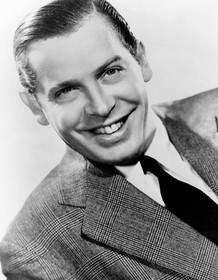
Moe Finkelstein (Milton Berle)
Played by Milton Berle
A New York City police officer assigned as a bodyguard to German consul Karl Baumer. He is initially skeptical of the Nazi regime but remains committed to the rule of law, weighing loyalties as the investigation unfolds. Moe asks tough questions, follows clues, and presses for answers to separate truth from propaganda.
- 🕵️ Detective
- 🗽 Duty
- ⚖️ Justice
-
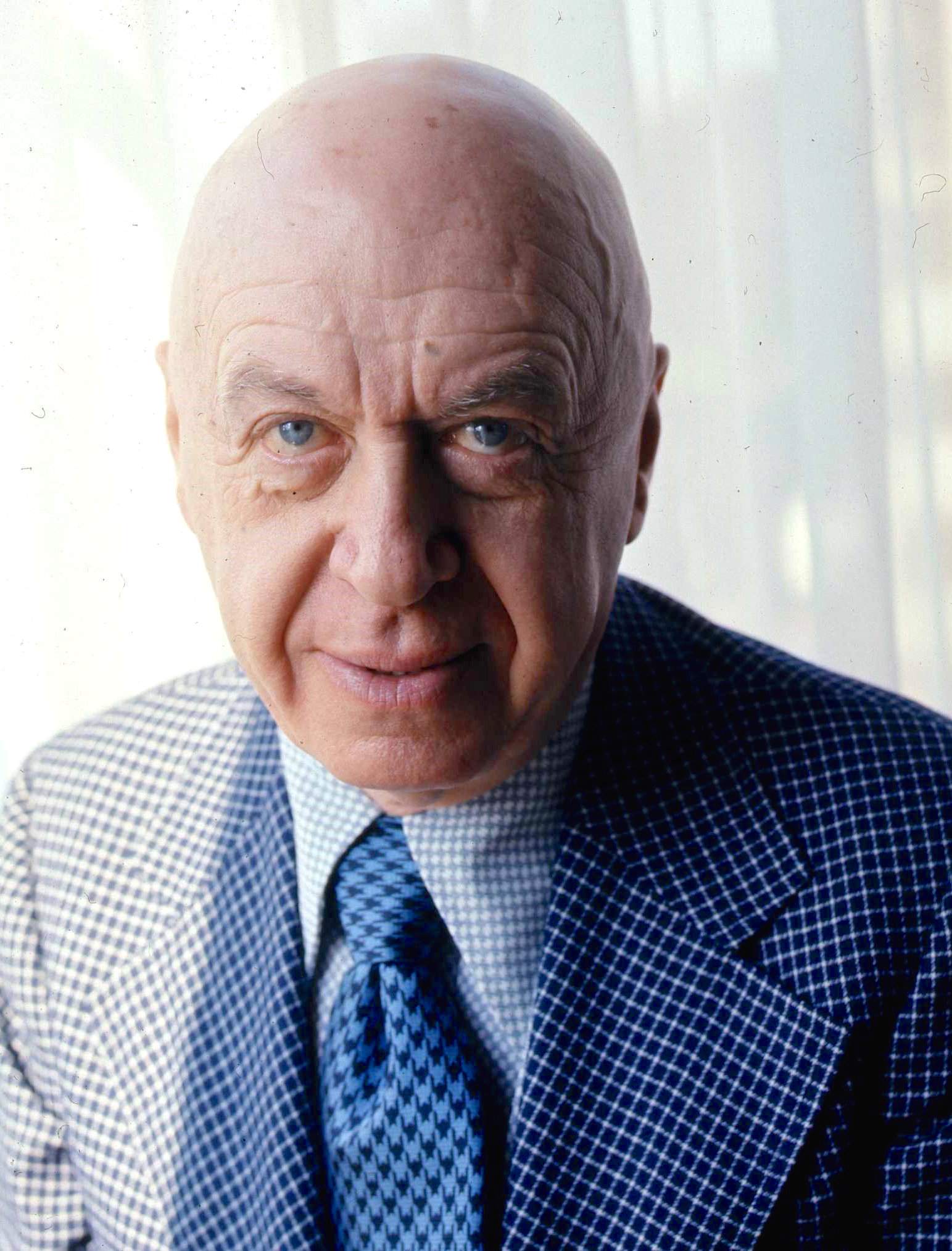
Karl Baumer (Otto Preminger)
Played by Otto Preminger
The German consul whose lavish status masks his precarious position with Berlin, which accuses him of squandered sabotage funds. He schemes to maneuver around investigations and even tries to frame Max for murder. His ambitions and evasions reveal the danger of political power without accountability.
- 🎭 Diplomat
- 🗺️ Power
- 🧩 Intrigue
-

Sophia Baumer (Joan Bennett)
Played by Joan Bennett
Baumer's wife, who resents her marriage but initially uses it to secure her father's release. She confesses to the murder at one point, then helps to warn Horst and attempts to escape, revealing a complex mix of pragmatism and fragility under pressure.
- 💔 Wife
- 🧭 Motive
- 🧠 Calculating
- BM
Baron Max von Alvenstor (Carl Esmond)
Played by Carl Esmond
Baumer's secretary who grows disenchanted with his boss. He resists Baumer's schemes and becomes a key player in the tension surrounding the murder and sabotage plot as he tries to ensure the truth surfaces.
- 🧭 Insider
- 🕵️♂️ Betrayal
- ⚖️ Ambition
- OH
Otto Horst (Howard Freeman)
Played by Howard Freeman
The saboteur ordered to procure false identification cards, who ends up involved in Baumer's murder and the broader sabotage plot. He remains dangerous and resources are marshaled against him as the net tightens.
- 🗺️ Espionage
- 🔪 Violence
- ⚠️ Danger
- CM
Captain Mulrooney (Edward McNamara)
Played by Edward McNamara
Police Captain who appointed Moe and Salomon to protect Baumer. He represents official law and order, guiding the investigation within the constraints of wartime politics.
- 🧭 Authority
- ⚖️ Law
- 🗽 Duty
- DJ
Dr. Jennings (Clyde Fillmore)
Played by Clyde Fillmore
A doctor present at the consular gathering who becomes a witness to the unfolding events and the various tableaux of suspicion. He contributes to the medical and procedural aspects of the investigation as it advances.
- 🩺 Doctor
- 🧠 Intelligence
- 🧩 Intrigue
Where and When Is Margin for Error Set?
Margin for Error is set in New York City and German Consulate (World War II era). Here is why the time and place matter to the story.
When
World War II era
Set in the early 1940s, the plot centers on Nazi sabotage plots and a German diplomat under Berlin's orders. The action features a radio speech by Hitler and a murder that reveals layers of deceit. The period underscores national security pressures and anti-Nazi sentiment on American soil.
Where
New York City, German Consulate
The action unfolds primarily in New York City, with key scenes at the German Consulate and surrounding police locations. The city provides a wartime backdrop where civil liberties are weighed against the need to counter espionage during World War II. The bustling urban setting heightens the tension of a high-stakes investigation and political intrigue.
- 🏙️ New York City
- 🏛️ German Consulate
What Are the Themes of Margin for Error?
3 ideas the story keeps returning to, among them Deception, Duty vs Morality and Justice Under Pressure.
-
01
Deception
Deception drives the plot as motives are hidden and alibis shift under pressure. Characters trade loyalties and manipulate information to stay ahead. The narrative relies on misdirection, disguises, and the ambiguity of who can be trusted. The film uses the New York setting to heighten mistrust among allies and enemies alike.
-
02
Duty vs Morality
Moe Finkelstein grapples with his oath to protect the public against his moral objections to the Nazi regime. He weighs obedience to authority against acting on conscience when the truth emerges. The tension tests what it means to pursue justice under political pressure and propaganda. The film frames moral choice as essential to uncovering the truth.
-
03
Justice Under Pressure
With a ticking clock and a looming sabotage threat, the investigation must converge on the truth before catastrophe. The coroner's findings and the reconstruction of events reveal how small clues—like a mistaken glass—can alter guilt. The story shows how justice can emerge from chaos when evidence aligns with motive and opportunity. The film uses a sharp, procedural tempo to build suspense.
What Kind of Film Is Margin for Error?
Tense in tone, with steady pacing and a moderate story, going by the plot summary.
- Tone
- Tense
- Pacing
- Steady
- Story
- Moderate
- Intensity
- Medium
- Ending
- Happy
A steadily paced, tense spy drama set during WWII that follows a reluctant police officer unraveling a web of murder and conspiracy at a German consulate, blending suspense with a satirical edge.
- tense
- suspenseful
- patriotic
- duty-bound
- anxious
- deceptive
- political intrigue
- espionage
- murder investigation
- war propaganda
Content notes: murder, war themes, political violence.
Quiz
How well do you remember Margin for Error? Test yourself on the story.