


Mangrove Plot Summary
Read the complete plot summary and ending explained for Mangrove (2020). From turning points to emotional moments, uncover what really happened and why it matters.
In late 1960s Notting Hill, Frank Crichlow opens the Mangrove, a warmly received Caribbean restaurant that becomes a central gathering place for a close-knit community in a neighborhood shaped by migration, memory, and daily routines. The Mangrove stands as a beacon of culture and resilience, inviting neighbors to share meals, stories, and a sense of belonging, even as tensions simmer just beneath the surface.
On opening night, the local mood shifts when Constable Pulley declares that Black spaces should be kept in their place, signaling the start of a harsh, lingering scrutiny from the police that will shadow Crichlow and his patrons. The accusation is blunt, and the charge—an impression of illicit activity around the Mangrove—taps into longstanding stereotypes about crime and Black life in the area.
After the restaurant closes for the night, Pulley conducts a series of aggressive raids on the Mangrove, pushing Crichlow toward financial distress and testing the community’s willingness to stand up for its rights. The raids ripple outward, affecting families and workers who rely on the Mangrove as a social and economic lifeline, while Crichlow struggles to protect his business and dignity.
A year later, the Mangrove Nine are charged with riot and affray, and the neighborhood mobilizes in solidarity. A march is organized to protest police conduct, drawing in a broad cross-section of the community and provoking a broader conversation about race, power, and justice. Among those rallying are Barbara Beese and Darcus Howe, whose presence underscores how the case has become a hinge point for Black activism and civil rights in Britain.
At the 1970 trial, race becomes a central issue as the defendants challenge the system. Jones-LeCointe and Howe, representing themselves, insist on an all-Black jury, a request that the presiding judge refuses to justify. The defense contends that the proceedings are biased, highlighting perceived fabrications in the police case and questioning the credibility of key witnesses. The courtroom becomes a focal point for a broader debate about fairness and representation within the legal process.
As witnesses testify, the defense uncovers inconsistencies in Pulley’s testimony and in the medical examiner’s statements. In a dramatic moment, Pulley attempts to feed answers to a fellow officer while in the witness box, an act that leads to his expulsion from the courtroom until the rest of the police testify, underscoring the tensions between police testimony and the defense’s scrutiny.
Beese interrupts a witness with a chant—“the officer has nothing to do with the case”—and others in the courtroom echo the sentiment, transforming the proceedings into a vivid scene of collective resistance. Judge Clarke reprimands the defendants and observers for the disruption, and the session is adjourned to allow emotions to settle. Crichlow and Howe are briefly dragged from the box by court officers and placed in harsher conditions, until the defense team’s intervention prompts changes in the handling of court personnel.
Facing pressure, Crichlow’s counsel urges a guilty plea to end the disruption, but Crichlow maintains his innocence after Jones-LeCointe reveals she is pregnant. The jury ultimately acquits Crichlow, Howe, and three other defendants, while the judge acknowledges evidence of racism on both sides and issues lenient sentences to those who are convicted. The outcome, though not without fault lines, marks a significant moment in a struggle for justice and community dignity, illustrating how the Mangrove community challenged police harassment and demanded accountability within a British legal system that was, at times, slow to respond to their reality.
Mangrove Timeline
Follow the complete movie timeline of Mangrove (2020) with every major event in chronological order. Great for understanding complex plots and story progression.
Opening night tension at the Mangrove
Frank Crichlow opens the Mangrove restaurant in Notting Hill, aiming to create a community hub for Caribbean residents. On the first night, Constable Frank Pulley mutters that Black people must be kept in their place, setting a hostile tone. The event foreshadows a conflict between the police and the neighborhood.
Pulley's confrontations begin
After hours, Pulley aggressively confronts Crichlow, accusing the Mangrove of attracting drug dealers, gamblers, and prostitutes. This marks the start of a campaign of raids by the police against Crichlow and his restaurant. The raids drive the business toward financial distress.
Community rallies in defense
Neighborhood residents organize to support the Mangrove and protest police conduct. A march through Notting Hill demonstrates solidarity and draws attention to the tensions between police and Caribbean immigrants. The event mobilizes Black residents and allies.
Beginning of charges against protesters
A year after the raids, several protesters including Crichlow, Barbara Beese, Altheia Jones-LeCointe, Darcus Howe, and others are charged with minor offenses as the authorities clamp down. The case signals how the community's resistance is being criminalized. The protest movement tries to sustain its momentum despite legal pressure.
Mangrove Nine charged with riot and affray
A year after the initial protests, the Mangrove Nine face serious charges of riot and affray. The charges mark a shift from minor offenses to a high-profile confrontation with police conduct. The community braces for a trial that will spotlight race and policing in Britain.
Trial begins at the Old Bailey
In 1970, the Mangrove Nine's trial opens, turning the case into a national issue. The defendants insist that race informs the case and press for a jury that reflects the Black community. The courtroom becomes a stage for debates about law, bias, and the treatment of Black defendants.
Efforts to secure an all-Black jury
The defendants argue that their trial requires a Black jury to ensure impartiality. Prosecutors resist the request, highlighting the contentious nature of jury selection in cases involving race. The judge declines to grant an all-Black jury, underscoring the trial's racial politics.
Cross-examinations reveal tensions
As witnesses testify, Jones-LeCointe and Howe, who represent themselves, challenge alleged fabrications in Pulley's testimony and errors in the medical examiner's report. The defense's sharp questions expose inconsistencies and attempt to undermine the Crown's case. The courtroom becomes a battleground over credibility.
Pulley tries to feed answers from the box
Pulley attempts to feed answers to a colleague while in the witness box, interrupting the proceedings. Court officers eject him temporarily to prevent further interference. The disruption tests the integrity of the trial and the balance of control in the courtroom.
Beese interrupts with protest chant
Barbara Beese interrupts a witness with a chant declaring 'the officer has nothing to do with the case,' and she is soon joined by other defendants and observers. The deliberate interruption raises questions about decorum and the limits of protest within a courtroom. The judge responds with admonitions as the tension tightens.
Judge Clarke's control and adjournment
Judge Edward Clarke reprimands the defendants and observers for disrupting the proceedings and orders an adjournment to let emotions settle. The moment underscores the courtroom's fragility under pressure from both sides. The crowd calms briefly as the case resumes.
Disruptions escalate and officers are replaced
Crichlow and Howe are roughly dragged out of the court box and placed in solitary cells due to disruption. In response to defense objections, Judge Clarke replaces the entire corps of court officers. The move signals a radical attempt to restore order and fairness inside the courtroom.
Crichlow's plea and pregnancy reveal
Crichlow is advised to plead guilty by his counsel but chooses to maintain his innocence after Beese reveals she is pregnant. The tension around loyalty and collective defense deepens as the trial progresses. The defense team and Beese's pregnancy become pivotal moments in the proceedings.
Verdict and reflections on racism
The jury acquits Crichlow, Howe, and three other defendants, while those convicted receive lenient sentences. The judge acknowledges evidence of racism on both sides, framing the outcome as a rare but significant moment of partial justice. The Mangrove case becomes a landmark in Britain’s civil rights history.
Mangrove Characters
Explore all characters from Mangrove (2020). Get detailed profiles with their roles, arcs, and key relationships explained.
Frank Crichlow (Shaun Parkes)
Owner of the Mangrove restaurant who centers the community’s social life and economic lifeline. He fights to defend his business and dignity against aggressive police raids, embodying resilience in the face of intimidation. His leadership anchors the neighborhood’s response and steadfastness.
Barbara Beese (Rochenda Sandall)
An activist who becomes a beacon of resistance within the courtroom and street protests. She helps mobilize the community and calls for accountability in policing. Her presence underscores the case as a hinge point for Black activism in Britain.
Darcus Howe (Malachi Kirby)
A defendant and activist who challenges police narratives and helps organize solidarity. He highlights the power of collective action and resistance to harassment. His role embodies the fight for civil rights within the legal arena.
Eddie LeCointe (Gershwyn Eustache Jnr)
A defendant whose voice illuminates the experience of targeted Black communities. He participates in defense strategies and public demonstrations, symbolizing resistance to racial profiling. His presence contributes to the broader civil rights message of the case.
Altheia Jones (Letitia Wright)
A member of the activist circle around Mangrove who embodies the community’s resolve. She contributes to perspectives on justice, solidarity, and self-representation. Her inclusion signals the broader network of Black British activism described in the summary.
Mr. Abbott (Joshua Viner)
A courtroom participant whose testimony heightens the trial’s tension. He helps illustrate how facts and biases intersect in a high-profile case and contributes to the overall portrayal of the legal process.
Police Officer (Joakim Skarli)
An officer involved in the Mangrove raids and a symbol of police presence in the conflict. His actions reveal the pressure of maintaining order while facing scrutiny of bias and accountability.
The Court Officer (Joe Tucker)
A court official who enforces decorum and participates in the tense courtroom dynamics. His interactions underscore the procedural side of justice and power within the trial.
Mangrove Settings
Learn where and when Mangrove (2020) takes place. Explore the film’s settings, era, and how they shape the narrative.
Time period
Late 1960s to 1970
The events unfold in the late 1960s, a period marked by racial tensions and targeted policing. A year after the restaurant’s opening, the Mangrove Nine are charged, leading to a high-profile courtroom battle by 1970. The timeline highlights how community life, culture, and civil rights intersect with the legal system during this era.
Location
Notting Hill, Mangrove restaurant
Set in late 1960s Notting Hill, the Mangrove restaurant serves as a warm Caribbean gathering place and cultural hub. It acts as the neighborhood's social lifeline, where memory, migration, and daily routines are shared. As police scrutiny increases, the Mangrove shifts from a welcoming space to a flashpoint that tests community resilience.
Mangrove Themes
Discover the main themes in Mangrove (2020). Analyze the deeper meanings, emotional layers, and social commentary behind the film.
⚖️
Justice vs Bias
The trial exposes contested police testimony and questions of fairness within the legal process. Defendants challenge procedural integrity and demand accountability, underscoring how race can shape judicial outcomes. The proceedings acknowledge racism on both sides, revealing fault lines in representation and trust.
🤝
Solidarity
The community mobilizes around the Mangrove Nine, organizing marches and standing in solidarity against harassment. The Mangrove restaurant functions as a social lifeline that fosters mutual support and collective resilience. Activists and neighbors transform fear into organized action and shared purpose.
🏛️
Law and Power
The courtroom becomes a site where civil rights and state authority collide, with calls for fair treatment and an all-Black jury raised against institutional norms. Police and court personnel embody power structures that the defense seeks to illuminate and challenge. The outcome exposes complexities and imperfections within the justice system.

Coming soon on iOS and Android
The Plot Explained Mobile App
From blockbusters to hidden gems — dive into movie stories anytime, anywhere. Save your favorites, discover plots faster, and never miss a twist again.
Sign up to be the first to know when we launch. Your email stays private — always.
Explore the mobile appMangrove Spoiler-Free Summary
Discover the spoiler-free summary of Mangrove (2020). Get a concise overview without any spoilers.
In the late 1960s, Notting Hill pulses with the rhythms of a neighborhood reshaped by migration, street markets, and the everyday rituals of its residents. The streets are a tapestry of colour and conversation, where the scent of spices mixes with the fog that rolls off the Thames, and a sense of possibility hangs in the air even as underlying frictions linger beneath the surface.
At the heart of this vibrant community stands Frank Crichlow, whose newly opened Mangrove restaurant quickly becomes more than a place to eat—it is a warm sanctuary where Caribbean music, stories, and laughter flow as freely as the food. The eatery offers a refuge for friends, families, and strangers alike, embodying a spirit of resilience and cultural pride that draws people together day after day, turning the ordinary act of sharing a meal into an act of collective affirmation.
Yet the very visibility of the Mangrove draws the attention of a police force keen to impose order in its own terms. As the authorities begin to press closer, a ripple of unease spreads through the neighbourhood, prompting local activists to rally. Figures such as Barbara Beese and Darcus Howe step forward, their presence amplifying the community’s resolve and hinting at a broader struggle that will test the limits of solidarity, identity, and the law.
The looming legal confrontation frames the narrative in a tone that balances heartfelt camaraderie with simmering tension. Within the looming courtroom, questions of representation, fairness, and dignity rise to the fore, setting the stage for a powerful examination of what it means to defend a cherished space against forces that seek to silence it. The film invites viewers to feel the pulse of a community poised on the edge of change, waiting to see whether its voice will be heard.
Movies with Similar Twists and Themes
Uncover films that echo the narrative beats, emotional arcs, or dramatic twists of the one you're exploring. These recommendations are handpicked based on story depth, thematic resonance, and spoiler-worthy moments — perfect for fans who crave more of the same intrigue.
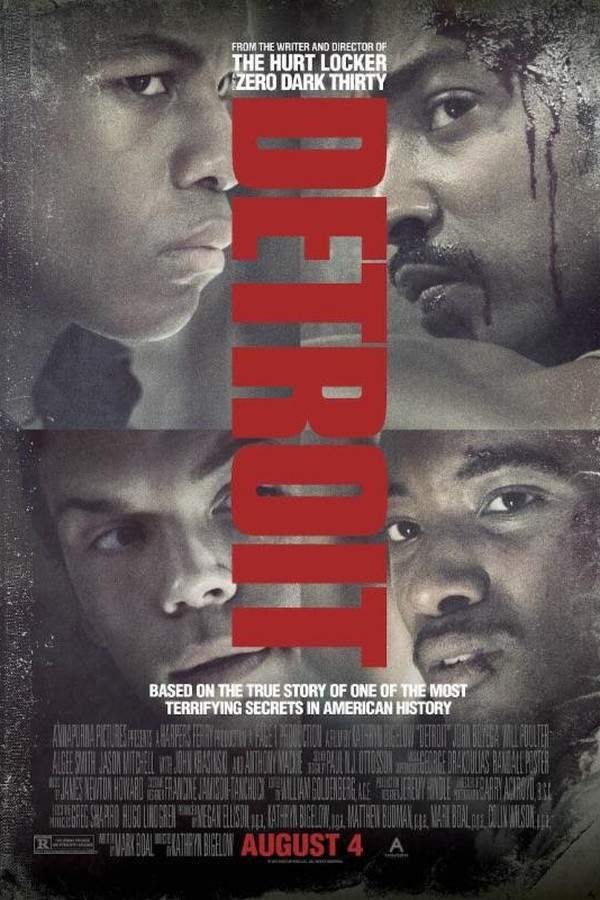

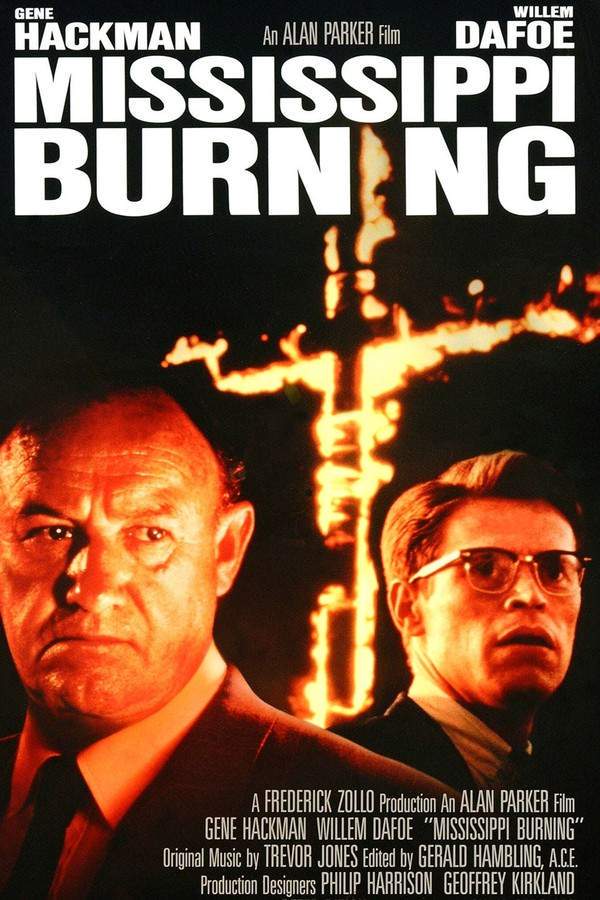
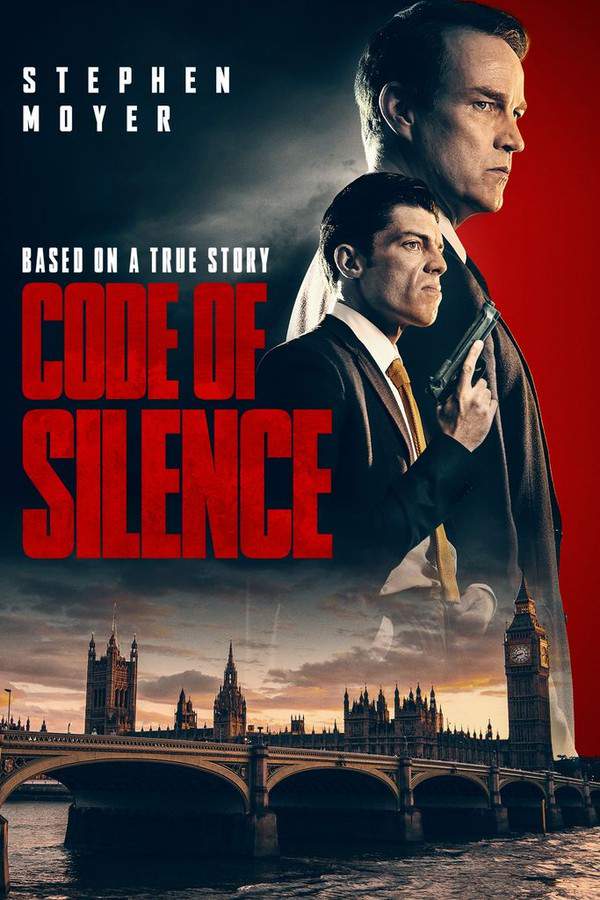

Featured on this page

What's After the Movie?
Not sure whether to stay after the credits? Find out!
Check out our other apps:

SAT Sphere
Build confidence for the Digital SAT.

Mori Atlas
Discover wild places worth protecting.

Luntero
Search smarter for a home in Amsterdam.

Plot Explained
Unravel movie endings and hidden clues.

Pokechamp
Dive into Pokémon data and battle logic.

Driving Theory
Get ready for your European theory test.

Movie Dust
Plan your next cinema trip with ease.

Musemap
Find art and culture as you travel.

Selkobase
Compare credentials before committing.

Local Manual
Turn an unfamiliar country into practical next steps.

Lernavi
Compare school systems before your next move.

GymRoam
Find a workout stop wherever your plans take you.
Explore Our Movie Platform
New Movie Releases (2026)
Famous Movie Actors
Top Film Production Studios
Movie Plot Summaries & Endings
Major Movie Awards & Winners
Best Concert Films & Music Documentaries
Movie Collections and Curated Lists
© 2026 What's After the Movie. All rights reserved.
Privacy Policy