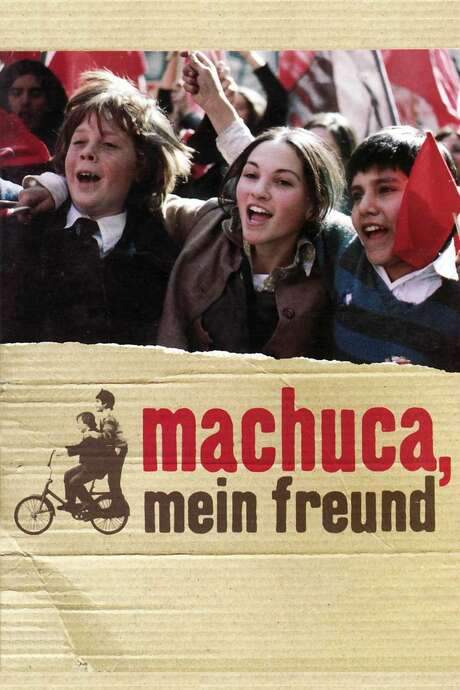
Machuca 2004

Directed by
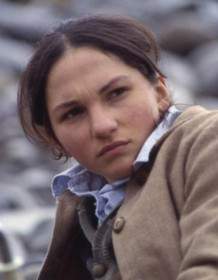
Manuela Martelli
Made by

Ibermedia
Where to Watch Machuca
See current US streaming, rental, and purchase options for Machuca (2004) via JustWatch.



Streaming availability powered by 
Machuca Plot Summary
Read the complete plot summary and ending explained for Machuca (2004). From turning points to emotional moments, uncover what really happened and why it matters.
The story unfolds through the eyes of Gonzalo Infante, Matías Quer, a 12-year-old from a comfortable, upper‑class upbringing, set against the turbulent backdrop of Chile’s early 1970s as social and political tensions press toward upheaval. The national mood is charged: the working class demands justice and structural change after the socialist president Salvador Allende is elected, while many in the wealthy classes grow wary of the movement and whisper of conspiracies against the government. In this tense climate, Gonzalo’s world of privilege sits uneasily beside the struggles of those around him, and the film observes how loyalties, fears, and curiosities collide in quiet, human ways. The tone remains measured and observant, never sensationalizing the chaos outside. Francisco Reyes portrays Gonzalo’s father, Patricio Infante, who is generally sympathetic to the less privileged but remains cautious about how far change should go, while Aline Küppenheim plays María Luisa, Gonzalo’s mother, who is resigned to the state of affairs and carries her own private contradictions, including a relationship with a wealthy Argentinean man.
At Gonzalo’s private school, the determined principal, Father McEnroe, Ernesto Malbrán, launches a social integration project that brings five disadvantaged students into the class. This bold experiment unsettles some parents who view it as a “leftist venture” rather than a Christian act of charity. Amid the shifting currents inside the school, Gonzalo befriends Pedro Machuca, Ariel Mateluna, a boy who has come from a poorer neighborhood and faces regular derision from wealthier classmates. The two boys form a bond that becomes a quiet beacon in a city where class lines are hardening, and their evolving friendship begins to reveal how much they have in common despite their different worlds.
Silvana, Manuela Martelli, lives nearby and becomes a companion in their street ventures. The trio starts selling nationalist flags at a right‑wing demonstration and later socialist flags at a leftist rally that supports the government, weaving themselves into the political street theater surrounding them. Early on, Silvana calls Gonzalo a snob and a “strawberry-face,” but as the children navigate their precarious situations, affection grows between them. Eventually, Silvana and Pedro’s friendship feels almost like a shared rebellion against the social codes that keep their families apart, and not even a kiss between Gonzalo and Silvana can erase the momentary tenderness that forms between the two friends.
Gonzalo’s world of comfort becomes a living contrast to Pedro’s harsh reality. When Pedro visits Gonzalo’s home, he is astonished by a room filled with toys and a closet full of clothes, while Gonzalo’s own imagination is tempered by the visible scarcity of the shantytown where Pedro lives. Gonzalo, in turn, visits Pedro’s neighborhood and is shocked by the extreme poverty there. The contrast between the two worlds is reinforced by their shared love of a comic book series about the Lone Ranger and Tonto; their reading together becomes a small, defiant moment that underscores their friendship’s improbable nature in a time of rising fear and division. The encounter also foreshadows the fragility of their alliance, as Silvana later comments on the unlikelihood of a white boy and an Indigenous friend sharing a bond.
As political unrest intensifies, the adults around them—especially the wealthy parents who fund and oppose Father McEnroe’s project—argue about how to balance social change with stability. Gonzalo’s father, Patricio Infante, remains outwardly supportive of reform, while Gonzalo’s mother, María Luisa, growingly embodies the tension between social idealism and entrenched privilege. The school’s vegetable garden, a symbol of McEnroe’s project’s hopes, fails, jeopardizing the funding that sustains the program and heightening the pressure on everyone involved. In the streets, anti‑Communist protests mount, and Gonzalo’s mother participates in the tumult, even taking Silvana’s merchandise during a confrontation. The friction escalates when Silvana spits on the windshield of the car and calls her a whore, a moment that edges the children toward a painful rift and marks the fragility of their budding alliance.
The political shift culminates in a military coup, and Father McEnroe is removed from the school, denied even the ability to celebrate mass in the chapel. A new priest arrives, and the conflict around faith, loyalty, and ritual intensifies. In a fraught first mass, the priest receives communion but does not swallow the sacramental bread, choosing to preserve it from desecration and declaring the place profane; Pedro leads the students in honoring the departing priest, and McEnroe is expelled from the school. The upheaval ripples through Gonzalo’s carefully balanced world, and the bond between the boys is strained to the breaking point as the adults’ choices pull them in opposite directions.
Gonzalo eventually travels to the shantytown again, only to witness soldiers raiding the area. A tragic round of violence erupts: Silvana is shot, and the sudden chaos pulls Gonzalo into the melee. He is momentarily mistaken for someone who belongs in that world, and only by showing his clean clothes and pale complexion is he spared, with the stern warning never to return. The violence and fear leave Gonzalo deeply unsettled, a stark reminder of how easily a child’s life can be upended by the workings of power.
Returning to his family’s new home, Gonzalo discovers that wealth has indeed shifted under the new government—assistance from his mother’s Argentine lover and redistribution of wealth have altered the social landscape. Yet the material change cannot replace the loss he carries: the memory of Pedro, of Silvana’s danger, and of the day the shantytown withered away under gunfire. The film closes on a restrained, haunting note as Gonzalo, now older and more wary, stares at the ruins and recalls the friend he lost, a testament to the human cost of political upheaval and the enduring ache of a childhood friendship tested by history. The story remains a thoughtful meditation on class, loyalty, and the fragile ties that bind people together in a moment when a nation’s fate roils around them.
Machuca Timeline
Follow the complete movie timeline of Machuca (2004) with every major event in chronological order. Great for understanding complex plots and story progression.
Gonzalo's sheltered world meets rising political tensions
Gonzalo, a 12-year-old from a comfortable family, navigates a city on edge as Chile's early 1970s tensions mount. The story follows his measured, observant view of the world around him as social change frays the borders of his privileged life. The political mood foreshadows upheaval that will challenge everything Gonzalo has known.
Society- and education-reform introduces new students
Father McEnroe launches a social integration project at the private school, inviting five disadvantaged students to join the class. Some parents view it as a risky political maneuver, while others hope for reform through education. The program sets the stage for cross-class encounters that will test loyalties.
Gonzalo meets Pedro and a fragile friendship forms
Gonzalo befriends Pedro Machuca, a boy from a poorer neighborhood, and their bond begins in the classroom. Their friendship survives derision from wealthier classmates and becomes a quiet beacon amid rising class tensions. The pairing exposes hidden commonalities across social divides.
Silvana joins their street world
Silvana becomes a companion in their street ventures, adding a new dynamic to the trio. Teasing gives way to a tender, evolving affection and a shared sense of rebellion against rigid social codes.
A day of political street theater
The trio navigates demonstrations, selling nationalist flags at a right-wing event and socialist flags at a leftist rally. Their improvisation braids personal courage with the volatile politics surrounding them.
Gonzalo visits Pedro's shantytown
Gonzalo is confronted with the harsh poverty of Pedro's neighborhood, a stark contrast to his own comfortable surroundings. The visit unsettles him and deepens the awareness of social inequality.
Pedro visits Gonzalo's home
Pedro steps into Gonzalo's world and discovers a room packed with toys and clothes, highlighting the material divide between their lives. The moment underscores the fragility of their friendship amid growing social friction.
Shared love of Lone Ranger comic bonds them
The boys discover a shared love for a Lone Ranger and Tonto comic, a small, defiant moment that binds them across class lines. Reading together becomes a quiet act of solidarity in a time of mounting fear.
The school garden struggles, threatening funding
As McEnroe's project gains momentum, the school's vegetable garden fails, jeopardizing the funding that sustains the integration program. Adults on all sides argue over changing times versus stability, heightening the emotional stakes for the students.
Anti-Communist protests and family tensions
Anti-Communist protests swell in the streets, and Gonzalo's mother participates, even taking Silvana's merchandise during a confrontation. The clash of loyalties within the families intensifies the growing rift between worlds.
Coup disrupts life at the school
The military coup arrives, removing Father McEnroe and bringing a new priest who unsettles faith and ritual. In the first mass, the priest refuses to swallow the communion, preserving it in protest, while Pedro leads the students in honoring the departing priest. The upheaval rips at Gonzalo's carefully balanced world.
Violence erupts and Silvana is shot
Gonzalo returns to the shantytown to find soldiers raiding the area and chaos erupts; Silvana is shot. Gonzalo is briefly mistaken for someone from that world and is spared only by his clean clothes and pale complexion, a stark reminder of how easily a child can be consumed by power.
Wealth shifts under the new government
Back at home, wealth moves in new directions as his mother's Argentine lover contributes to redistribution, changing the social landscape. Yet the gains feel hollow against the memory of Pedro, Silvana's danger, and their lost friendship.
A memory of friendship amid ruins
Older and wary, Gonzalo stares at the ruined city and recalls his friend Pedro. The film closes as a restrained meditation on class, loyalty, and the human cost of political upheaval.
Machuca Characters
Explore all characters from Machuca (2004). Get detailed profiles with their roles, arcs, and key relationships explained.
Gonzalo Infante (Matías Quer)
A 12-year-old from a comfortable, upper-class upbringing who becomes immersed in a world of inequality. He forms a thoughtful, sometimes conflicted bond with peers from a different social stratum, showing sensitivity beyond privilege. His perspective shifts as political events unfold, testing loyalties and curiosity.
Pedro Machuca (Ariel Mateluna)
An Indigenous boy from a poorer neighborhood who forms a close friendship with Gonzalo while facing regular derision from wealthier classmates. He reveals resilience and warmth, serving as a bridge between two worlds. His experiences highlight poverty, prejudice, and the human cost of political upheaval.
Silvana (Manuela Martelli)
A neighbor who becomes a companion to Gonzalo and Pedro, navigating loyalty, friendship, and danger. Her presence challenges class assumptions and personal choices, adding tenderness amid social tension. She embodies both vulnerability and courage in a divided city.
Father McEnroe (Ernesto Malbrán)
A determined priest and head of the private school who launches the social integration project, turning the school into a stage for reform and controversy. His ideals collide with entrenched interests, and when political winds shift, the project is threatened and ultimately removed from the school.
Patricio Infante (Francisco Reyes)
Gonzalo’s father, outwardly supportive of reform but cautious about how far change should go. He balances empathy with prudence as his son encounters new ideas and a changing society. His stance reflects the divided attitudes of the upper class toward upheaval.
Maria Luisa Infante (Aline Küppenheim)
Gonzalo’s mother, resigned to the state of affairs yet carrying private contradictions, including a relationship with a wealthy Argentinean man. She embodies privilege while witnessing the tensions and consequences of social change. Her perspective demonstrates the complexities of adapting to a shifting world.
Machuca Settings
Learn where and when Machuca (2004) takes place. Explore the film’s settings, era, and how they shape the narrative.
Time period
Early 1970s
Chile in the early 1970s is marked by rising social tensions as Allende’s socialist reforms meet strong opposition from the right. The country experiences protests, labor strikes, and political paranoia that color everyday life in urban centers. Amid this climate, families navigate changing loyalties and the looming threat of disruption, culminating in the 1973 military coup that reshapes society.
Location
Santiago, Chile
Set in urban Santiago, the film contrasts a well-off private school with a nearby shantytown. The school hosts a bold social integration project led by Father McEnroe, while the surrounding neighborhoods reveal stark poverty and inequality. The urban setting acts as a microcosm of a country teetering between reform and upheaval.
Machuca Themes
Discover the main themes in Machuca (2004). Analyze the deeper meanings, emotional layers, and social commentary behind the film.
🧱
Class Divide
Machuca juxtaposes Gonzalo’s comfortable upbringing with Pedro’s poverty, showing how wealth structures opportunities and biases. The private school’s integration project exposes both sides to each other’s realities, while provoking tension among adults who fund or oppose it. Small moments of shared curiosity reveal the fragility and complexity of social bonds under pressure.
👥
Friendship
Gonzalo and Pedro form an unlikely bond born of shared interests and curiosity, challenging rigid social codes. Silvana’s presence adds a layer of tenderness and risk to their alliance. The friendship endures in private moments even as public conflict threatens to pull them apart.
🗳️
Politics
The film situates personal lives within a combustible political landscape: Allende’s presidency, anti-communist sentiment, and mass demonstrations. Political upheaval seeps into the school and streets, altering loyalties and opportunities. The coup marks a turning point that tests the resilience of friendships and the safety of families.
🏛️
Authority & Education
Father McEnroe’s integration project makes the school a battleground for social change, with the garden failing and funding at risk illustrating how institutions are pressured by politics. Parents’ debates reflect competing visions of reform and order. The upheaval leads to expulsions and resignations, showing how education becomes both tool and casualty in times of crisis.

Coming soon on iOS and Android
The Plot Explained Mobile App
From blockbusters to hidden gems — dive into movie stories anytime, anywhere. Save your favorites, discover plots faster, and never miss a twist again.
Sign up to be the first to know when we launch. Your email stays private — always.
Explore the mobile appMachuca Spoiler-Free Summary
Discover the spoiler-free summary of Machuca (2004). Get a concise overview without any spoilers.
In the bustling streets of 1970s Santiago, the nation teeters between the hopeful promises of Salvador Allende’s socialist agenda and the undercurrent of unease among its more affluent citizens. Against this charged backdrop, a modest Catholic prep school becomes an unlikely laboratory for social experiment, its classrooms humming with the ordinary sounds of childhood while the city outside murmurs with political debate.
Father McEnroe, the school’s determined principal, envisions a bridge across the stark divide of wealth and poverty by welcoming a handful of working‑class children into his previously insulated world. Among the established pupils is Gonzalo Infante, a twelve‑year‑old raised in comfort whose curiosity leads him to the new arrivals, especially the bright‑eyed Pedro Machuca, whose family scrapes by in a nearby shantytown. Their tentative friendship blossoms amid shared comic books and whispered conversations, offering a glimpse of common ground that feels both fragile and extraordinary.
The trio’s world expands when Silvana—a spirited girl from the neighborhood—joins their street‑level explorations, turning idle games into subtle acts of rebellion against the unspoken rules that separate their families. Within the school’s walls, a modest vegetable garden symbolizes the hope placed in this social experiment, while the adults—Patricio Infante and his wife María Luisa—navigate their own uneasy positions, balancing sympathy for change with the desire to protect their way of life. The atmosphere is measured and observant, never sensationalizing the turbulence that looms beyond the classroom doors.
As whispers of unrest grow louder, the children’s tentative bonds become a quiet testament to the possibility of connection across entrenched class lines. The film’s tone remains contemplative, allowing the audience to feel the weight of the era’s political tension while focusing on the tender, uncertain dynamics among the young protagonists—an intimate portrait of friendship attempting to endure in a world on the brink of transformation.
Movies with Similar Twists and Themes
Uncover films that echo the narrative beats, emotional arcs, or dramatic twists of the one you're exploring. These recommendations are handpicked based on story depth, thematic resonance, and spoiler-worthy moments — perfect for fans who crave more of the same intrigue.
Featured on this page

What's After the Movie?
Not sure whether to stay after the credits? Find out!
Check out our other apps:

SAT Sphere
Build confidence for the Digital SAT.

Mori Atlas
Discover wild places worth protecting.

Luntero
Search smarter for a home in Amsterdam.

Plot Explained
Unravel movie endings and hidden clues.

Pokechamp
Dive into Pokémon data and battle logic.

Driving Theory
Get ready for your European theory test.

Movie Dust
Plan your next cinema trip with ease.

Musemap
Find art and culture as you travel.

Selkobase
Compare credentials before committing.

Local Manual
Turn an unfamiliar country into practical next steps.

Lernavi
Compare school systems before your next move.

GymRoam
Find a workout stop wherever your plans take you.
Explore Our Movie Platform
New Movie Releases (2026)
Famous Movie Actors
Top Film Production Studios
Movie Plot Summaries & Endings
Major Movie Awards & Winners
Best Concert Films & Music Documentaries
Movie Collections and Curated Lists
© 2026 What's After the Movie. All rights reserved.
Privacy Policy