Machuca 2004

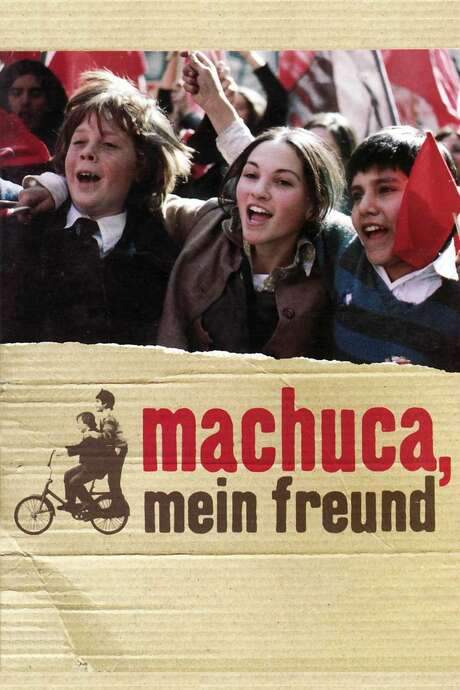
In 1970s Santiago, during Salvador Allende’s socialist presidency, Father McEnroe opens St. Patrick’s Catholic prep school to admit a handful of working‑class children. Pedro Machuca, the son of a cleaning lady, befriends Gonzalo Infante, a wealthy liberal’s son. Their friendship endures the 1973 Pinochet coup, which topples Allende, ousts supporters like McEnroe, and shatters the fragile bridge between their disparate worlds.


Does Machuca have end credit scenes?
No!
Machuca does not have end credit scenes. You can leave when the credits roll.
Where to Watch Machuca
See current US streaming, rental, and purchase options for Machuca (2004) via JustWatch.



Streaming availability powered by 
Meet the Full Cast and Actors of Machuca
Explore the complete cast of Machuca, including both lead and supporting actors. Learn who plays each character, discover their past roles and achievements, and find out what makes this ensemble cast stand out in the world of film and television.
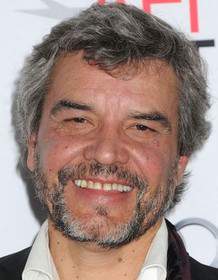
Alejandro Goic
Father Robles

Aline Küppenheim
María Luisa

Francisco Reyes
Patricio Infante

Federico Luppi
Roberto
Ariel Mateluna
Pedro Machuca
Alejandro Trejo
Willy
Juan Pablo Miranda
Soldier
Gabriela Medina
Lucy
Daniel Alcaíno
Army Sergeant
Pablo Krögh
Colonel Sotomayor
Tamara Acosta
Juana
Luis Dubó
Ismael Machuca
Eduardo Burlé
Rolando Hamilton
Francisca Imboden
Maria Luisa's Friend 2
María Izquierdo
(uncredited)
Hugo Vásquez
Parent 1
Mauricio Bustos
Kiosquero
María Olga Matte
Miss Gilda
Tiago Correa
Pablo
Catherine Mazoyer
New Teacher
Andrea García-Huidobro
Isabel
Aldo Parodi
Tailor
Pablo Striano
Store Clerk
Jack Arama
Parent
Ernesto Malbrán
Father McEnroe
Matías Quer
Gonzalo Infante
Jorge Zepeda
Chofer de Ochagavía
Alfredo Ahumada
Waiter
Francisca Concha
Mother Robles
Lucas Edwards
Lucas Honorato
Samuel Guajardo
Bus Driver
Julio Briceño
Priest 2
Verónica Moraga
Maria Luisa's Friend 3
External Links and Streaming Options
Discover where to watch Machuca online, including streaming platforms, rental options, and official sources. Compare reviews, ratings, and in-depth movie information across sites like IMDb, TMDb, Wikipedia or Rotten Tomatoes.








Take the Ultimate Machuca Movie Quiz
Challenge your knowledge of Machuca with this fun and interactive movie quiz. Test yourself on key plot points, iconic characters, hidden details, and memorable moments to see how well you really know the film.
Machuca (2004) Quiz: Test your knowledge of the film Machuca, set during Chile's political turmoil in the early 1970s.
Who narrates the story in the film?
Full Plot Summary and Ending Explained for Machuca
Read the complete plot summary of Machuca, including all major events, twists, and the full ending explained in detail. Explore key characters, themes, hidden meanings, and everything you need to understand the story from beginning to end.
The story unfolds through the eyes of Gonzalo Infante, Matías Quer, a 12-year-old from a comfortable, upper‑class upbringing, set against the turbulent backdrop of Chile’s early 1970s as social and political tensions press toward upheaval. The national mood is charged: the working class demands justice and structural change after the socialist president Salvador Allende is elected, while many in the wealthy classes grow wary of the movement and whisper of conspiracies against the government. In this tense climate, Gonzalo’s world of privilege sits uneasily beside the struggles of those around him, and the film observes how loyalties, fears, and curiosities collide in quiet, human ways. The tone remains measured and observant, never sensationalizing the chaos outside. Francisco Reyes portrays Gonzalo’s father, Patricio Infante, who is generally sympathetic to the less privileged but remains cautious about how far change should go, while Aline Küppenheim plays María Luisa, Gonzalo’s mother, who is resigned to the state of affairs and carries her own private contradictions, including a relationship with a wealthy Argentinean man.
At Gonzalo’s private school, the determined principal, Father McEnroe, Ernesto Malbrán, launches a social integration project that brings five disadvantaged students into the class. This bold experiment unsettles some parents who view it as a “leftist venture” rather than a Christian act of charity. Amid the shifting currents inside the school, Gonzalo befriends Pedro Machuca, Ariel Mateluna, a boy who has come from a poorer neighborhood and faces regular derision from wealthier classmates. The two boys form a bond that becomes a quiet beacon in a city where class lines are hardening, and their evolving friendship begins to reveal how much they have in common despite their different worlds.
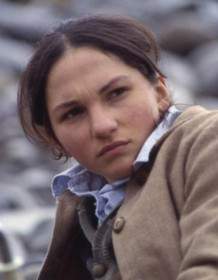
Silvana, Manuela Martelli, lives nearby and becomes a companion in their street ventures. The trio starts selling nationalist flags at a right‑wing demonstration and later socialist flags at a leftist rally that supports the government, weaving themselves into the political street theater surrounding them. Early on, Silvana calls Gonzalo a snob and a “strawberry-face,” but as the children navigate their precarious situations, affection grows between them. Eventually, Silvana and Pedro’s friendship feels almost like a shared rebellion against the social codes that keep their families apart, and not even a kiss between Gonzalo and Silvana can erase the momentary tenderness that forms between the two friends.
Gonzalo’s world of comfort becomes a living contrast to Pedro’s harsh reality. When Pedro visits Gonzalo’s home, he is astonished by a room filled with toys and a closet full of clothes, while Gonzalo’s own imagination is tempered by the visible scarcity of the shantytown where Pedro lives. Gonzalo, in turn, visits Pedro’s neighborhood and is shocked by the extreme poverty there. The contrast between the two worlds is reinforced by their shared love of a comic book series about the Lone Ranger and Tonto; their reading together becomes a small, defiant moment that underscores their friendship’s improbable nature in a time of rising fear and division. The encounter also foreshadows the fragility of their alliance, as Silvana later comments on the unlikelihood of a white boy and an Indigenous friend sharing a bond.
As political unrest intensifies, the adults around them—especially the wealthy parents who fund and oppose Father McEnroe’s project—argue about how to balance social change with stability. Gonzalo’s father, Patricio Infante, remains outwardly supportive of reform, while Gonzalo’s mother, María Luisa, growingly embodies the tension between social idealism and entrenched privilege. The school’s vegetable garden, a symbol of McEnroe’s project’s hopes, fails, jeopardizing the funding that sustains the program and heightening the pressure on everyone involved. In the streets, anti‑Communist protests mount, and Gonzalo’s mother participates in the tumult, even taking Silvana’s merchandise during a confrontation. The friction escalates when Silvana spits on the windshield of the car and calls her a whore, a moment that edges the children toward a painful rift and marks the fragility of their budding alliance.
The political shift culminates in a military coup, and Father McEnroe is removed from the school, denied even the ability to celebrate mass in the chapel. A new priest arrives, and the conflict around faith, loyalty, and ritual intensifies. In a fraught first mass, the priest receives communion but does not swallow the sacramental bread, choosing to preserve it from desecration and declaring the place profane; Pedro leads the students in honoring the departing priest, and McEnroe is expelled from the school. The upheaval ripples through Gonzalo’s carefully balanced world, and the bond between the boys is strained to the breaking point as the adults’ choices pull them in opposite directions.
Gonzalo eventually travels to the shantytown again, only to witness soldiers raiding the area. A tragic round of violence erupts: Silvana is shot, and the sudden chaos pulls Gonzalo into the melee. He is momentarily mistaken for someone who belongs in that world, and only by showing his clean clothes and pale complexion is he spared, with the stern warning never to return. The violence and fear leave Gonzalo deeply unsettled, a stark reminder of how easily a child’s life can be upended by the workings of power.
Returning to his family’s new home, Gonzalo discovers that wealth has indeed shifted under the new government—assistance from his mother’s Argentine lover and redistribution of wealth have altered the social landscape. Yet the material change cannot replace the loss he carries: the memory of Pedro, of Silvana’s danger, and of the day the shantytown withered away under gunfire. The film closes on a restrained, haunting note as Gonzalo, now older and more wary, stares at the ruins and recalls the friend he lost, a testament to the human cost of political upheaval and the enduring ache of a childhood friendship tested by history. The story remains a thoughtful meditation on class, loyalty, and the fragile ties that bind people together in a moment when a nation’s fate roils around them.

Coming soon on iOS and Android
The Plot Explained Mobile App
From blockbusters to hidden gems — dive into movie stories anytime, anywhere. Save your favorites, discover plots faster, and never miss a twist again.
Sign up to be the first to know when we launch. Your email stays private — always.
Explore the mobile appDiscover Film Music Concerts Near You – Live Orchestras Performing Iconic Movie Soundtracks
Immerse yourself in the magic of cinema with live orchestral performances of your favorite film scores. From sweeping Hollywood blockbusters and animated classics to epic fantasy soundtracks, our curated listings connect you to upcoming film music events worldwide.
Explore concert film screenings paired with full orchestra concerts, read detailed event information, and secure your tickets for unforgettable evenings celebrating legendary composers like John Williams, Hans Zimmer, and more.


Cars Featured in Machuca
Explore all cars featured in Machuca, including their makes, models, scenes they appear in, and their significance to the plot. A must-read for car enthusiasts and movie buffs alike.
Machuca Themes and Keywords
Discover the central themes, ideas, and keywords that define the movie’s story, tone, and message. Analyze the film’s deeper meanings, genre influences, and recurring concepts.
Machuca Other Names and Titles
Explore the various alternative titles, translations, and other names used for Machuca across different regions and languages. Understand how the film is marketed and recognized worldwide.
Similar Movies To Machuca You Should Know About
Browse a curated list of movies similar in genre, tone, characters, or story structure. Discover new titles like the one you're watching, perfect for fans of related plots, vibes, or cinematic styles.
-DQDQ2zQF8QqgiA.jpg)







Quick Links: Summary, Cast, Ratings, More

What's After the Movie?
Not sure whether to stay after the credits? Find out!
Check out our other apps:

SAT Sphere
Build confidence for the Digital SAT.

Mori Atlas
Discover wild places worth protecting.

Luntero
Search smarter for a home in Amsterdam.

Plot Explained
Unravel movie endings and hidden clues.

Pokechamp
Dive into Pokémon data and battle logic.

Driving Theory
Get ready for your European theory test.

Movie Dust
Plan your next cinema trip with ease.

Musemap
Find art and culture as you travel.

Selkobase
Compare credentials before committing.

Local Manual
Turn an unfamiliar country into practical next steps.

Lernavi
Compare school systems before your next move.

GymRoam
Find a workout stop wherever your plans take you.
Explore Our Movie Platform
New Movie Releases (2026)
Famous Movie Actors
Top Film Production Studios
Movie Plot Summaries & Endings
Major Movie Awards & Winners
Best Concert Films & Music Documentaries
Movie Collections and Curated Lists
© 2026 What's After the Movie. All rights reserved.
Privacy Policy