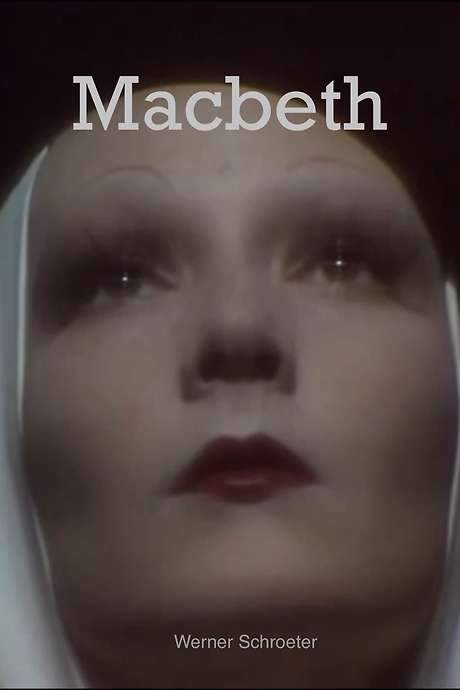


Where to Watch Macbeth
See current US streaming, rental, and purchase options for Macbeth (1971) via JustWatch.






Macbeth Plot Summary
Read the complete plot summary and ending explained for Macbeth (1971). From turning points to emotional moments, uncover what really happened and why it matters.
In the Middle Ages, Scotland finds itself the stage for a grim power drama: a combined Norwegian and Irish invasion is brought to heel with the aid of two Scottish nobles, Macbeth and Banquo, while the traitorous Thane of Cawdor falters under treachery. The weight of the moment shifts when Cawdor is condemned to death by Duncan, who then awards Macbeth the rightful title as reward for loyalty and victory. The news lands with a mix of awe and fear in Macbeth’s camp, for the prophecy sparks a dangerous curiosity about what might come next.
Across their ranks, the nobles whisper about fate and ambition, and soon Macbeth and Banquo learn of the Three Witches who greet them with prophecies that seem to bend the future: Macbeth is hailed as the Thane of Cawdor and, beyond that, a future king; Banquo, while not destined to rule, will sire a line of kings though he will never sit upon the throne himself. The moment seems to open a door that neither man can simply close. After this encounter, Macbeth sits to write to his wife, and the letter that arrives triggers a reaction as sharp as a blade.
At home, the machinations deepen. The king names his eldest son Malcolm as Prince of Cumberland, the clear heir, which instantly irks Macbeth and stirs Donalbain to keep vigil over their own anxieties. The royal party travels to Macbeth’s own castle, where Lady Macbeth extends a surface of courtesy and hospitality to Duncan and his retinue, all the while hiding a steely resolve beneath her gracious smile. The scene is intimate, yet razor-edged with double meanings as the host’s warmth masks a deadly plan.
When the moment comes, Macbeth moves with a chilling resolve after his wife’s urging, slipping into Duncan’s chamber once the guards have been drugged. Duncan awakens briefly and utters Macbeth’s name, sealing the tragedy with a single, decisive act: he is murdered. Macbeth frames the guards for the crime and, once their deceit is uncovered, makes sure they cannot expose the truth. The murder sets off a rapid chain of consequences: Malcolm and Donalbain flee in fear, and the court circles tighter around Macbeth as rumors of conspiracy swirl through the castle and beyond.
As Macbeth consolidates power, the dangers multiply. Banquo becomes a target, and Macbeth, fearful of a rival lineage, dispatches two murderers to kill Banquo and his son Fleance; the plan succeeds in one sense—Banquo dies—but Fleance escapes into the night, leaving Macbeth with a gnawing sense that the prophecy may still unfold in unforeseen ways. Macbeth eliminates the two hired assassins, ensuring there will be no loose ends that could threaten his crown. The tension sharpens when Banquo’s ghost appears at a banquet, unsettling the assembled nobles and driving Macbeth toward a frenzied search for reassurance from the source of the prophecy—the witches.
Desperate for guidance, Macbeth seeks out the witches again, and they perform their occult rites as they conjure visions and speak in ambiguities that suggest invincibility. They plant ideas that mislead him into believing he cannot be harmed by anyone born of a woman and that no forest will advance to threaten him until some impossible condition is met. The line between certainty and paranoia becomes blurred as Macbeth clings to the sense of security these prophecies offer, even as his realm grows more divided and unstable.
Across Scotland, fear spreads as Ross takes charge of more brutal tasks: he moves to Fife to oversee the slaughter of Macduff’s family, while Macduff himself travels to England to join Malcolm in seeking assistance from a foreign throne. An alliance forms, led by the English king with Siward at the helm, and the united forces prepare to move against Macbeth. The conspirators know they face a treacherous foe who has already murdered to secure his throne, and they steel themselves for a long and brutal struggle.
In the climactic march on Dunsinane, the invaders hide their numbers by bearing branches from Birnam Wood, a stratagem that lends the countryside a deceptive air of forest magic. The battle roars to life as the two sides clash inside Macbeth’s stronghold, until the head-to-head duel with Macduff ends the tyrant’s rule. Macduff reveals a cruel twist of fate: he was delivered by Caesarean section, making him eligible to avenge the king’s death. In a final, triumphal moment, Macduff beheads Macbeth, and the crown returns to Malcolm, now recognized as the rightful king of Scotland. As the dust settles, Donalbain wanders with the witches once more, leaving the audience with the sense that fate, once set in motion, may never truly be laid to rest.
Macbeth Timeline
Follow the complete movie timeline of Macbeth (1971) with every major event in chronological order. Great for understanding complex plots and story progression.
Invasion repelled and Macbeth rewarded
In the Middle Ages, a Norwegian and Irish invasion aided by the traitorous Thane of Cawdor is defeated by Macbeth and Banquo. Cawdor is sentenced to death by King Duncan for his treachery. Duncan then decrees that Macbeth shall be awarded the title of Thane of Cawdor, elevating Macbeth's status and ambition.
Witches foretell Macbeth and Banquo
Macbeth and Banquo encounter the Three Witches on the moor and learn prophecies about their futures. The witches hail Macbeth as Thane of Cawdor and future king, and call Banquo 'lesser and greater'. The encounter plants seeds of ambition in Macbeth while arousing Banquo's curiosity.
News reaches Lady Macbeth
Macbeth writes a letter to Lady Macbeth detailing the witches' prophecies and his new title. Lady Macbeth reads the letter with delight and immediately imagines how to help Macbeth seize the throne. Her excitement turns to a ruthless resolve to push him toward regicide.
Lady Macbeth vows to spur him to action
Lady Macbeth fears her husband's nature may be too lenient to take the throne. She vows to be cruel and to push Macbeth into murdering Duncan. Her ambition and manipulation set the plan into motion.
Duncan visit and Malcolm named Prince of Cumberland
Duncan and the royal party spend the night at Macbeth's castle, where Macbeth is awed and anxious. Duncan names Malcolm Prince of Cumberland, enraging Macbeth and foreshadowing a line of succession. Lady Macbeth greets Duncan with duplicity, dancing and entertaining him.
Duncan murdered; guards framed
Urged by his wife, Macbeth enters Duncan's chambers and murders the king after Duncan is drugged and asleep. He then frames the guards for the killing and kills them as well to cover up the crime. The king's murder is discovered, throwing Scotland into crisis.
Malcolm and Donalbain flee; Macbeth rises
Fearing a conspiracy, Malcolm and Donalbain flee to England and Ireland, respectively. The act leaves suspicion on others and signals Macbeth's rise to the throne in practice. The Thane of Ross realizes Macbeth will be king.
Banquo slain; Fleance escapes; Ross as Third Murderer
Macbeth orders murderers to kill Banquo, a potential threat to his rule, while Fleance escapes during the attack. Ross is involved as the mysterious third killer, heightening fear and suspicion at court. The murder intensifies Macbeth's paranoia about threats to his crown.
Banquo's ghost haunts the banquet
Banquo's appearance as a ghost unsettles Macbeth at a royal banquet, terrifying the assembled lords. He tries to maintain composure, but his fear exposes his guilt. The scene marks Macbeth's spiraling paranoia.
Witches' ritual and new prophecies
The witches perform a nude ritual and summon spirits that seem to support Macbeth's invincibility. They further manipulate him with prophecy, including the idea that he cannot be killed by anyone born of a woman and cannot be defeated until Birnam Wood comes to Dunsinane. The prophecy fuels his overconfidence.
Macduff and the fate of Macduff's family
Ross travels to Fife with orders to slaughter Macduff's family, but Macduff has already gone to England to join Malcolm. In Fife, Macbeth's murderers murder Lady Macduff and her children after the heavy doors are left open by a traitor. Macbeth's hold on Fife tightens as Seyton is installed as Thane of Fife.
English invasion and the fall of Macbeth
English forces invade, aided by Malcolm and Siward, cutting branches from Birnam Wood to hide their numbers. In battle, Macduff reveals he was born by Caesarean section and slays Macbeth, fulfilling the prophecy in reverse. Malcolm is crowned king as order returns to Scotland.
Donalbain's encounter with the witches
Donalbain, out riding, encounters the witches, leaving the film on a note of ambiguous fate. His meeting with the witches hints at further prophecies or dangers that persist beyond Macbeth's fall.
Macbeth Characters
Explore all characters from Macbeth (1971). Get detailed profiles with their roles, arcs, and key relationships explained.
Macbeth
Macbeth begins as a respected nobleman whose latent ambition is awakened by prophecy and his wife's relentless push. He pivots from reluctant killer to tyrant, systematically eliminating perceived threats to secure the throne. As paranoia tightens its grip, his rule becomes increasingly brutal and unstable. His downfall comes at the hands of a worthy foe and the collapse of his own legitimacy.
Lady Macbeth
Lady Macbeth is the driving force behind the initial murder plot, pressing Macbeth to seize the crown by any means. She engineers Duncan's murder and exerts relentless control over the plan, trading tenderness for calculation. Her resolve wanes as guilt and consequence creep in, yet her early influence shapes the tragedy.
Duncan
King Duncan is a benevolent ruler whose presence signals a stable, lawful order. His murder by Macbeth provokes a political crisis and prompts Malcolm and Donalbain to flee. Duncan's death triggers the unraveling of loyalty and the slide into civil war.
Banquo
Banquo is Macbeth's faithful ally whose prophetic fate haunts the plot. He is slain as part of Macbeth's bid to secure power, while his son Fleance escapes, leaving a future threat and a lingering sense of mistrust. Banquo's integrity contrasts with Macbeth's growing ruthlessness.
Macduff
Macduff stands as a noble opponent to Macbeth's tyranny, ultimately leading the charge to restore the rightful rule. He gathers Malcolm in exile and allies with English forces to reclaim the throne. His personal tragedy—loss of family—fuels his resolve to overthrow the usurper.
Malcolm
Malcolm is Duncan's heir who appears in exile to assess the kingdom's condition. He returns with an English alliance to support a rightful restoration, guiding the final campaign to overthrow Macbeth. His leadership marks the turning point toward stability and legitimacy.
Macbeth Settings
Learn where and when Macbeth (1971) takes place. Explore the film’s settings, era, and how they shape the narrative.
Time period
Medieval Scotland, late 11th century
The story unfolds in a feudal era where kingship is won by sword and strategy. Power struggles, assassinations, and court intrigues define daily life in a shifting political landscape. Prophecy and supernatural omens add a perilous dimension to a time of war and alliance.
Location
Scotland, Scone, Dunsinane, Birnam Wood, Fife
Set across medieval Scotland, the narrative moves between royal courts and rugged landscapes. Iconic locations include Macbeth's castle, the royal camp near Scone, and the wooded approaches of Birnam Wood. The backdrop of castles, moors, and political intrigue frames the rise and fall of a kingship.
Macbeth Themes
Discover the main themes in Macbeth (1971). Analyze the deeper meanings, emotional layers, and social commentary behind the film.
🔥
Ambition
Macbeth's rise is sparked by a prophecy and intensified by his wife's urging. The lure of the crown pushes him to murder and ongoing domination. Ambition twists loyalty and morality, leaving a trail of blood and fear in its wake. The pursuit of power ultimately isolates the protagonist and deepens tragedy.
👑
Power
The crown becomes the central motive, driving manipulation, betrayal, and ruthless elimination of rivals. Macbeth's seizure of the throne destabilizes the realm and invites further violence. The narrative probes how power corrupts, isolates, and destabilizes both ruler and kingdom.
🔮
Fate
The witches' prophecies blur the line between destiny and choice, guiding key decisions. Macbeth's belief in fate pushes him toward drastic actions and fatal overconfidence. Foreseen outcomes shape behavior, accelerating the path to tragedy.
🩸
Violence
The plot unravels through murders, plots, and battlefield deaths that ripple across Scotland. Ghosts and hauntings underscore the costs of treachery and unchecked ambition. Violence functions as both tool of power and catalyst of ruin, consuming the kingdom and its rulers.

Coming soon on iOS and Android
The Plot Explained Mobile App
From blockbusters to hidden gems — dive into movie stories anytime, anywhere. Save your favorites, discover plots faster, and never miss a twist again.
Sign up to be the first to know when we launch. Your email stays private — always.
Explore the mobile appMacbeth Spoiler-Free Summary
Discover the spoiler-free summary of Macbeth (1971). Get a concise overview without any spoilers.
In an austere studio that feels more like a chamber of shadows than a traditional set, director Werner Schröder reimagines a classic tragedy as a television experiment. Shot with electronic cameras, the picture is washed in vivid, almost lurid colours that pulse against a soundscape built from violin, accordion, piano and oboe, threaded with Argentinian tango and bolero rhythms. The singers deliver their lines in a harsh, shrill register that hangs in the air like a warning, creating an unsettling blend of Shakespeare’s language with the soaring drama of Verdi’s opera. The result is a world that feels both timeless and hyper‑modern, a contemplative arena where every note and hue amplifies the tension lurking beneath the surface.
The story unfolds in medieval Scotland, a land where loyalty and ambition are locked in a perpetual dance. A triumphant battle against foreign invaders brings two noble warriors into the king’s favour, and a prophetic encounter with three enigmatic figures plants the seeds of destiny. The prophecy, spoken in riddles, hints at future power and lineage, setting the tone for a conflict that is as much internal as it is external. The realm’s political landscape is poised on the edge of change, and the whisper of fate is enough to stir restless hearts.
Macbeth returns to his castle with the weight of a new title and a mind racing with possibilities. His wife, Lady Macbeth, appears as the gracious hostess to the visiting monarch, yet beneath her polished exterior lies a steely resolve that matches her husband’s burgeoning ambition. Banquo, the loyal companion, watches the unfolding signs with a mixture of curiosity and caution, while Duncan embodies the established order whose presence sharpens the contrast between duty and desire. The characters move through a world where loyalty is questioned, ambition is whispered in private chambers, and the very notion of fate feels like a tangible force pulling them toward an uncertain horizon.
All of this is framed by the film’s striking aesthetic: the electric hum of the cameras, the clash of operatic arias with folk‑bleed rhythms, and the relentless play of colour that turns every scene into a visual riddle. The mood is one of uneasy anticipation, a sense that every glance and phrase may be a prelude to something irrevocable. In this unsettling, beautifully crafted tableau, the audience is invited to linger on the edge of prophecy and power, waiting to see how the delicate balance of honor, desire, and destiny will sway.
Movies with Similar Twists and Themes
Uncover films that echo the narrative beats, emotional arcs, or dramatic twists of the one you're exploring. These recommendations are handpicked based on story depth, thematic resonance, and spoiler-worthy moments — perfect for fans who crave more of the same intrigue.
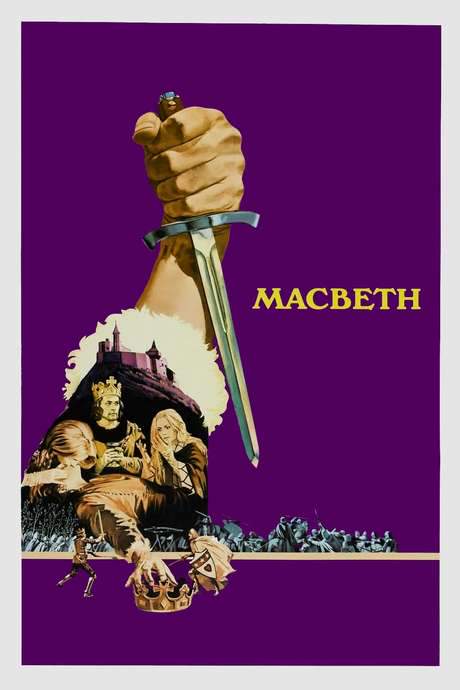
Featured on this page

What's After the Movie?
Not sure whether to stay after the credits? Find out!
Check out our other apps:

SAT Sphere
Build confidence for the Digital SAT.

Mori Atlas
Discover wild places worth protecting.

Luntero
Search smarter for a home in Amsterdam.

Plot Explained
Unravel movie endings and hidden clues.

Pokechamp
Dive into Pokémon data and battle logic.

Driving Theory
Get ready for your European theory test.

Movie Dust
Plan your next cinema trip with ease.

Musemap
Find art and culture as you travel.

Selkobase
Compare credentials before committing.

Local Manual
Turn an unfamiliar country into practical next steps.

Lernavi
Compare school systems before your next move.

GymRoam
Find a workout stop wherever your plans take you.
Explore Our Movie Platform
New Movie Releases (2026)
Famous Movie Actors
Top Film Production Studios
Movie Plot Summaries & Endings
Major Movie Awards & Winners
Best Concert Films & Music Documentaries
Movie Collections and Curated Lists
© 2026 What's After the Movie. All rights reserved.
Privacy Policy