
Macbeth (1971): Cast, Plot & Where to Watch
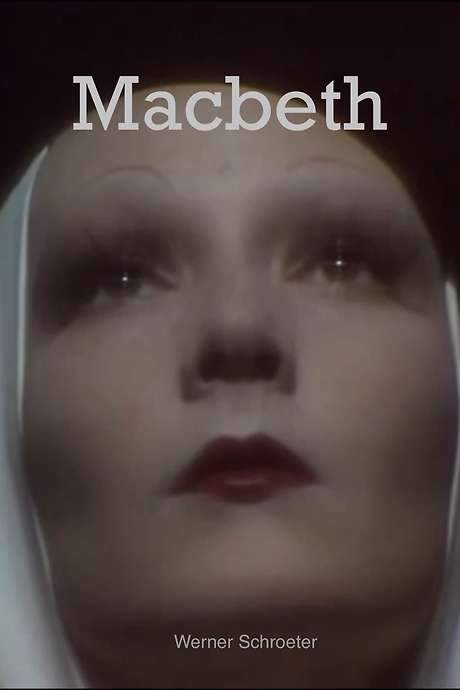
Macbeth is a 1971 drama directed by Werner Schroeter, starring Sigurd Salto as Duncan, Anette Tirier and Magdalena Montezuma. It is based on Macbeth by William Shakespeare and Barbara Mowat. It runs 1 hour. Rent or buy it on Amazon Video and Apple TV Store.
- Released
- Runtime
- 1h (60 min)
- Director
- Werner Schroeter
- Genre
- Drama
- Original language
-
 German
 - After the credits
- No No extra scene
What Is Macbeth About?
The premise of Macbeth without spoilers, adapted from Macbeth by William Shakespeare and Barbara Mowat. The whole story is in the plot summary further down.
Schroeter’s ‘Macbeth’ merges Shakespeare’s tragedy with Verdi’s opera in a studio‑bound TV experiment shot with electronic cameras. He re‑scored Verdi for violin, accordion, piano and oboe, with Argentinian tango, bolero rhythms. The cast sings in harsh, shrill tones while vivid colours accentuate the performance. Audiences found presentation unsettling.
Macbeth Themes & Keywords
· 3 tags- shakespeare's macbeth
- based on play
- character name in title
Where to Watch Macbeth
Rent or buy it from Amazon Video and Apple TV Store. US availability and prices from JustWatch.





Streaming availability in the US, powered by 
Macbeth Cast & Characters
Sigurd Salto leads the cast as Duncan, with Anette Tirier as Lady Macbeth and Magdalena Montezuma. Directed by Werner Schroeter; 4 actors are credited in all.
- Director Werner Schroeter
- Sigurd Salto as Duncan
- Anette Tirier as Lady Macbeth
- Magdalena Montezuma
- Suzanne Sheed
Macbeth Plot Summary
What happens in Macbeth from start to finish, spoilers included, with a timeline of 13 key events. The opening is below; the full summary is a 4-minute read.
Spoilers ahead
In the Middle Ages, Scotland finds itself the stage for a grim power drama: a combined Norwegian and Irish invasion is brought to heel with the aid of two Scottish nobles, Macbeth and Banquo, while the traitorous Thane of Cawdor falters under treachery. The weight of the moment shifts when Cawdor is condemned to death by Duncan, who then awards Macbeth the rightful title as reward for loyalty and victory. The news lands with a mix of awe and fear in Macbeth’s camp, for the prophecy sparks a dangerous curiosity about what might come next.
Full summary
The whole story of Macbeth, scene by scene
How Well Do You Know Macbeth?
10 questions about the story, each with a hint if you get stuck. Pick an answer to see whether you were right.
Question 1 of 10
- Question 1: not answered
- Question 2: not answered
- Question 3: not answered
- Question 4: not answered
- Question 5: not answered
- Question 6: not answered
- Question 7: not answered
- Question 8: not answered
- Question 9: not answered
- Question 10: not answered
Which title does King Duncan grant to Macbeth after the victory over the Norwegian and Irish forces?
Macbeth Also Known As
Also known as “麦克白”.
- Also known as
-
- 麦克白
Seen Macbeth?
Movies Like Macbeth
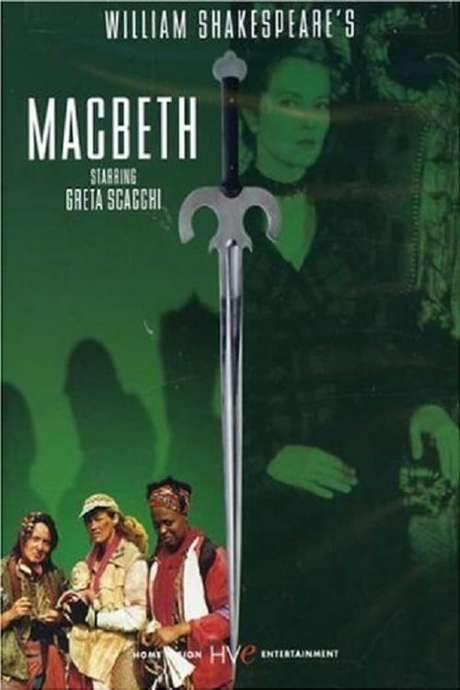
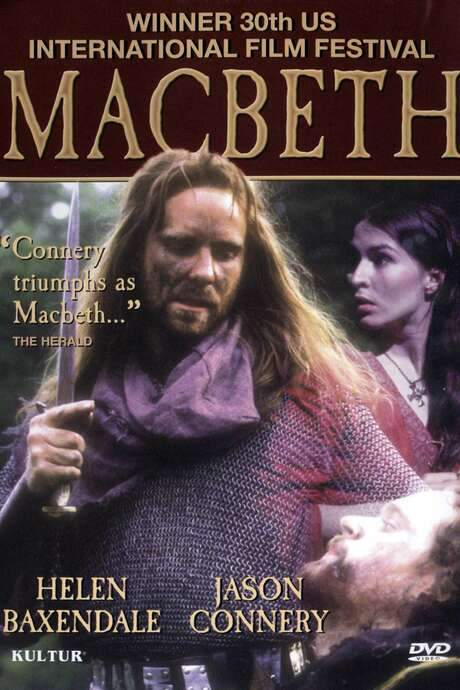
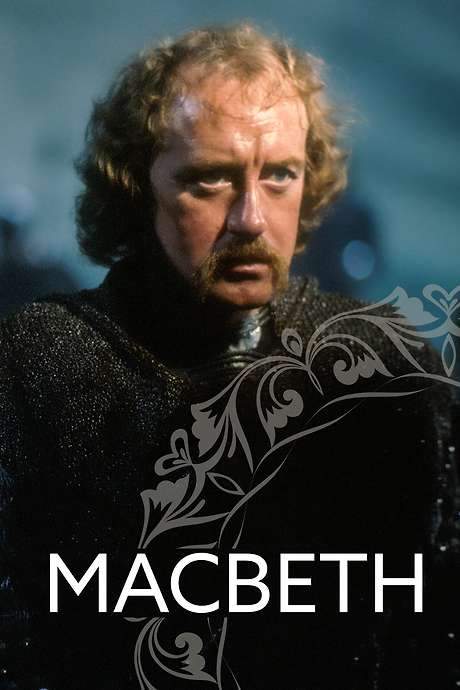
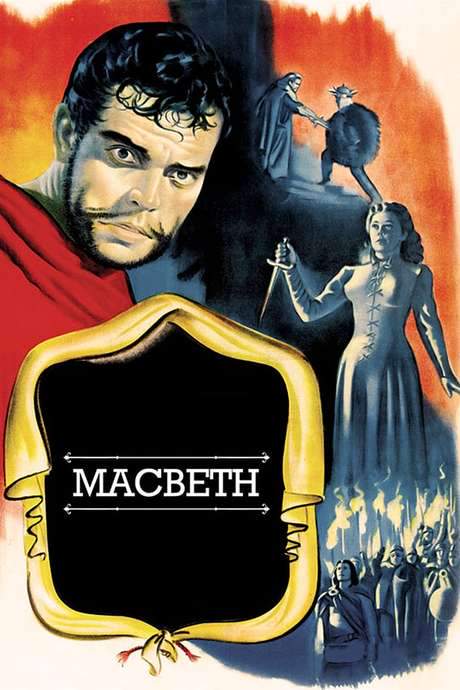
Films with a similar story, tone or audience, including Macbeth, Macbeth and Macbeth.
Macbeth FAQ: Where to Watch, Cast & Runtime
Runtime, release date, director, cast, where to watch, the book behind it, post-credit scenes and language of Macbeth, each answered in a sentence.
How long is Macbeth?
Macbeth runs 1 hour (60 minutes).
When was Macbeth released?
Macbeth was released on December 18, 1971.
Who directed Macbeth?
Macbeth was directed by Werner Schroeter.
More films by Werner Schroeter Who is in the cast of Macbeth?
Macbeth stars Sigurd Salto as Duncan, Anette Tirier as Lady Macbeth and Magdalena Montezuma, among 4 credited actors.
Where can I watch Macbeth?
In the US, Macbeth is available to rent or buy on Amazon Video, Apple TV Store and Fandango At Home (availability from JustWatch).
Is Macbeth based on a book?
Yes. Macbeth is adapted from Macbeth by William Shakespeare, Barbara Mowat and Paul Werstine.
Does Macbeth have a post-credit scene?
No. Macbeth has no extra scene during or after the credits.
What language is Macbeth in?
The original language of Macbeth is German.
Coming soon to your phone
The Plot Explained Movie Summary App
From blockbusters to hidden gems: plot summaries, endings explained and timelines on your phone. Save your favorites and never miss a twist again.
Be the first to know when it launches. Your email stays private, always. Learn more about the app
