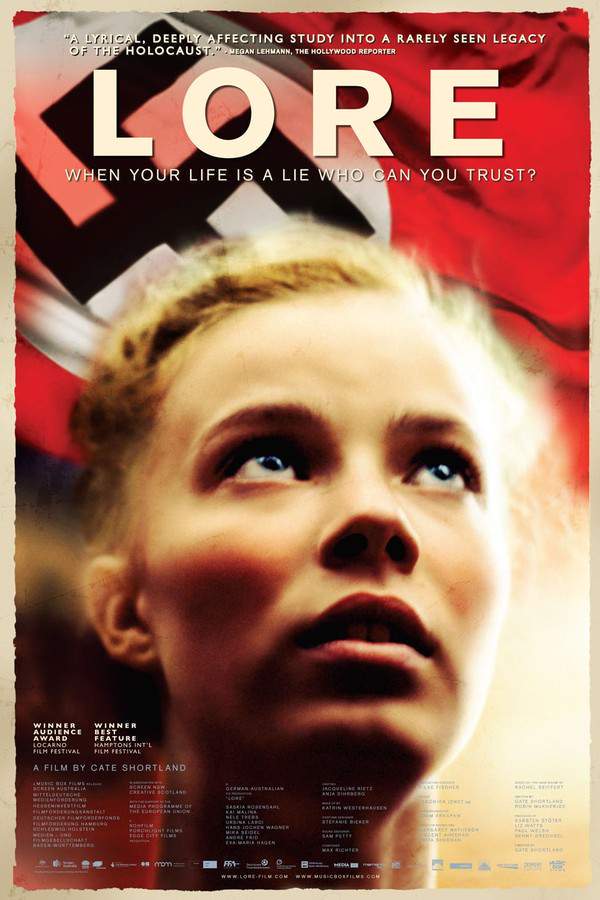
Lore 2013


Directed by

Cate Shortland
Made by

Music Box Films
Where to Watch Lore
See current US streaming, rental, and purchase options for Lore (2013) via JustWatch.

Amazon Prime Video
HD
Amazon Prime Video with Ads
HD
Cineverse Amazon Channel
HD
Fandor Amazon Channel
HD
Metrograph
HD
OVID
SD
Philo
HD
Darkroom
HD
Fawesome
HD
Hoopla
SD
JustWatch TV
HD
Kanopy
SD
YOW.tv
HD
Cineverse
HD
Fandango at Home Free
HD
Plex
HD
Plex Channel
HD
Tubi TV
SD
Xumo Play
HD
Amazon Video
SD
Apple TV Store
HD Fandango At Home
SD
Google Play Movies
SD
YouTube
SD Streaming availability powered by 
Lore Plot Summary
Read the complete plot summary and ending explained for Lore (2013). From turning points to emotional moments, uncover what really happened and why it matters.
The film follows the harrowing journey of Lore, Saskia Rosendahl, as World War II’s end shatters a family in southern Germany. With the news of Adolf Hitler’s death spreading, Lore’s mother makes a grave choice to abandon the domestic life she has known and volunteers for a camp, leaving Lore to shoulder a fearfully grown responsibility. Lore’s father heads to destinations unknown, and the household is torn between the urge to hide and the pull of obligation. In a desperate bid for safety, the family packs up what they can and relocates to a secluded cabin in a clearing within the Black Forest. A delicate keepsake accompanies them: Lore’s mother carefully wraps a porcelain deer figurine to take along, a small token that will come to symbolize memory and loss in equal measure.
The escape is fraught with danger and uncertainty. The five siblings—Lore at the helm, with her siblings in tow—must navigate a country collapsing under the weight of its own collapse. Food becomes scarce as neighbors refuse to sell, forcing Günther to steal and exposing the fragility of their precarious situation. The family is further strained when Lore’s mother departs for a camp, ultimately abandoning the children but leaving instructions to seek safety with their grandmother in Husum near Hamburg. Lore clutches her mother’s jewelry and the money for train tickets, a tangible link to a life that is rapidly slipping away. When trains cease running, the journey shifts to foot, packing minimal possessions and moving toward whatever shelter they can find.
Their trek brings them to the ruins of an abandoned house where Lore discovers a dead woman and encounters a mysterious young man who seems to reappear at every turn. The next day, they reach a church where Lore pays a woman to breast-feed her baby brother Peter, a moment that underscores the family’s precarious reliance on strangers. The same enigmatic young man crosses their path again, an eerie reminder of the peril surrounding them. The village is plastered with news of the concentrations camps, and one wall bears photographs that reveal a brutal truth—the war’s cruelty made real in stark images. In a quiet, unsettling moment, Lore recognizes her father among the soldiers in a Nazi uniform, a jarring reminder of the past they are trying to outrun.
The journey continues, with stops at a school and then a farm, where barter becomes a means of survival. Lore trades gold jewelry for food and glimpses the fragility of human morality as she steals a watch from a dead man and is urged to abandon her baby brother to secure food. Her resolve hardens as she faces the cold choice between care and survival. The family’s odyssey takes another sharp turn when a man (the same figure they have met before) reappears and follows them, continuously testing their limits. A motorized ride arrives in the form of American soldiers who offer assistance, and the siblings finally accept passage whenThomas—a young man with a complicated past—produces papers and suggests he is Lore’s brother, enabling a risky lift to safety in the Allied zone.
Illness and hunger challenge Lore in the days that follow, and Thomas proves a source of nourishment and safety, even as his own loyalties become murky. As they progress, Lore’s doubts about him grow, and the trust that binds the group is tested by fear, desire, and the need to survive. A perilous crossing across a river becomes a moral quagmire: a man offers aid, but Lore’s companions carry out a violent act to secure escape, a moment that shakes Lore to her core.
The family’s odyssey winds through shifting frontlines—through the British sector, then the Soviet area—where tensions flare and the possibility of safety remains distant. Thomas urges caution, but fear, hunger, and the ever-present specter of abandonment push Lore toward desperation. The truth behind the papers Thomas carries—whether they belong to him or to someone else named Thomas Weil—emerges only as the group presses on, leaving them to grapple with identity, loyalty, and the cost of survival.
When the four siblings finally reach their grandmother’s home, Oma offers nourishment and stern guidance, urging them not to be ashamed of their parents and to find some sense of belonging in this cracked new world. The reunion is not easy, and the sight of familiar rooms stirs memories Lore has long tried to forget. Lore returns to her mother’s old bedroom, where the deer figurine sits on the dresser, surrounded by other keepsakes that speak of a life once lived. The house hums with the odd, uneasy balance of welcome and judgment as Oma and the household try to restore order.
In the tense, quiet aftermath, Lore struggles to adapt. She resists the cheerful dance with Liesel and retreats into the woods, studying the identity papers and family portraits that lay in Thomas Weil’s wallet—an emblem of a past she cannot fully leave behind. At the dining table, a moment of restraint collapses into defiance: Jürgen grabs bread without waiting, and Oma’s stern reprimand meets Lore’s anger. In a final act of rebellion, Lore, fueled by a mix of anger and hurt, smashes the porcelain deer figurines one by one with her heel, breaking the only tangible link to a world that vanished in a breath of war.
Lore Timeline
Follow the complete movie timeline of Lore (2013) with every major event in chronological order. Great for understanding complex plots and story progression.
Escape to the Black Forest
The family packs in a rush as a Nazi officer father returns and the war closes in. They flee from their stately home, killing the family dog, and seek refuge in a secluded cabin in the Black Forest. Lore's mother wraps a porcelain deer figurine to take along, while the others prepare for a dangerous journey ahead.
Lore Takes Command
Günther's departure is uncertain; Lore's mother heads to a camp after news of Hitler's death, leaving Lore in charge with instructions to reach Omi's house in Husum. The family tears themselves away from a peaceful interior to a dangerous road, as trains stop running and food runs scarce. They set out on foot with few possessions.
On the Road Without Trains
With trains halted, the siblings abandon all belongings and begin a grueling trek on foot. They cross rural landscapes, growing more exhausted as supplies dwindle and fear grows in silence. The journey marks their first test of survival without adult protection.
Discovery in an Abandoned House
The children arrive at a ruined house and Lore discovers the corpse of a woman. She also encounters a sleeping young man who will become a recurring, troubling presence. The encounter signals the collapse of safety and the start of a desperate scavenger path.
Church Visit and the Camp News
In a nearby village, the children seek shelter and Lore pays a woman to breast-feed her baby brother Peter. Later, they encounter the same young man again as photos of Nazi atrocities are posted in the village square. Lore studies the images and recognizes her father among the uniformed officers.
A Moment in the School
The troupe spends the night in a school where the young man makes an unwanted sexual advance on Lore, who rebuffs him. He later follows them as they continue their journey, hinting at danger and manipulation from a person close to them.
Exchange of Jewelry for Food
At a farm, Lore exchanges her mother's gold ring and a gold bracelet for food. She also discovers a dead man who shot himself and steals his watch, while an old woman pleads that they abandon the baby for the family's survival. Lore refuses, determined to keep the sibling group together.
The Familiar Stranger Becomes Ally
The same young man reappears, now calling himself 'Thomas' and presenting fake papers that claim he is Lore's brother. A truck with American soldiers stops them, and Thomas shows his 'papers' to gain passage, earning them a ride toward safety. Lore grows wary but depends on his survival instincts.
Illness, Kindness, and Tension
Lore falls ill, and Thomas tends to her and the others with food and care. While bathing, Liesel questions Lore about Thomas, and Lore's ambivalence about him becomes more evident as she moves closer to him in a dangerous, fragile way.
Crossing a River Under Threat
In the forest, Lore buries photographs of her father and his concentration-camp picture. When a river blocks their path, Thomas offers to help Peter cross and Lore seeks assistance from a boatman who is not interested. Lore allows the man to assault her to distract him while Thomas kills him. They use the boat and cross, but Lore is left shaken by the act.
Günther's Death and Betrayal of Trust
As they approach the Soviet sector, the group contends with a tense plan to cross into the British sector at night. Günther is shot by Soviet soldiers, and Thomas threatens to leave them behind if they slow their progress. Lore's trust in Thomas fractures after she labels him 'a filthy Jew' during their argument, but he stays with them.
Arrival at Oma's House and a Bitter Homecoming
The siblings finally reach Omi's house in Husum near Hamburg. Oma feeds them and admonishes them not to be ashamed of their parents. Lore places her mother's porcelain deer on the dresser, a symbol of memory and loss, and struggles to adjust to civilian life. The family tensions erupt as Lore smashes the deer figurines in anger.
Lore Characters
Explore all characters from Lore (2013). Get detailed profiles with their roles, arcs, and key relationships explained.
Lore
The eldest sister who leads the journey to safety while balancing fear, duty, and a growing resolve. Her experiences force a hard-edged realism, and her moral compass is tested as the family faces hunger, betrayal, and the violence of a collapsing world. She ultimately channels her anger into a decisive act that marks the boundary between memory and survival.
Oma
Lore's stern grandmother who provides nourishment and guidance from a safer, older generation. She emphasizes dignity and resilience, urging the siblings to anchor themselves in reality despite the family's broken past. Her presence steadies the group in tense, quiet moments.
Thomas Weil
A young man with a murky past who carries papers and appears to offer help, yet his loyalties remain ambiguous. He becomes a paradoxical protector and potential threat as the siblings move across shifting frontlines. His role probes questions of trust, family, and the cost of survival.
Günther
Lore's brother figure who participates in bartering and stealing to secure food, illustrating how hunger can erode morality. He embodies the struggle between familial loyalty and the imperative to survive. His actions highlight the fragility of childhood amid war.
Peter
Lore's baby brother, whose care underscores the stakes of their journey. The family’s reliance on others for care—such as breastfeeding or protection—emphasizes vulnerability in a landscape of scarcity. Peter’s presence anchors emotional stakes throughout the odyssey.
Mysterious Young Man
A recurring, enigmatic figure who reappears at key moments, embodying both danger and possibility. His presence unsettles the group and forces them to weigh whom to trust as the world fractures around them.
Lore Settings
Learn where and when Lore (2013) takes place. Explore the film’s settings, era, and how they shape the narrative.
Time period
Late World War II and immediate postwar period (around 1945-1946)
The story unfolds as Nazi Germany collapses and the war ends, with news of Hitler's death and a mass displacement of civilians. Trains stop, borders tighten, and communities struggle to survive amidst shortages and moral ambiguity. The era emphasizes the fragility of family bonds under pressure and the disorienting shift from wartime routines to an uncertain peace.
Location
Southern Germany, Black Forest, Husum near Hamburg
Set in the immediate aftermath of World War II across rural southern Germany and the secluded Black Forest, the film follows a shattering journey. The family moves through ruined houses, abandoned farms, and makeshift shelters, where scarcity and danger shape every decision. Their path leads toward Husum near Hamburg as they seek safety in a country partitioned by Allied zones, borders blurred by fear and displacement.
Lore Themes
Discover the main themes in Lore (2013). Analyze the deeper meanings, emotional layers, and social commentary behind the film.
🧭
Survival
The siblings must improvise food, shelter, and safety as resources dry up. Every choice—stealing, bartering, or trading valuables—tests their limits and moral boundaries. Survival becomes a squeeze between caring for each other and doing what is necessary to endure. The relentless pressure exposes how far people will go when the world they know has collapsed.
🕯️
Memory & Loss
Keepsakes like the porcelain deer carry memory and guilt, linking the past to the fragile present. Lore clings to tokens of a life that vanished, often choosing to destroy them as a way to break free from sadness. The film repeatedly contrasts tenderness with violence, showing how trauma lingers in small, daily acts. Memory becomes a compass that both guides and terrifies the characters.
🧩
Identity
The journey forces Lore to confront who she is apart from her parents and the world they left behind. The mystery surrounding Thomas Weil and the papers tests loyalty and belonging within a fragile family unit. As loyalties shift, the siblings must decide which myths about their past to hold onto. The climax suggests that belonging in a new world may require accepting difficult truths about themselves and their parents.

Coming soon on iOS and Android
The Plot Explained Mobile App
From blockbusters to hidden gems — dive into movie stories anytime, anywhere. Save your favorites, discover plots faster, and never miss a twist again.
Sign up to be the first to know when we launch. Your email stays private — always.
Explore the mobile appLore Spoiler-Free Summary
Discover the spoiler-free summary of Lore (2013). Get a concise overview without any spoilers.
In the waning days of World War II, a shattered Germany becomes a bleak landscape of ruined towns, endless forests, and uncertain borders. The atmosphere hangs heavy with the echo of defeat, yet a fragile hope lingers in the cold air as families cling to the possibility of reunion. Against this backdrop, the film follows a solitary trek through a country still trembling from the collapse of a regime, where every road leads both outward and deeper into the past.
At the heart of the story is Lore, a teenage girl whose fierce loyalty to her siblings propels her into the role of reluctant guide. With her parents gone and her world reduced to a handful of loved ones, she bears the weight of responsibility far beyond her years. Her determination is tempered by the harsh reality of scarcity and the unsettling knowledge that the world she once knew is irrevocably altered. The film paints her inner conflict with a quiet intensity, showing how survival can reshape identity and belief.
As the siblings move toward a distant hope of safety, they encounter a mysterious refugee—someone whose very existence challenges everything Lore has been taught to fear. This enigmatic presence introduces a subtle tension, hinting at hidden stories and unexpected alliances in a landscape where trust is a scarce commodity. The interplay between Lore’s ingrained prejudices and the refugee’s ambiguous motives creates a simmering undercurrent that drives the narrative forward.
The tone balances stark realism with a lyrical sense of yearning, capturing the desolation of a war‑torn country while also illuminating the stubborn resilience of youth. Through somber vistas and intimate moments, the film invites viewers to contemplate the cost of loyalty, the complexity of prejudice, and the fragile threads that bind a family together when the world around them is falling apart.
Movies with Similar Twists and Themes
Uncover films that echo the narrative beats, emotional arcs, or dramatic twists of the one you're exploring. These recommendations are handpicked based on story depth, thematic resonance, and spoiler-worthy moments — perfect for fans who crave more of the same intrigue.

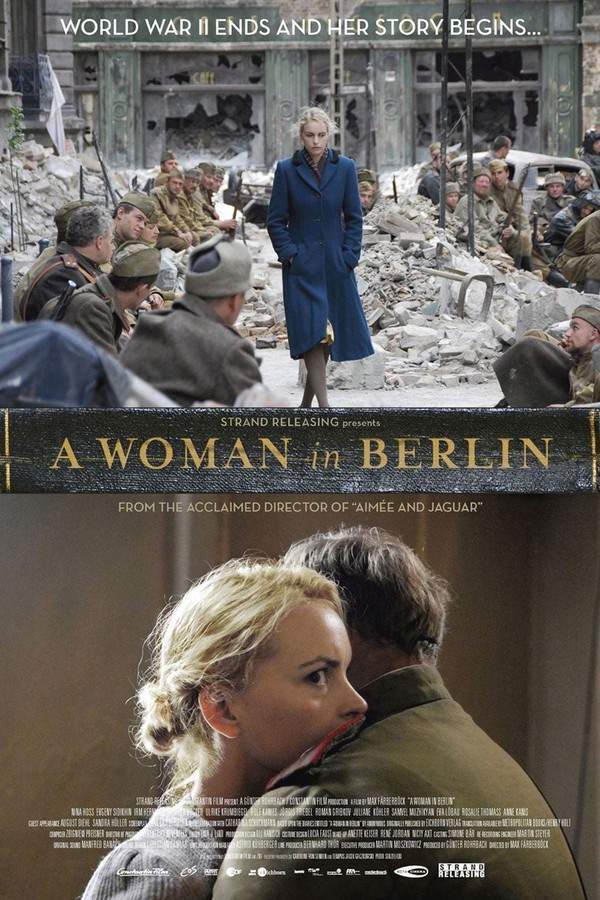


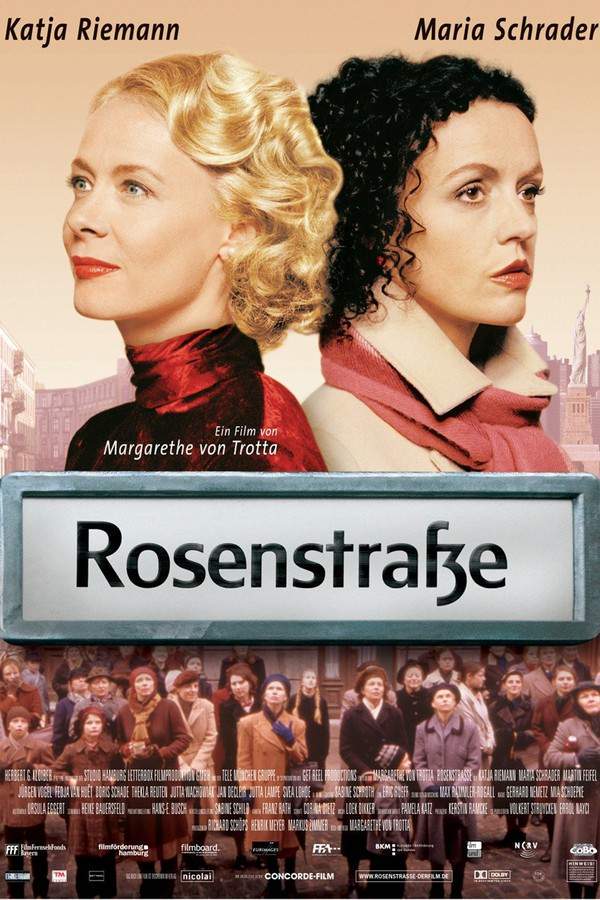


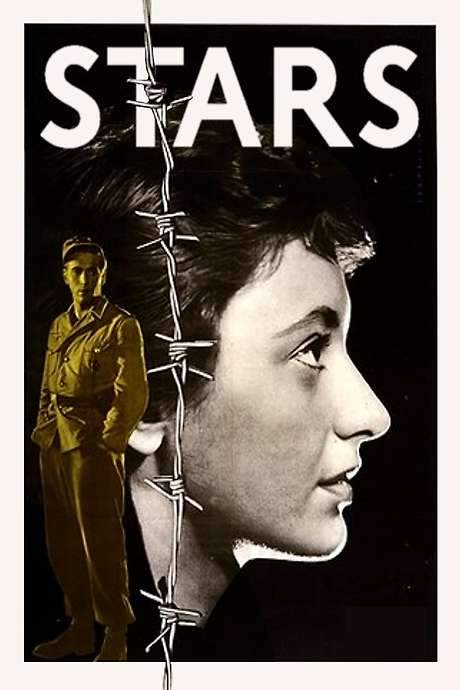
Featured on this page

What's After the Movie?
Not sure whether to stay after the credits? Find out!
Check out our other apps:

SAT Sphere
Build confidence for the Digital SAT.

Mori Atlas
Discover wild places worth protecting.

Luntero
Search smarter for a home in Amsterdam.

Plot Explained
Unravel movie endings and hidden clues.

Pokechamp
Dive into Pokémon data and battle logic.

Driving Theory
Get ready for your European theory test.

Movie Dust
Plan your next cinema trip with ease.

Musemap
Find art and culture as you travel.

Selkobase
Compare credentials before committing.

Local Manual
Turn an unfamiliar country into practical next steps.

Lernavi
Compare school systems before your next move.

GymRoam
Find a workout stop wherever your plans take you.
Explore Our Movie Platform
New Movie Releases (2026)
Famous Movie Actors
Top Film Production Studios
Movie Plot Summaries & Endings
Major Movie Awards & Winners
Best Concert Films & Music Documentaries
Movie Collections and Curated Lists
© 2026 What's After the Movie. All rights reserved.
Privacy Policy