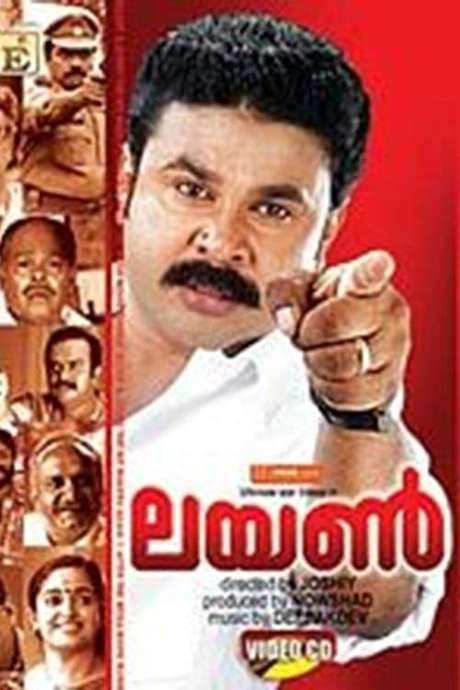
What Is Lion About?
The premise of Lion in 279 words, with nothing given away. The full story follows below.
In the heart of a bustling state, a powerful political dynasty centers around the imposing figure of Balagangadhara Menon, the Education Minister whose household doubles as a micro‑cosm of ambition and legacy. Within the stately home he shares his life with his devoted wife Lakshmi, their three daughters, and two sons‑in‑law—Pavithran, an eager bureaucrat, and Gopinath, a steadfast officer. Their trusted personal aide Joseph moves silently through the corridors, ever‑present as the family navigates the delicate balance between public service and private aspiration. The atmosphere is one of polished ceremony tinged with the undercurrents of competing desires, where every conversation hints at larger stakes beyond the front door.
Into this tightly knit yet tension‑laden world arrives Shari, a spirited teacher accompanied by her mother Devaki. Their arrival stirs memories of a long‑forgotten connection between Shari and B. Krishnakumar, the minister’s son known to many as Unni. The reunion of childhood affection and lingering familial expectations adds a fresh layer of intrigue, as personal histories clash with the ever‑present demands of political life. The house becomes a stage where old loyalties are tested, and new alliances begin to form, all under the watchful eyes of a family accustomed to wielding influence.
The film unfolds with a tone that blends the gravitas of statecraft with the intimate drama of a family caught in the crosscurrents of power. Elegant settings contrast with the palpable pressure of maintaining reputation, and the characters move through a dance of duty, ambition, and lingering sentiment. Viewers are invited to sense the subtle tensions that pulse beneath the polished veneer, hinting at the inevitable confrontations that arise when personal dreams intersect with the relentless machinery of governance.
What Happens in Lion?
The complete story of Lion, from the first scene to the last, in 812 words (about 4 minutes). Spoilers throughout. Names in the text link to 12 cast member pages.
Spoilers ahead
Balagangadhara Menon, Kalasala Babu, the influential Education Minister, presides over a multi-generational political household that blends public duty with private ambition. He lives with his son B.Krishnakumar a.k.a. Unni, Dileep; his wife Lakshmi, Shobha Mohan; three daughters, and two sons-in-law, Pavithran, Saikumar and Gopinath, Shammi Thilakan as a trusted IAS officer, along with his loyal P.A. Joseph, Jagathy Sreekumar. Menon’s fondness for his sons-in-law masks a deeper fixation on consolidating power, and he frequently tries to steer his son and allies to shield or advance corrupt activities. He schemes to push for the Chief Minister’s chair by raising college fees and shifting blame onto Avarachan, the honest, current CM, P Sreekumar. This political maneuvering triggers widespread protests and a merciless tug-of-war over who truly controls the state.
Into this storm arrives Sharika, known as Shari, Kavya Madhavan, and her mother Devaki, Bindu Panicker, who come to Menon’s home when Shari secures a temporary teaching post in the area. The two women carry memories of a former servant relationship with Menon, and their presence rekindles old tensions rooted in a childish love affair between Unni and Shari. Shari quickly becomes embroiled in a public Drinking Water Case, seeking Menon’s help, while her determination grows as she and Unni take matters beyond the walls of the house. When Menon proves unreliable, they turn to the Collector’s office, but face resistance there as well, prompting them to pursue legal channels and public discourse to block the case.
Parallel to this, Unni’s younger sister Meenakshi falls for Prasad, a simple schoolteacher. Unni’s family disapproves, and Menon’s henchmen threaten Prasad, while Unni is unjustly imprisoned in a case that lacks merit. Meenakshi’s hopes ride on an escape from the political stranglehold that would force her into an arranged marriage with ASP Harshan, Riyaz Khan, a move designed to consolidate power and assets for Menon’s faction. After a period of rising tension, Unni is released, and Shari discovers a crucial clue—a cellphone belonging to Prasad’s killer. She and Unni bring this evidence to CI Vijayan, Vijayaraghavan, who helps secure the arrest of the murderer. In a broader sweep, Menon is implicated by this turn of events, but the case also becomes a political weapon against the CM, who confronts the Governor in a bid to dissolve the assembly.
The Governor indeed moves to dissolve the assembly, leading to a fresh general election. The party initially contemplates nominating Krishnakumar, Unni’s brother, as the candidate, but Menon persuades the party to nominate him later, pushing Krishnakumar to run as an Independent. Krishnakumar, whose real name is B.Krishnakumar, Dileep challenges the established order by exposing the corruption of his opponents and generously donating money and proceeds from Vendor Chandy and other businessmen as charitable acts. He narrowly wins the election, securing a majority for his new coalition, and the moment signals a fresh start for the state’s governance.
In the aftermath, Krishnakumar’s ascent continues as he brings a raft of reforms to the fore. He leverages his position to dismantle many corrupt networks with the help of the police, and he targets high-powered politicians who have hidden black money. He even transfers Harshan away to Bihar to curb any leverage Harshan might hold. Thomman Chacko, Innocent, the former political figure, is pressured to relinquish power, and Krishnakumar’s cabinet takes shape under a new stewardship. Krishnakumar also secures a personal triumph when he convinces Shari to marry him; they promptly register their marriage, an act that infuriates Menon and prompts him to restrict their access to the minister’s official residence.
Pavithran continues his attempts to dispose of Unni by any means, but Menon’s character matures as he privately seeks reconciliation with Unni and Shari, even planning a public press conference to reveal his own corruptions. Pavithran learns that his illicit wealth would significantly disappear if Menon turned over a new leaf, and he consequently orders Menon’s murder, staging it as a lorry accident. Fate, however, is not so easily fooled: P.A. Joseph, Menon’s aide, survives the crash and later informs Krishnakumar about the ruse. Pavithran’s wife reveals overheard plans to Krishnakumar and the authorities, forcing Pavithran to flee—only to be confronted by Krishnakumar and the police. In a climactic confrontation, Krishnakumar kills Pavithran using a gun supplied by CI Vijayan, but the legal process ultimately closes the case, with the authorities urging Krishnakumar to move forward rather than dwell on revenge.
The film closes on a hopeful note: Krishnakumar is celebrated by the former CM Avarachan, acknowledging his transformation from a politician into a statesman who governs with integrity. The new administration under Krishnakumar’s leadership commits to a broader vision—where leadership is defined by action and service, not by position. The closing message, echoed in Krishnakumar’s ascent and the reinvigoration of governance, emphasizes a future where incorruptible leadership guides the state toward legitimate progress and accountability: “Leadership is action and not position.”
Lion Timeline: Every Key Event in Order
14 key events in the order they happen, from “Menon's bid to become Chief Minister and push for higher fees” to “A new dawn: Krishnakumar as a statesman”. 14 events name a place, across 14 locations.
- 1
Menon's bid to become Chief Minister and push for higher fees
Education Minister Balagangadhara Menon reveals a plan to become Chief Minister by increasing college fees and blaming the current CM, Avarachan, for corruption. Protests erupt across the state as the political game heats up. Menon relies on his loyalists Pavithran and Gopinath IAS to shield his actions and expand his influence.
When:Pre-election period Where:Statewide, including the state capital
- 2
Shari and Unni confront the Drinking Water case
Sharika (Shari) and her mother arrive at Menon's house, rekindling a past relationship with Unni that Menon disapproves of. Shari becomes involved in a public Drinking Water Case and seeks Menon's help, but he proves unreliable. They push to take the matter to the Collector and then pursue judicial remedies.
When:Early crisis phase Where:Menon's residence; Collector's office
- 3
Meenakshi's romance vs. political marriage alibi
Meenakshi, Unni's sister, loves Prasad, a regular schoolteacher, but Menon and allies refuse the match and press for ASP Harshan to marry her as a political asset. Pavithran's henchmen are sent to target Prasad, and Unni is jailed in an unwarranted case to keep the couple apart.
When:Pre-election period Where:Family home and state capital
- 4
Shari exposes evidence to Vijayan; killer arrested
Shari acquires a cellphone belonging to Prasad's murderer and, with Unni's help, presents it to CI Vijayan as proof. The killer is arrested, and Menon is traced via a phone call, exposing his involvement in broader corrupt activities. This deepens the political crisis surrounding him.
When:Soon after Prasad case developments Where:C.I. Vijayan's office and police station
- 5
Assembly dissolved; election looms; candidacy conflict
The Governor dissolves the state assembly, triggering a general election. The party initially plans to nominate Krishnakumar from his constituency, not Menon, but Menon pressure shifts the plan to back him as the candidate. Krishnakumar withdraws to run as an Independent on his friends' urging.
When:Election period Where:State Capitol; party meeting
- 6
Krishnakumar campaigns and questions opps; slight victory
Krishnakumar campaigns by highlighting his opponents' dramas and donates money obtained from vendors and businessmen as charity. He contests as an Independent and achieves a narrow victory, securing a crucial seat for the coalition.
When:Election period Where:Election campaign trail
- 7
Formation of government; Thomman Chakko becomes CM
Following the election, the coalition forms with Thomman Chakko as Chief Minister. Krishnakumar is appointed Home Minister, and he and his allies enter the cabinet to steer governance. The new administration begins reshaping the political landscape.
When:Post-election Where:State Capital
- 8
Anti-corruption drive gains momentum
Krishnakumar uses his home portfolio to root out corruption, exposing black money and corrupt assets held by high-ranking politicians. He also transfers Harshan to Bihar, and pressure on Thomman Chakko increases to align with the reformist agenda.
When:Early governance Where:State agencies; capital
- 9
Shari and Krishnakumar wed; Menon is ousted
Krishnakumar convinces Shari to marry him; they register their marriage and move into the minister's official residence. Menon reacts with anger, dispels them from the house, and the couple begins a new life within the political hub of power.
When:Shortly after formation Where:Minister's official residence
- 10
Pavithran's plots intensify as reform nears
Pavithran escalates efforts to eliminate Unni while Menon contemplates a reform-minded path and plans a press conference to reveal his corrupt practices. Pavithran senses that his wealth and influence could vanish and doubles down on his schemes.
When:Lead-up to press meet Where:Homes and planned press meet venue
Show the other 4 events of Lion Hide the last 4 events
- 11
Murder by lorry crash; Joseph survives
Pavithran orchestrates a staged lorry crash that kills Menon, portraying it as an accident. Unbeknownst to Pavithran, Menon's P.A. Joseph survives the crash and later informs Krishnakumar of the truth.
When:On the day of the planned press meet Where:Road near the capital
- 12
Pursuit of Pavithran and a fatal confrontation
Joseph reveals the murder to Krishnakumar and helps track the killer, but Pavithran attempts to flee. Krishnakumar confronts Pavithran with the police, and in a violent confrontation, Pavithran is slain with Vijayan's gun. The case appears to be headed toward closure.
When:Immediate aftermath Where:Roadside and police precinct
- 13
FIR closed; Vijayan consoles the new leader
The F.I.R. is closed under CRPC 130/131, and CI Vijayan consoles Krishnakumar, emphasizing the need for incorruptible leadership. The state begins to move forward under a new era of governance and accountability.
When:Post-incident Where:Police Headquarters
- 14
A new dawn: Krishnakumar as a statesman
Ex-CM Avarachan congratulates Krishnakumar on his ascent from a political actor to a statesman. Krishnakumar is hailed as Home Minister with a guiding motto: Leadership is action and not position, signaling a continuing mission for reform.
When:End Where:State Capitol
Who Are the Main Characters in Lion?
12 characters, among them B.Krishnakumar (Dileep), Sharika / Shari (Kavya Madhavan) and Balagangadhara Menon (Kalasala Babu): who each one is and the part they play in the story. Every profile links to the actor’s page.
- B(
B.Krishnakumar (Dileep)
Played by Dileep
Unni, Balagangadhara Menon's son, navigates a web of family power and political ambition. He champions integrity, fights back against corruption, and seeks to unite lovers and citizens through principled action. Though surrounded by a corrupt milieu, he becomes the film’s driving force for reform and accountability.
- 👤 Protagonist
- 🕊️ Integrity
- 🗳️ Politician
- S/
Sharika / Shari (Kavya Madhavan)
Played by Kavya Madhavan
Shari is a former servant turned public teacher who rekindles a past romance with Unni. She drives the search for truth, brings evidence to light, and partners with Unni to challenge Menon's regime. Her courage under pressure positions her as a catalyst for political change.
- 👩 Heroine
- 🧭 Courage
- BM
Balagangadhara Menon (Kalasala Babu)
Played by Kalasala Babu
A powerful Education Minister with his own CM ambitions, Menon uses family ties and political leverage to shield wrongdoing. His flawed vision evolves from self-protection to reluctant readiness for reform as the plot unfolds. He embodies the moral complexity of power and responsibility.
- 🏛️ Minister
- ⚖️ Power
- LM
Lakshmi Menon (Shobha Mohan)
Played by Shobha Mohan
Wife of Menon, she is drawn into the political storm and faces the consequences of her family's actions. She embodies the personal cost of governance and the dilemma of loyalty versus public welfare.
- 👩 Wife
- 🌟 Support
-
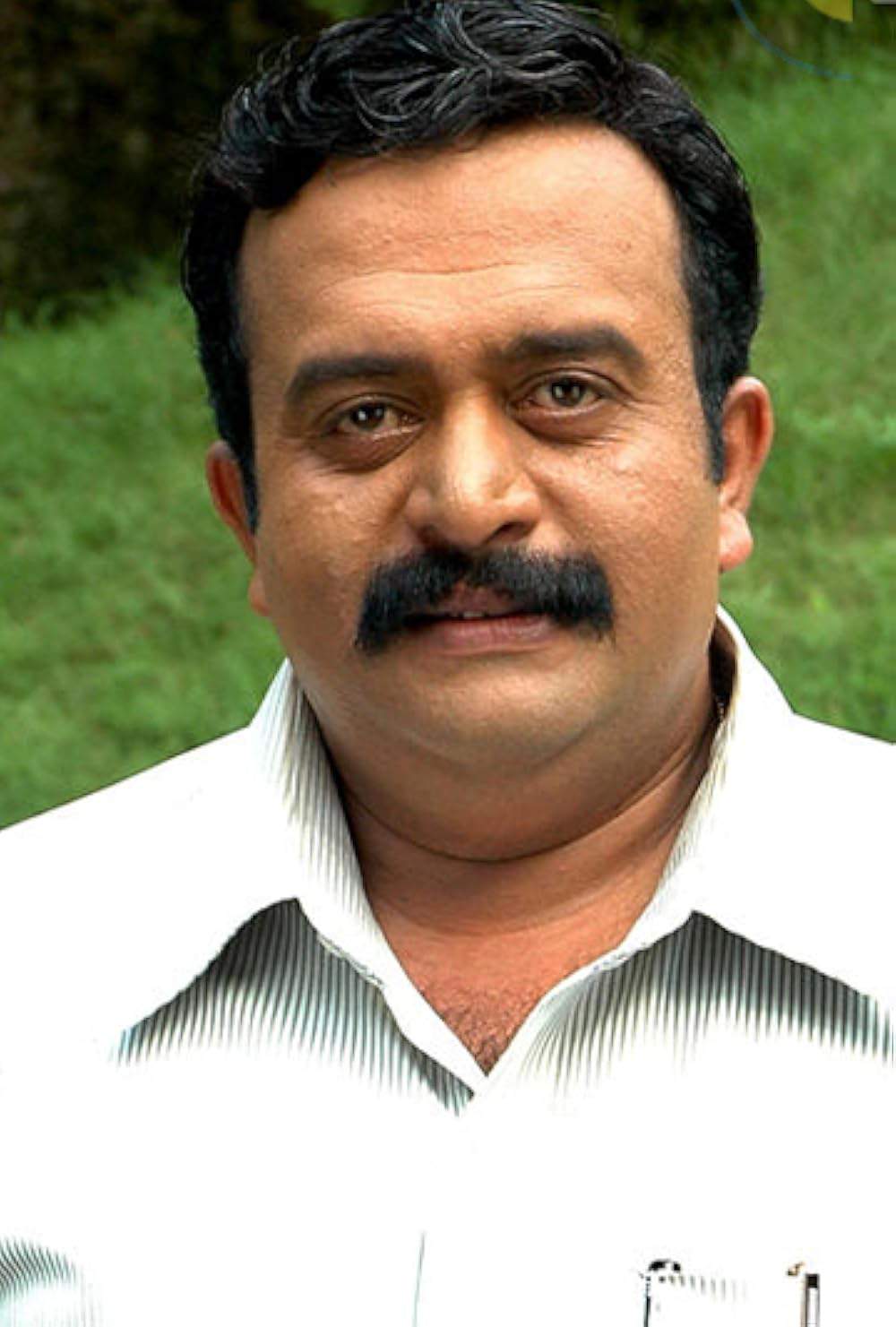
Pavithran (Saikumar)
Played by Saikumar
A ruthless figure in Menon's inner circle, Pavithran plots to eliminate Prasad and influence the political game. He catalyzes conflict and ultimately pays the price for his schemes when Krishnakumar confronts him.
- 🗡️ Antagonist
- 💼 Henchman
- P(
Prasad (Saiju Kurup)
Played by Saiju Kurup
A schoolteacher and Meenakshi's lover, Prasad becomes a target of political machinations. His pursuit of a loving relationship is entangled with the state's power struggles and threats to his life.
- 👨🏫 Teacher
- 💔 Lover
- MH
Meenakshi Harshan a.k.a. Meenootty (Karthika Mathew)
Played by Karthika Mathew
Meenakshi is in love with Prasad but is pressured into an arranged marriage to Harshan. She assists Unni by providing crucial information and supporting the push for justice.
- 👧 Lover
- 👩🎓 Student
-
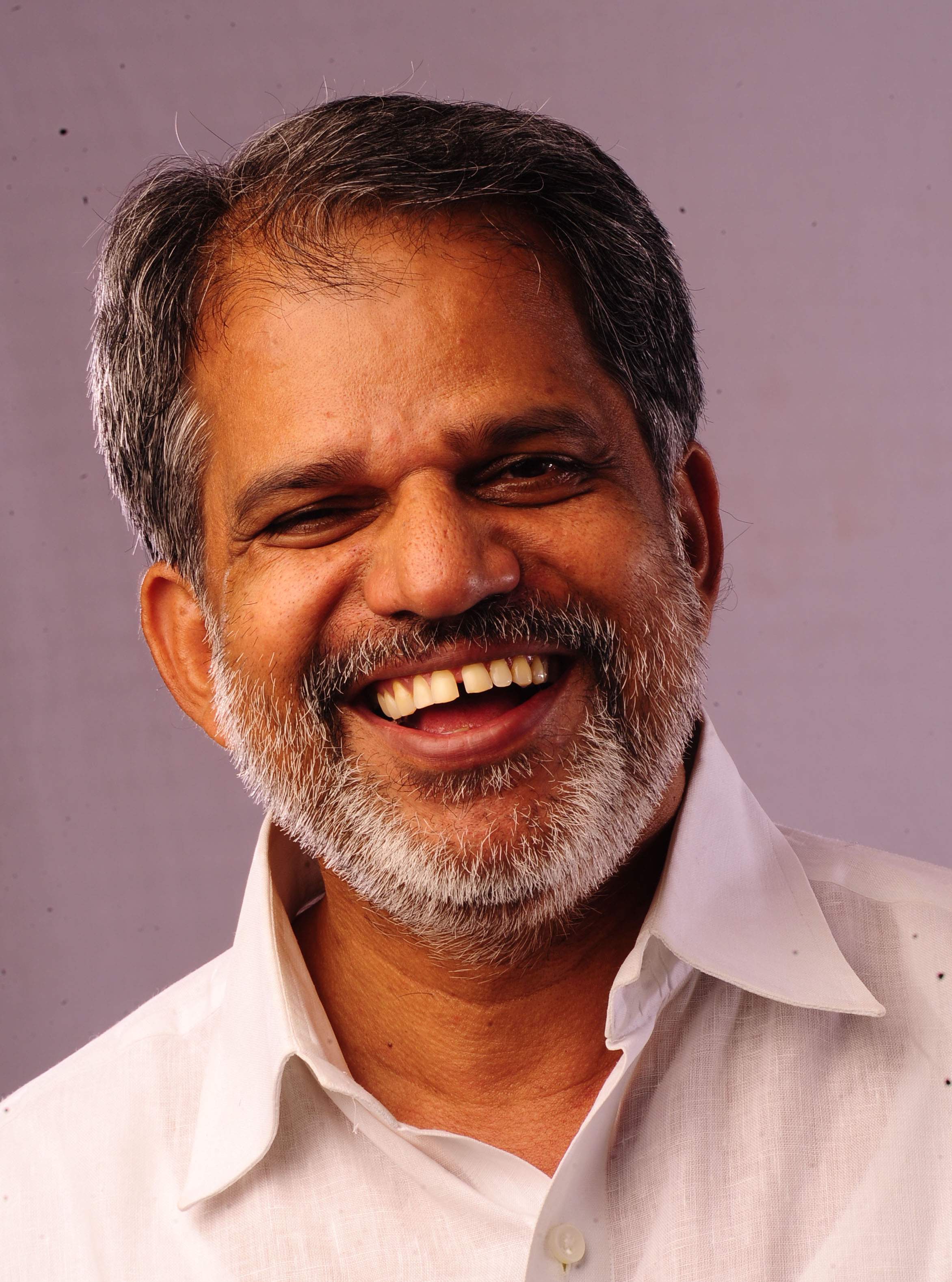
CI Vijayan (Vijayaraghavan)
Played by Vijayaraghavan
An important police figure who aids Krishnakumar by pursuing evidence, coordinating with the Collector, and assisting in the arrest of the corrupt. His role underscores law enforcement as a pillar of accountability.
- 👮 Police
- 🛡️ Authority
- TC
Thomman Chacko (Innocent)
Played by Innocent
A trusted ally who becomes Chief Minister, Thomman Chacko's leadership marks the transition from a corrupt regime to reform-minded governance. He guides the state toward accountability while balancing political realities.
- 👔 Senior Leader
- 🧭 Statesman
- D(
DGP (Jagannath Varma)
Played by Jagannatha Varma
The top police official whose bureau battles crime while navigating political pressures during the reform process. He helps align law enforcement with anti-corruption goals.
- 👮♂️ Top Cop
- 🏛️ Bureaucracy
-
Vendor Chandy (Cochin Haneefa)
Played by Cochin Haneefa
A money-connected vendor representing the flow of black money into political campaigns. He stands for the economic side of state corruption and its influence on policy.
- 🧰 Trader
- 💰 Influence
- PK
P. K. Abraham / Avarachan (P. Sreekumar)
Played by P Sreekumar
The former Chief Minister who serves as a benchmark for honest leadership opposed by the anti-corruption faction. His stance highlights the contrast between integrity and opportunism in politics.
- 👔 Ex CM
- 🏛️ Politics
Where and When Is Lion Set?
Lion is set in Kerala and India (Early 2000s). Here is why the time and place matter to the story.
When
Early 2000s
Set in contemporary India during the early 2000s, the film captures a period of political churn and reformist rhetoric. The narrative uses real-world structures—Chief Minister, Governor, and Home Minister—to illustrate a high-stakes power struggle. It revolves around student protests over college fee hikes and the clash between corrupt interests and public welfare. The atmosphere is charged with media attention and public activism.
Where
Kerala, India
Kerala, a southern Indian state with a rich political culture, provides the backdrop for Lion. The film centers on a powerful minister and his family as they maneuver education policy, protests, and elections. Public offices, mass movements, and the state assembly frame a landscape where power and money influence governance. The setting reflects a society grappling with accountability within a democratic framework.
- 🏛️ Kerala
- 🗳️ Politics
- 💼 Governance
- 🕊️ Reform
What Are the Themes of Lion?
3 ideas the story keeps returning to, among them Corruption vs Integrity, Family Politics and Accountability.
-
01
Corruption vs Integrity
Power and corruption dominate the state's landscape as Menon's circle shields illegal wealth and manipulates policy. Krishnakumar's rise tests his commitment to ethical action in the face of family and political pressure. The story argues that leadership is defined by actions that uphold public trust, not by titles alone. It ends with reforms intended to restore transparency in governance.
-
02
Family Politics
The Menon clan leverages kinship to broker deals, influence policy, and control the political narrative. Loyalties within the household, in-laws, and political allies constantly shift as rivals threaten their dominance. The personal and political intertwine, showing how love, betrayal, and ambition shape governance.
-
03
Accountability
Evidence gathered by Sharika and Krishnakumar exposes a corrupt network and triggers legal scrutiny. The police, CI Vijayan, and the judiciary become agents of reform, while public protests demand transparency. The dissolution of the state assembly and subsequent elections underscore that accountability requires decisive political will. The ending reinforces the need for incorruptible leadership that acts for the public good.
What Kind of Film Is Lion?
Tense in tone, with steady pacing and a complex story, going by the plot summary.
- Tone
- Tense
- Pacing
- Steady
- Story
- Complex
- Intensity
- High
- Ending
- Happy
A tense and methodical political thriller that chronicles a powerful, corrupt family's internal power struggles and external maneuvers, generating a palpable sense of anxiety and danger before culminating in a hopeful but hard-won moral victory.
- tense
- political
- scheming
- hopeful
- anxious
- corrupt
- political corruption
- family power dynamics
- murder conspiracy
- electoral politics
Content notes: murder, political corruption, threats, imprisonment.
Quiz
How well do you remember Lion? Test yourself on the story.